OS
Ocean Sciences

oceanography

Monitoring the Ocean’s Green Pulse: A New Global Dataset for Phytoplankton Phenology
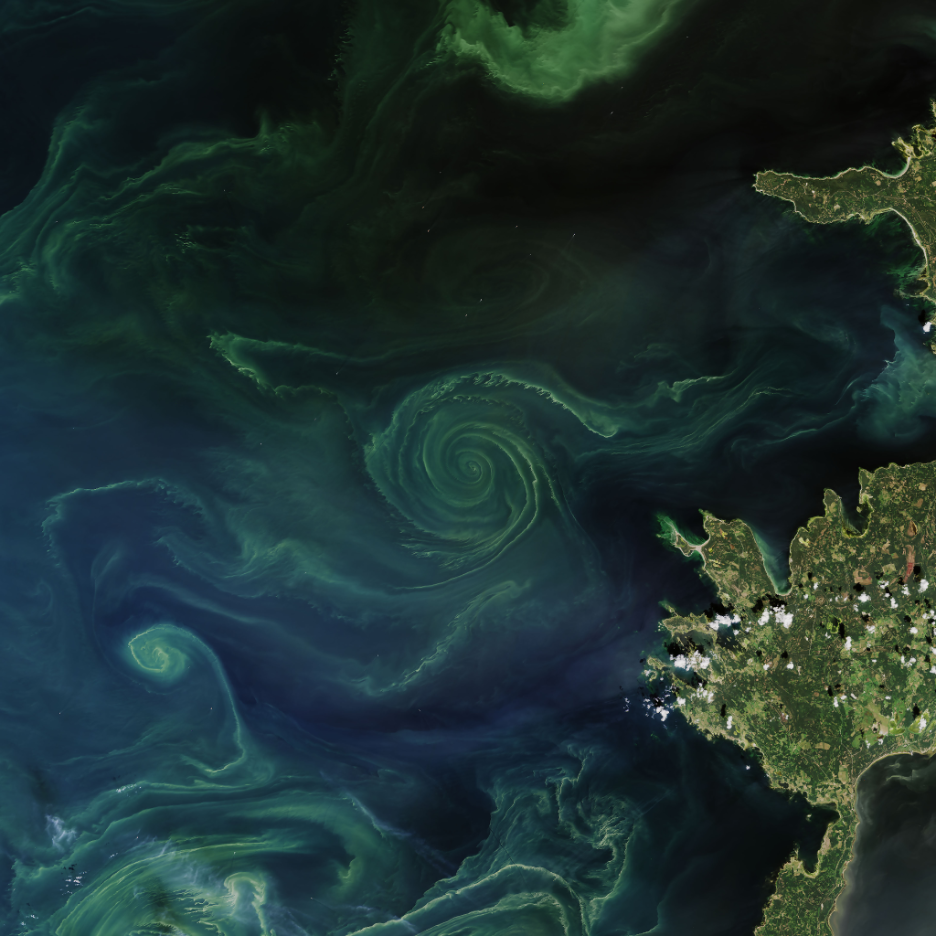
Monitoring the Ocean’s Green Pulse: A New Global Dataset for Phytoplankton Phenology
Phytoplankton are tiny, single-celled organisms mainly found in the ocean’s sunlit surface, where they grow through photosynthesis, forming the marine food web’s base and regulating Earth’s climate by absorbing carbon dioxide. Their seasonal growth cycles—known as “blooms”—drive marine productivity and influence everything from carbon uptake to food security. But how can we track ...[Read More]

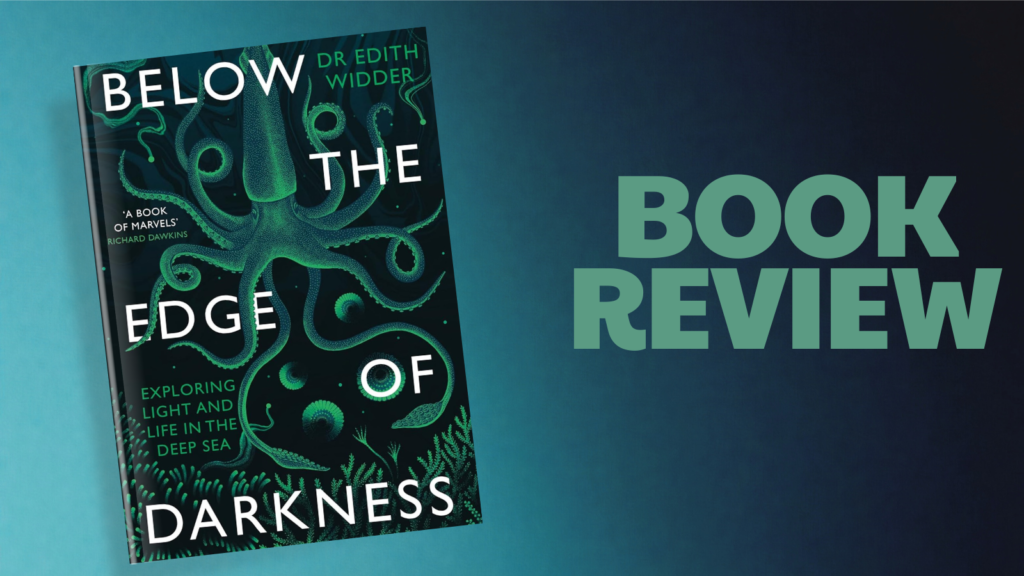
Book Review: Below the Edge of Darkness by Edith Widder

Book Review: Below the Edge of Darkness by Edith Widder

Welcome to our new blog series, where we explore the fascinating world of oceanography through the lens of literature. Each post will feature book recommendations that involve the wonders of the ocean, from the imaginative realms of maritime science fiction to the educational pages of science nonfiction. Like Captain Ahab chasing Moby Dick, we’ll hunt down the best ocean literature for you. ...[Read More]

Jens Terhaar Receives the Division Outstanding Early Career Scientist Award – About His Career and Work

Jens Terhaar Receives the Division Outstanding Early Career Scientist Award – About His Career and Work

Jens Terhaar received the 2025 Division Outstanding Early Career Scientist Award for his research on the ocean carbon cycle and its effects on climate. We spoke with him about his career path and the work that led to this award. Since completing his PhD in 2019, Jens has made a name for himself with many publications and outreach efforts. His work is about the ocean carbon sink, ocean biogeochemic ...[Read More]

Tatiana Ilyina Receives the Fridtjof Nansen Medal – About Her Career and Work

Tatiana Ilyina Receives the Fridtjof Nansen Medal – About Her Career and Work

Tatiana Ilyina received the Fridtjof Nansen Medal from the European Geosciences Union (EGU) for her outstanding research in oceanography. We spoke with her about her career path and the work that led to this award. Here’s what you should know about her. Tatiana Ilyina studied Meteorology/Oceanography during her PhD at the University of Hamburg, continued as a postdoc at the University of Haw ...[Read More]

From Academic Research to Start-Up: A Marine Biologist’s Algae Farming Vision

From Academic Research to Start-Up: A Marine Biologist’s Algae Farming Vision

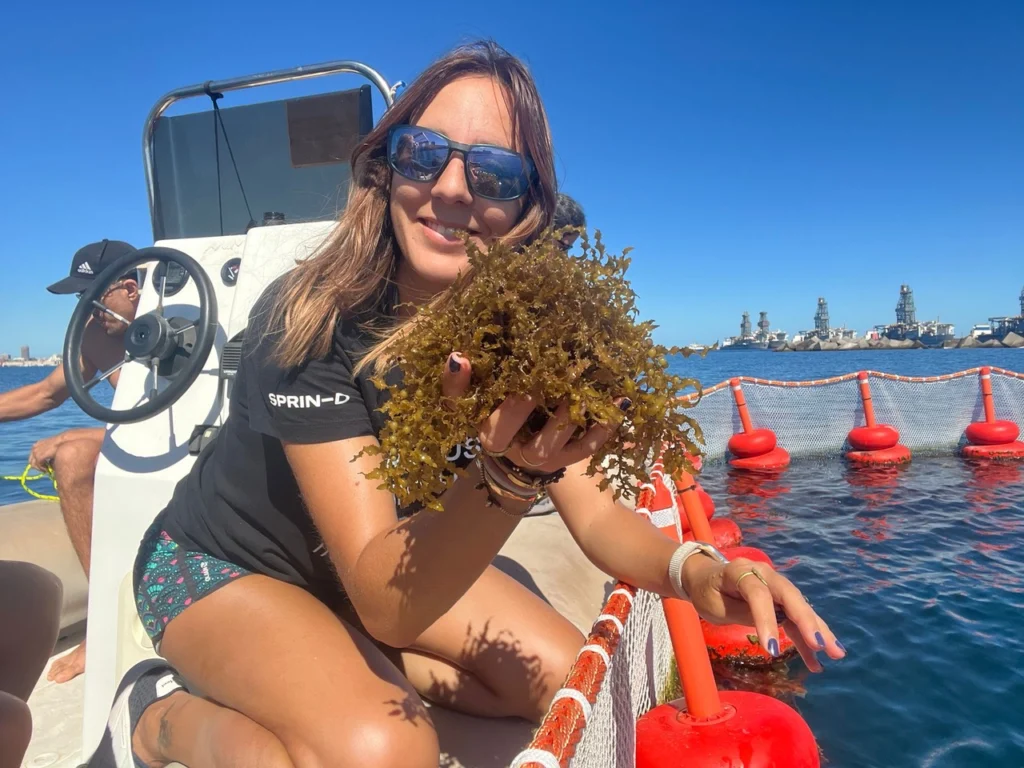
We chatted with a marine biologist about her exciting journey from academia to becoming an entrepreneur. Discover how her algae farm start-up came to life, learn about the concept, achievements, and challenges she faced, future plans, and finally her advice as well as her take on the importance of bridging the two worlds of academia and industry.  Dr. Mar Fernández-Méndez is a marine biologist ded ...[Read More]

Book Review: Blue Machine by Helen Czerski

Book Review: Blue Machine by Helen Czerski

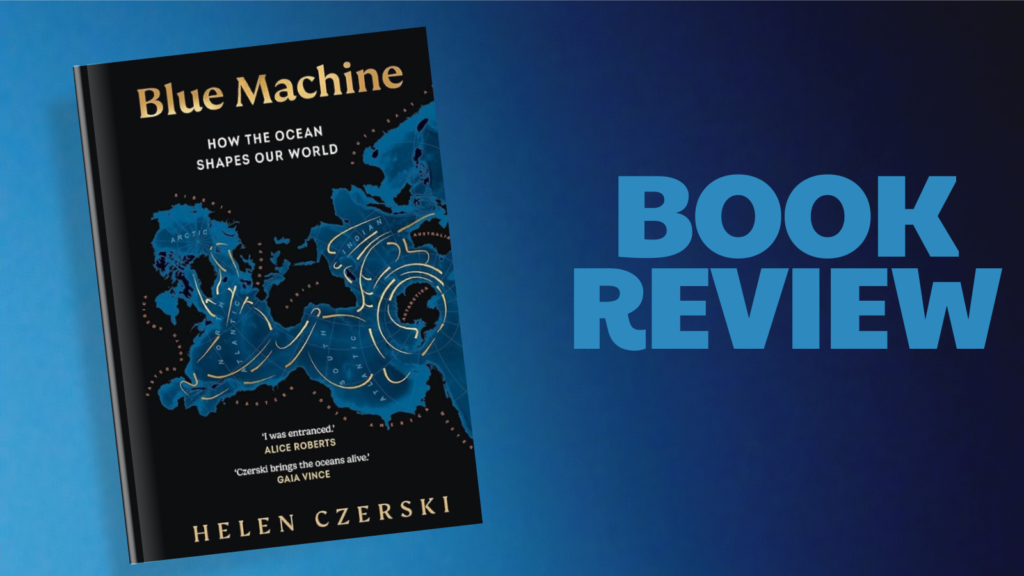
The engine that is Earth’s ocean takes sunlight and converts it into giant underwater currents and waterfalls, hauling around the ingredients for life: nutrients, oxygen and trace metals like potassium and iron, shaping our coasts and transporting heat.  In her book Blue Machine – How the Ocean Shapes Our World, physicist Helen Czerski takes readers on an enlightening journey through t ...[Read More]

Sailing for Science: How Data from Sailing Races Advances Ocean Research

Sailing for Science: How Data from Sailing Races Advances Ocean Research

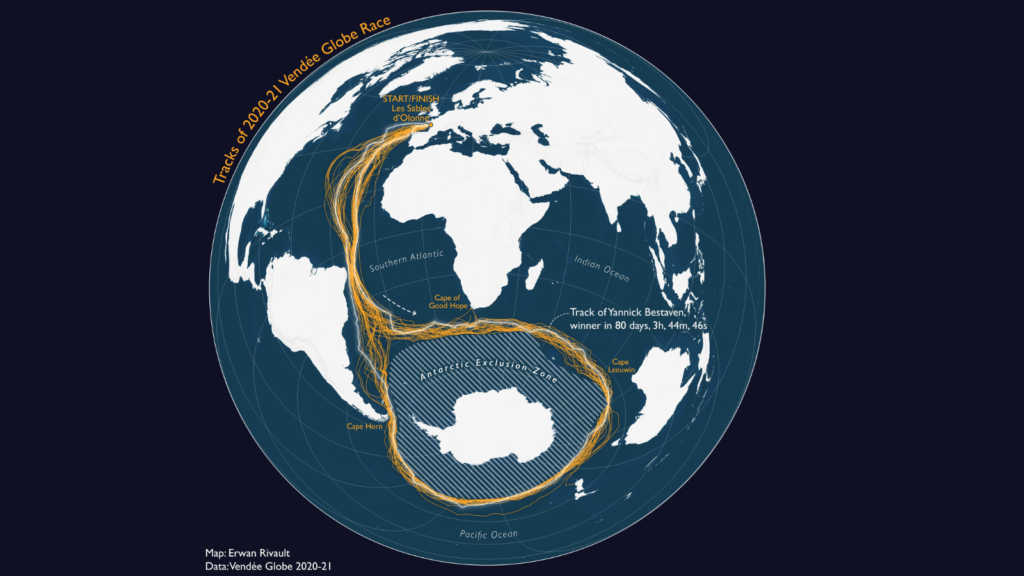
The Vendée Globe began on November 10th, with 44 participants embarking on the world’s toughest sailing race. This non-stop, single-handed round-the-world yacht race challenges skippers to circumnavigate the Southern Ocean. The race starts in France, traverses the North Atlantic, and heads directly into the Southern Ocean. Despite taking place during the austral summer, the conditions remain ...[Read More]

The Alarming Decline in Ocean CO2 Observations

The Alarming Decline in Ocean CO2 Observations

„observations not taken today are lost forever.“ (Wunsch et al., 2013) The Critical Need for CO2 Measurements Imagine the ocean as a giant lung, breathing in carbon dioxide (CO2) and helping to keep our planet cool. It absorbs about 25% of the CO2 emissions from human activities, playing a crucial role in mitigating the pace of climate change. But what happens when we lose sight of this process? B ...[Read More]

Welcome back to Ocean Sciences blog!

Welcome back to Ocean Sciences blog!

Welcome back, Ocean Sciences community! We have been quiet for a while, but we are happy to say we’re back! We have missed sharing the latest research, insights, stories, ideas and we are eager to present fresh content and exciting initiatives starting in September. In the following months, we have a range of exciting content lined up for the blog. We will be sharing interesting new research in oc ...[Read More]

A modern take on the 19th-century scientific expeditions: cruise MSM104/1

A modern take on the 19th-century scientific expeditions: cruise MSM104/1

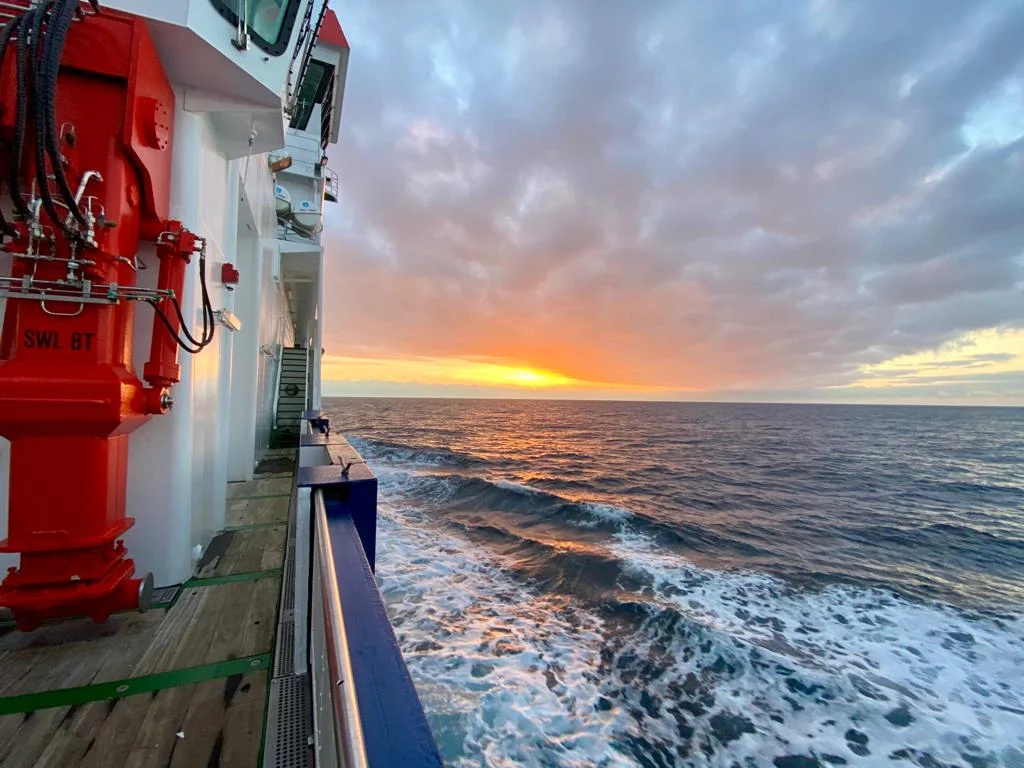
“Every ship that navigates the high seas, with these charts and blank abstract logs on board, may henceforth be regarded as a floating observatory, a temple of science.” Matthew Fontaine Maury This is a joint post, published together with the climate sciences division blog and the ocean sciences division blog. The ocean has always been important for humanity, with trade and war being just two exam ...[Read More]