OS
Ocean Sciences

oceanography

New Unified Interface for Existing Ocean Carbonate Chemistry Data Products

New Unified Interface for Existing Ocean Carbonate Chemistry Data Products

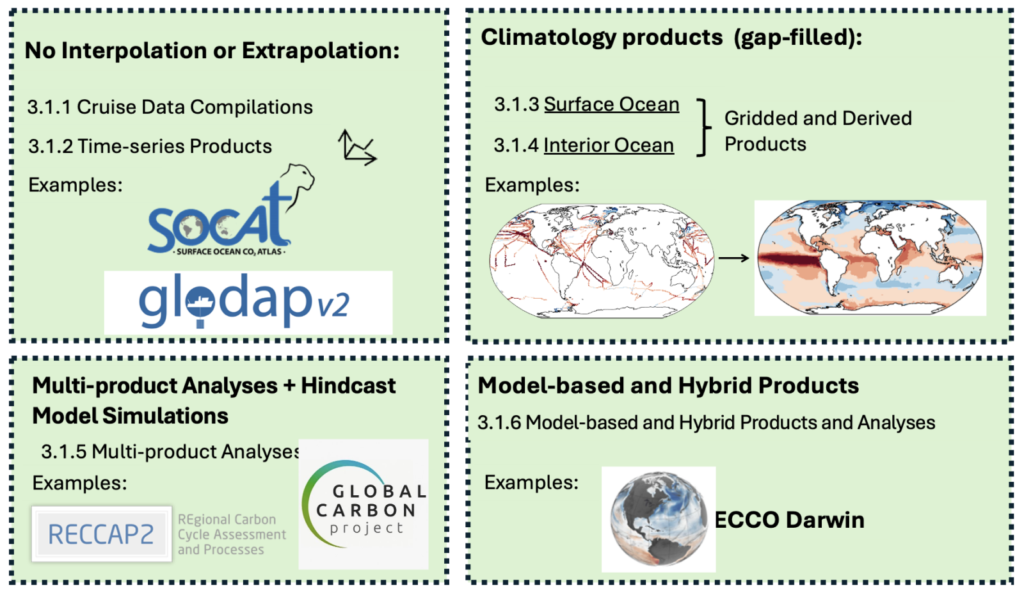
Here is a great resource for anyone working on ocean carbon: Jiang et al. (2026) compiled a comprehensive synthesis of data products for ocean carbonate chemistry — all in one place for you! The paper provides a comprehensive synthesis of 68 existing ocean carbonate chemistry data products and data product sets, including: 🛳️ Cruise-based Compilations 📈 Time-series Datasets 🗂️ Gap-filled Observati ...[Read More]

How atmospheric circulation patterns high above the Southern Ocean influence the deepest layers of the global ocean

How atmospheric circulation patterns high above the Southern Ocean influence the deepest layers of the global ocean

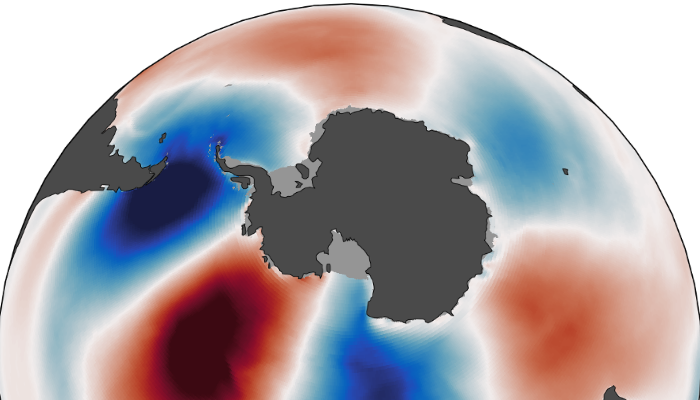
The ocean surrounding Antarctica plays a crucial role in the climate system. Along parts of the Antarctic coast, very cold and salty water becomes dense enough to sink all the way to the ocean floor. This process forms Antarctic Bottom Water: the deepest water mass in the global ocean, representing about 40% of its total volume. As this dense water sinks into the abyss, it helps trap heat and carb ...[Read More]

A synergy of observations: Filling the gaps in an ocean colour chlorophyll-a record

A synergy of observations: Filling the gaps in an ocean colour chlorophyll-a record

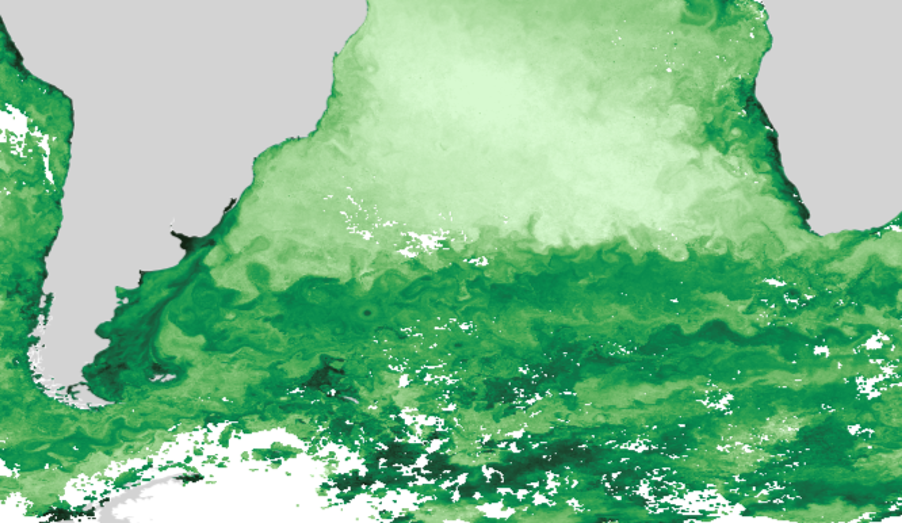
Chlorophyll-a (chl-a), as the dominant photosynthetic pigment within phytoplankton, provides an indication of the phytoplankton biomass and are essential for understanding global and regional changes in primary production in the oceans. Multiple ocean colour satellites have unlocked routine synoptical scale observations of chl-a which now extends from 1997 to the present day. Differing numbers of ...[Read More]

A Record-Breaking Indian Ocean Dipole: What Happened in 2021–2022?

A Record-Breaking Indian Ocean Dipole: What Happened in 2021–2022?

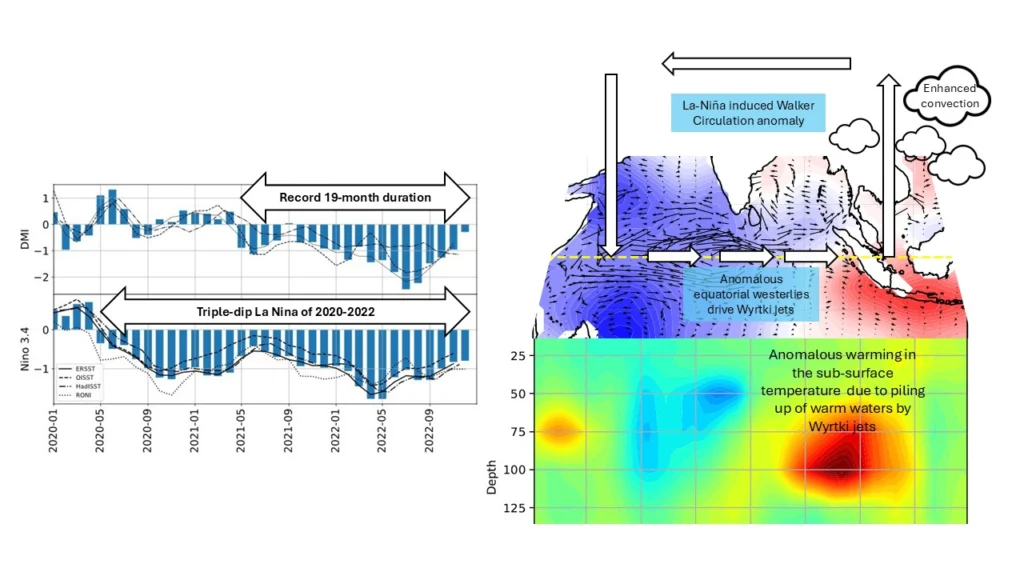
The Indian Ocean Dipole (IOD) is generally considered a seasonal mode of variability, developing and decaying within a single year. During 2021–2022, however, negative IOD conditions persisted for approximately 19 months (Figure 1, top left), making this event the longest—and among the strongest—observed since reliable records began. This unusual persistence highlights important aspects of ocean–a ...[Read More]