As climate change continues to reshape our oceans, science communication remains vital to the research and development of mitigation strategies. For scientists and engineers working on climate solutions, much of the conversation happens through technical papers, conference presentations, and policy memos. But invested communities outside these circles may have little access and limited time to …[Read More]
Ocean Sciences
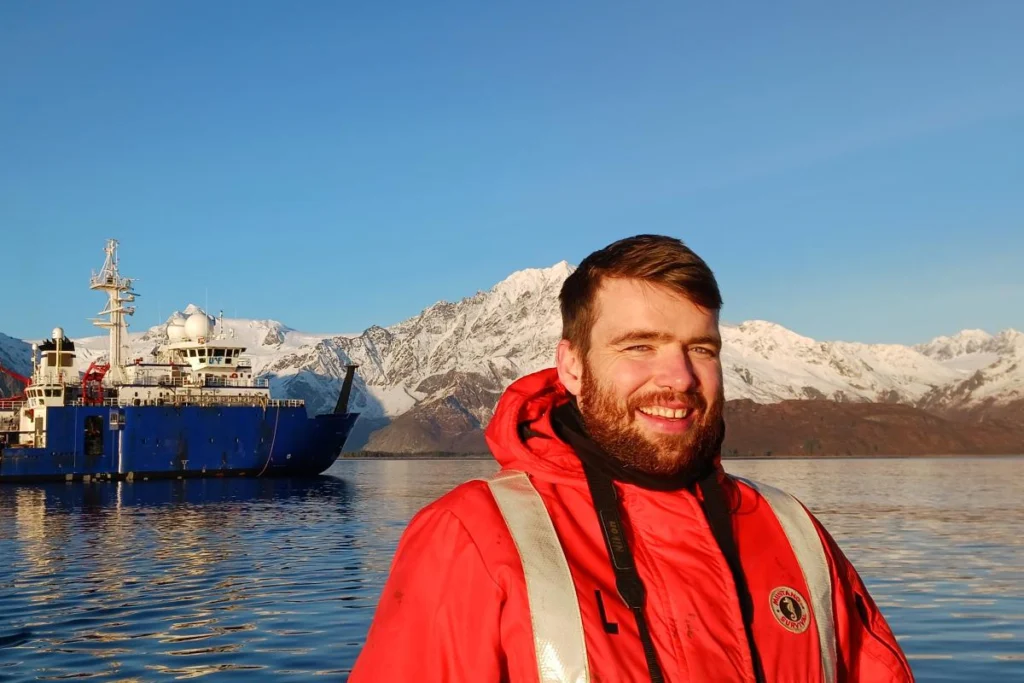
Where Freshwater Meets the Fjord: Researching Carbon in a Changing Arctic
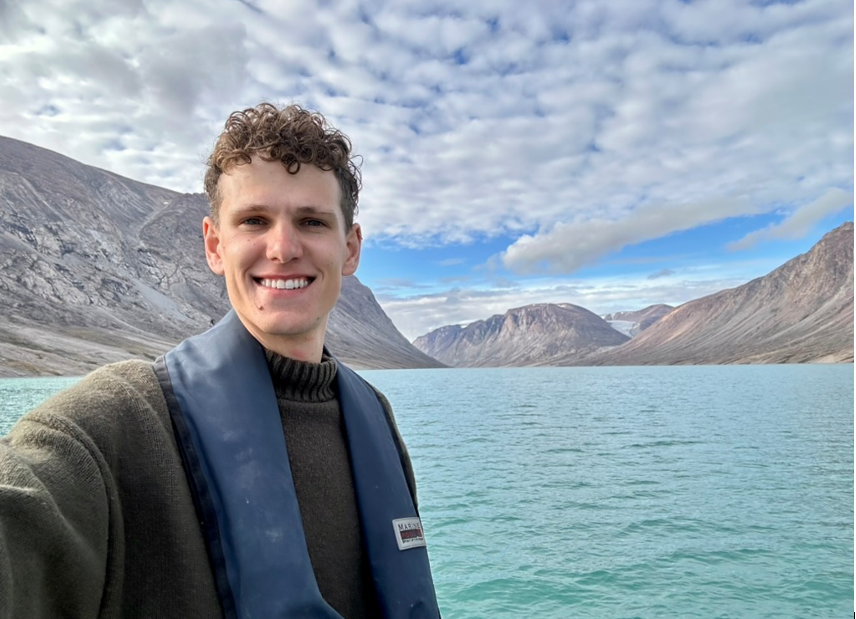
We sat down with Henry Henson, a PhD student at Aarhus University, whose path led from an early love of nature to studying the frontlines of climate change in the Arctic. Henry works with both Aarhus University’s Arctic Research Centre and the Greenland Climate Research Centre in Nuuk, exploring how Greenland’s coastal oceans absorb CO2 …[Read More]
The Untapped Potential of Citizen Science Onboard Expedition Cruise Vessels
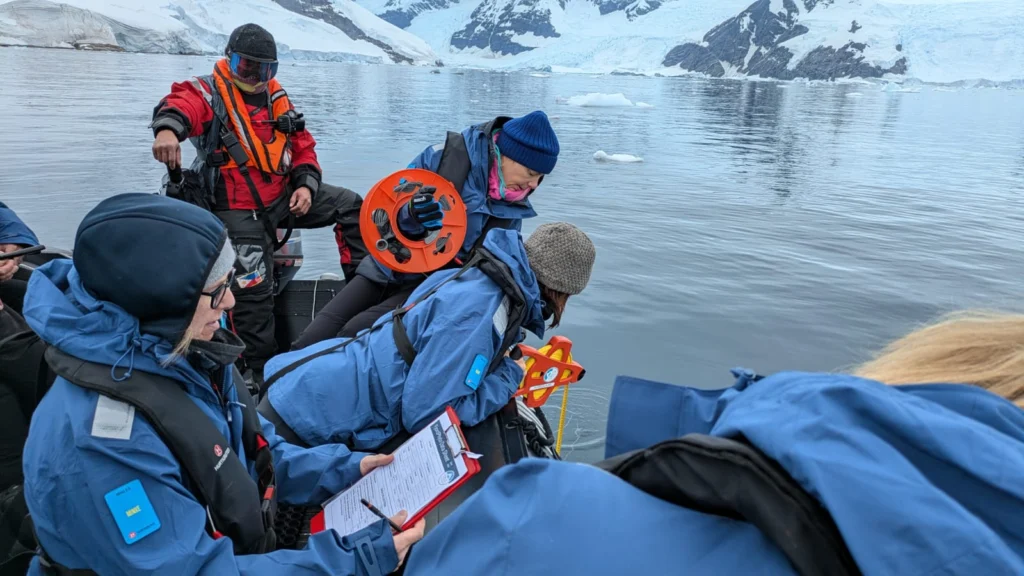
Scientific work can be done not only by professional scientists but also by the general public, often in collaboration with scientific institutions. At HX Expeditions, citizens have the opportunity to contribute to scientific projects on expedition cruises. Join us as we hear from Holly Stainton, the Science & Education Coordinator at MS Roald Amundsen and …[Read More]
Monitoring the Ocean’s Green Pulse: A New Global Dataset for Phytoplankton Phenology
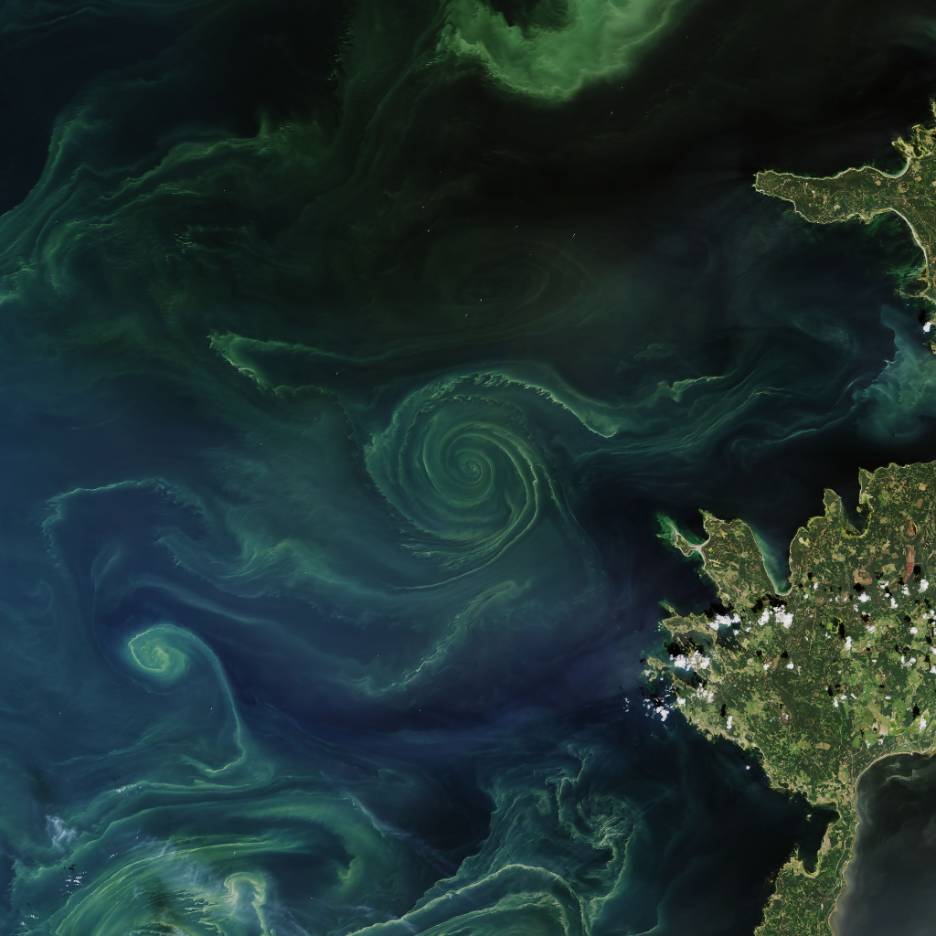
Phytoplankton are tiny, single-celled organisms mainly found in the ocean’s sunlit surface, where they grow through photosynthesis, forming the marine food web’s base and regulating Earth’s climate by absorbing carbon dioxide. Their seasonal growth cycles—known as “blooms”—drive marine productivity and influence everything from carbon uptake to food security. But how can we track these blooms …[Read More]
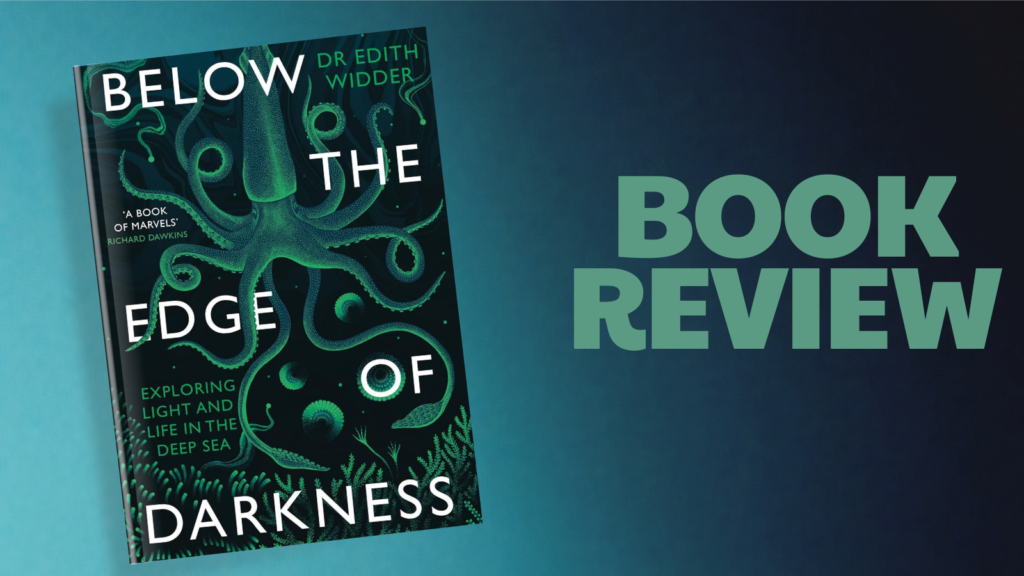
Book Review: Below the Edge of Darkness by Edith Widder
Welcome to our new blog series, where we explore the fascinating world of oceanography through the lens of literature. Each post will feature book recommendations that involve the wonders of the ocean, from the imaginative realms of maritime science fiction to the educational pages of science nonfiction. Like Captain Ahab chasing Moby Dick, we’ll hunt …[Read More]
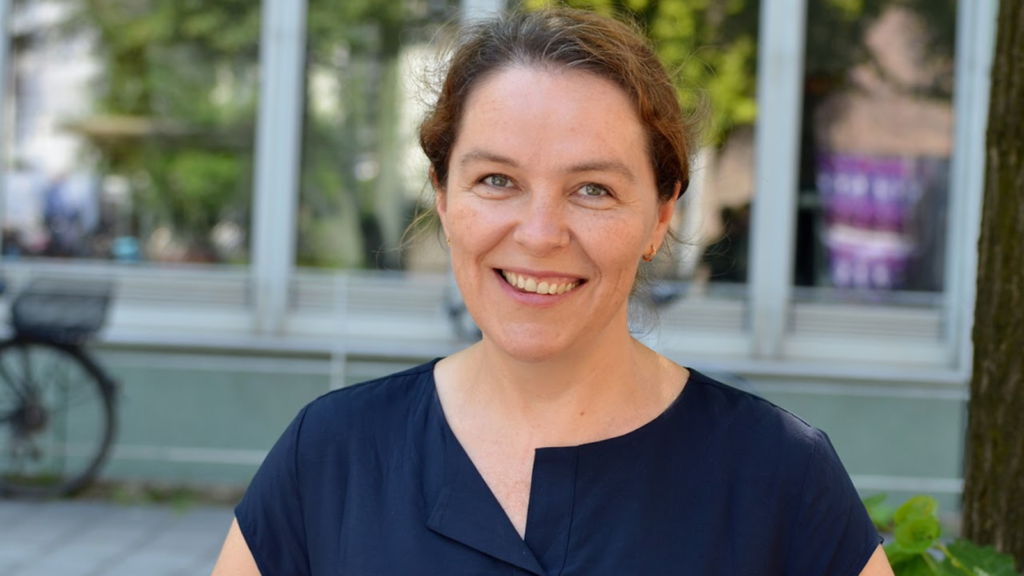
Jens Terhaar Receives the Division Outstanding Early Career Scientist Award – About His Career and Work
Jens Terhaar received the 2025 Division Outstanding Early Career Scientist Award for his research on the ocean carbon cycle and its effects on climate. We spoke with him about his career path and the work that led to this award. Since completing his PhD in 2019, Jens has made a name for himself with many publications and …[Read More]
Tatiana Ilyina Receives the Fridtjof Nansen Medal – About Her Career and Work
Tatiana Ilyina received the Fridtjof Nansen Medal from the European Geosciences Union (EGU) for her outstanding research in oceanography. We spoke with her about her career path and the work that led to this award. Here’s what you should know about her. Tatiana Ilyina studied Meteorology/Oceanography during her PhD at the University of Hamburg, continued as …[Read More]
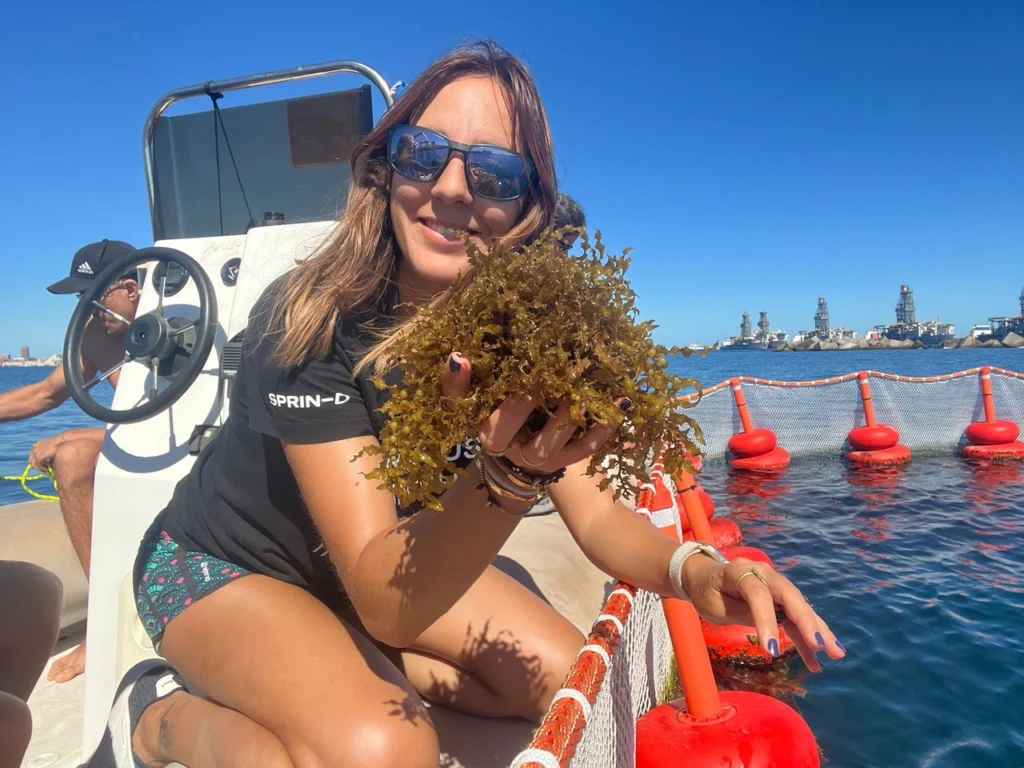
From Academic Research to Start-Up: A Marine Biologist’s Algae Farming Vision
We chatted with a marine biologist about her exciting journey from academia to becoming an entrepreneur. Discover how her algae farm start-up came to life, learn about the concept, achievements, and challenges she faced, future plans, and finally her advice as well as her take on the importance of bridging the two worlds of academia …[Read More]
Embark on an Auditory Scientific Adventure to the South Pole!
Alongside SUNNA, an oceanographic robot as daring as it is curious, you will dive into a frozen and hostile environment to uncover its secrets. Over the course of seven episodes, our hero will gather invaluable scientific data to better understand the workings of the ocean, meeting the familiar inhabitants of this environment along the way. …[Read More]
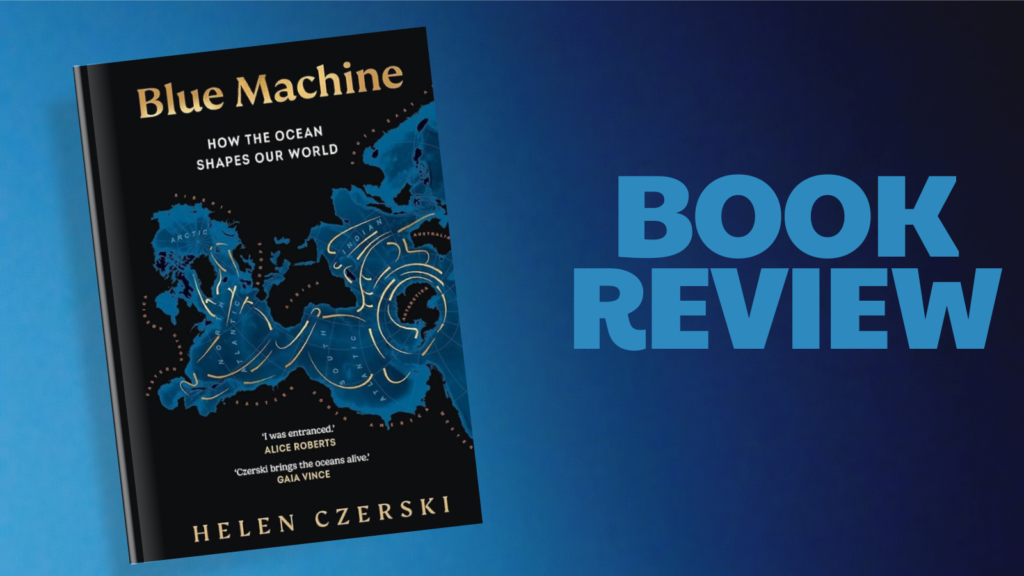
Book Review: Blue Machine by Helen Czerski
The engine that is Earth’s ocean takes sunlight and converts it into giant underwater currents and waterfalls, hauling around the ingredients for life: nutrients, oxygen and trace metals like potassium and iron, shaping our coasts and transporting heat. In her book Blue Machine – How the Ocean Shapes Our World, physicist Helen Czerski takes readers …[Read More]