Bad things happen… but they make for the best stories. This blog is for all the jinxed souls out there who seem to attract bad luck in academia. As conferences are the perfect stage, almost predestined to showcase our most embarrassing moments, we will start right there. This blog post is for everyone who shivers …[Read More]
Ocean Sciences
Sailing for Science: How Data from Sailing Races Advances Ocean Research
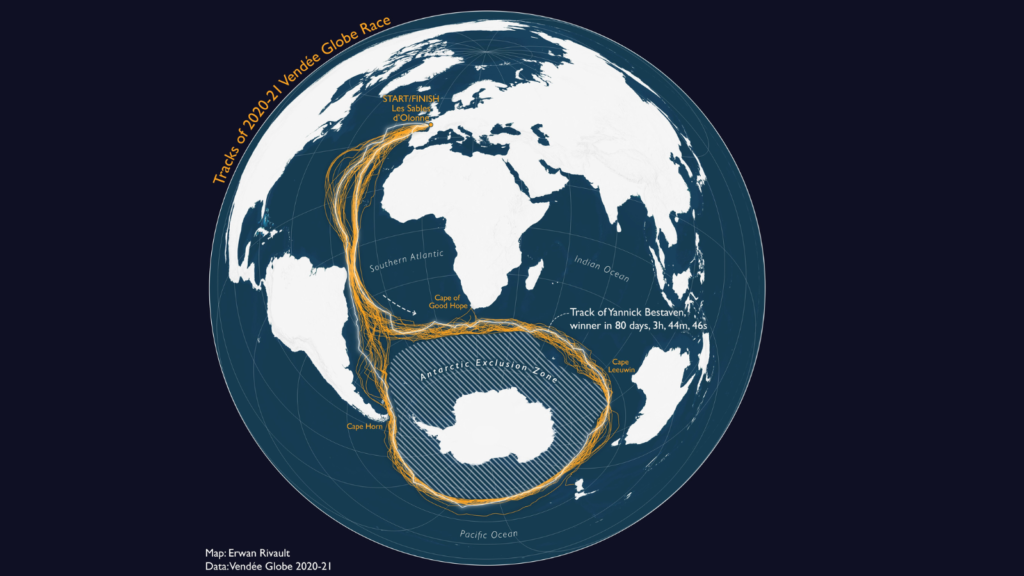
The Vendée Globe began on November 10th, with 44 participants embarking on the world’s toughest sailing race. This non-stop, single-handed round-the-world yacht race challenges skippers to circumnavigate the Southern Ocean. The race starts in France, traverses the North Atlantic, and heads directly into the Southern Ocean. Despite taking place during the austral summer, the conditions …[Read More]
The Alarming Decline in Ocean CO2 Observations
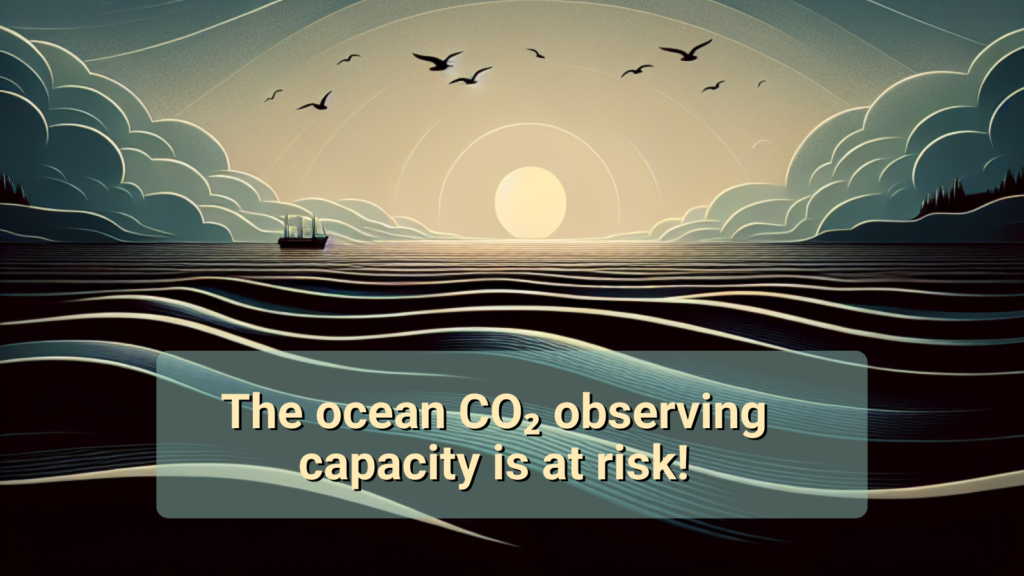
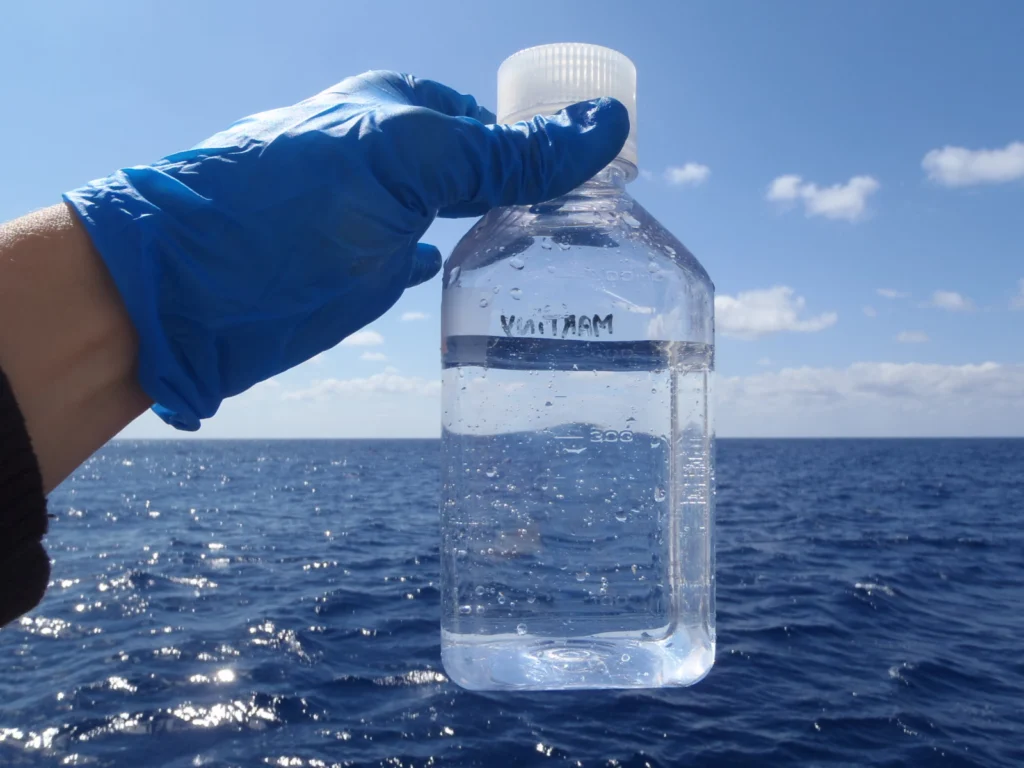
„observations not taken today are lost forever.“ (Wunsch et al., 2013) The Critical Need for CO2 Measurements Imagine the ocean as a giant lung, breathing in carbon dioxide (CO2) and helping to keep our planet cool. It absorbs about 25% of the CO2 emissions from human activities, playing a crucial role in mitigating the pace …[Read More]
Welcome back to Ocean Sciences blog!
Welcome back, Ocean Sciences community! We have been quiet for a while, but we are happy to say we’re back! We have missed sharing the latest research, insights, stories, ideas and we are eager to present fresh content and exciting initiatives starting in September. In the following months, we have a range of exciting content …[Read More]
A modern take on the 19th-century scientific expeditions: cruise MSM104/1
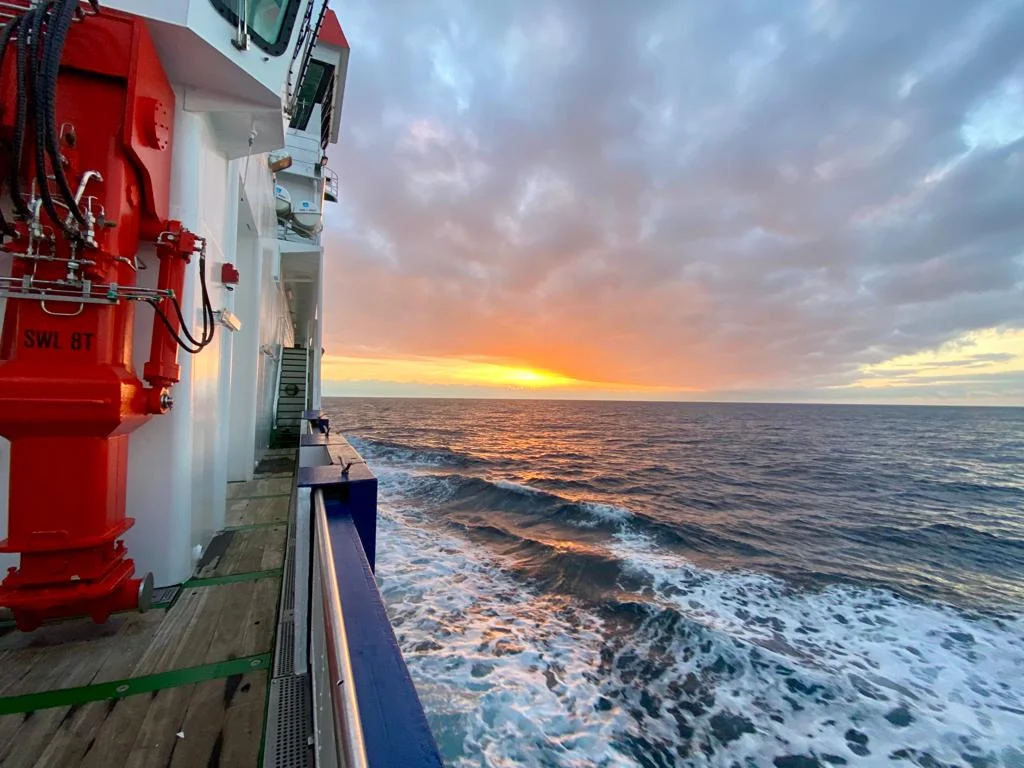
“Every ship that navigates the high seas, with these charts and blank abstract logs on board, may henceforth be regarded as a floating observatory, a temple of science.” Matthew Fontaine Maury This is a joint post, published together with the climate sciences division blog and the ocean sciences division blog. The ocean has always been …[Read More]
OceanTalk with Karen J. Heywood
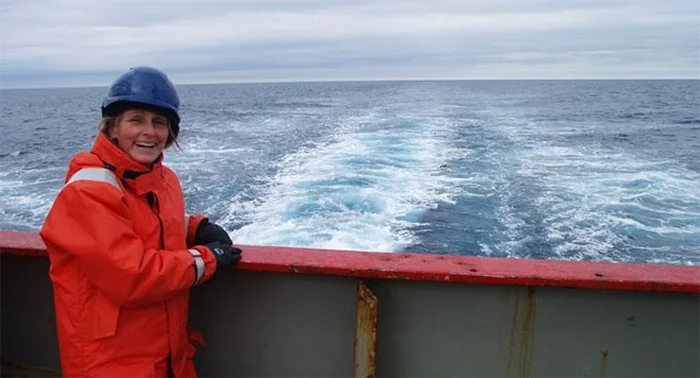
Karen J. Heywood FRS is a Professor of Physical Oceanography at the University of East Anglia, UK. Karen was president of EGU’s Ocean Sciences division from 2016-2021. Can you tell us about your background and career path? I did a physics degree back in the early 1980’s, and then wanted to apply that to something …[Read More]
The fragile connection of the Ocean and the Cryosphere – a story from the past
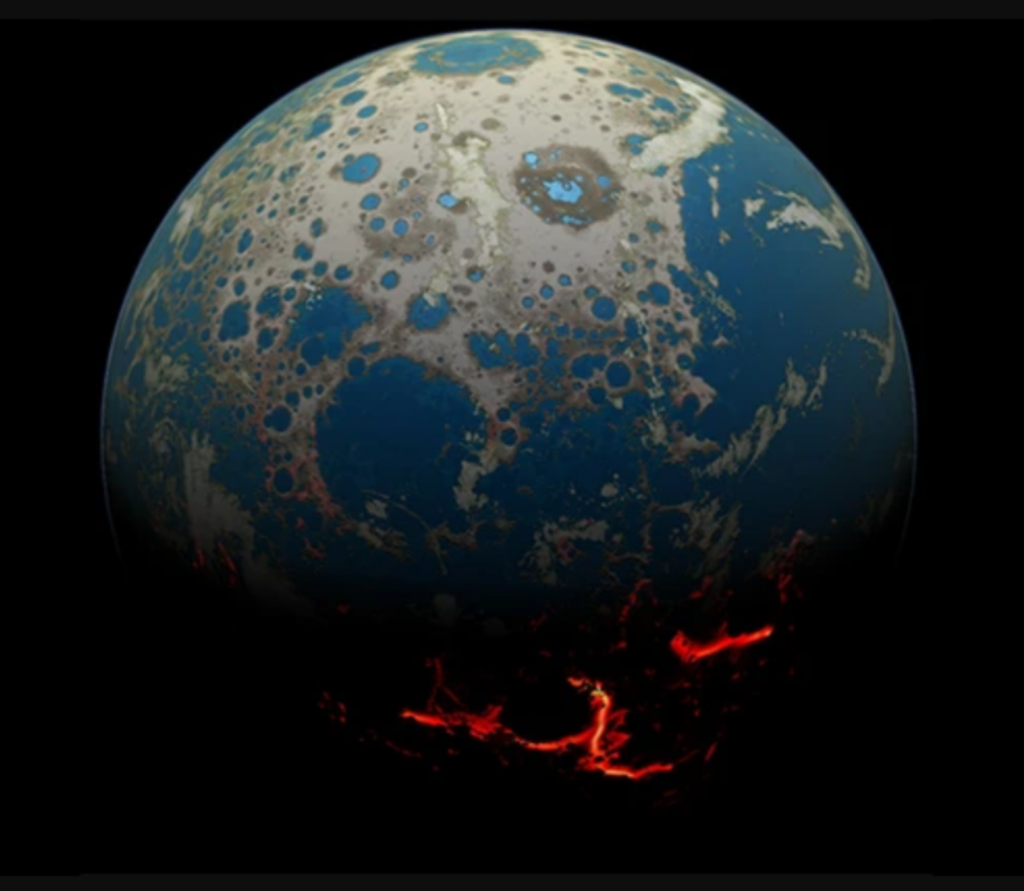
Compared to the formation and evolution of the Earth’s surface, the ancient oceans receive little attention in geological history. However, understanding the rise and fall of the oceans of the past—or “ghost oceans”—can reveal crucial information about the evolution of our planet, the cryosphere included. Can oceans play a historical role in climate change? If …[Read More]
Connecting the Networks for a better Understanding of the Ocean
Research in many scientific disciplines can be done singlehandedly by learning from the printed pages, solving complex equations and analyzing the data while sitting alone in an office. But observational ocean science research demands an involved team effort to get meaningful insights of the ocean. This is primarily because: The Ocean is vast – it …[Read More]
Call for nominations for the EGU medals & awards 2022
Deadline for EGU awards & medals nomination is quickly approaching 15 June 2021 The Ocean Sciences Division awards the Fridtjof Nansen Medal and the Outstanding Early Career Scientist Award. Both recognize researchers that made a remarkable contribution to the field of oceanography. Think about colleagues who contributed to the field of Ocean Sciences and deserve …[Read More]
OceanTalk with Richard J. Greatbatch
Richard J. Greatbatch has been awarded the 2020 Fridtjof Nansen Medal for his distinguished research in oceanography. At vEGU21 he gave his medal lecture titled ‘From the North Atlantic Oscillation to the Tropics and back’. Richard, was becoming a scientist your career plan when you were a mathematician student? Yes, I always wanted to be a …[Read More]