OS
Ocean Sciences

OS Research

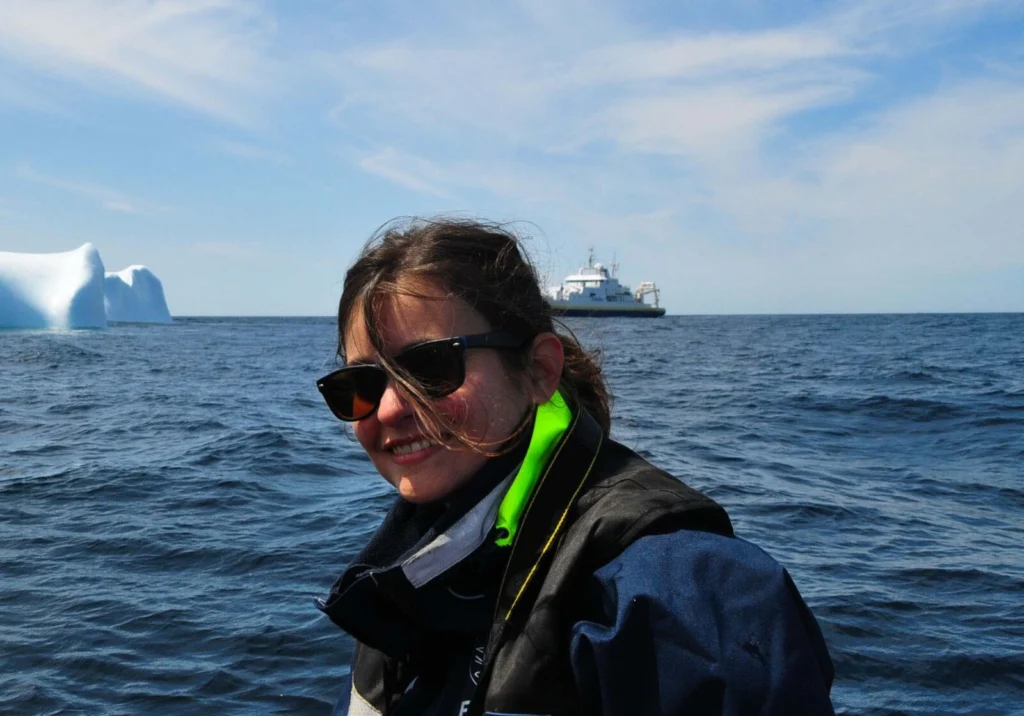
Meet Tillys Petit, EGU Ocean Sciences’ 2026 Outstanding Early Career Scientist Award Winner!

Meet Tillys Petit, EGU Ocean Sciences’ 2026 Outstanding Early Career Scientist Award Winner!

On Monday 4 May, Tillys Petit delivered the OS Division Outstanding Early Career Scientist Award Lecture at EGU 2026 in Vienna. We chatted with her about the hidden engines driving the Atlantic Meridional Overturning Circulation, and why that matters for the future of our climate. Spoiler: it’s not just about the Labrador Sea! 🌊 Can you share your career journey with us? Did you always dream ...[Read More]

Beyond wind speed: what really controls air-sea gas exchange?

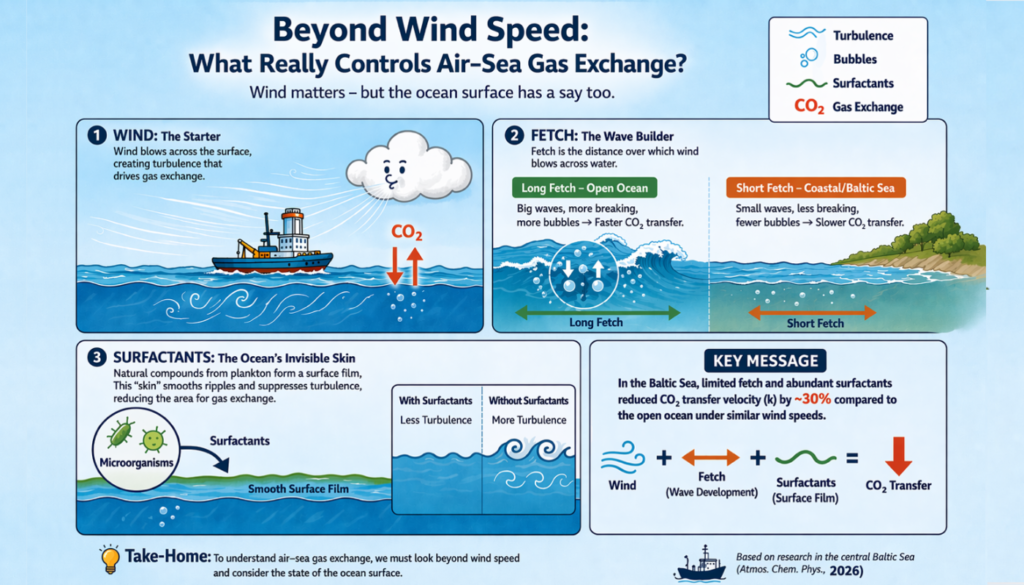
Beyond wind speed: what really controls air-sea gas exchange?

When we think about what drives air-sea gas exchange (such as CO2), wind usually gets all the credit. Strong winds stir the surface, enhance turbulence, and speed up gas transfer. But a new study in Atmospheric Chemistry and Physics shows there is more to the story: CO2 exchange does not just follow the wind, it is also directly affected by surface conditions (Fig. 1). Using the eddy covariance te ...[Read More]

New Unified Interface for Existing Ocean Carbonate Chemistry Data Products

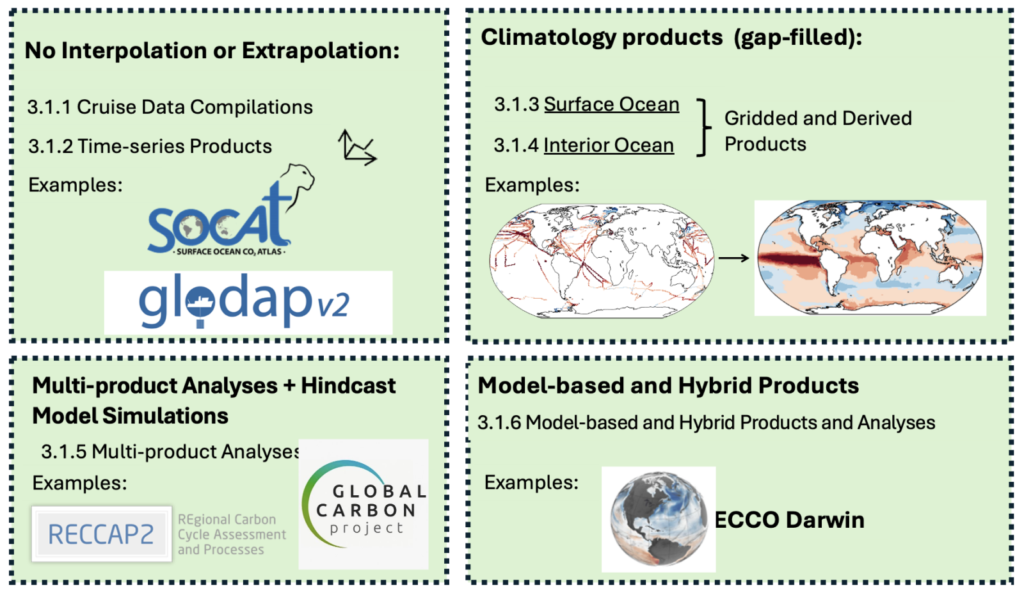
New Unified Interface for Existing Ocean Carbonate Chemistry Data Products

Here is a great resource for anyone working on ocean carbon: Jiang et al. (2026) compiled a comprehensive synthesis of data products for ocean carbonate chemistry — all in one place for you! The paper provides a comprehensive synthesis of 68 existing ocean carbonate chemistry data products and data product sets, including: 🛳️ Cruise-based Compilations 📈 Time-series Datasets 🗂️ Gap-filled Observati ...[Read More]

How atmospheric circulation patterns high above the Southern Ocean influence the deepest layers of the global ocean

How atmospheric circulation patterns high above the Southern Ocean influence the deepest layers of the global ocean

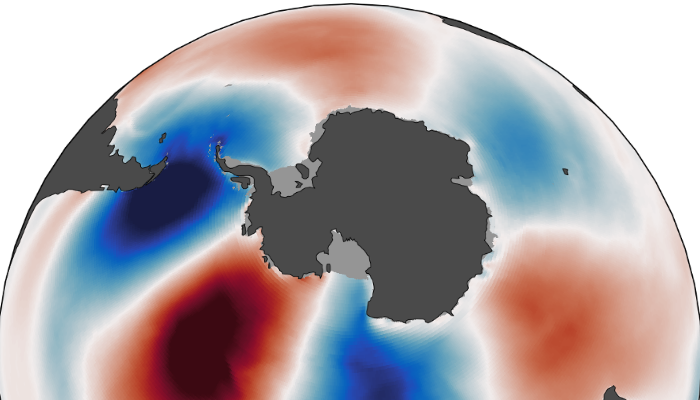
The ocean surrounding Antarctica plays a crucial role in the climate system. Along parts of the Antarctic coast, very cold and salty water becomes dense enough to sink all the way to the ocean floor. This process forms Antarctic Bottom Water: the deepest water mass in the global ocean, representing about 40% of its total volume. As this dense water sinks into the abyss, it helps trap heat and carb ...[Read More]