NP
Nonlinear Processes in Geosciences

NP Division

Perspectives on Climate Science: from historical developments to research frontiers
Perspectives on Climate Science: from historical developments to research frontiers
Breaking news: a bizarre early-September snowstorm dumped snow from Montana to New Mexico, a medicane hit Southern Italian regions and Greece, heatwaves and droughts are expected to increase in the future… These extreme events are becoming more and more frequent and one question spontaneously arises: is climate change making the weather more extreme? This is one of the reasons why climate change i ...[Read More]

NPG Paper of the Month: “Beyond univariate calibration: verifying spatial structure in ensembles of forecast fields”

NPG Paper of the Month: “Beyond univariate calibration: verifying spatial structure in ensembles of forecast fields”

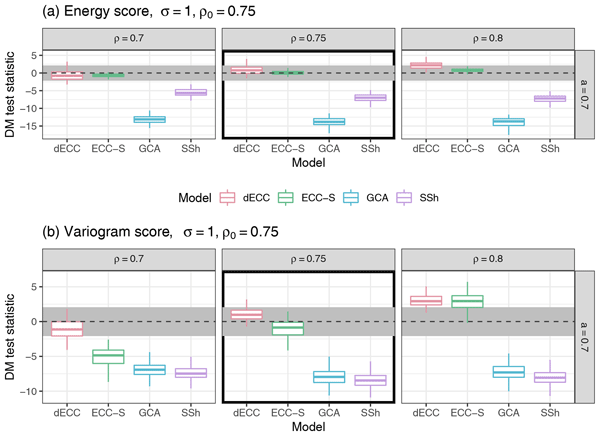
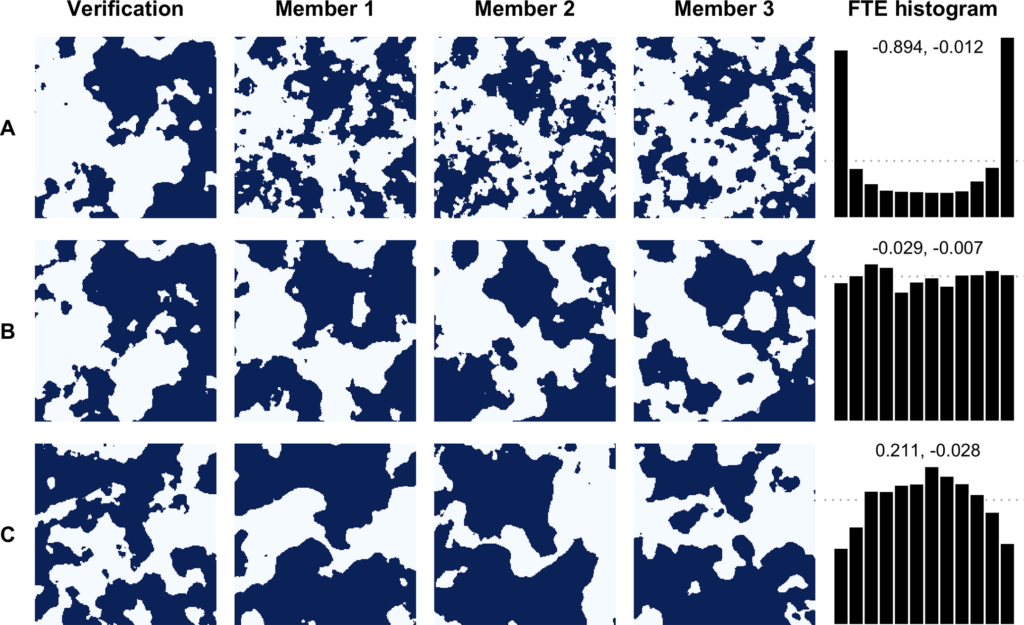
The August 2020 NPG Paper of the Month award goes to Josh Jacobson and colleagues for their paper “Beyond univariate calibration: verifying spatial structure in ensembles of forecast fields” (https://doi.org/10.5194/npg-27-411-2020). The ability to know the future has long been sought after and coveted. Yet, in contrast to prophecies and crystal balls, modern methods of prediction are ...[Read More]

NPG Paper of the Month: “Simulation-based comparison of multivariate ensemble post-processing methods”

NPG Paper of the Month: “Simulation-based comparison of multivariate ensemble post-processing methods”

The June 2020 NPG Paper of the Month award goes to Sebastian Lerch and colleagues for their paper “Simulation-based comparison of multivariate ensemble post-processing methods” (https://doi.org/10.5194/npg-27-349-2020). Sebastian Lerch is a researcher at the Faculty of Mathematics of the Karlsruhe Institute Technology (KIT). He has a background in mathematics and statistics, his resear ...[Read More]

NPG Paper of the Month “Anthropocene climate bifurcation”

NPG Paper of the Month “Anthropocene climate bifurcation”

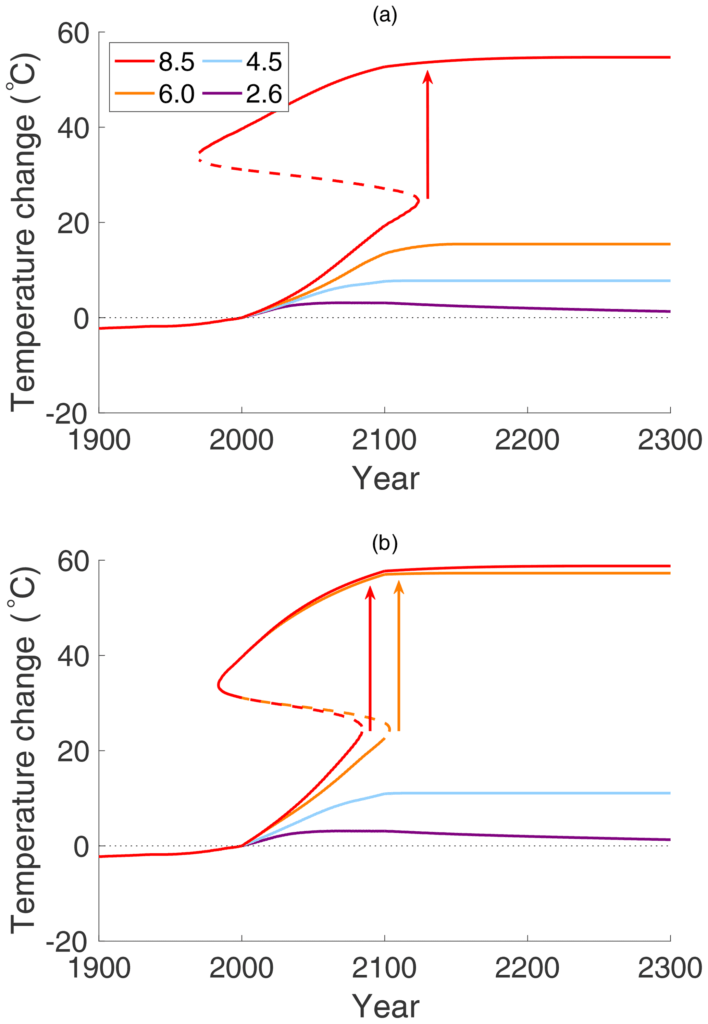
The July 2020 NPG Paper of the Month award goes to Kolja Kypke, William Langford and Allan Willms, for their paper “Anthropocene climate bifurcation” (https://doi.org/10.5194/npg-27-391-2020). All three authors work at the University of Guelph, in Guelph, Ontario, Canada. William Langford did his PhD at the California Institute of Technology in 1971 under the supervision of Herbert Kel ...[Read More]

NPG Paper of the Month: “Correcting for model changes in statistical postprocessing – an approach based on response theory”

NPG Paper of the Month: “Correcting for model changes in statistical postprocessing – an approach based on response theory”

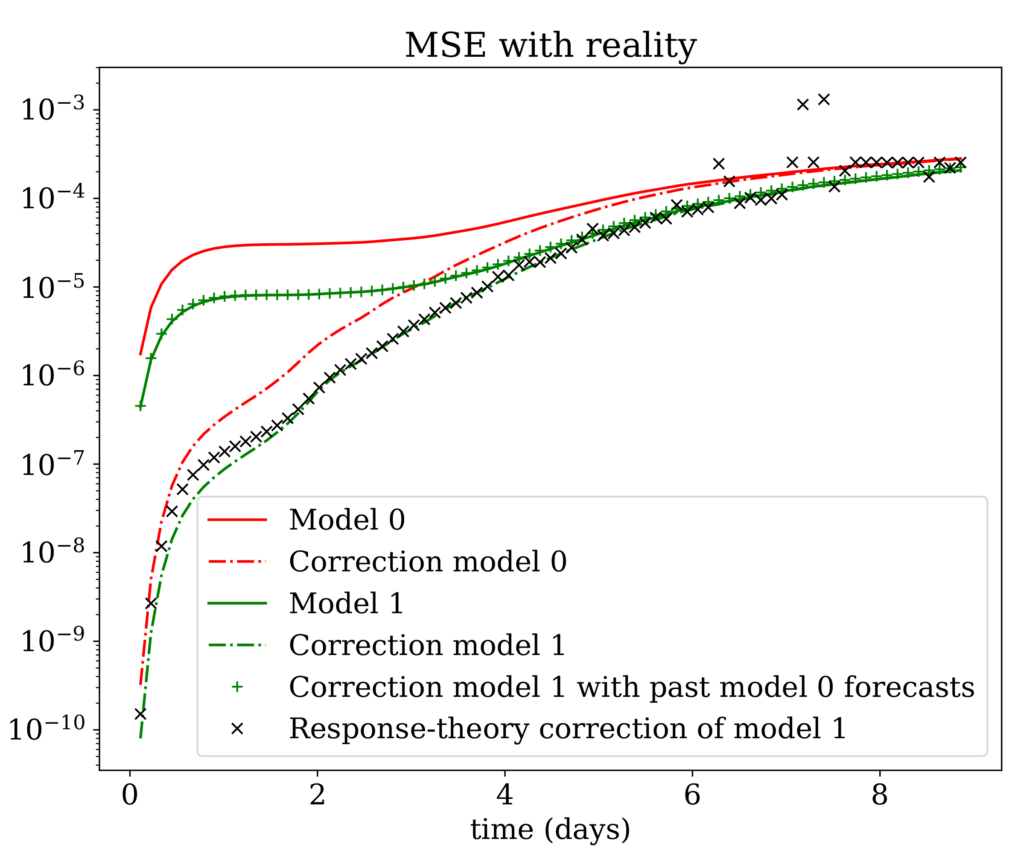
This month the NPG Paper of the Month award is achieved by Jonathan Deameyer and Stéphane Vannitsem for their paper “Correcting for model changes in statistical postprocessing – an approach based on response theory” (https://doi.org/10.5194/npg-27-307-2020). Jonathan did his PhD in statistical mechanics at the Université Libre de Bruxelles under the supervision of Pierre Gaspard and he is currentl ...[Read More]

NPG Paper Highlight: “Baroclinic and barotropic instabilities in planetary atmospheres: energetics, equilibration and adjustment”

NPG Paper Highlight: “Baroclinic and barotropic instabilities in planetary atmospheres: energetics, equilibration and adjustment”

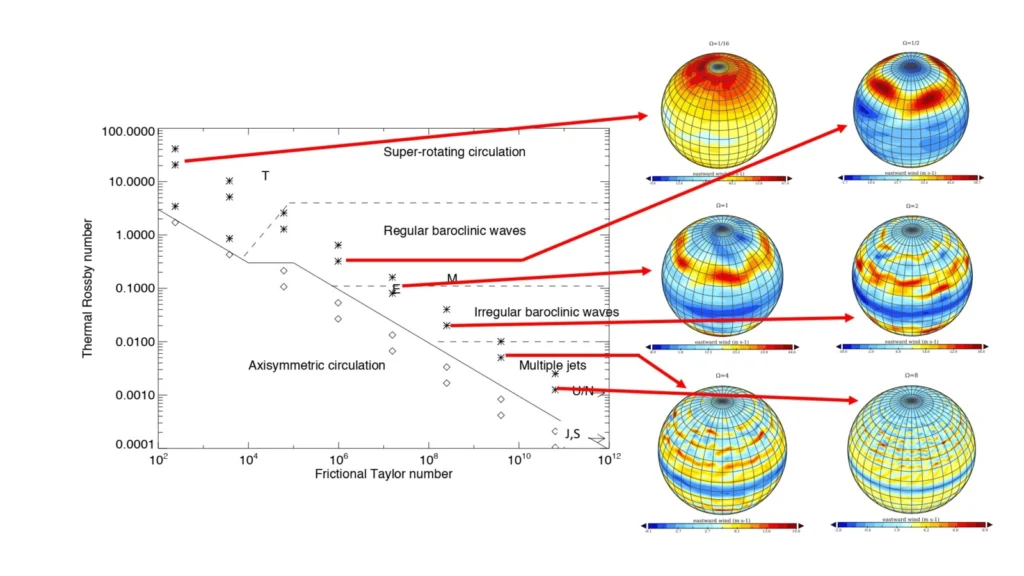
Today’s our blog hosts a review article by the 2016 EGU Richardson medallist Peter Read, together with Daniel Kennedy, Neil Lewis, Hélène Scolan, Fachreddin Tabataba-Vakili, YixiongWang, Susie Wright, and Roland Young for the special issue of NPG celebrating 100 years of IUGG (https://npg.copernicus.org/articles/27/147/2020/npg-27-147-2020.html). One of the great achievements of the past 100 ...[Read More]

NPG Paper of the Month: “Detecting dynamical anomalies in time series from different palaeoclimate proxy archives using windowed recurrence network analysis”

NPG Paper of the Month: “Detecting dynamical anomalies in time series from different palaeoclimate proxy archives using windowed recurrence network analysis”

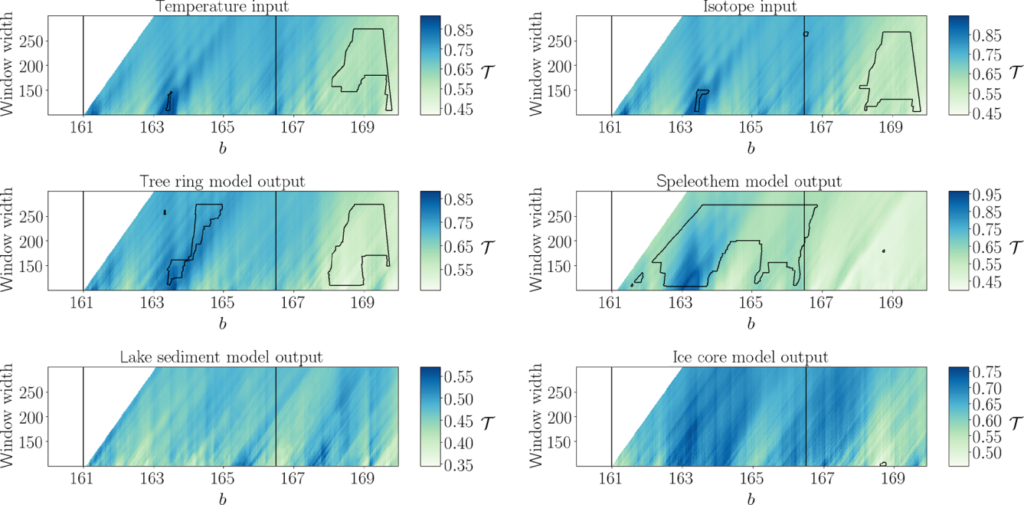
This month the NPG Paper of the Month award is achieved by Jaqueline Lekscha and Reik Donner for their paper “Detecting dynamical anomalies in time series from different palaeoclimate proxy archives using windowed recurrence network analysis” (https://npg.copernicus.org/articles/27/261/2020/). Jaqueline Lekscha did her PhD in physics at the Potsdam Institute for Climate Impact Research and Humbold ...[Read More]

NP Interviews: the 2020 Lewis Fry Richardson Medal Valerio Lucarini

NP Interviews: the 2020 Lewis Fry Richardson Medal Valerio Lucarini

Today’s NP Interviews hosts the 2020 Lewis Fry Richardson Medal Valerio Lucarini. Valerio (b. Ancona, Italy, 1976) is the Director of the Centre for the Mathematics of Planet Earth and Professor of Statistical Mechanics at the University of Reading, and former Professor of Theoretical Meteorology at the University of Hamburg. His main expertise is in Climate Dynamics, Extreme Events, Statist ...[Read More]

NPG Paper of the Month: “Application of a local attractor dimension to reduced space strongly coupled data assimilation for chaotic multiscale systems”

NPG Paper of the Month: “Application of a local attractor dimension to reduced space strongly coupled data assimilation for chaotic multiscale systems”

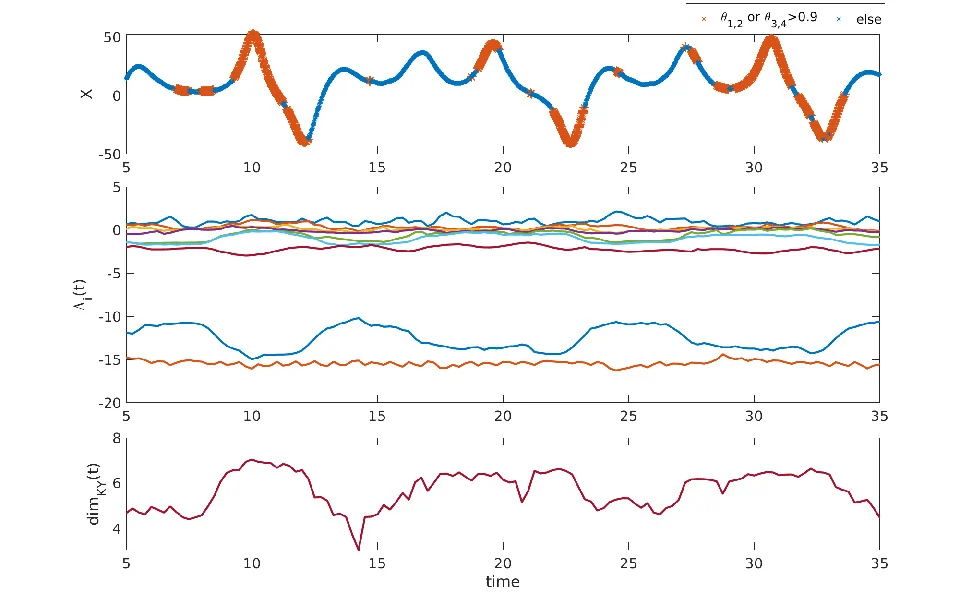
This month the NPG Paper of the Month award is achieved by Courtney Quinn for her paper “Application of a local attractor dimension to reduced space strongly coupled data assimilation for chaotic multiscale systems” (https://www.nonlin-processes-geophys.net/27/51/2020/). Dr. Courtney obtained her PhD in Mathematics at the University of Exeter (UK) researching critical transitions in dynamical syst ...[Read More]

June Heatwave 2019: can we attribute the event to anthropogenic emission?

June Heatwave 2019: can we attribute the event to anthropogenic emission?

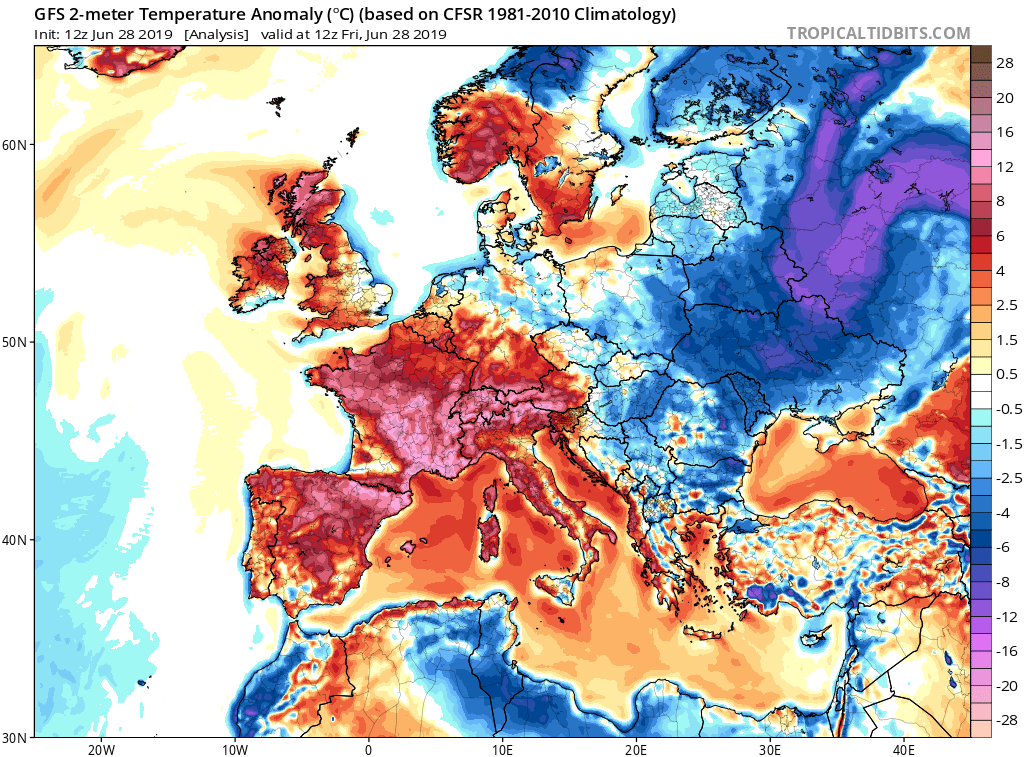
If August Rodin had lived nowadays, he would have placed his gates of hell (la Porte de l’Enfer) in Gallargues-le-Montueux, where the absolute French temperature record (45.9 °C) was set on June 28th this year. The last week of June has been very hot, not only in the south of France, but overall central Europe: in the Alps, some locations such as Chamonix (France) and Aosta (Italy) experienced tem ...[Read More]