NP
Nonlinear Processes in Geosciences

Global warming

Sea level rise: a global threat in a warming planet

Sea level rise: a global threat in a warming planet
Over 70% of the Earth’s surface is covered by seas and oceans but in the geological past the extension of sea and land has varied several times as sea level changed over time. During the past millions of years, the oceans have cyclically retreated and expanded with the alternating of warmer and colder climatic periods in consequence of the astronomical motions of the Earth, repeatedly changi ...[Read More]

Can Artificial Intelligence replace scientists to explain Climate Change? Find it out in our first interview to… ChatGPT!

Can Artificial Intelligence replace scientists to explain Climate Change?  Find it out in our first interview to…  ChatGPT!

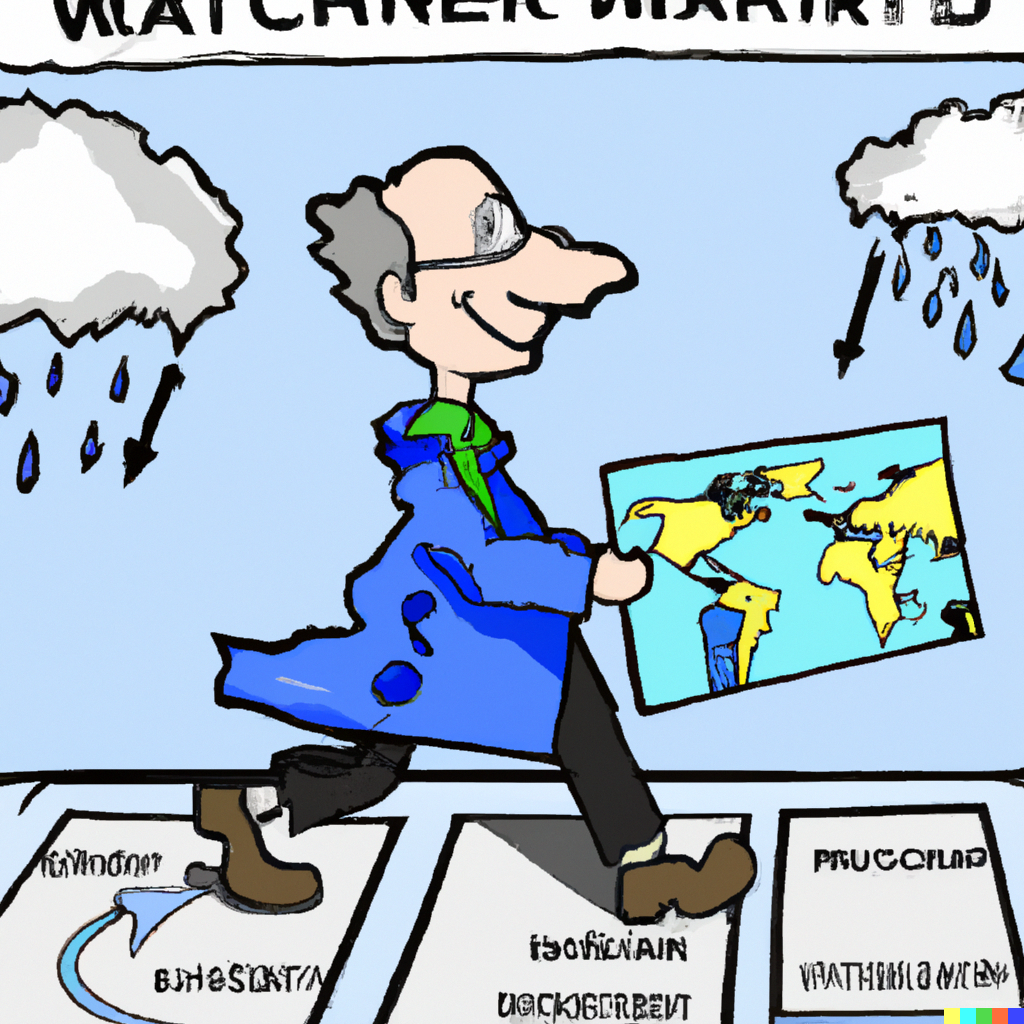
Figure: DallE (the visual cousin of ChatGPT) has produced this image when I asked for “a cartoon showing a climatologist with research articles walking on a weather map”   As a communication officer of the division of Nonlinear Processes I started to write posts for the EGU blog a few years ago and I found it a very difficult task: one has to find the right scientific sources about arguments ...[Read More]

NP Interview: Federico Grazzini on Climate Change casts shadows on the present and the future of the Mediterranean Basin

NP Interview: Federico Grazzini on Climate Change casts shadows on the present and the future of the Mediterranean Basin

Weather extreme events in the year 2022 are really hitting the  Mediterranean basin very hard. Since the beginning of the year we are observing a widespread drought, heatwaves but also severe thunderstorms. Few days before the COP meeting in Sharm-el-sheik we discussed one of the experts of Mediterranean climate, Federico Grazzini, to unveil whether these events can be linked to climate change. Fe ...[Read More]

What the 2022 summer thunderstorms in the Mediterranean tell us about the ongoing climate change?

What the 2022 summer thunderstorms in the Mediterranean tell us about the ongoing climate change?

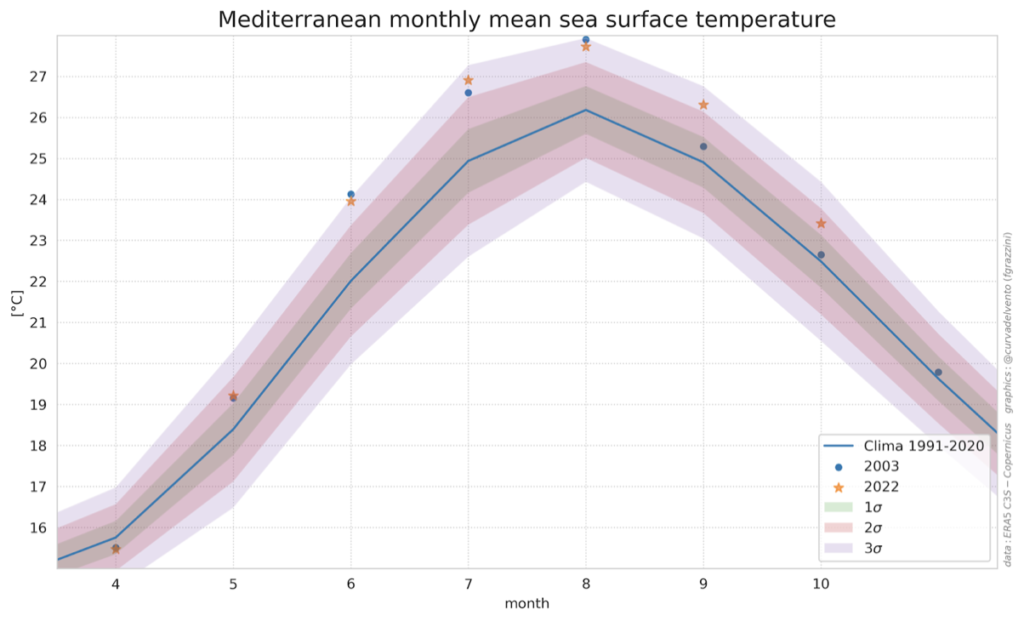
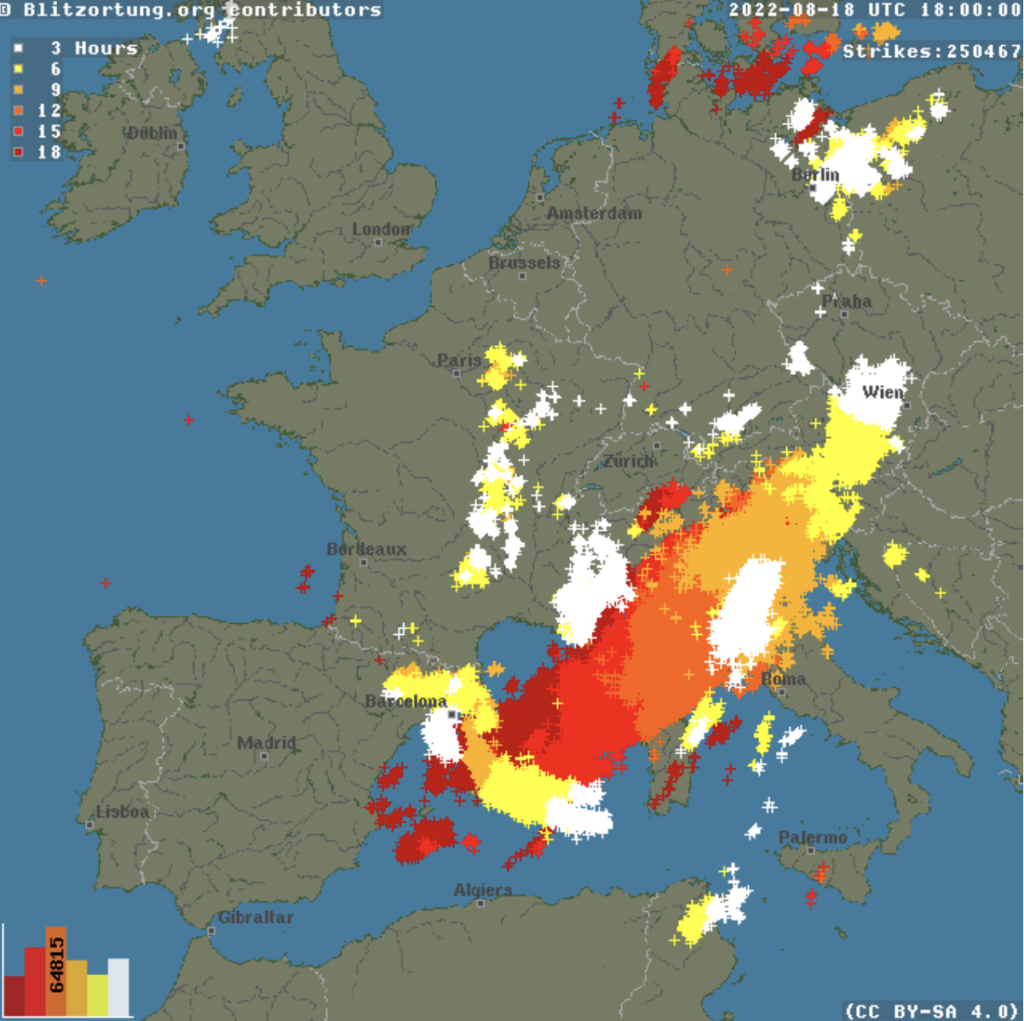
The 2022 European summer was governed by the presence of a persistent cold drop (low pressure area) located between Portugal and France. The change in its position has determined the alternation between hot conditions (low pressure center over Portugal) and stormy conditions (cold drop over France). The warming of the Mediterranean Sea (up to +6°C compared to the period 1990-2020) has largely cont ...[Read More]

NP Interviews: Davide Faranda (CNRS) on the topic “global warming and extreme events in Europe”

NP Interviews: Davide Faranda (CNRS) on the topic “global warming and extreme events in Europe”

Davide Faranda is a physicist at the French National Center for Scientific Research (CNRS). His main interests are devoted to the construction of a statistical mechanical and dynamical systems framework for the study of atmospheric motions. In particular, his works aim at the characterization of the metastable states of the atmospheric circulation with simple mathematical and statistical tools, an ...[Read More]

A new virtual seminar series on Climate Physics organized by the American Physical Society (APS) group in Physics of Climate

The APS Topical Group on the Physics of Climate (APS-GPC) is excited to launch a new virtual monthly seminar series on climate physics and variability. These seminars are aimed at introducing the broader physics community (and math, engineering, and other communities) to the fundamentals of climate science as well as cutting-edge research and open questions in this field. APS invites you to attend ...[Read More]

A few reasons making the June 2022 French Heatwave too hot & too soon

A few reasons making the June 2022 French Heatwave too hot & too soon

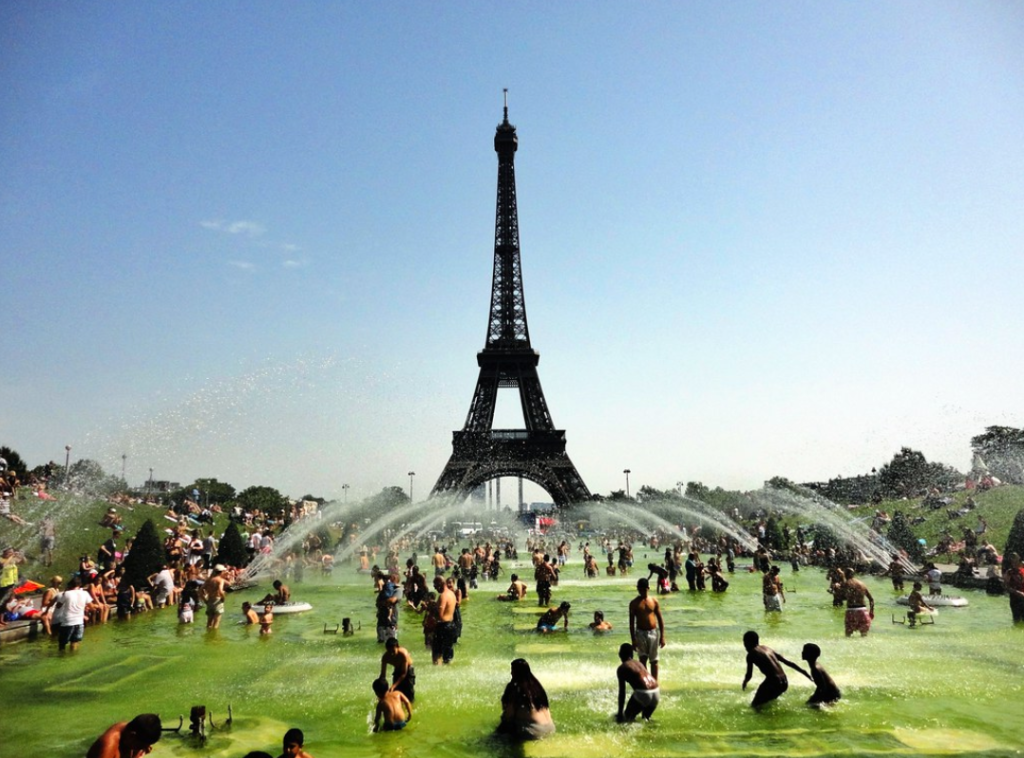
Too hot, Too soon: the thermometer has reached unprecedented temperature for a month of June in France, with the 40°C mark crossed by Friday June 17 in part of France. The IPCC AR6 report now clearly states that the probability of heatwave events such as this one has increased by a factor 3 to 5 in the present climate with respect to a counterfactual world not affected by anthropogenic greenhouse ...[Read More]

ClimarisQ: A game on the complexity of the climate systems and the extreme events

ClimarisQ: A game on the complexity of the climate systems and the extreme events

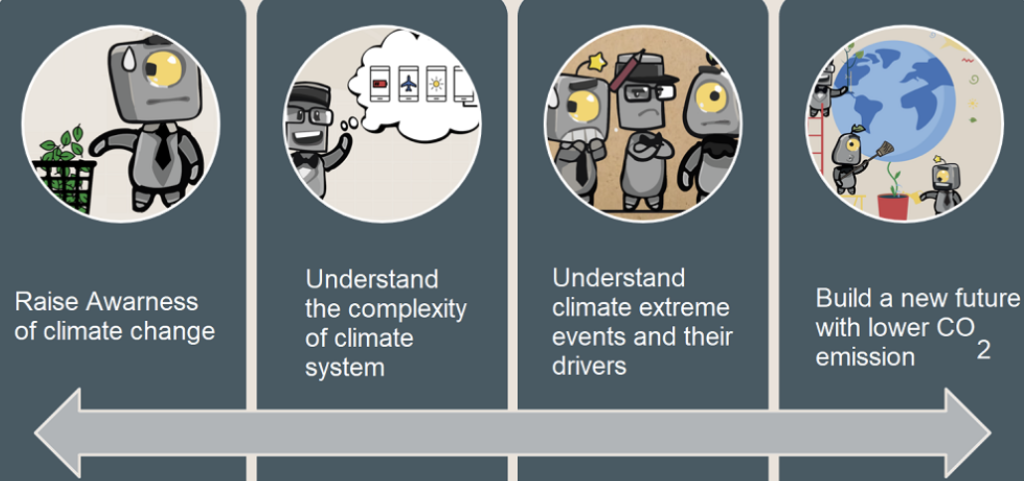
ClimarisQ is a smartphone/web game from a scientific mediation project that highlights the complexity of the climate system and the urgency of collective action to limit climate change. It is available in four languages: English, French, Spanish and Italian. It is an app-game where players must make decisions to limit the frequency and impacts of extreme climate events and their impacts on human s ...[Read More]

When weather extremes meet climate change: how do scientists attribute single events to climate change?

When weather extremes meet climate change: how do scientists attribute single events to climate change?

One of the main new points of the IPCC reports AR6 with respect to the previous ones is the increased confidence that global climate change induced by anthropogenic emissions is critically affecting the dynamics of weather extremes. For summer, and specifically over Europe, the AR6 report states that we are already observing prolonged periods of extremely warm conditions with increased droughts bo ...[Read More]

From the eyes of tropical cyclones to flooded strands : how climatologists use weather events to make climate predictions?

From the eyes of tropical cyclones to flooded strands : how climatologists use weather events to make climate predictions?

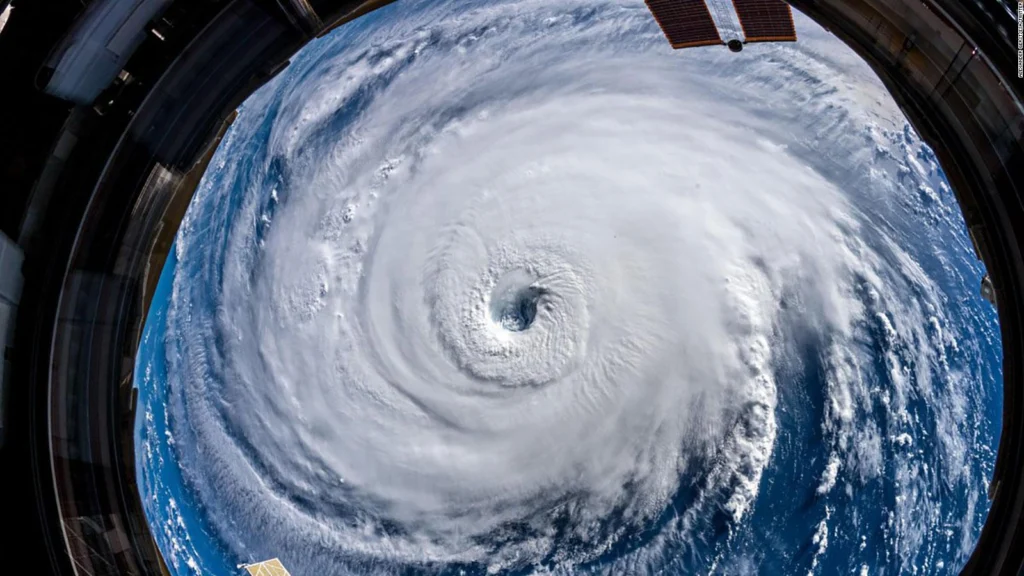
While extreme events are meteorological in nature, climatologists collect them to draw conclusions about the state of the present climate and to get clues how they possibly change in the future. Thus, climate and weather find common ground. If we consider an event alone, we are not studying the climate, we are in the field of meteorology, the goal of climatologists is therefore to put extreme even ...[Read More]