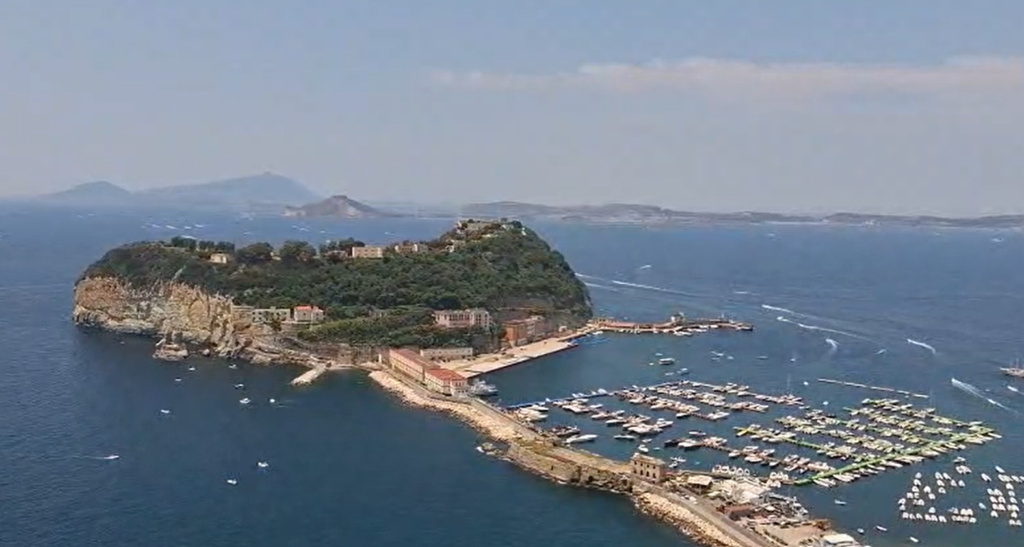
Nestled within one of Europe’s most densely populated regions, the Campi Flegrei caldera is a volcanic system whose secular unrest shapes the daily life of its inhabitants. Here, during the last decade and still ongoing crisis, ground uplift, frequent earthquakes, and persistent gas emissions interact to create a complex, evolving multi-risk environment. These natural hazards …[Read More]
volcanic hazard
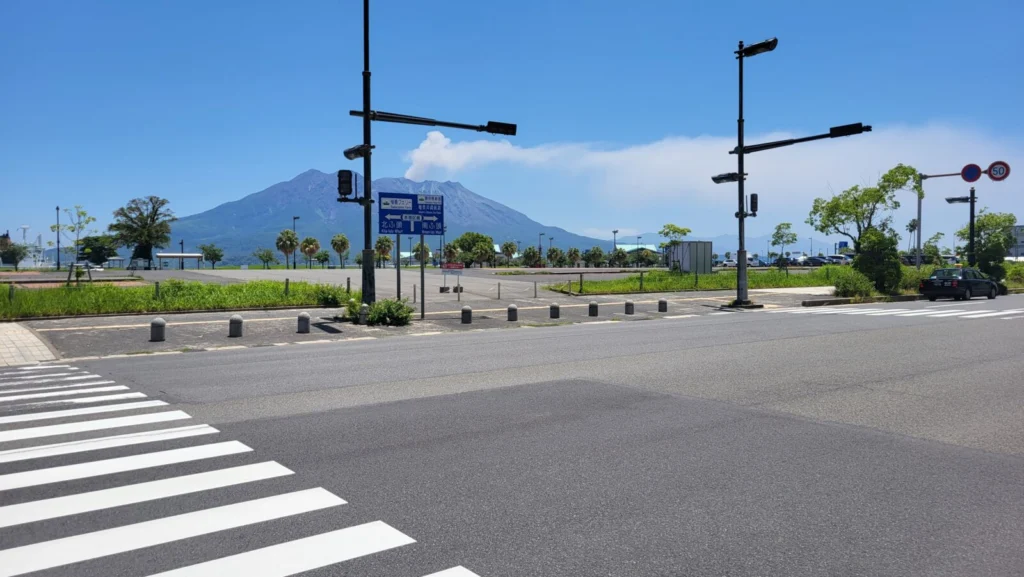
If a Resilient City Had a Face: It Might Look Like Kagoshima
As natural hazard scientists, we often emphasise the concept of exposure – how much people, infrastructure, and ecosystems are in harm’s way when close to natural hazard sources (e.g., floodplains, volcanoes, or fault lines). The closer you are, the higher the risk. Therefore, one of the main goals in natural risk assessment is to reduce …[Read More]
The bad, the good and the unpredictable: living with volcanoes / part 2
Before continuing, if you haven’t read it yet, catch up with the first part of this blog article by clicking on this link. The good Living with volcanoes is not all bad. Volcanoes provide a wealth of natural resources in the form of building materials, hot springs, freshwater and fertile soil. However, there are more …[Read More]
The bad, the good and the unpredictable: living with volcanoes / part 1
Introduction Humans have existed and lived alongside volcanoes for as long as we have been on the planet. For some, this has been beneficial and often, in fact, we can see how indigenous knowledge finds a sustainable approach living with them. However, in some cases, societies cannot cope and are overwhelmed with volcanic eruptions. There …[Read More]
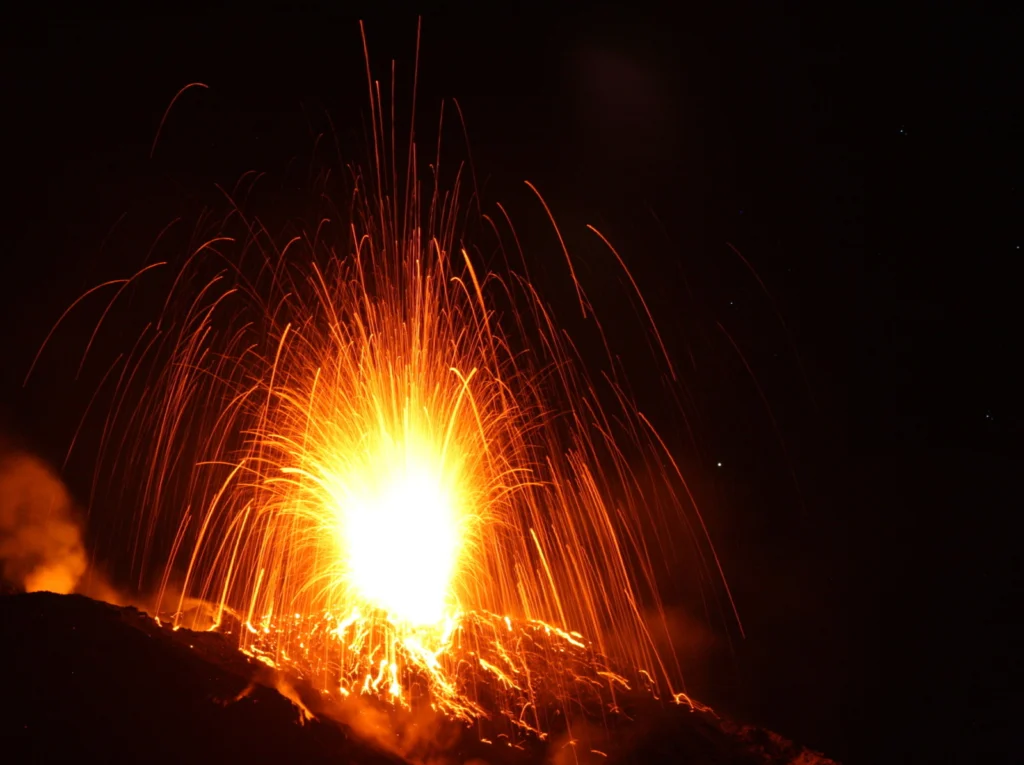
Stromboli: The Lighthouse of the Mediterranean
In the last months two paroxysmal explosive eruptions took place at Stromboli volcano: the first one, totally unexpected, on 3rd July (Video 1) that sadly cost the life of a person and the second and, currently, last one about three weeks ago, on the 28th August (Video 2). Today we try to answer a couple …[Read More]
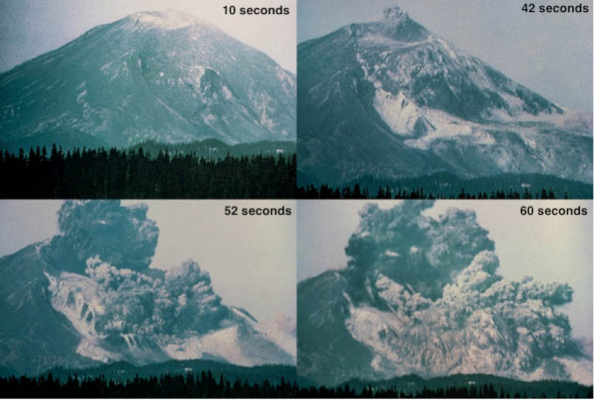
Let the ash fall, but get ready for its consequences
The past 18th May marked 39 years since one of the most emblematic volcanic eruptions in historic times: the 1980 Mt St Helens explosive eruption. With a death toll of 57 victims, it is the deadliest volcanic event in U.S. history. If that wasn’t enough, it also destroyed hundreds of houses and roads. When we …[Read More]
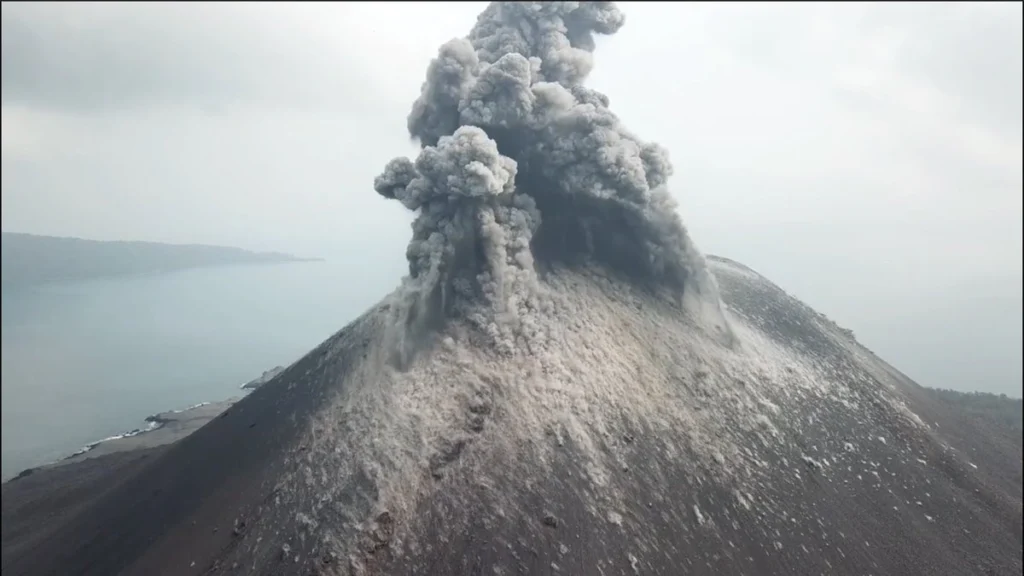
The collapse of Anak Krakatau volcano: a scenario envisaged
The volcano ID Krakatoa or Krakatau, in Indonesia, is part of the Ujung Kulon National Park, a UNESCO World Heritage property, and among the most (in)famous volcanoes in the world. From a geological point of view, it is part of the Indonesian island arc system generated by the north-eastward subduction of the Indo-Australian plate (Figure …[Read More]