NH
Natural Hazards

#EGUblogs

From Reflection to Action – Wishes for the Year Ahead

From Reflection to Action – Wishes for the Year Ahead

When another year comes to an end, it is time for reflection. In the context of natural hazards, it is essential to consider the challenges posed to societies, what went well, what could have been done better, and how we could create a more resilient world.  Just before Big Ben strikes 12 times, marking the …[Read More]

Trans-Border Mountainous Areas: Zones of Conflict or Cooperation Amid Natural and Man-Made Hazards?

Trans-Border Mountainous Areas: Zones of Conflict or Cooperation Amid Natural and Man-Made Hazards?

Mountain ranges have long served as natural boundaries, shaping the geopolitical landscape of nations. However, these towering landmarks often straddle borders, creating zones of cooperation or, more frequently, contention. From the Mont Blanc massif in Europe to the young, fragile ranges of the Himalayas, mountainous regions are fraught with overlapping challenges, including natural hazards, climate …[Read More]

Building Resilience: Insights and Preventive Measures from Kuala Lumpur’s Sinkhole event

Building Resilience: Insights and Preventive Measures from Kuala Lumpur’s Sinkhole event

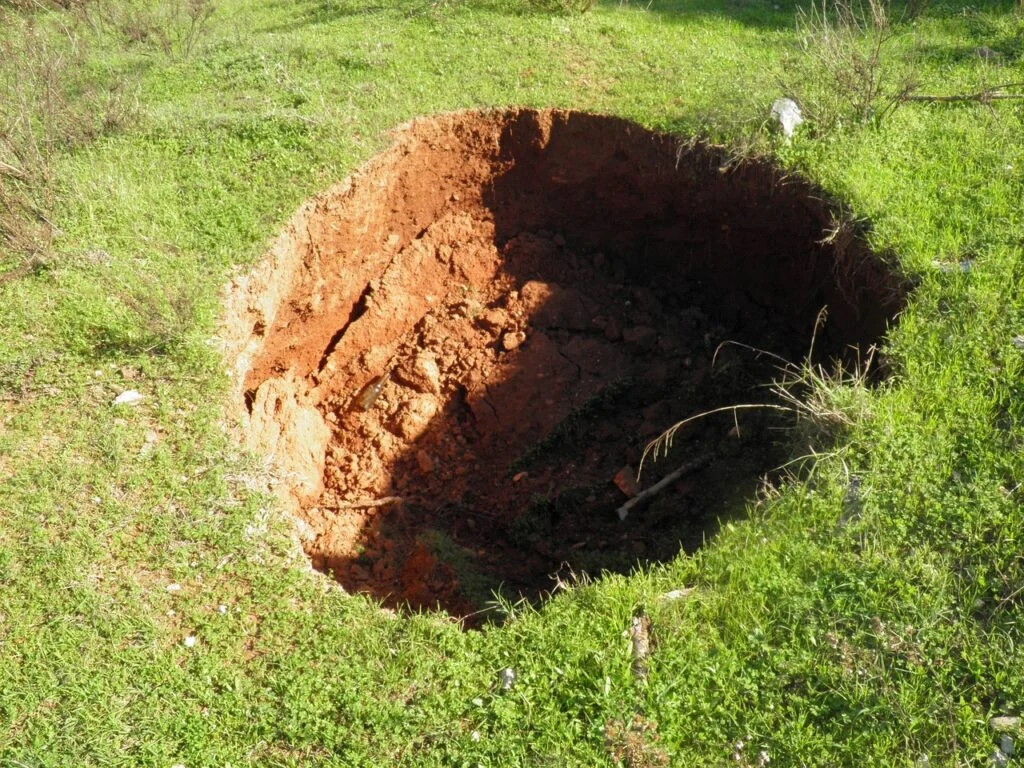
On August 23, 2024, a tragic event unfolded in Kuala Lumpur, Malaysia, when an 8-metre-deep sinkhole opened up on Jalan Masjid India, swallowing Vijayalakshmi Gali, a 48-year-old woman visiting from India [1]. The incident has raised serious concerns about public safety and the integrity of urban infrastructure. A sinkhole is a natural depression or hole …[Read More]

Taking the risk personally: how perceived flood experience relates to risk perception, sensed coping appraisal, and protective behaviour

Taking the risk personally:  how perceived flood experience relates to risk perception, sensed coping appraisal, and  protective behaviour

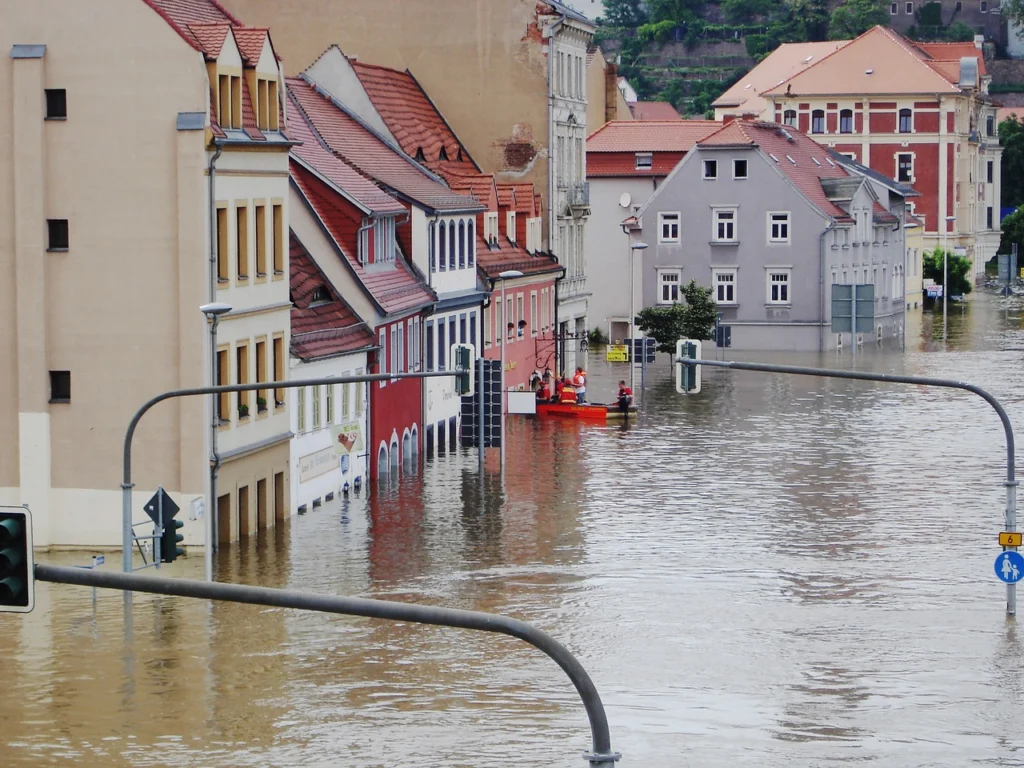
The frequency and severity of extreme weather events, such as heavy rainfall, droughts, and storms, are increasing globally, putting societies and infrastructures worldwide at risk [1]. These developments demand effective adaptation measures and ways to enhance societal resilience. Consequently, it is necessary to understand how people perceive and respond to natural hazards. Knowing that the …[Read More]

Modern Solutions for Ancient Hazards: Speaking with Jacopo Selva, the 2024 EGU Plinius Medalist

Modern Solutions for Ancient Hazards: Speaking with Jacopo Selva, the 2024 EGU Plinius Medalist

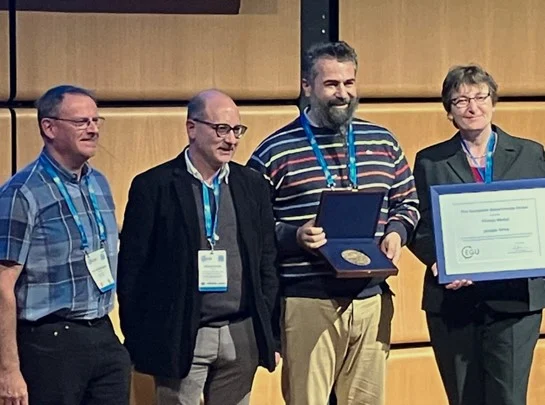
Jacopo Selva is an associate professor at the University of Naples Federico II, Italy, and a former researcher at the Istituto Nazionale di Geofisica e Vulcanologia (INGV), Italy. His research on seismic, volcanic, and tsunami hazards has been instrumental in advancing our understanding of these natural phenomena, particularly by developing probabilistic methods for hazard assessment …[Read More]

Evolving multi-hazard paradigms in a nutshell

Evolving multi-hazard paradigms in a nutshell

Understanding multi-hazard approaches is crucial in an era of escalating natural hazards leading to disastrous impacts on Earth’s citizens. Triggered by the increasing frequency and severity of these events, this brief post provides a concise yet comprehensive overview of evolving paradigms in multi-hazard research and management. By exploring definitions, historical developments, and current trends, we …[Read More]

A symphony of uncertainties: exploring the interplay between climate hazards and human societies

A symphony of uncertainties: exploring the interplay between climate hazards and human societies

Climate hazards are manifestations of the Earth’s complex climatic systems. As natural events, they have always occurred, yet changes in the global climate increase the frequency and intensity of extremes and their impact on the built environment and people. Predicting the nature, scale, and location of climate hazards and their complex interplays with anthropogenic factors …[Read More]

How can you contribute to Science-Based policy-making? Ask the new Policy Officer in the Natural Hazards Division!

How can you contribute to Science-Based policy-making? Ask the new Policy Officer in the Natural Hazards Division!

The EGU Natural Hazards Division now has a new Policy Officer to help promote evidence-based policy-making and support members of the Division in participating in policy-making processes. The Policy Officer aims to bridge between the Division and the EGU Science for Policy Working Group, helping to ensure that evidence-based decisions are made in the policy-making …[Read More]