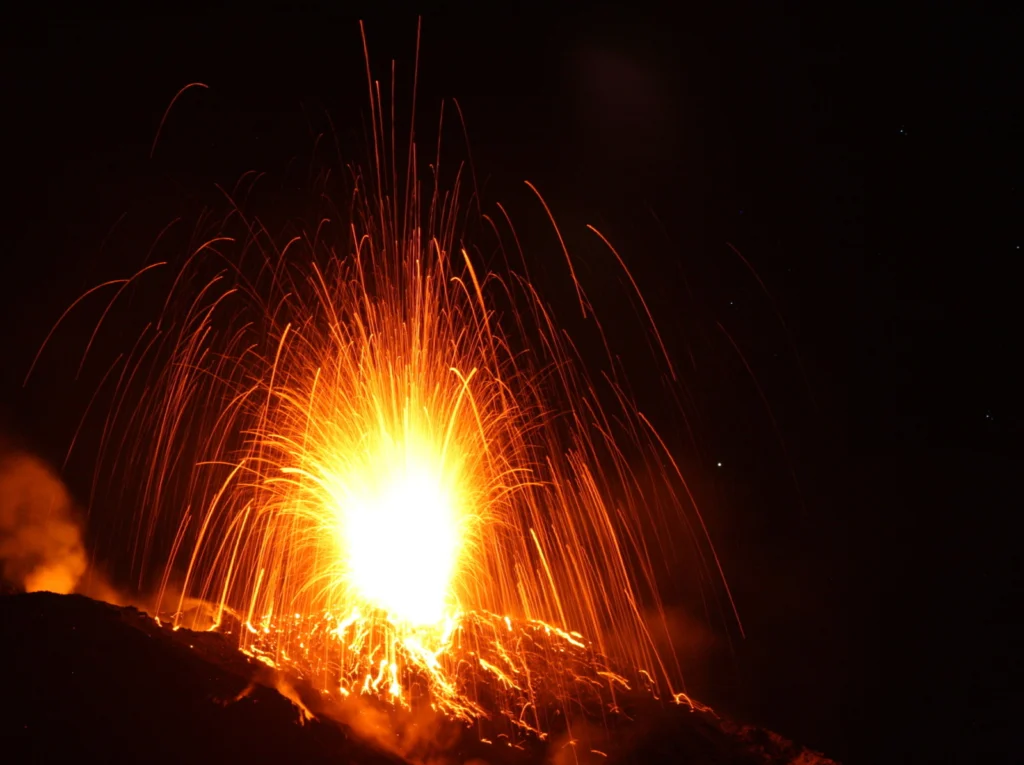
In the last months two paroxysmal explosive eruptions took place at Stromboli volcano: the first one, totally unexpected, on 3rd July (Video 1) that sadly cost the life of a person and the second and, currently, last one about three weeks ago, on the 28th August (Video 2). Today we try to answer a couple …[Read More]
Volcanic hazard
Let the ash fall, but get ready for its consequences
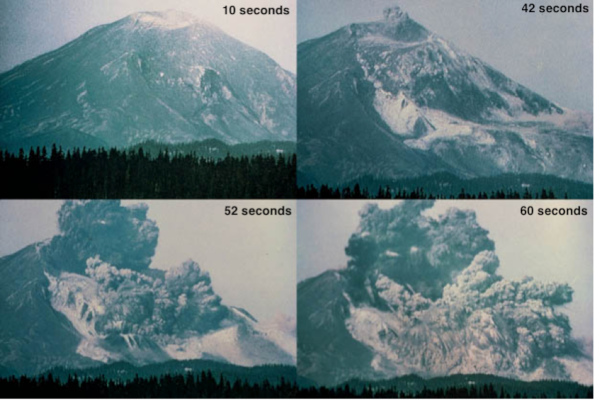
The past 18th May marked 39 years since one of the most emblematic volcanic eruptions in historic times: the 1980 Mt St Helens explosive eruption. With a death toll of 57 victims, it is the deadliest volcanic event in U.S. history. If that wasn’t enough, it also destroyed hundreds of houses and roads. When we …[Read More]
The CRED presents the bill: the socio-economic cost of natural hazards.
Which type of natural hazard is the most frequent? And which one causes the largest economic losses? Which populations are mainly affected? What are the necessary steps to reduce natural hazards’ impact? If you have ever wondered about any of these questions, you’d be interested to know that there is an institute answering all of …[Read More]
The collapse of Anak Krakatau volcano: a scenario envisaged
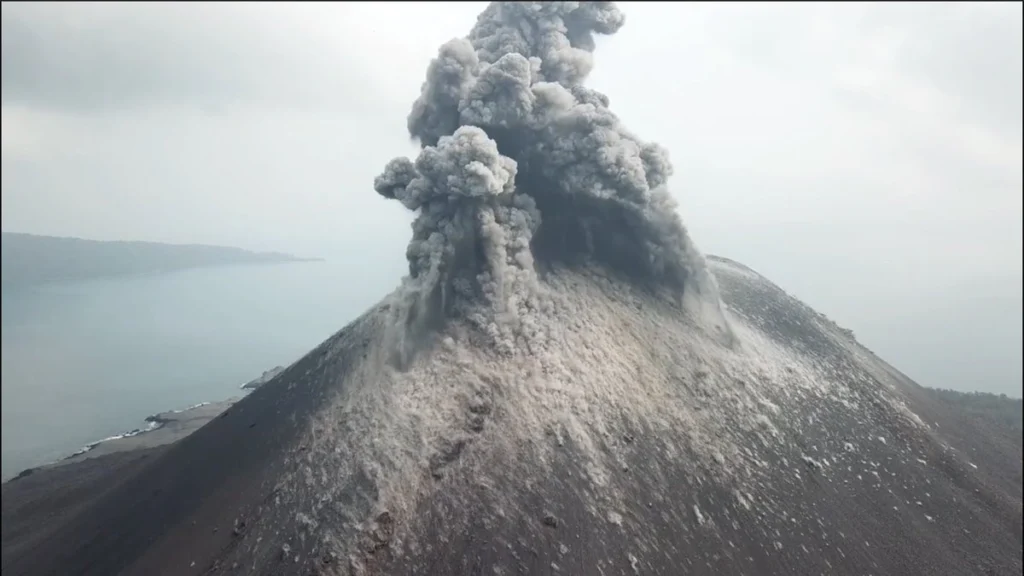
The volcano ID Krakatoa or Krakatau, in Indonesia, is part of the Ujung Kulon National Park, a UNESCO World Heritage property, and among the most (in)famous volcanoes in the world. From a geological point of view, it is part of the Indonesian island arc system generated by the north-eastward subduction of the Indo-Australian plate (Figure …[Read More]
The devil in disguise: filmmaking lives under the threat of volcanoes.
Dear readers, today our blog will host Ryan Stone from Lambda Films. He will tell us his story and perspective behind the camera while documenting people’s lives constantly exposed to volcanic risk. If you want to get a quick taste of today’s content, just take a long breath and watch this video: https://www.lambdafilms.co.uk/video-production/an-eclipse/. Hello Ryan, Please …[Read More]
The (un)usual suspect: how the environment affects human health.
If you have been regularly following our blog for this (almost) past year, you may have noticed that the field of natural hazards is coloured by many different shades. One more that I would like to present to you today is about how the natural environment can affect human health. It is a recognized fact …[Read More]
Volcanic eruptions: Sometimes natural spectacles, but other times disasters
In April 2018, an eruption of the Kilauea volcano in Hawaii started. The activity continued for months, with impressive lava flows that cut roads and even covered houses and entire neighbourhoods (Figure 1), forcing the evacuation of thousands of people. Fortunately, it did not take any life. Some weeks later, on June 3rd, Fuego volcano, …[Read More]
Volcanic tourism, in between fascination and hazard awareness. Episode 1: the volcanologist prospective.
Volcanoes are often located in stunning and fascinating places of the world. Some volcanoes are in areas already heavily populated, like Popocatépetl in Mexico or that thanks to tourism become highly or more populated during certain times of the year, like Agung in Indonesia. In addition to the charm, volcanoes can be and have …[Read More]
Steaming badly: what do we know about hazardous and less known hydrothermal eruptions in volcanic environments?
Volcanic eruptions are among the fascinating natural phenomena we can observe on Earth. Along with being very attractive, they are hazardous for both society and infrastructures. Eruptive styles are various and today we focus our attention on one particular type of explosive event: hydrothermal eruptions. We have interviewed Cristian Montanaro on the topic.