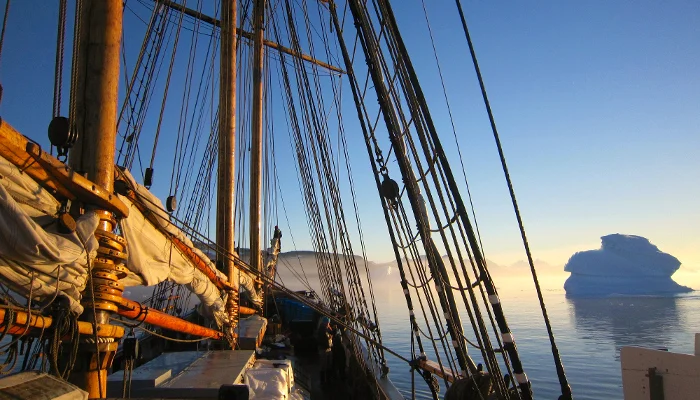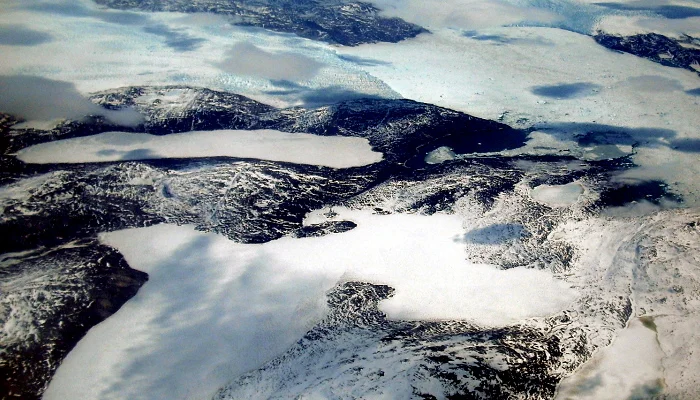
Last summer we got the chance to participate in an incredible Arctic expedition. The mission was clear and yet unclear at the same time: Bring your fanciest laser technology on a wooden schooner. Then cross the Atlantic and sail to the fjords of southern Green land and conduct science throughout the journey. During most of …[Read More]
Do Beers Go Stale in the Arctic? – Jakob Sievers
A story about CO2 -fluxes between sea-ice and the atmosphere What’s it all about? Whenever I have had to describe my PhD research project to people outside of my research community, I have always found it useful to use an analogy most people are familiar with, namely beers. Now that I have the full attention …[Read More]
Only extremes – Babis Charalampidis
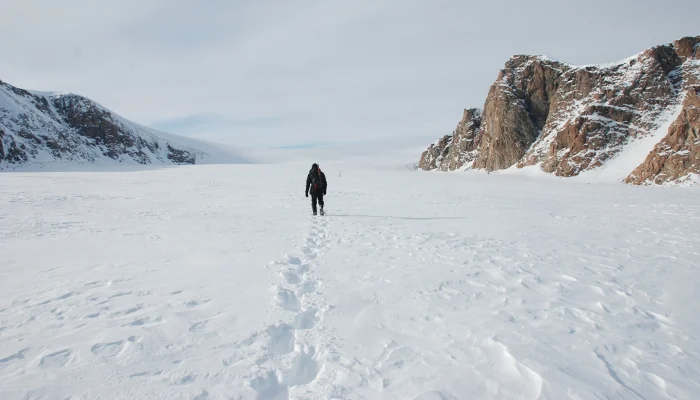
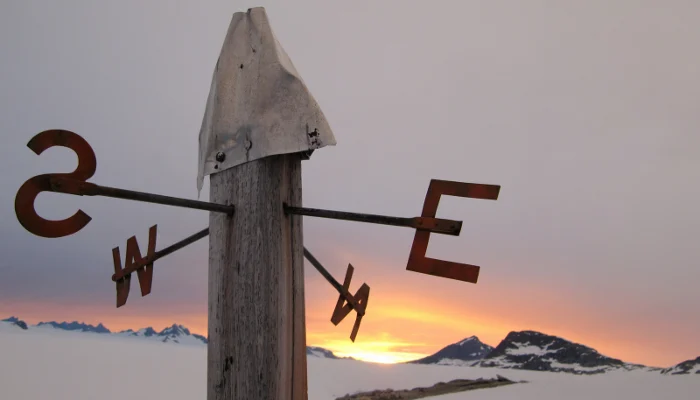
– In fieldwork, you have no average. You just have extremes. When Daniel spoke his mind out loud we were facing a bright sunny day coming in from the opening of our tent. We were very glad to see that and ready to engage with our glaciological tasks. Our camp site was at the immediate …[Read More]
Four years in Tibet – Eva Huintjes
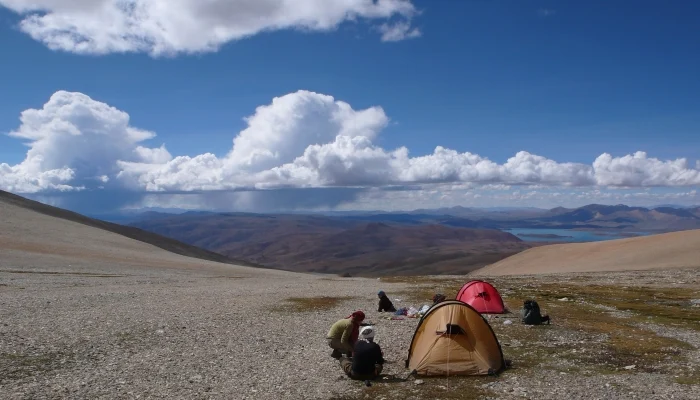
The Tibetan Plateau – area: 2.5 million km2, mean elevation: 4,700 m a.s.l., surrounded by a series of high mountain ranges that are home to some of the world’s highest peaks: Himalayas, Karakoram, Pamir, Kunlun Shan. Considering these characteristics and the unique cultural heritage of Tibet the decision was easy when I was asked if …[Read More]
The bi-polar behaviour of surge-type glaciers – Heidi Sevestre
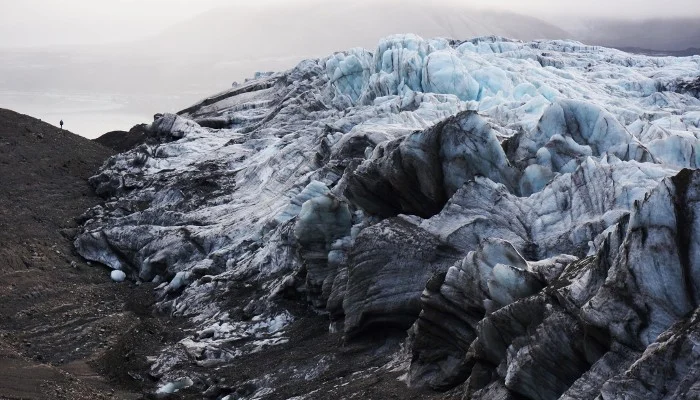
Surge-type glaciers are the bi-polar member of the family of glacier dynamics. Every now and then they go into a complete fury and nobody really understands why. What are surge-type glaciers? Surge-type glaciers typically go through what we call the “surge cycle”. It is divided into two phases; a long quiescent phase during which the …[Read More]
Around the Poles in approx. 100 minutes: Earth Observation for Climate Science and the Cryosphere – Anna Maria Trofaier and Anne Stefaniak
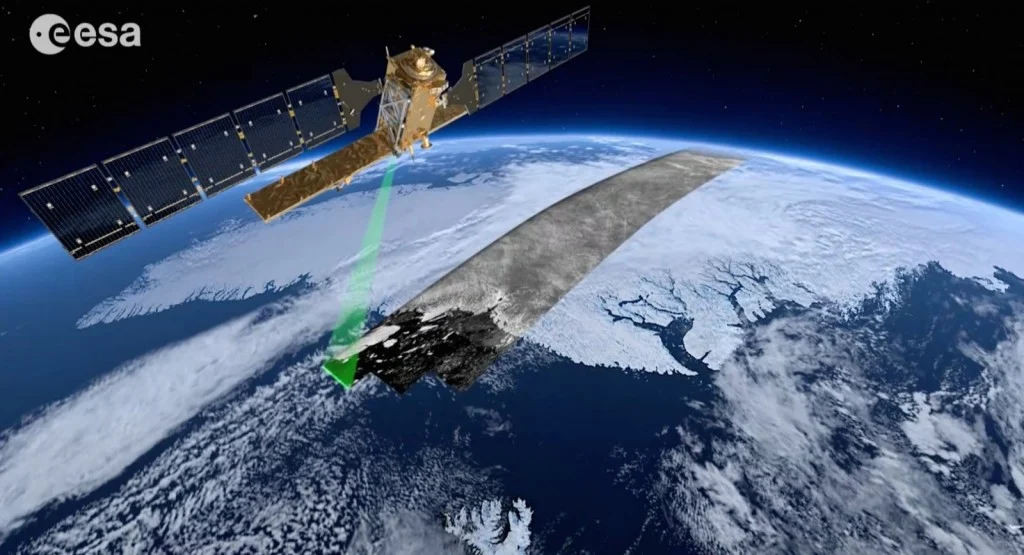
Everyday we come into contact with technology that has changed the way we work, live and even think. Yet it is still easy to forget how integral satellite technology is to our daily lives; over two thousand artificial satellites currently orbit our planet – satellites for navigation, for telecommunication, for meteorology, and for environmental and …[Read More]
4 Reasons Why You Should Get Involved as an Early Career Scientist (& a caveat) – Allen Pope
You’re an early career scientist (ECS), or maybe you mentor one. So you know that we ECS are busy people, with responsibilities ranging from coursework to teaching, research to outreach, and labwork to fieldwork. And now there is this listicle (no, I’m not embarrassed about choosing this format) telling you to make time in your …[Read More]
Welcome!
Hello and welcome to the blog of the EGU Cryosphere Division. This blog aims to spread the enthusiasm for ice in all its forms – from snow, glaciers and ice sheets, to ice crystals, extra-terrestrial ice bodies and isotopic ice composition. The blog will feature stories related to cryospheric research, particularly the latest in fieldwork …[Read More]