CL
Climate: Past, Present & Future

Climate: Past, Present & Future

The rabbit and the tortoise – what does a glacial cycle need to be a glacial cycle?
The rabbit and the tortoise – what does a glacial cycle need to be a glacial cycle?
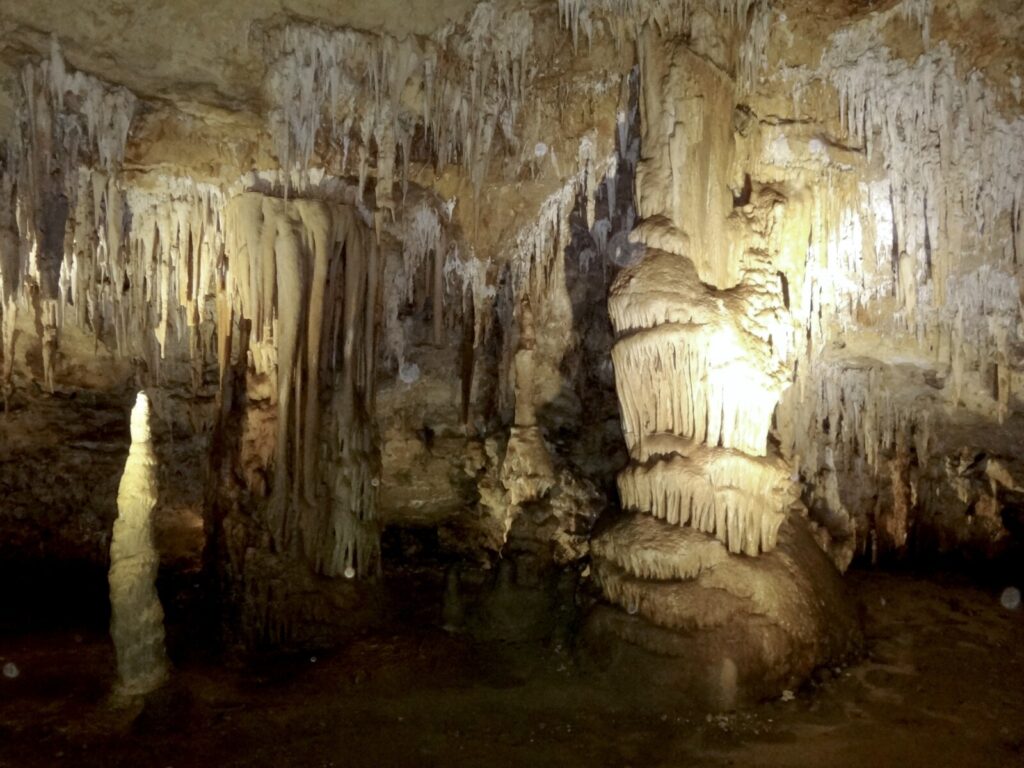
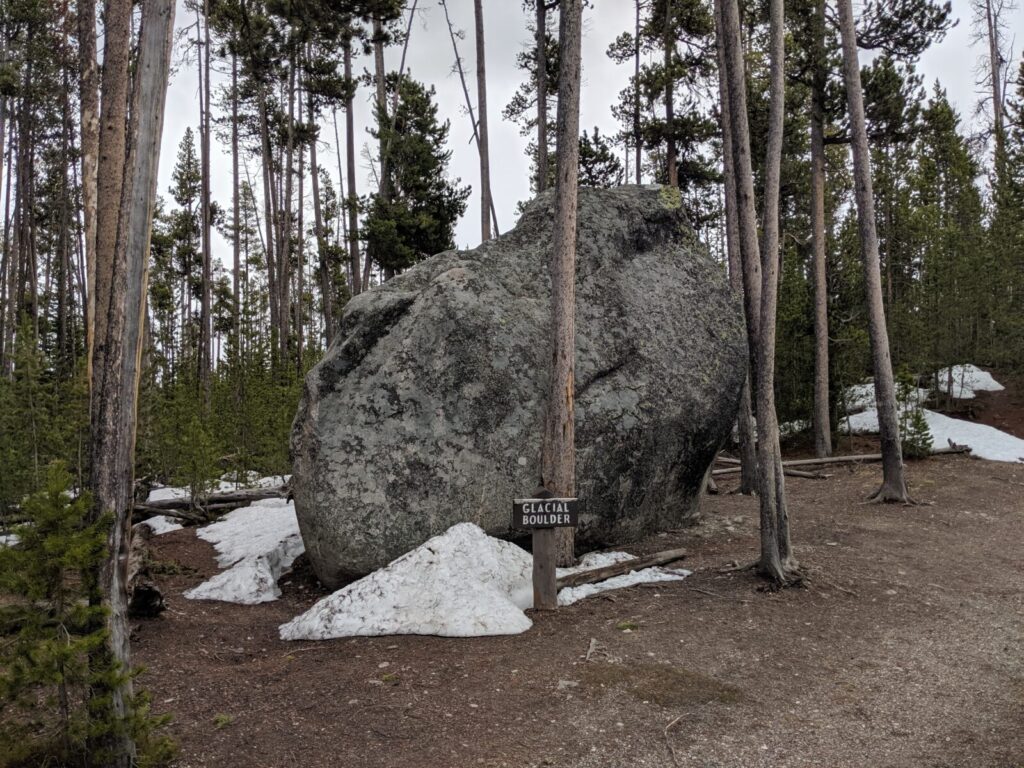
The climate is not what it used to be and it will never be the same again. This is what the models say. Where does this knowledge come from? In short, we learn it from the clues that nature left on the planet since its formation. And it is precisely with these observations where our story begins. Since the beginnings of mountaineering, many visitors of the Alps and other mountain ranges have wonde ...[Read More]

Early farmers of the Pacific recorded in sediment cores from Vanuatu

Early farmers of the Pacific recorded in sediment cores from Vanuatu

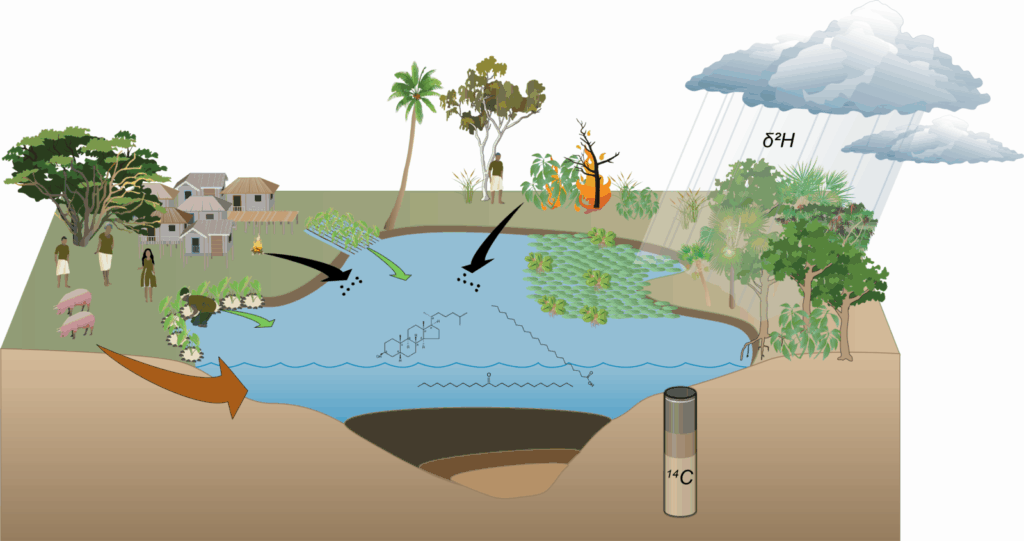
The Pacific Ocean is a vast expanse that is punctuated by diverse islands and archipelagos. Some of these islands closer to Asia and the Australian landmass have been home to humans for tens of millennia. Others – spread across Micronesia, Melanesia, and Polynesia – make up Remote Oceania and were only settled by humans within the past few thousand years. Archeological investigations have provided ...[Read More]

Final guide to get ready for EGU25 with the Climate Division!

Final guide to get ready for EGU25 with the Climate Division!

Dear climate community,   With the EGU General Assembly 2025 approaching (27 April – 2 May), it is time to start preparing your programme and planning your week. We’re looking forward to another exciting and engaging General Assembly — a unique opportunity for geoscientists across career stages to present their research, exchange ideas, and expand their network. As usual, the Austria Center V ...[Read More]

Can we improve our understanding of extreme precipitation events in the Sichuan Basin by using high-resolution regional climate models?

Can we improve our understanding of extreme precipitation events in the Sichuan Basin by using high-resolution regional climate models?

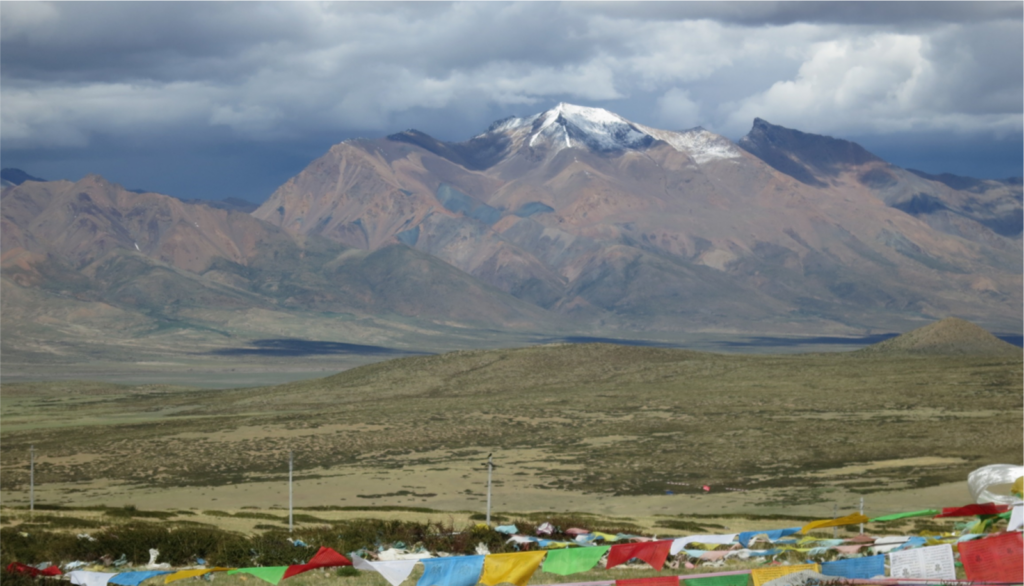
Invited guest from the EGU 2024 Outstanding Student and PhD candidate Presentation (OSPP) Award Context The Sichuan Basin, located at the eastern slope of the Tibetan Plateau in China, is a lowland region that regularly experiences heavy rainfall during the summer months. This is due to its complex topographical features (Fig. 1) and the influence of the East Asian monsoon. The heavy rainfall can ...[Read More]

Open climate science is brave climate science

Open climate science is brave climate science

Why are we climate scientists? For us, there is a number of reasons: we feel a strong bond to nature, we like to solve puzzles and we want to understand the mechanisms of what we see every day.  And – even if it only manifests at the end of a causal chain – we want to contribute to a just and livable world via working in climate science. Thus, due to distant and abstract state funding ...[Read More]

Modelling the heat mitigation effects of blue roofs and green roofs to assess climate change adaptation potentials in dense urban environments

Modelling the heat mitigation effects of blue roofs and green roofs to assess climate change adaptation potentials in dense urban environments

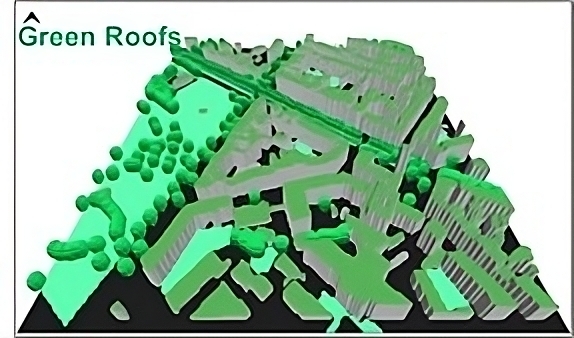
Urban areas often show higher temperatures than their surrounding rural areas, especially during heat events. This phenomenon is called the Urban Heat Island (UHI) effect. The magnitude of the UHI effect is expressed by the absolute temperature difference between the rural and the urban area and can reach more than 10 °C. During past decades, the magnitude of the UHI effect has intensified in many ...[Read More]

Misinterpretation of glacial aridity in subtropical environments in the Southern Hemisphere

Misinterpretation of glacial aridity in subtropical environments  in the Southern Hemisphere

To understand Earth’s changing climate, scientists often examine how the climate has varied in the past, by studying geological records. These records allow us to reconstruct past climates and help us predict planet’s responses to different climate forcings. In this context, it has long been thought that past ice ages on Earth were relatively dry, whereas the warm periods between ice ages we ...[Read More]

Spotlighting the Climate Division’s sessions for EGU24

Spotlighting the Climate Division’s sessions for EGU24

Dear community of climate enthusiasts and EGU lovers, We know that being part of the EGU is not just about staying in the loop with the latest geoscience works – especially when it comes to our all-time favorite realm of sciences: climate sciences 🤩. It is also an amazing opportunity to spark exciting collaborations and expand your network with scientists from all over Europe and the world. EGU is ...[Read More]

The Walker Circulation: what is it and why does it matter

The Walker Circulation: what is it and why does it matter

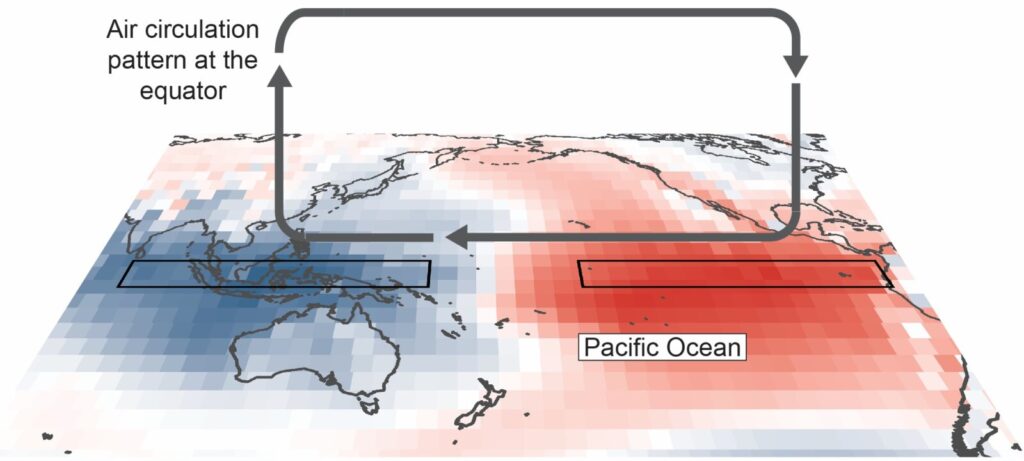
What is the Walker Circulation? The El Niño Southern Oscillation, or ‘ENSO’, is one of the major causes of year to year variability in Earth’s climate. ENSO is characterised by: changes in the temperature of the ocean’s surface in the tropical Pacific Ocean, and by changes in atmospheric circulation in an east-west direction above the Pacific Ocean.   Number two in that list is what makes ENS ...[Read More]

Why would anyone care about an ‘Anthropocene’?

Why would anyone care about an ‘Anthropocene’?

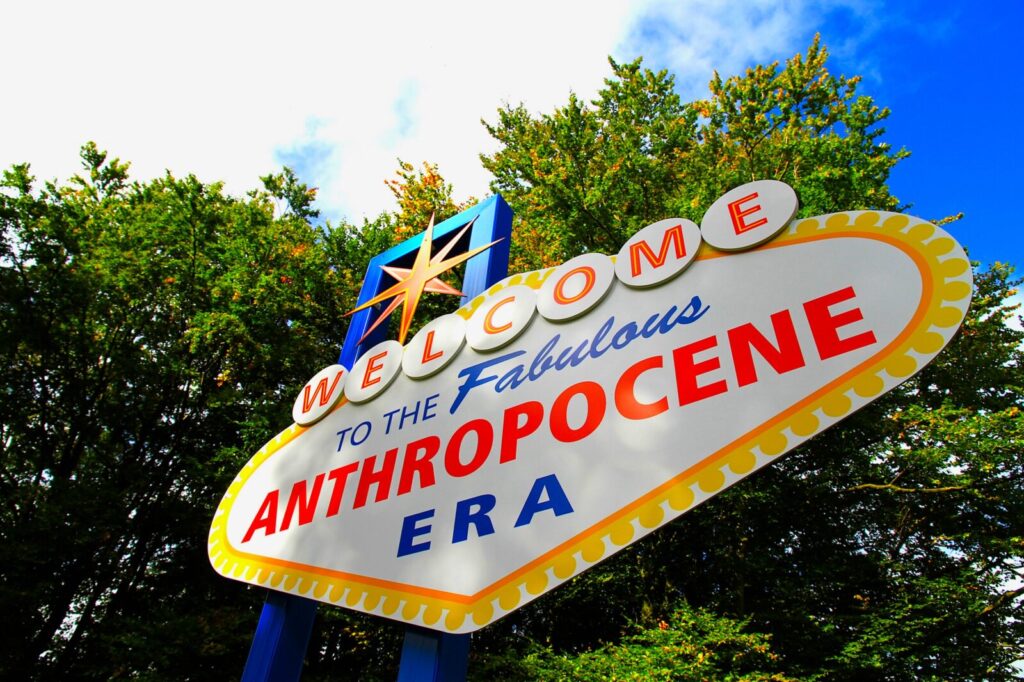
– A debate among scientists and its impact on us The epoch of humans (and their obvious intervention in the Earth system) In order to understand what the ‘Anthropocene’ means for us, we need to define first what it actually is. This poses a rather complex question in itself, as various disciplines have given the term rather different and alternative definitions. For instance, the public medi ...[Read More]