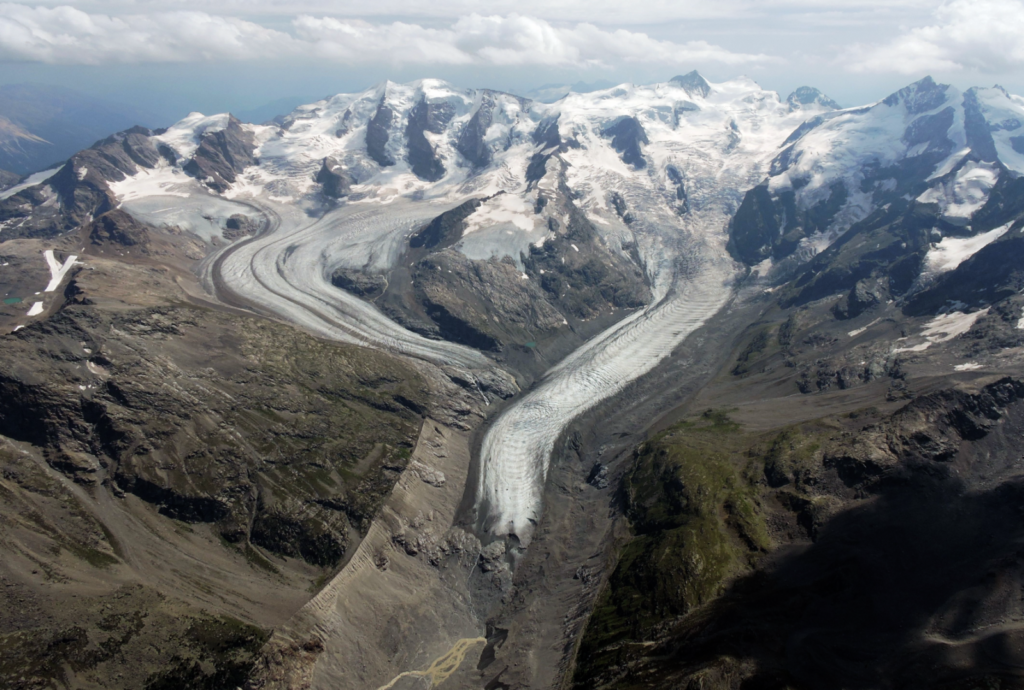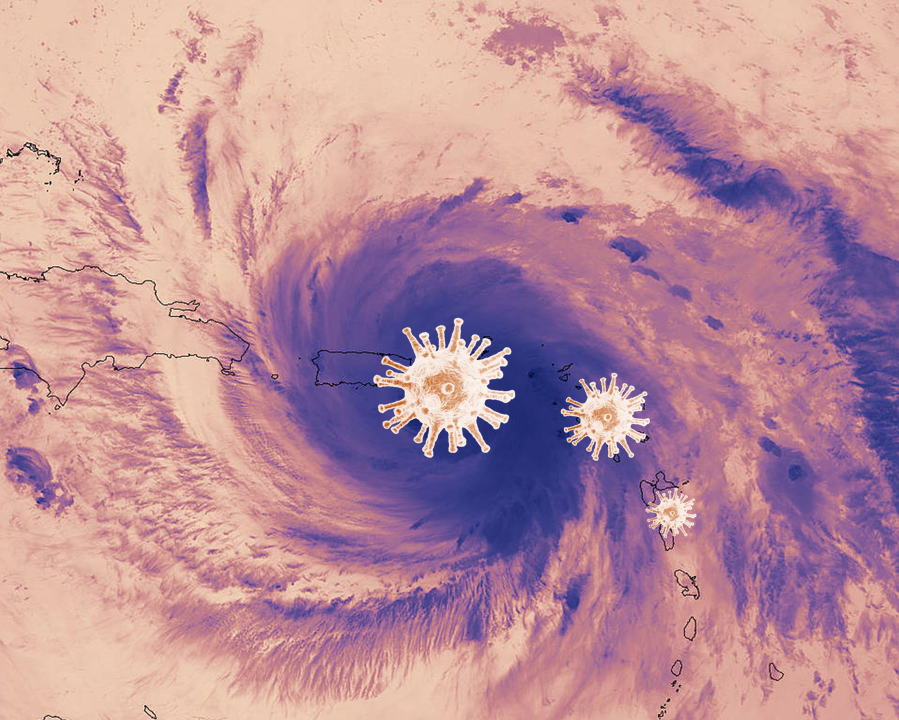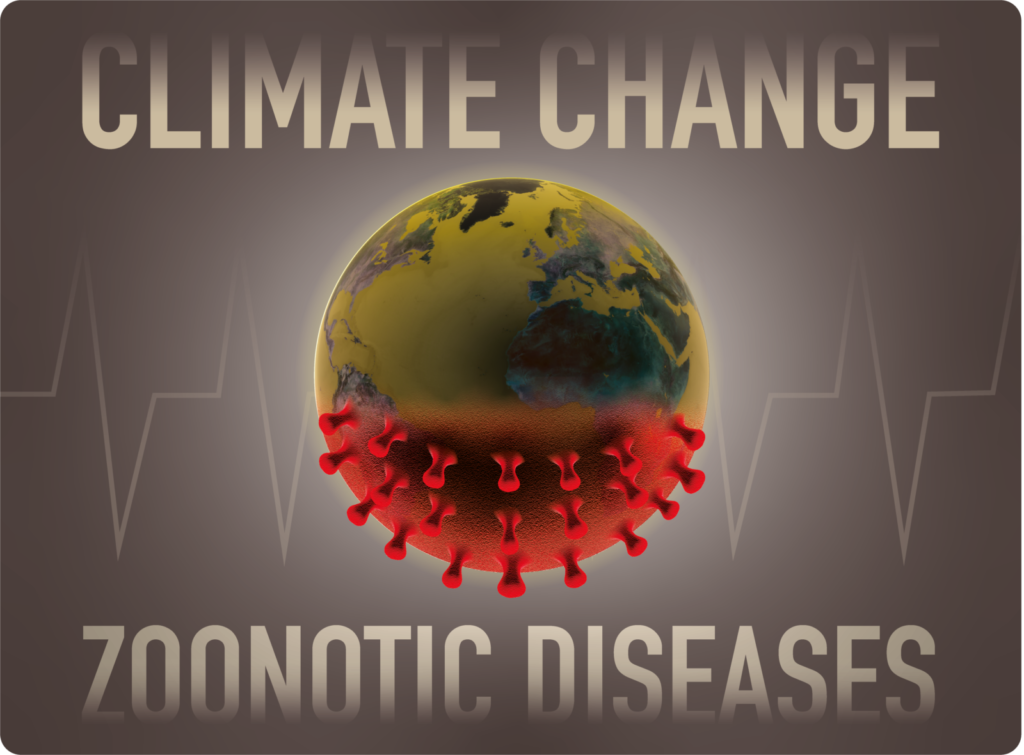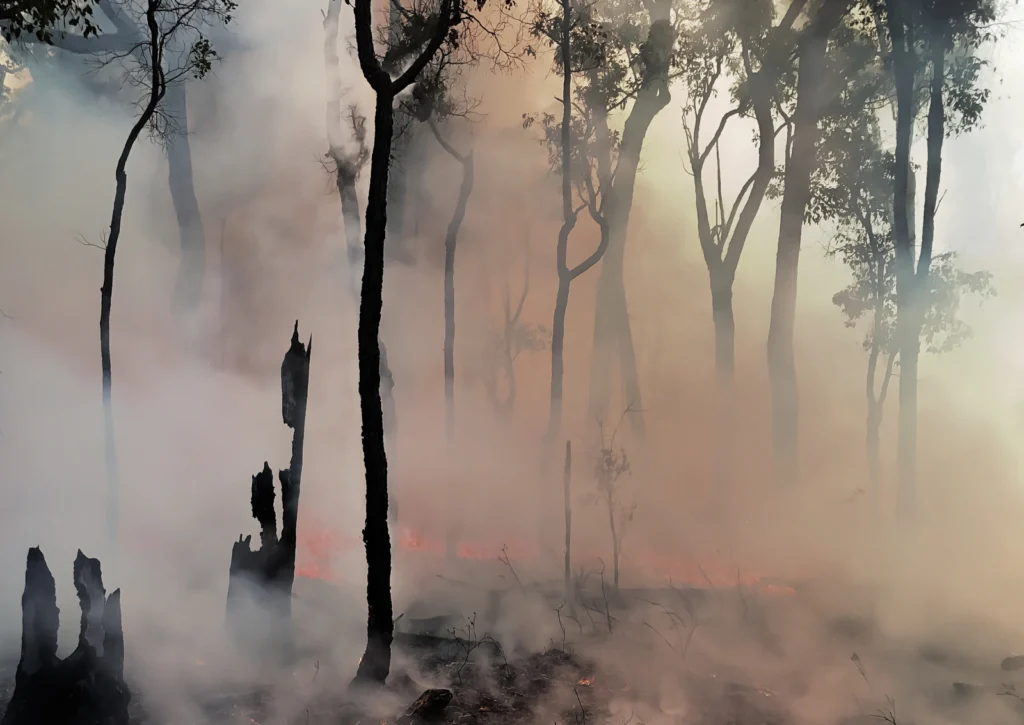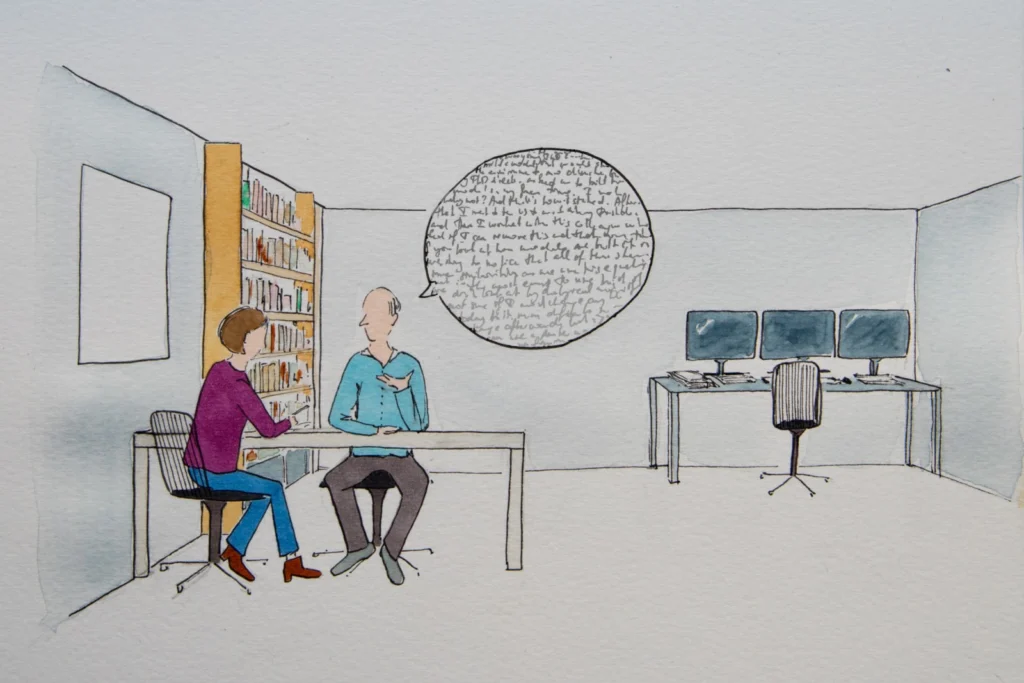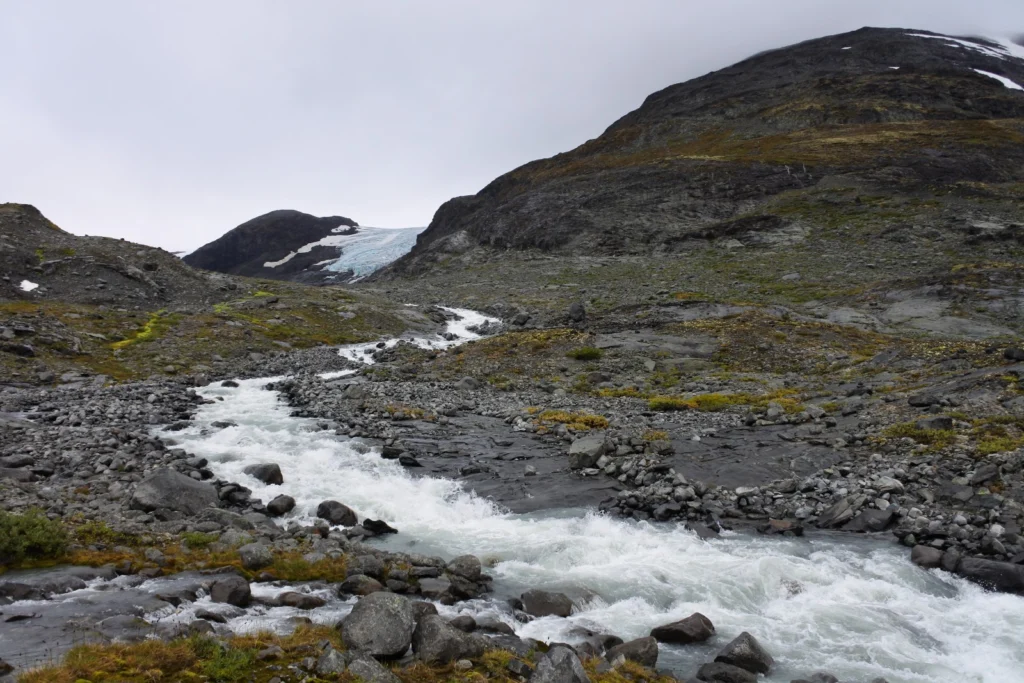
Understanding how our environment is changing under a warmer climate will be one of the new challenges our children will face. Meanwhile, teachers are challenged to seek new pedagogical strategies for teaching climate change in the youngest, especially in rural communities, which are one of the most vulnerable to climate change impacts, as they lack resilience towards surviving extreme events. Alt ...[Read More]
How humans are influencing climate change and its significance in defining a new geological epoch: the Anthropocene
The Anthropocene Working Group (AWG) is the body tasked to propose a formal definition for the Anthropocene as a geological time unit. Join us at the EGU2021 General Assembly on Wednesday 28th April at 14:15-15:00 CEST for a series of presentations on the Anthropocene in session SSP2.6. The Anthropocene concept Geologists cope with the enormity of 4.5 billion years of Earth history by divid ...[Read More]
Generation #polarprediction
More than 11 years ago, I joined the Université catholique de Louvain (UCLouvain) in Belgium as a teaching assistant. The 2007-2009 International Polar Year (IPY), a worldwide collaborative effort aiming at better understanding our polar regions, had just finished, and the scientific community was concerned about the sudden drop in the summer Arctic sea ice extent that had occurred two years befor ...[Read More]
New metric to interpret linear trends from short time series: Trend to variability ratio (TVR)
Availability of good quality data is essential to deduce meaningful information in all disciplines of science and technology. This statement is especially relevant in climate research, which is under constant scrutiny from sceptics. In order to better understand the Earth system response to the ongoing anthropogenic global warming, we require global observations of climate indicators at ver ...[Read More]