BG
Biogeosciences

Uncategorized

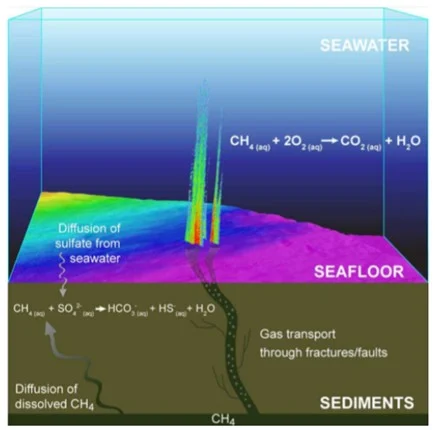
Understanding the role of microbes in cold seep habitats
Understanding the role of microbes in cold seep habitats
A cold seep is an area of the ocean seafloor where hydrogen sulfide, methane and other hydrocarbon-rich fluid seepage occurs. These parts of the ocean floor still remain a large mystery for scientists, in particular for the occurence of hydrothermal vents. In between these vents, microbes live that play a role in the local and global carbon budget. However their exact role remains largerly unknown ...[Read More]

Identification of past methane emission altering the foraminiferal tests by secondary overgrowth of calcium carbonate.

Identification of past methane emission altering the foraminiferal tests by secondary overgrowth of calcium carbonate.

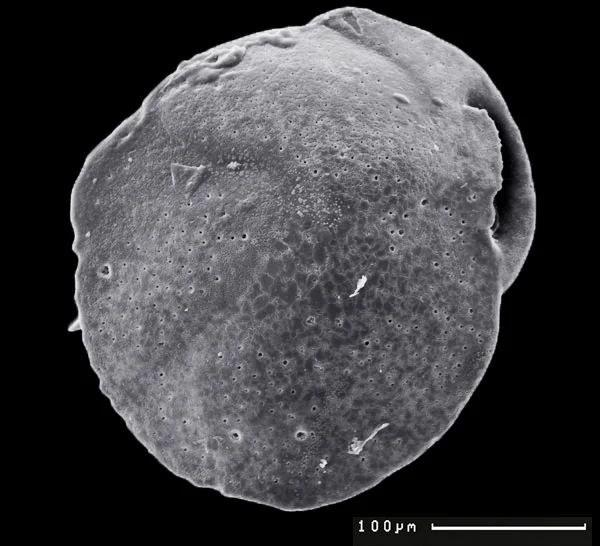
Ever heard about foraminifera? These tiny benthic (living at the seafloor) marine organisms are common in oceans across the globe and can be used to accurately give relative dates to sedimentary rocks. But we can also use them to identify past methane emissions from the seabed by studing their test or shell!   The measurements were done on foraminifera called Cassidulina neoteretis , which is a ty ...[Read More]

Investigation of methane emissions in marine systems

Investigation of methane emissions in marine systems

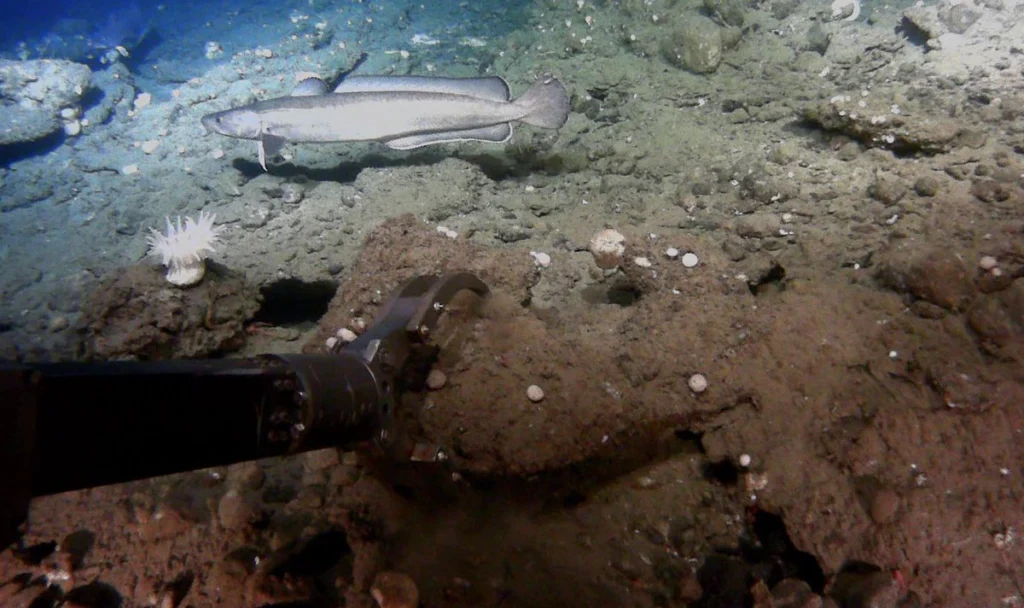
Ever wondered how we can measure methane emssions from the seafloor ? And ever wanted to steer a mini submarine remotely operating vehicle (ROV)? Well here´s your chance! Have look at this blog post on analyzing methane emissions using ROVs and you´re ready to embark!    The goal is to determine when the gas leak started and how the fluid flow systems work. With our research, we can contribut ...[Read More]

Coffee break biogeosciences–high resolution δ18O record from bivalves

Coffee break biogeosciences–high resolution δ18O record from bivalves

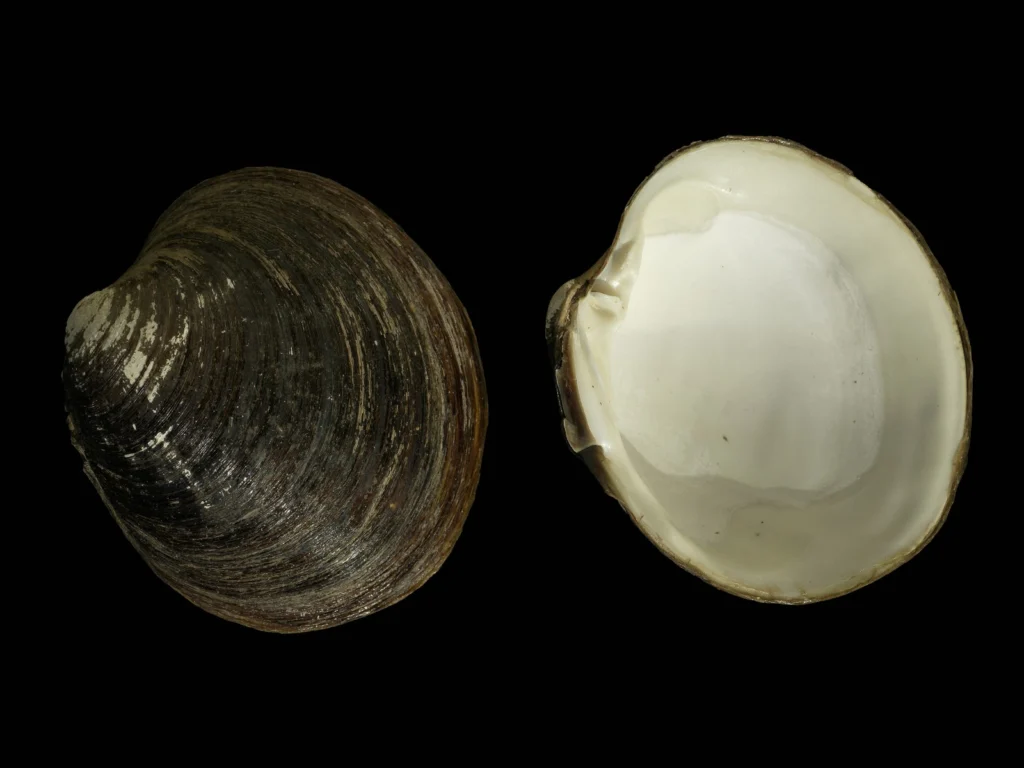
Much like trees, clam shells have growth rings. The chemistry of these rings can be used as a proxy for ocean chemistry. Recently, an international team of scientists used the growth rings found in shells of Arctica islandica to produce an annual absolutely dated marine δ18O record for the last millennium which was published in Nature Communications. The record represents the first fine scale arch ...[Read More]

What´s in your fieldbag? Part 1: measuring freshwater carbon fluxes in the Artic

What´s in your fieldbag? Part 1: measuring freshwater carbon fluxes in the Artic

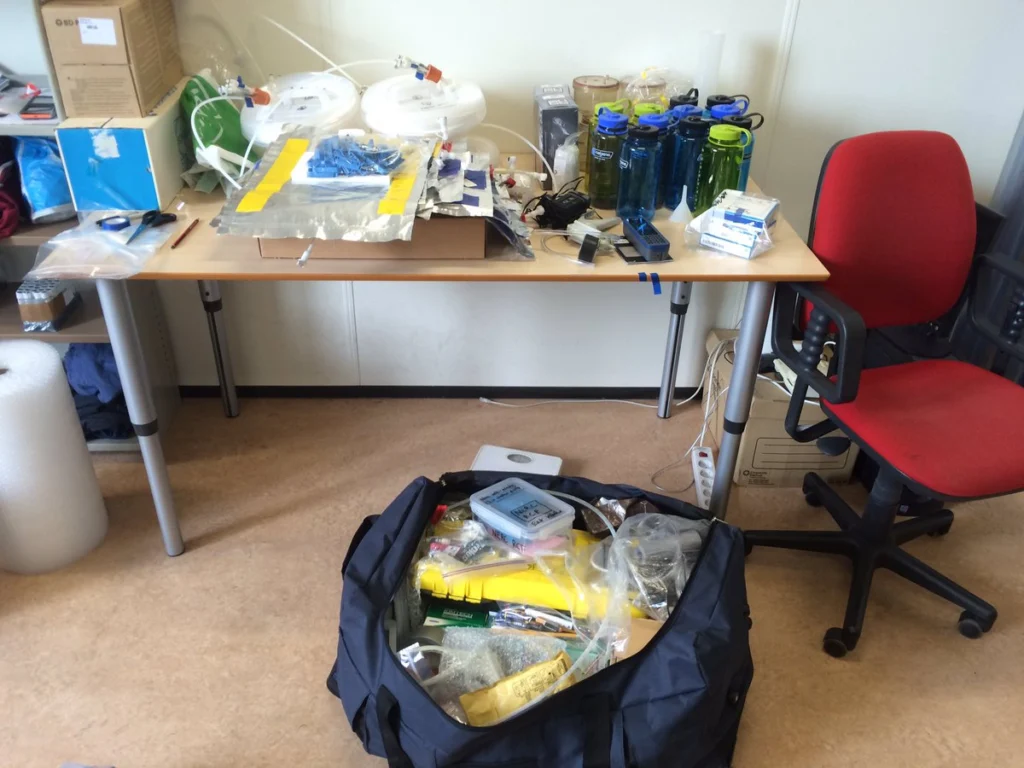
This bag belongs to Joshua Dean, Postdoc, Vrije Universiteit Amsterdam Field Work location Far Eastern Siberian Arctic: Kytalyk Nature Reserve. Duration of field work 2 weeks plus 3 days travel either side. Items in the bag Detecto Pak-Infrared (DP-IR) gas analyser [borrowed from colleagues, protect at all costs] EGM4 CO2 gas analyser [borrowed from another department, protect at all costs] water ...[Read More]

Keeping a lookout at the edge of the world

Keeping a lookout at the edge of the world

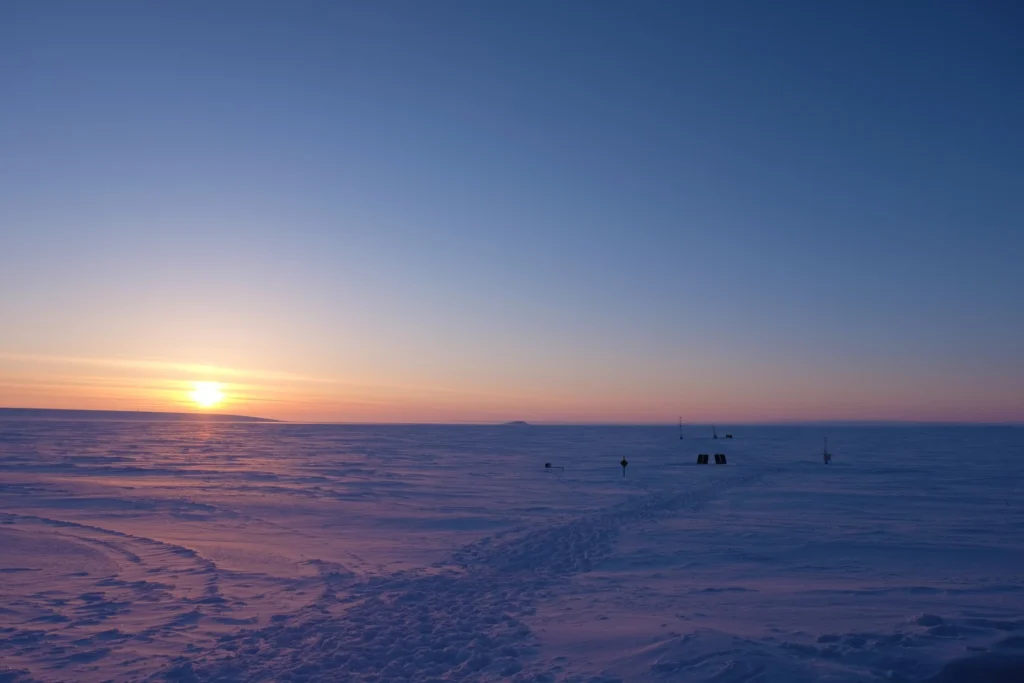
  Few places in the world conjure up images of remoteness and harshness like Far Eastern Siberia. Yet, it’s places like these where our science is needed most. Arctic soils hold vast amount of carbon, protected in thick layers of permafrost, but these stores are becoming more and more vulnerable as temperatures in the Arctic warm, and are set to warm faster than anywhere else on the planet. R ...[Read More]

Coffee break biogeosciences – New coral reef at Amazon river mouth discovered

Coffee break biogeosciences – New coral reef at Amazon river mouth discovered

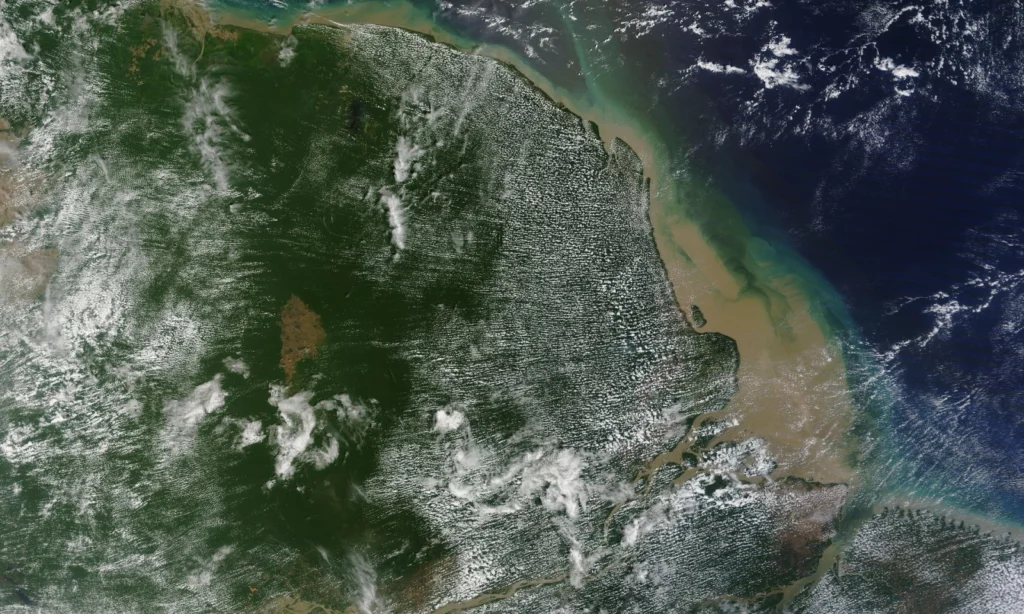
At the Amazon river mouth, a huge 9,300 sq km coral reef system has been found below the muddy waters off the mouth of the river Amazon. As corals mostly thrive in clear, sunlit, salt water, and the waters near the mouth of the Amazon are some of the muddiest in the world, the discovery of this almost 2000 km long reef leaves scientists puzzled about the potential extent of coral reefs worldwide. ...[Read More]

General assembly 2016: our session picks

General assembly 2016: our session picks

Whether you’re an experienced attendee of the EGU GA, or this is your first time there are always things to look out for, it is always worth attending your division’s division meeting, one of the great debates, and keep an eye out for short courses which may be of interest to you. Here are the recommendations from the Biogeosciences Blogging team: The BG division meeting is Thursday from 12:15-13: ...[Read More]

Digging up bones for science – looking into 48 million years old blood vessel-like structures

Digging up bones for science – looking into 48 million years old blood vessel-like structures

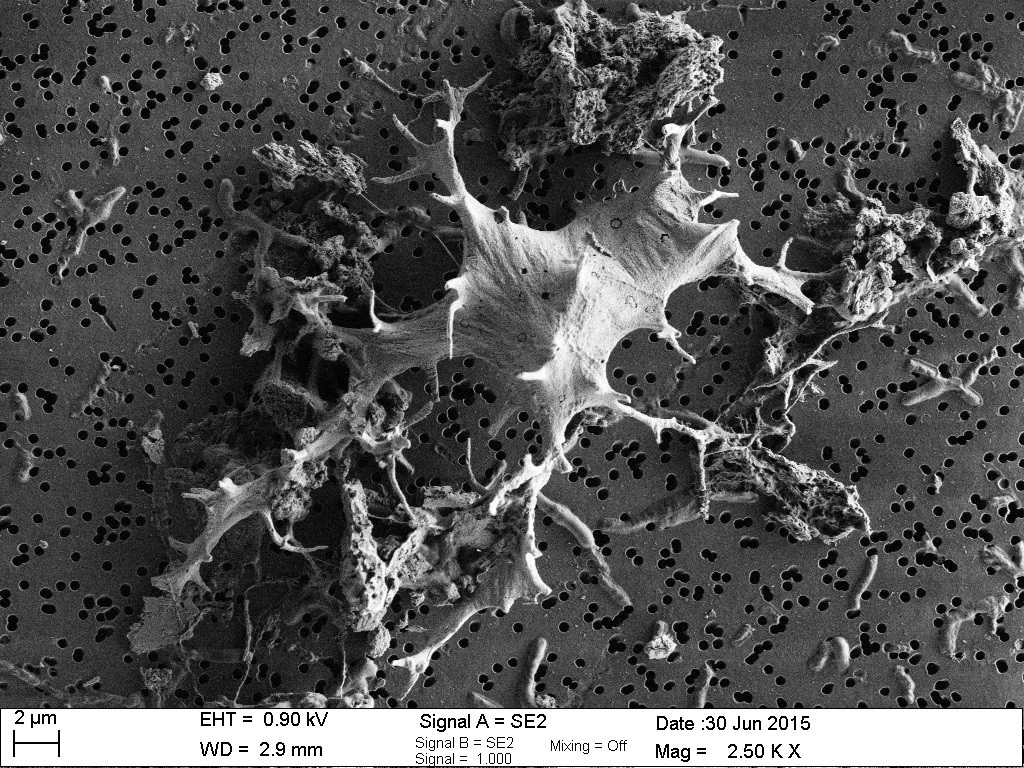
The Messel Pit is a worldwide famous fossil site recognized by UNESCO as a World Natural Heritage Site because of the exceptional preservation, as well as the diversity of its fossils from the early-middle Eocene (~48 Ma). The Messel Pit, located in an old Quarry in Germany near Frankfurt am Main , includes fossils from vertebrates (turtles, crocodiles, mammals, birds, lizards, among others), inve ...[Read More]

Sky-scraping Biogeoscience at 325m above the Amazonian rainforest

Sky-scraping Biogeoscience at 325m above the Amazonian rainforest

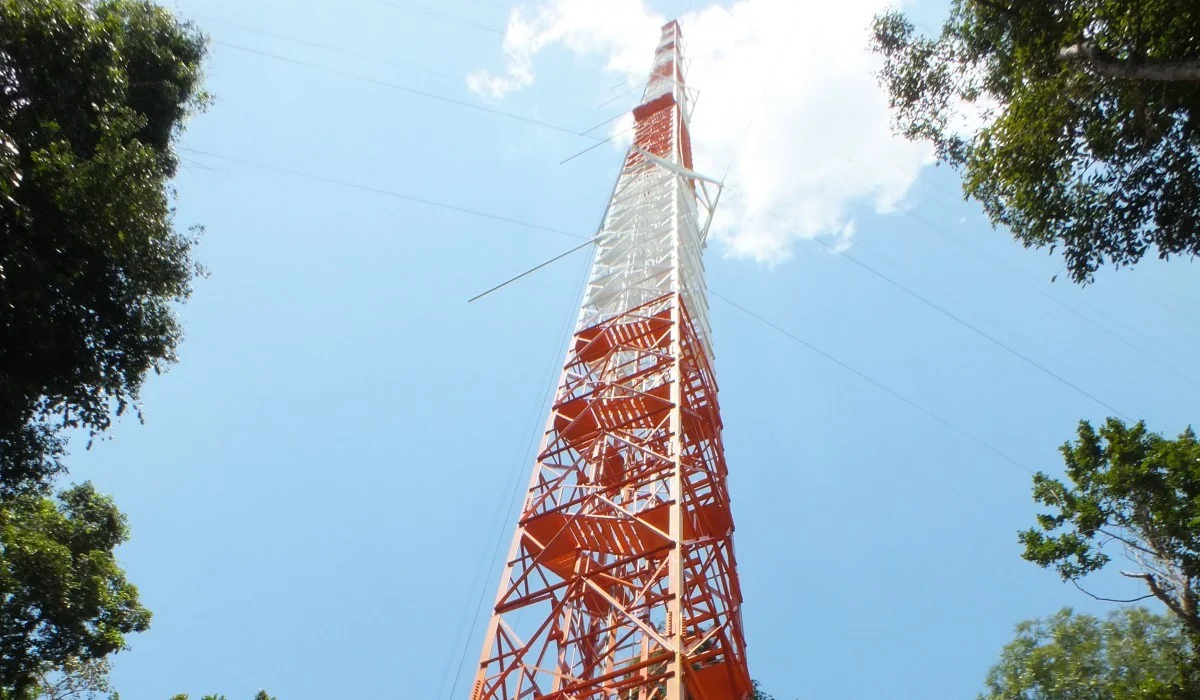
“The outcome of this project will help us to understand the Amazonian forest system before we all destroy it completely” The Amazon Rainforest in South America represents the Earth´s largest rainforest, housing at least 10% of the world´s known biodiversity and consisting of more than 350 billion individual trees. Besides its large diversity in floral and faunal species, the Amazonian ...[Read More]