Queer Quarterly is the blog series of the EGU pride group, a LGBTQIA+ team of geoscientists engaged to uphold and improve the rights of the community in the EGU organization. This week’s post is dedicated to allyship: how people outside of the community can support our efforts. The term LGBTQIA+ is the abbreviation for Lesbian, …[Read More]
Latest posts
Top 5 Gifts for Geoscientists (2024 edition!)
The nights are growing darker and there is snow on the ground here in Munich as winter draws in, in the Northern Hemisphere, and at this time of year you are probably thinking about what gifts to get that special geoscientist in your life! We know sourcing appropriately nerdy and/or geology related gifts can sometimes …[Read More]
“State of the ECS”: EGU 24/25 and, our new members!
For this “State of the ECS”, our Seismo-team will introduce themselves and tell about their ECS experience. Happy reading! Greetings! I’m Adam and by a twist in the timestream in Vienna I ended up as an editor of blog of the Seismology ECS division. If your (or your colleague’s) research touches on any aspect of …[Read More]
Open climate science is brave climate science
Why are we climate scientists? For us, there is a number of reasons: we feel a strong bond to nature, we like to solve puzzles and we want to understand the mechanisms of what we see every day. And – even if it only manifests at the end of a causal chain – we want …[Read More]
You don’t have to review alone… introducing EGU’s new co-reviewing scheme for Early Career Scientists and first time reviewers
Any journal editor will recognize this challenge: a new manuscript arrives for review. It’s great, and you’re enthusiastic about getting it into the system, but suddenly, there’s a problem. All the suggested reviewers are unavailable! What do you do now? Across publishing fields, it is becoming increasingly difficult to find suitable reviewers for scientific manuscripts. …[Read More]
GMPV is looking for the new ECS Rep!!!
The Geochemistry, Mineralogy, Petrology and Volcanology division of the EGU is looking for a new Early Career Scientist representative (ECS rep)! The outgoing rep (Simona Gabrielli) will be standing down officially at the EGU General Assembly 2025, so this is your opportunity to take this role! Why become an early career scientist representative? Being the …[Read More]
Happy birthday to the Cryoblog!
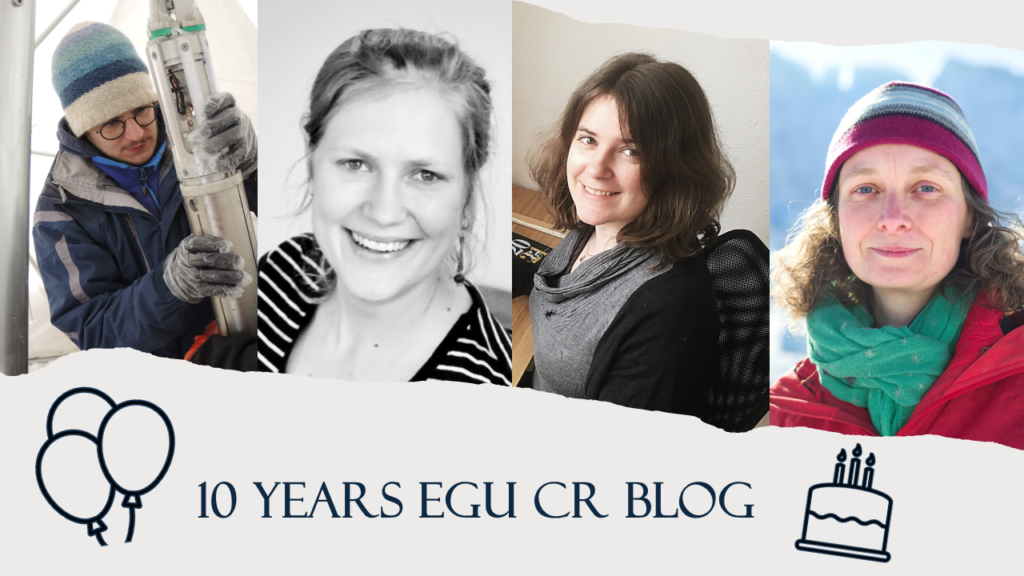
The EGU Cryosphere Blog is now 10 years old: Happy Birthday! It all started in December 2014 with this blog post from Nanna Karlsson, and now counts 452 blog posts across 25 blog categories, including winning three Best EGU blog posts (2016, 2019 and 2021). 881 different (hash)tags were used in our blog posts, …[Read More]
Can we mend our Earth, one gully at a time? New research reveals that the answer is YES!
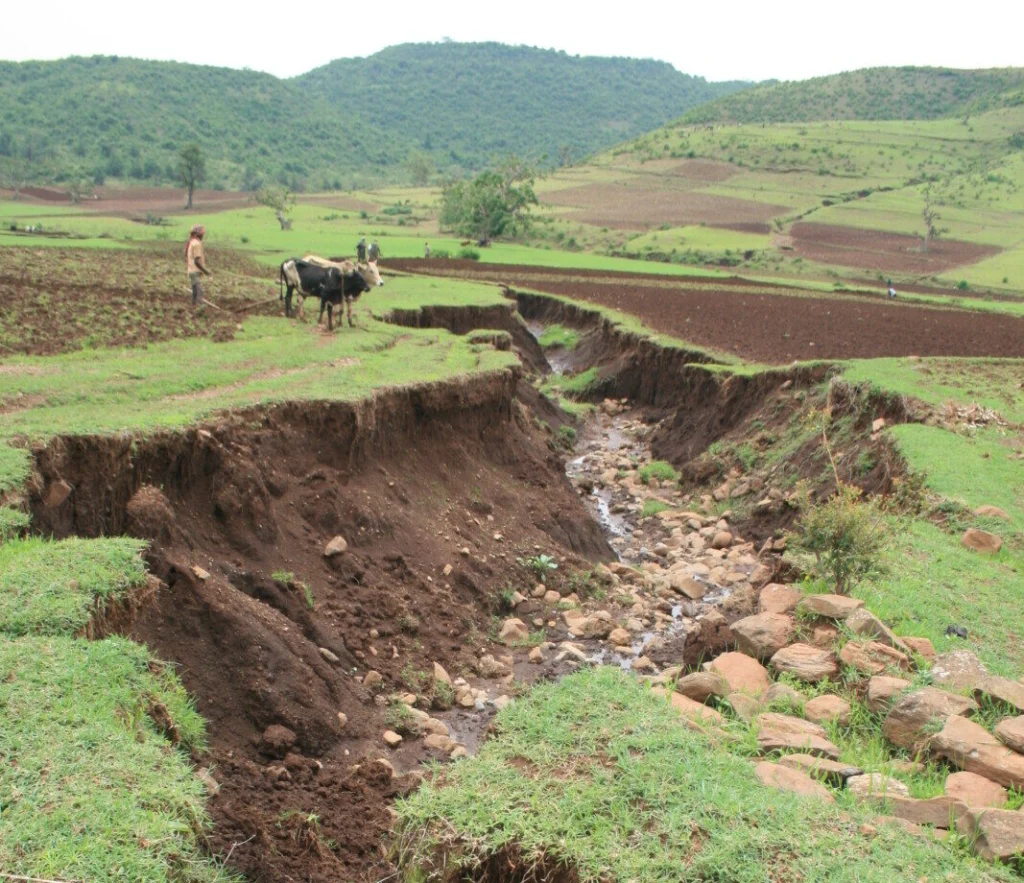
Imagine losing your land – little by little – to deep, destructive trenches carved by rain and flowing water. This is what gully erosion does, a problem that has been devastating several communities worldwide. Ethiopia’s Aba Bora Watershed, the subject area of a recent study published in the EGU open access journal, SOIL, is located …[Read More]
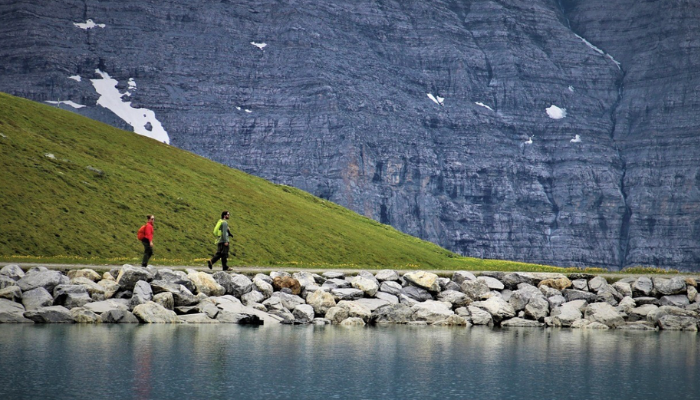
What are water walks, and how can you use them as a research method to gather social science research data?
While doing my PhD, which explored community water governance in Scotland, I interviewed participants to understand their work and views concerning communities. I quickly found that I wanted and needed to leave my and their offices to have these conversations. The setting restricted the conversation, making it difficult to connect with what they told me, …[Read More]
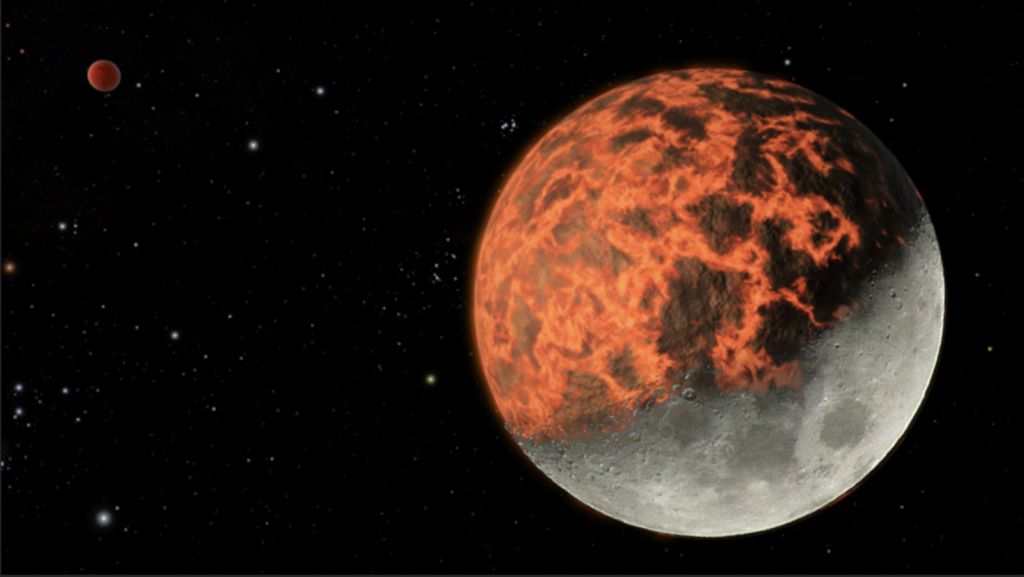
How Hot our Moon Can Get: Mapping Radioactive Elements and Thermal State of the Lunar Interior
Geochemists and geophysicists, even with their favorite tools, have often scratched their heads while probing Earth’s deep interior—one can only imagine the challenges while applying those techniques to the Moon! This week in News & Views, Arkadeep Roy, a PhD candidate from the University of Arizona demonstrates how the intersection of experimental petrology, geochemistry, and geophysical …[Read More]