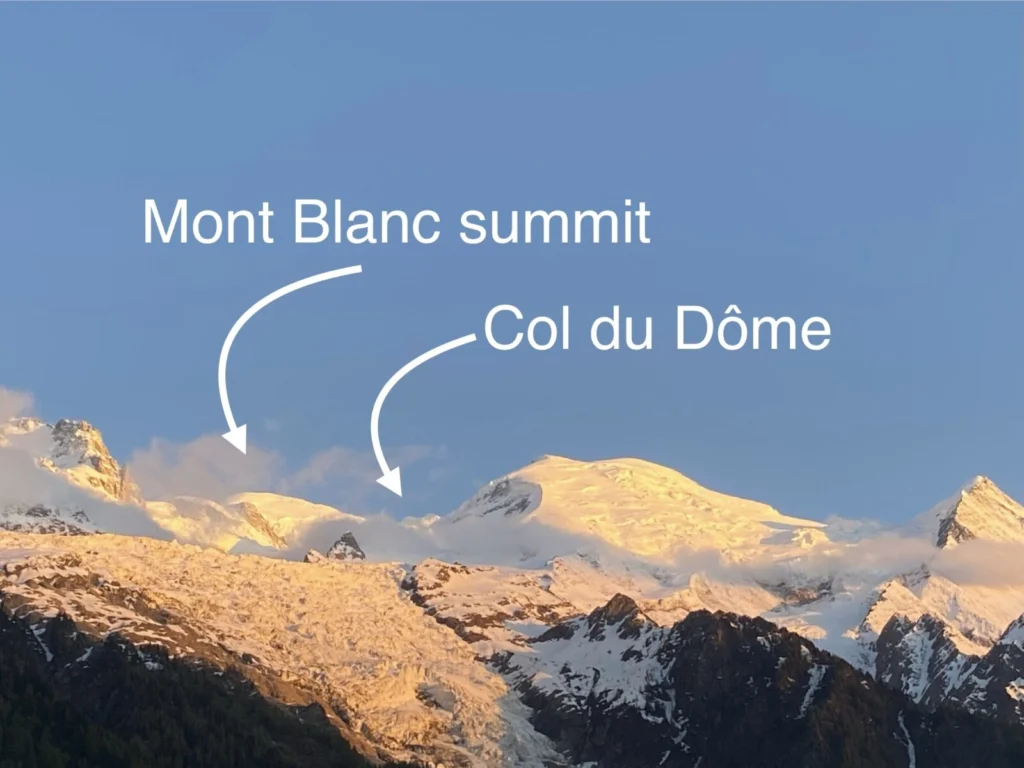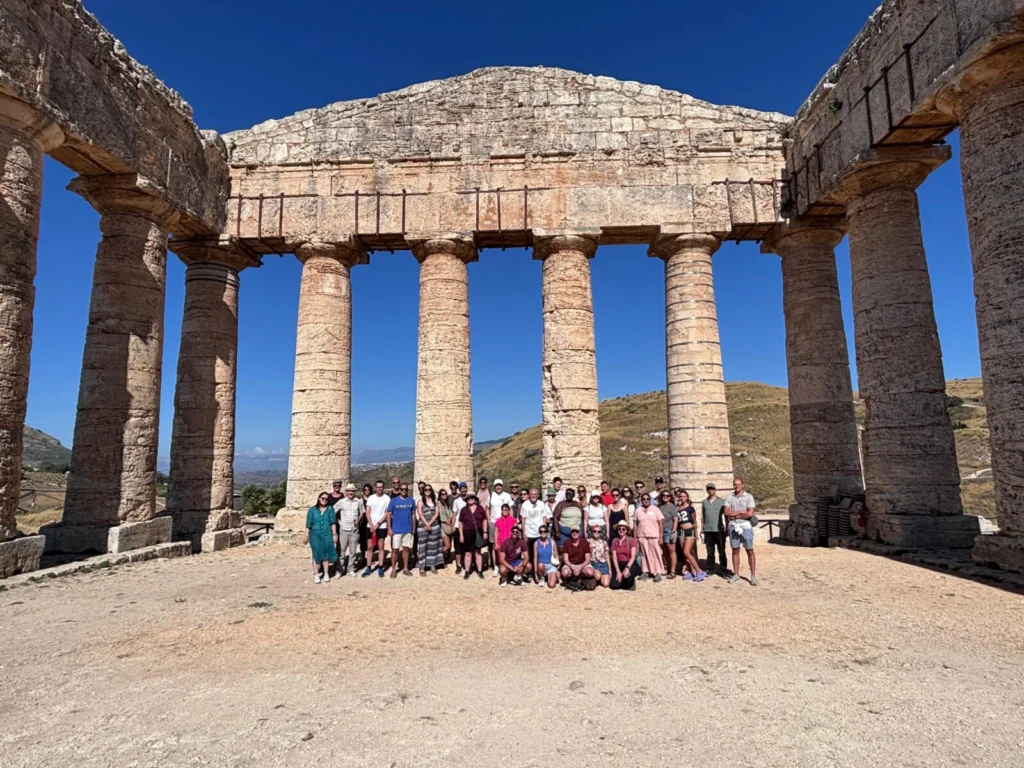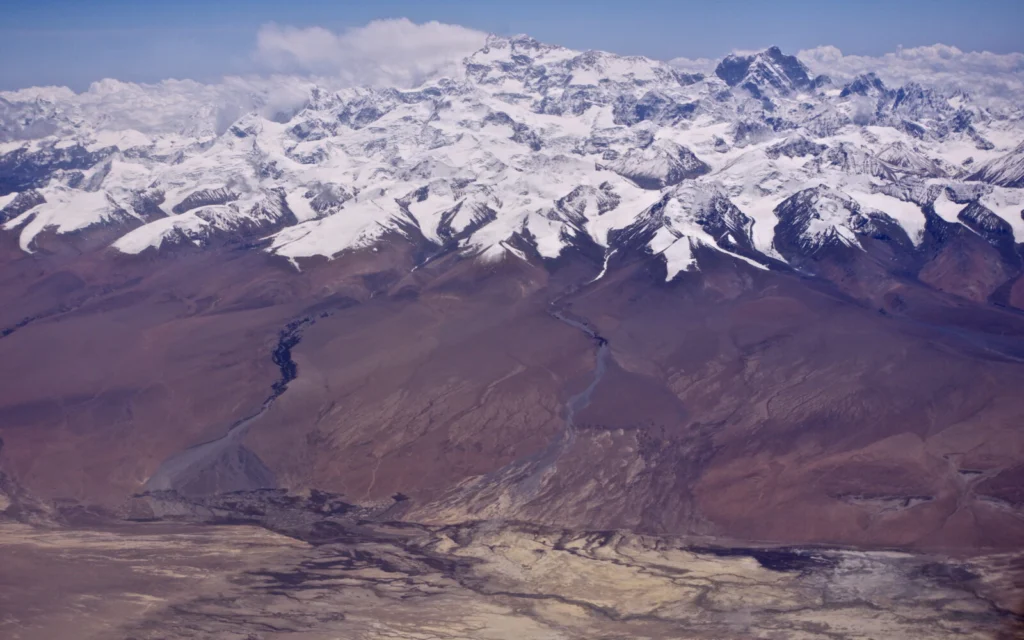
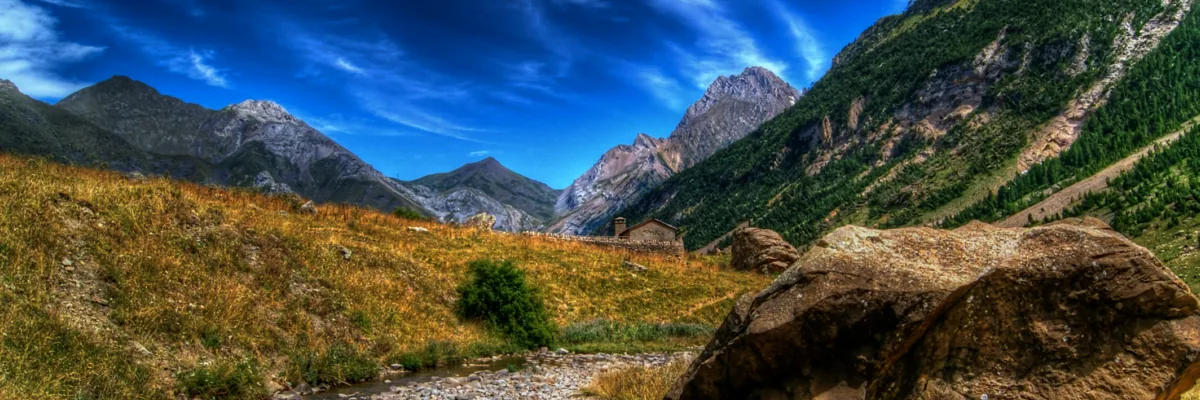
Geological tourism, or geotourism, offers a unique way to experience our planet’s incredible history and ongoing dynamic processes. Beyond simply admiring beautiful landscapes, geotourism invites us to understand the forces that shaped them, from ancient tectonic movements to the relentless power of erosion. Join us as we explore some remarkable geotourism destinations, each telling a …[Read More]
Latest posts
Biogeosciences
On ice: algal blooms and the Greenland Ice Sheet
On the first episode of the EGU Biogeosciences Division’s podcast series, Bikem Ekberzade interviews Helen Feord on the algal blooms that contribute to the melting of the Greenland Ice Sheet. Together with Feord, a researcher for the 5-year long project DEEP PURPLE the two scientists talk about cryosphere research, climate change and what it means …[Read More]
Climate: Past, Present & Future
Meet the new ECS-Team of the Climate Division
Dear Climate ECS Community, Welcome to the Climate ECS community! We’re a team of early career scientists who love connecting with fellow researchers, organizing events, and building a strong and supportive network. Let’s grow, share, and create impact together! Early career scientists (ECSs) make up a significant part of the EGU membership. We are committed …[Read More]
GeoLog
GeoRoundup: the highlights of EGU Journals published during July!
Each month we feature specific Divisions of EGU and during the monthly GeoRoundup we put the journals that publish science from those Divisions at the top of the Highlights section. During this month, we are featuring Earth Magnetism & Rock Physics (EMRP), Geodesy (G), and Geomorphology (GM). They are represented by the journals Geoscientific Model Development …[Read More]
Geodynamics
Reflecting on the 2025 Gordon Research Seminar (GRS) – Interior of the Earth
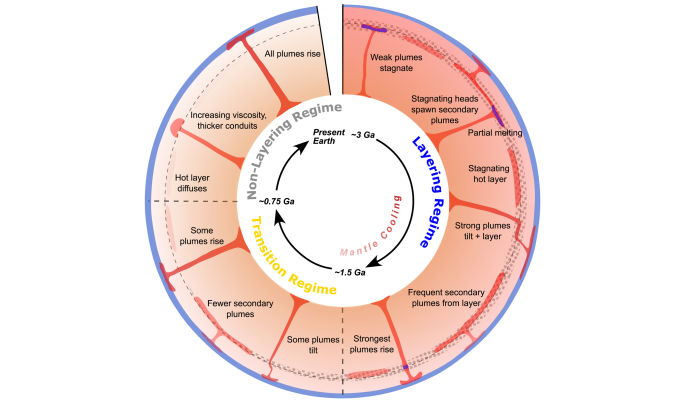
This week in News & Views, Heidi Krauss, a PhD student at Michigan State University, shares her experience co-chairing the 2025 Interior of the Earth Gordon Research Seminar, held at Mount Holyoke College in South Hadley, Massachusetts. Earlier this year, I had the opportunity to help co-chair the Gordon Research Seminar (GRS) on the Interior …[Read More]
Hydrological Sciences
How to Become an EGU26 Convener
Have you ever thought about convening an EGU session instead of just attending them? Until September 16 you have the chance to do just that for the 2026 General Assembly, which will be taking place from May 3 to 8 2026 in Vienna, Austria. Convening a session can sound a bit intimidating, especially if you’ve never …[Read More]
Hydrological Sciences
Your contribution to the Hydrology Division programme of GA2026
The call-for-session-proposals for the General Assembly (GA) 2026 was launched on July 29. We take the opportunity to encourage all members of the hydrological community to participate in shaping the next year’s conference programme and in particular early career scientists. (Co-)convening a session is a great experience and the perfect networking opportunity. The Hydrology Division …[Read More]
GeoLog
Mangroves: Our coastal guardians of soil, biodiversity, and climate
Mangrove forests, rare tidal woodlands at the interface of land and sea, are extraordinary ecosystems that bridge freshwater and marine environments. These forests support rich biodiversity and invaluable nursery habitat for fish and crustaceans, while also providing food, shelter, and cultural resources to millions of coastal communities. Think of mangroves as sea walls: their dense, …[Read More]
Geodesy
Bits and Bites of Geodesy – Trilateration on Vacation: How GNSS Locates You
Summer vacations are finally here! Like every year, many of us are ready to travel and explore new and exciting destinations. And of course, the GPS on our phones will be an indispensable travel companion! Did you know that GPS (or GNSS) positioning is one of the traditional geodetic techniques? Come along to discover how …[Read More]
Cryospheric Sciences
Did you know: Soot is a melting agent for glaciers in Peru and China
Mountain glaciers are melting rapidly due to global warming. This process is being intensified by increasingly extreme natural events, such as forest fires and air pollution from human activities. One of the main culprits is a tiny but powerful pollutant called black carbon (commonly known as soot) which darkens the surface of the snow and …[Read More]