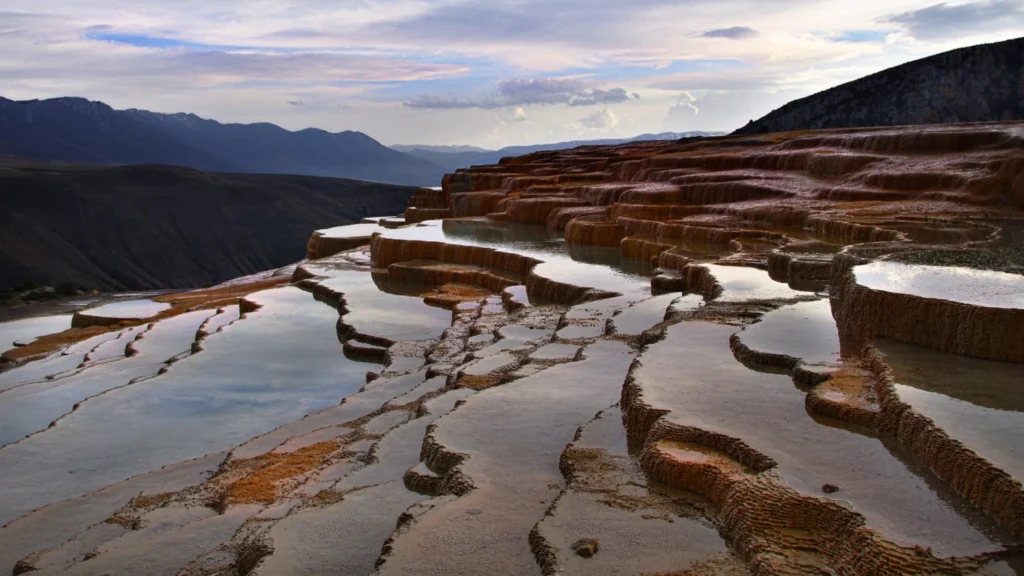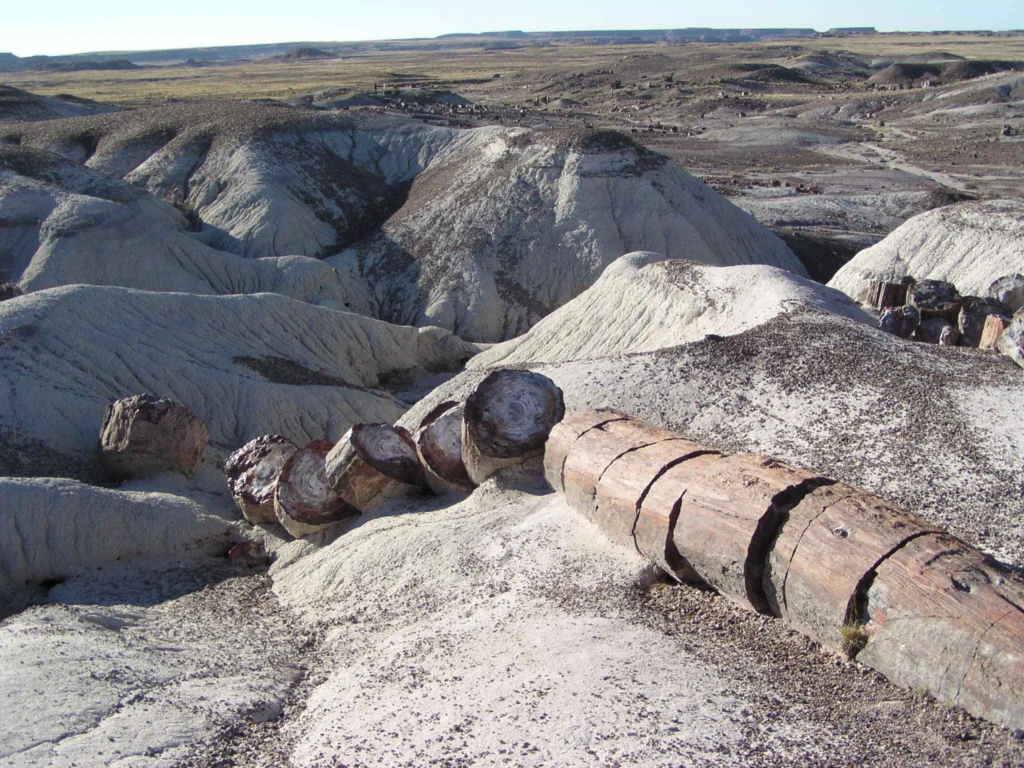
This image shows bottomset beds from the Kerinitis Gilbert-type delta. The Pleistocene delta uplifts along the active southern margin of the Corinth rift in Greece. A bottomset bed is one where layers of sedimentary material lying along the bottom of a body of water near the point of entry of a stream are subsequently covered …[Read More]
Latest posts
GeoLog
GeoPolicy: How geoscience can support the European Green Deal
Earlier this year, the EGU hosted the Integrating science into the EU Green Deal event in collaboration with the Intergroup on Climate Change, Biodiversity and Sustainable Development to outline how the geosciences can most effectively support the European Green Deal and ensure its ambitious biodiversity and zero-pollution targets are reached. The event provided policymakers, scientists and …[Read More]
Seismology
Seismology Job Portal
On this page, we regularly update open positions in Seismology for early career scientists. Do you have a job on offer? Contact us at ecs-sm@egu.eu Please, note that other available research positions are displayed on the EGU Jobs Portal. Special Thanks to Eric Löberich for researching job postings for the ECS.
Cryospheric Sciences
How small changes can make a big difference: tipping points in Antarctica
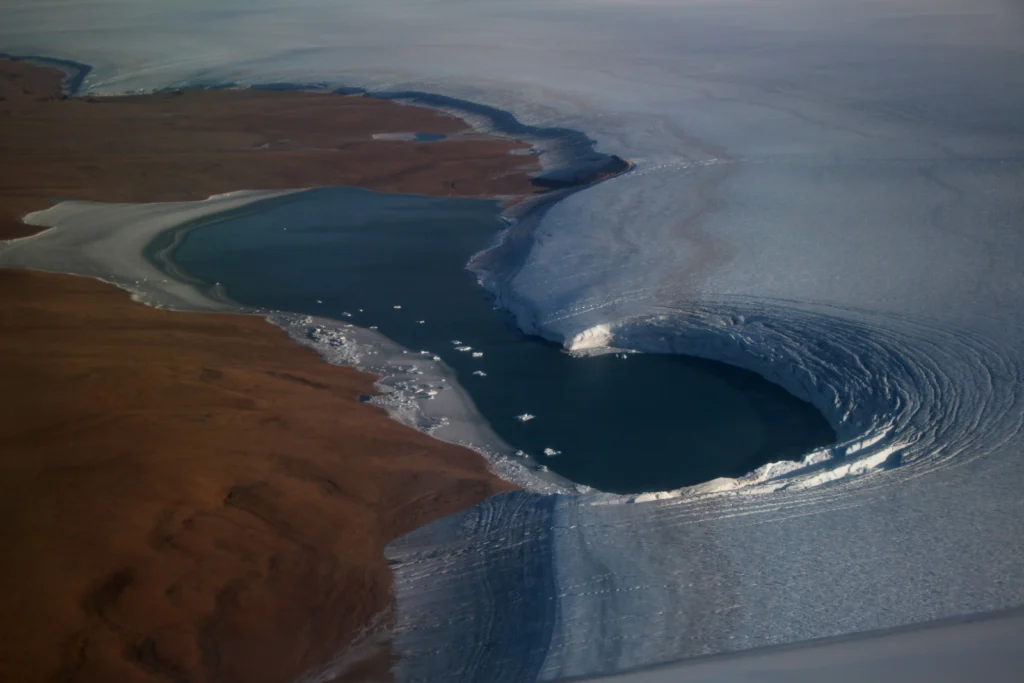
As Antarctica’s mass loss increases, the threat of crossing tipping points both in the ice sheet and the surrounding Southern Ocean is increasing. But what actually is a tipping point? Have tipping points already been crossed in the past? And what might the future hold? What do we mean by a “tipping point”? Scientifically speaking, …[Read More]
Geodynamics
The Sassy Scientist – Reaching For The Stars
In a world of repetitive home office clean-ups, Freya is teetering on the brink of mental breakdown. Whereas al of our brilliant suggestions, such as cooking, befriending your neighbours, brush up on your programming skills, consider a career outside academia, acquiring new hobbies or wasting your time watching silly movies, have not posed good enough …[Read More]
Nonlinear Processes in Geosciences
A new European effort to better understand extreme weather
Extreme weather events routinely have detrimental socio-economic impacts around the globe. In fact, weather-related events make up over 90% of natural disasters worldwide [1]. In the new millennium, the frequency of many extreme weather events such as droughts and high temperatures, has systematically exceeded the levels seen in the 1980s and 1990s [1], and anthropogenic …[Read More]
Atmospheric Sciences
A new European effort to better understand extreme weather
Feature Image: Screenshot of the european weather Extremes: DrIvers, Predictability and Impacts (EDIPI) homepage. Background Image Credits: Copernicus Sentinel data, processed by ESA. Extreme weather events routinely have detrimental socio-economic impacts around the globe. In fact, weather-related events make up over 90% of natural disasters worldwide [1]. In the new millennium, the frequency of many …[Read More]
Geodynamics
In honour of Movember: geo-moustache-inspiration
As we are 11 days into November, you might have started to become suspicious of the increased number of people around you growing out their moustaches. While this could be due to the fact that many of us are sequestered at home and may have forgotten the point of personal grooming, there is a good …[Read More]
Climate: Past, Present & Future
A new European effort to better understand extreme weather
Extreme weather events routinely have detrimental socio-economic impacts around the globe. In fact, weather-related events make up over 90% of natural disasters worldwide [1]. In the new millennium, the frequency of many extreme weather events such as droughts and high temperatures, has systematically exceeded the levels seen in the 1980s and 1990s [1], and anthropogenic …[Read More]
Seismology
Thirty-nine days onboard the Langseth
When you picture sailing on a ship, what do you imagine? Cool breezes, salt spray, glorious sunrises, the peaceful sounds of breaking waves and passing gulls’ cries? As it turns out, you can go for multiple days at sea without directly looking at, smelling, or hearing the ocean waves – at least, you can if …[Read More]