Detail of a photo: Large angular boulder beside a shallow pebbly stream in a grassy mountain valley, below steep forested slopes and rocky peaks under a dramatic blue sky, in heavily processed colours.
EGU Blogs

Latest posts

BG

Looking back at our first BG campfire.
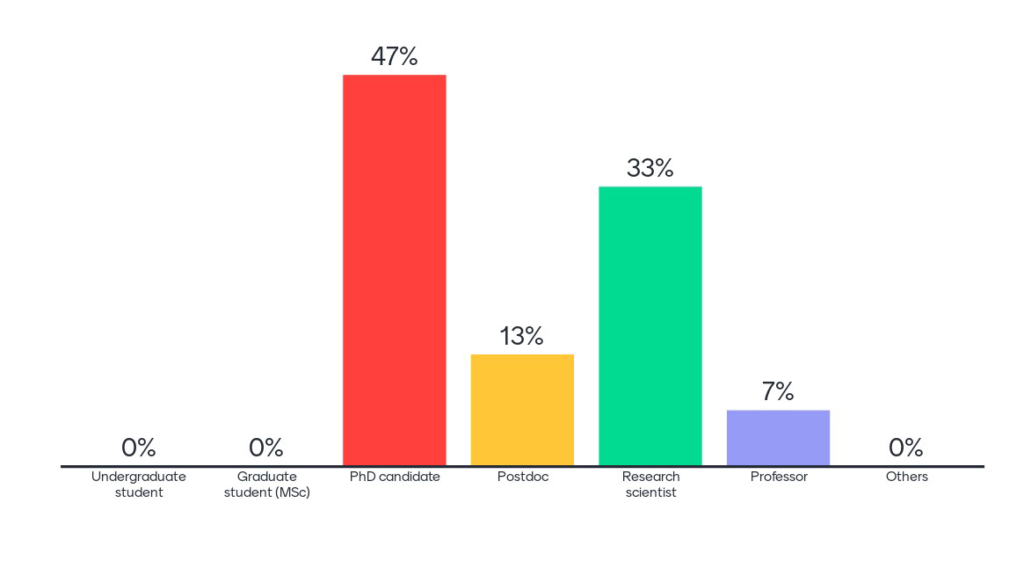
Graph showing participation by career stage.

The BG division is extremely excited about including campfire events in our regular program. Campfires are informal events where we would like to bring together the biogeosciences community to discuss, learn or implement new ideas. To do so, we first wanted to know what the hottest topics are that interest our members. We celebrated the …[Read More]

GD

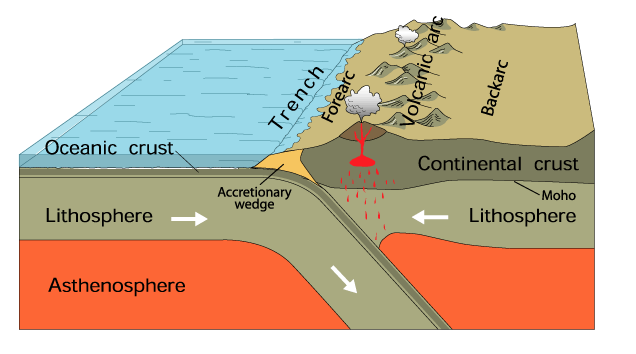
Modelling the Thermal Evolution of Subduction Zones

Modelling the Thermal Evolution of Subduction Zones

Subduction zones are as complex as they are ubiquitous. To understand subduction zone dynamics and processes we first have to understand the thermal structure of subduction zones and how this evolves in time. This week Adam Holt, Assistant Professor in the Department of Marine Geosciences (MGS) at the University of Miami Rosenstiel School of Marine …[Read More]

GD

Stellar storms in other worlds: implications for the stability of exoplanetary atmospheres

Stellar storms in other worlds: implications for the stability of exoplanetary atmospheres

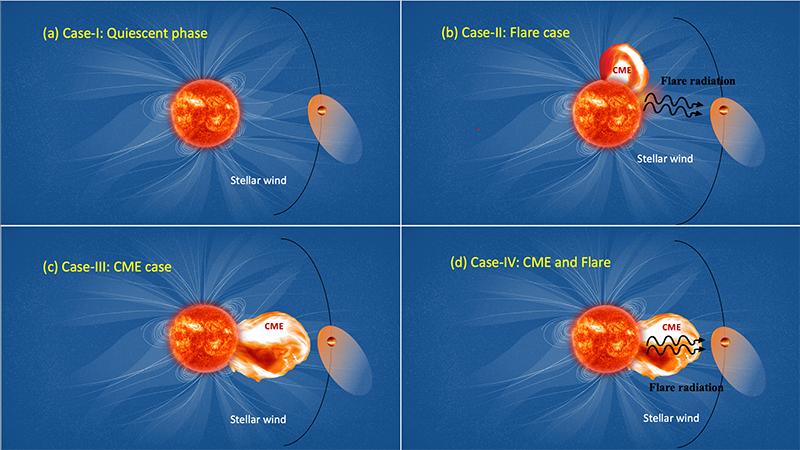
Stellar storms modify the atmospheric evolution of planets. ‘Hot Jupiter’ planets being very close to their host star, are often affected by such storms. In this week’s peculiar planet, Gopal Hazra, a post-doctoral fellow at the School of Physics, Trinity College Dublin, discusses effect of stellar storms on those planets using his self-consistent hydrodynamic models …[Read More]

Imaggeo On Monday: Onsala Twin Telescopes

Imaggeo On Monday: Onsala Twin Telescopes

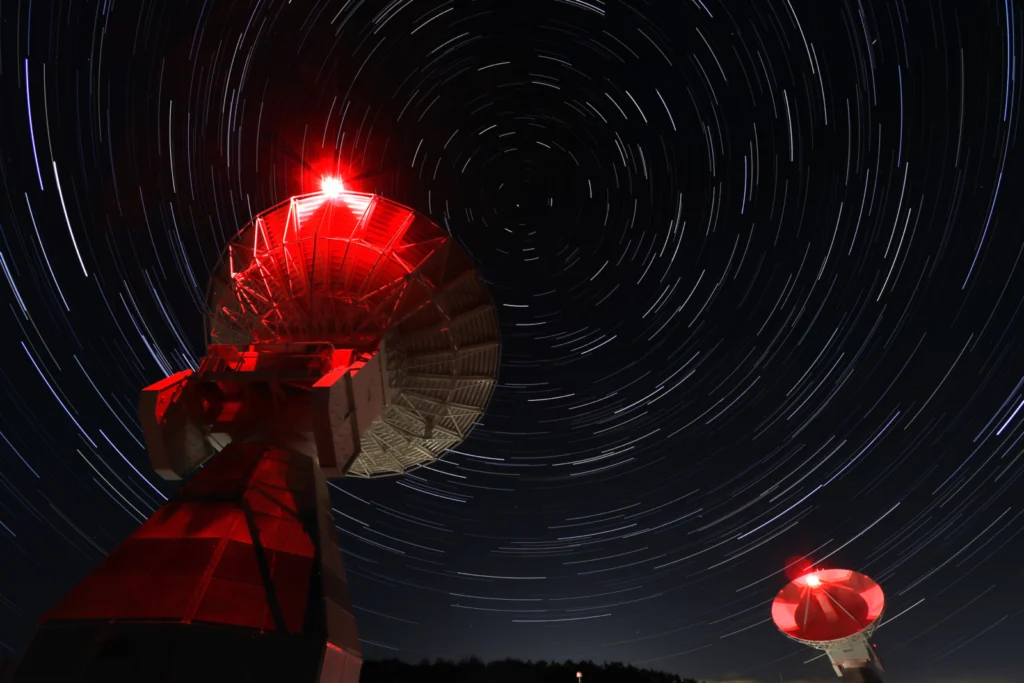
“The Onsala Twin Telescopes are part of the global geodetic Very Long Baseline Interferometry (VLBI) network. Radio telescopes all around the globe are observing extra-galactic radio sources simultaneously to determine Earth orientation parameters, source positions and station coordinates, as well as velocities. Geodetic Very Long Baseline Interferometry is used to maintain the International Terrestrial Reference …[Read More]

BG

Apply to become a BG Scientific Officer

Apply to become a BG Scientific Officer

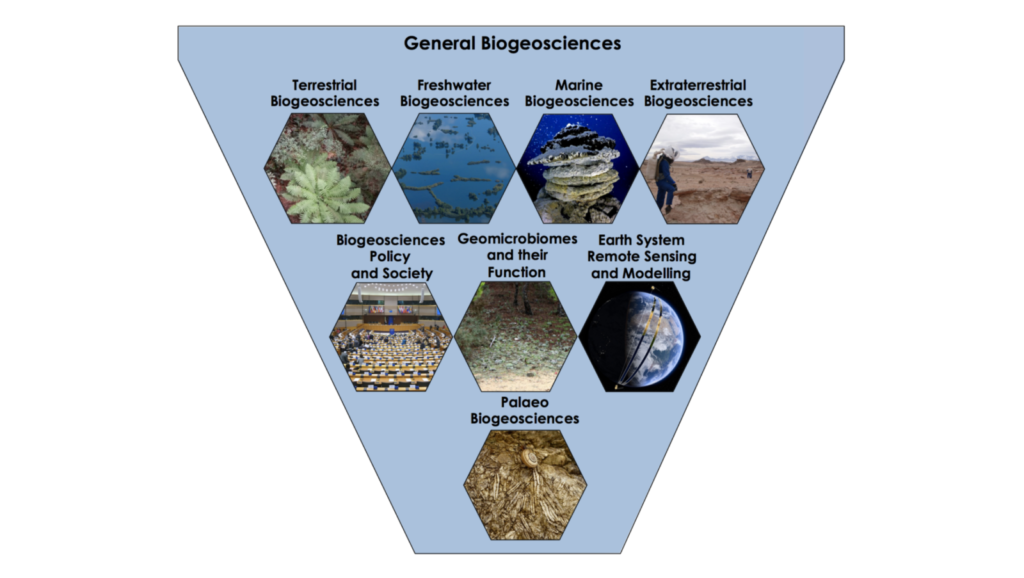
Biogeosciences Division Structure During the last EGU Biogeosciences Division Meeting we revealed how the BG Division would evolve over the next 12 months with your support and guidance. The new BG structure will consist of eight sub-divisions illustrated below. This structure maintains the visibility, expertise and diversity of our Biogeosciences community whilst creating new thematics …[Read More]