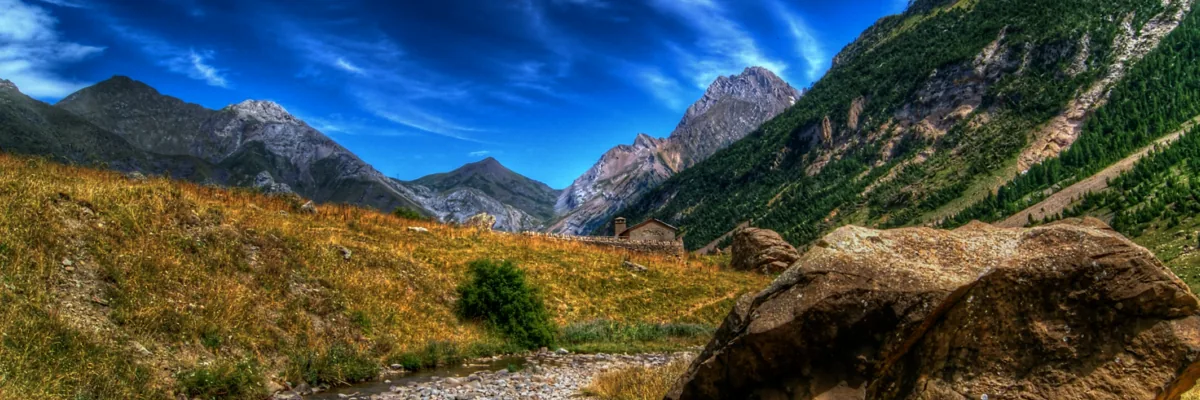
Detail of a photo: Large angular boulder beside a shallow pebbly stream in a grassy mountain valley, below steep forested slopes and rocky peaks under a dramatic blue sky, in heavily processed colours.
EGU Blogs

Latest posts

HS

Making measurements accessible through low-tech hydro sensors: a step towards better agricultural water management?
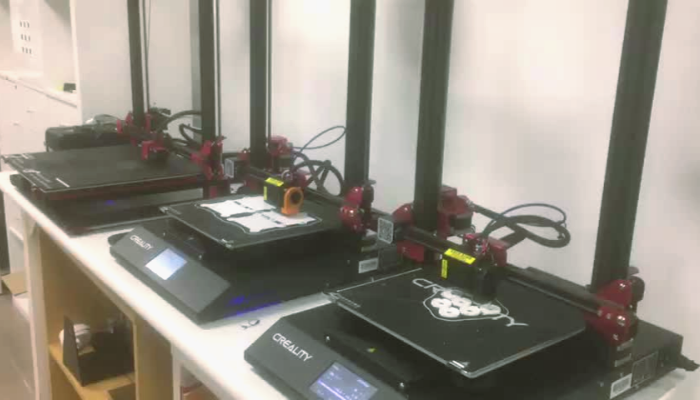
3D printers producing the casing for the low-tech hydro sensors. © P.Vandôme

“We can’t manage what we can’t measure”, said Peter Drucker, the founder of business management. Let’s see whether this applies to water management as well – especially agricultural water management. As part of my PhD project, I am wondering to what extent new (or alternative) hydro sensors may contribute to the improvement of the performance …[Read More]

SM

Seismology Job Portal

Seismology Job Portal

On this page, we regularly update open positions in Seismology for early career scientists. Do you have a job on offer? Contact us at ecs-sm@egu.eu Please, note that other available research positions are displayed on the EGU Jobs Portal.   Latest open positions: Scientist – Passive Seismic Imaging Institute: GFZ Helmholtz Centre (Potsdam, Germany) Starting: …[Read More]

GD

The Sassy Scientist – Knowns Unknown

The Sassy Scientist – Knowns Unknown

We have dealt with impostor syndrome before. Not only on this weekly column, but elsewhere in the EGU blog too. Time and time again early career researchers seem to think their peers are much smarter, promptly neglecting that everyone else has the same feelings. From the bottom of her early-career crisis, Shion asks: How do …[Read More]

GeoPolicy: Building stronger and more diverse communities at the science-policy interface

GeoPolicy: Building stronger and more diverse communities at the science-policy interface

There are numerous reasons why we should want to build stronger and more diverse scientific communities. Greater inclusivity leads to innovation, expands the pool of ideas, broadens perspectives, and encourages more people to engage. Strong and diverse scientific communities allow us to go beyond the information we can produce on our own and scale our …[Read More]