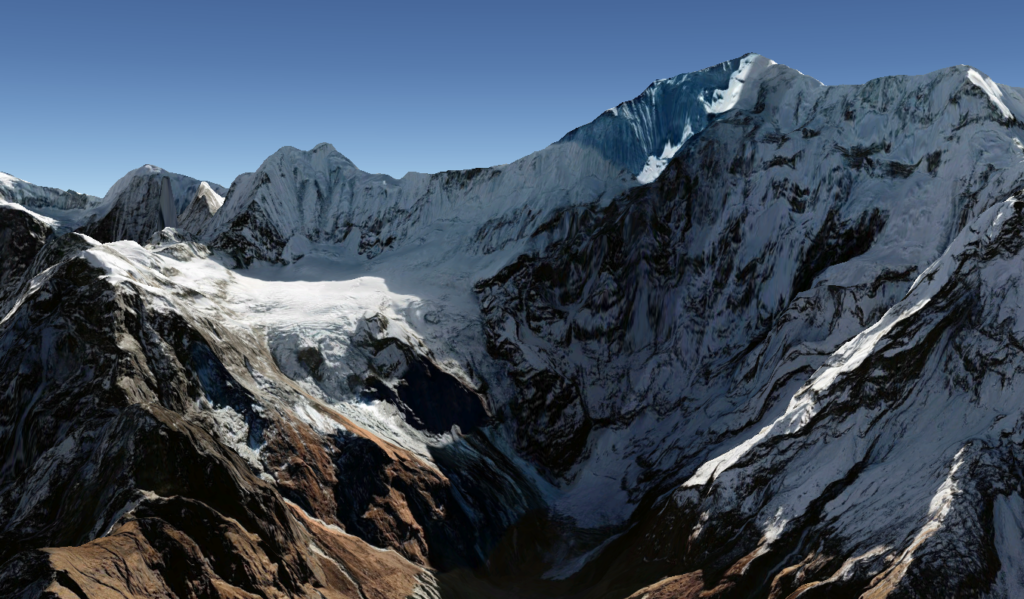
At the time of preparing this blog entry, we are less than 48 hours after the catastrophe which has hit the Himalaya. While the flow of new information continues, it is useful to summarize and clarify the key points around this event. WHAT? The massive destruction was caused by a flash flood. It was such …[Read More]
1727 search results for "network"
If you didn't find what you were looking for, try searching again.
Communicating uncertainty in science: Student perspectives from the University of Tübingen
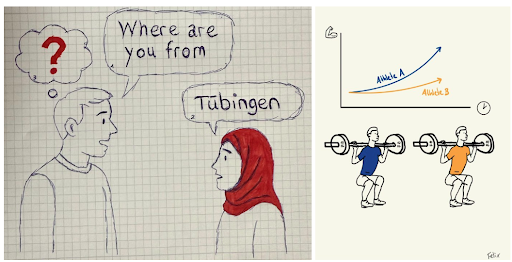
Welcome to a new series on GeoLog dedicated to one of the most critical yet frequently misunderstood aspects of research: Communicating uncertainty in science. Over the coming months, we will feature six guest posts written by students from a summer course at the University of Tübingen. Bringing together 13 students across diverse disciplines, the course …[Read More]
Regional Reference Frames: Keeping Track of a Deforming Earth
You are observing the construction of a bridge that will be initiated on the two banks of a river simultaneously, in such a way that the works will eventually meet in the middle of the river. You wonder, how do they make sure that the construction on the two sides will stay aligned with the …[Read More]
How long does an ecosystem remember the weather?
“Plants carry traces of past weather. Reading them may help us navigate a hotter, drier world.” Wenli Zhao As global warming intensifies drought frequency, understanding how ecosystems store and deplete water is critical for anticipating vegetation stress. This blog walks us through a novel groundbreaking study published on EGU journal Hydrology and Earth System Sciences …[Read More]
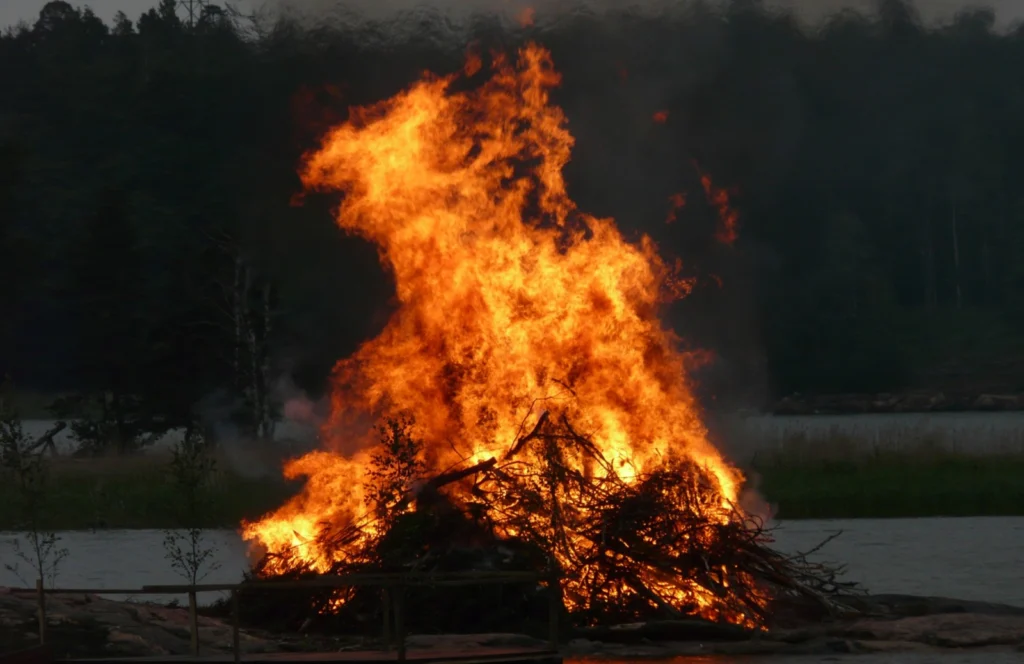
EGU Campfire Geodesy – Share Your Research – 22nd Edition
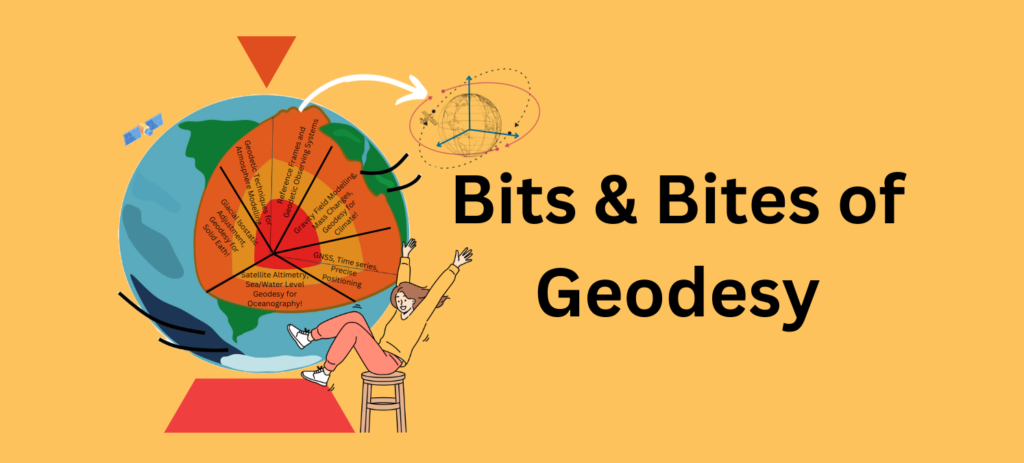
We are excited to announce the 22nd edition of Geodesy Campfire – Share Your Research in September. The Geodesy EGU Campfire Events “Share Your Research” give (early career) researchers the chance to talk about their work. We have two exciting talks by our guest speakers, Brian Bramanto and Arash Tayfehrostami. Below, you can find the …[Read More]
GeoTalk: Meet Elisa Nobile, Flood Loss & Damage researcher, & Natural Hazards Early Career Representative!
Hello Elisa! Thank you for agreeing to this GeoTalk interview. Could you briefly introduce yourself and your background to our readers? Hello, and thank you for having me. My name is Elisa Nobile and I recently completed my PhD at IUSS Pavia, in Italy. My background is in engineering for the mitigation of risk from …[Read More]
Practical Use of Natural Hazard Monitoring Systems during Escalating Risk Scenarios
Mountain hazard regimes are fundamentally shifting. There is consensus not just among concerned scientists, but practitioners of risk management, that mountain hazard regimes are affected by warmer temperatures and intensifying precipitation events. The effects of these changes are further amplified by increasing population density in known hazard zones; with more infrastructure and human settlements in …[Read More]
Has groundwater finally gone mainstream?
Groundwater has always had an image problem. Throughout my career, I have lost count of how many times we have described groundwater as an “invisible resource” or similar. It is almost a cliché in hydrogeology. We use the phrase because it captures something really fundamental: groundwater is hidden physically, but it has also been hidden …[Read More]
Mobilidiocy
Guess who’s back? Back again! Sassy’s back, tell your colleagues! This week I am going to shoot the elephant in the room by answering Will’s question “Is Mobility a plus or a must for a research career?” Now I know I have already answered a similar question some time ago, but a changing world requires …[Read More]
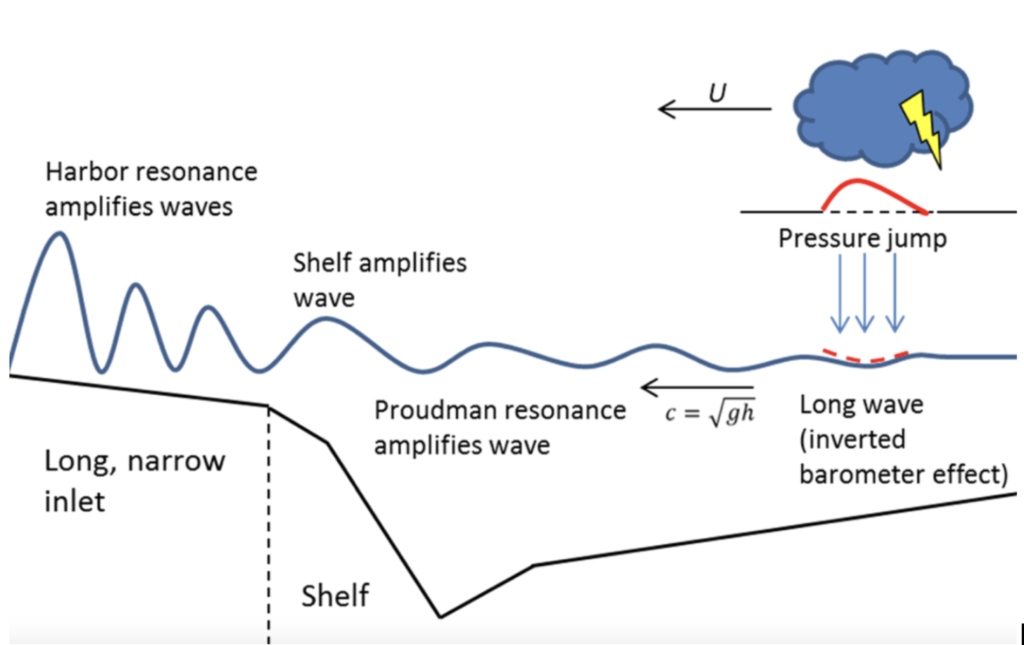
When the atmosphere moves the sea: Meteotsunami waves
Meteotsunamis or meteorological tsunamis are globally occurring progressive shallow water waves with a period of between 2 to 120 minutes which results from an air-sea interaction. They tend to be initiated by sudden pressure changes and wind stress from moving atmospheric systems with sources ranging from convective clouds, cyclones, squalls, thunderstorms, atmospheric gravity waves and …[Read More]