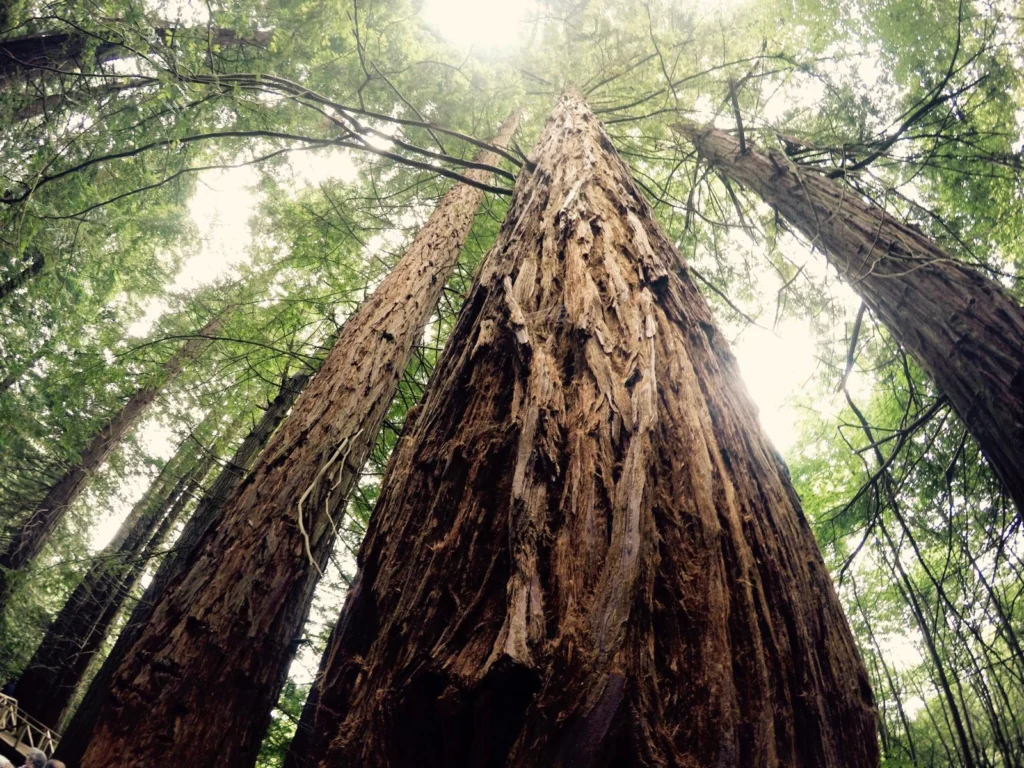
Although more commonly associated with the west coast of the United States, if you visit Cabezón de la Sal in Spain you may come across a stand of giant redwood trees or Sequoia. Around 800 trees were brought to Spain in the 1940s, so are still very young, but even at their young age they …[Read More]
1728 search results for "network"
If you didn't find what you were looking for, try searching again.
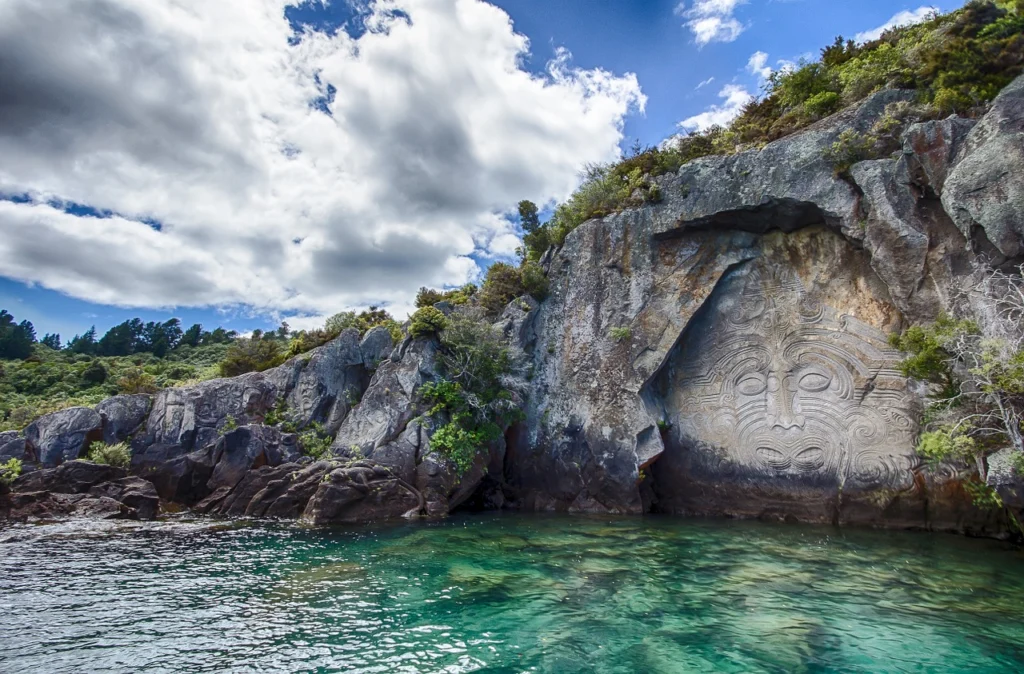
Using Geoscience Skills to Improve Global Health; Integrating Indigenous Knowledge and Science. That and more in Jesse Zondervan’s Apr-Jul #GfGDpicks #SciComm
Jesse Zondervan picks his favourite posts from geoscience and development news which cover the geology for global development interest. Here’s a round-up of Jesse’s favourite selections for the last four months of 2020: In the words of Sarah Derouin at AGU’s Eos “some geoscientists have seen their productivity grind down to plate tectonics speeds while …[Read More]
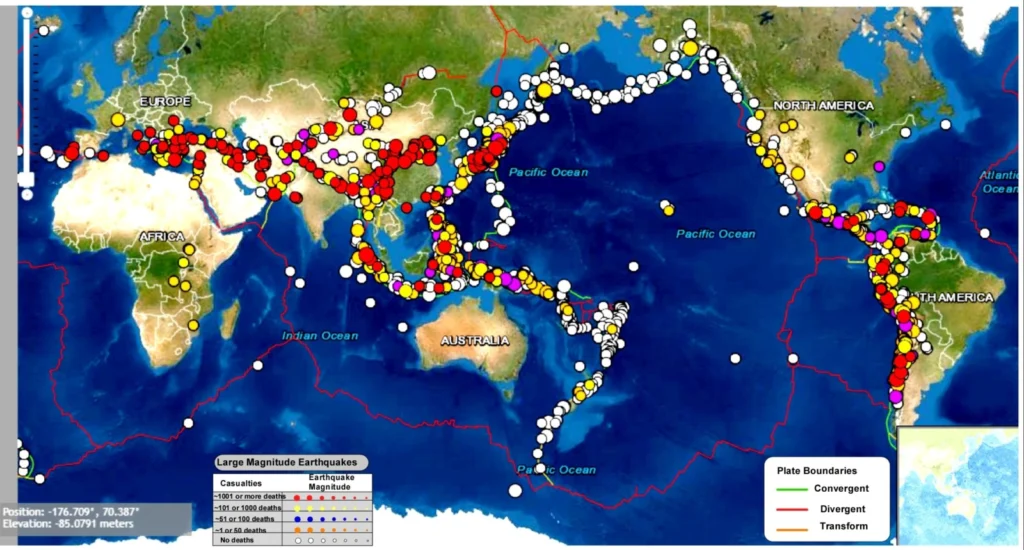
Faults and earthquakes as friends and not foes
The earthquakes’ occurrence on the planet Earth is largely considered synonymous with disasters and people generally perceive geological faults as a threat to life and belongings. However, there are exceptions since a small community of earthquake researchers relate the occurrence of earthquakes with the lithospheric plate interactions where movement on faults causes earthquakes. Therefore, my …[Read More]
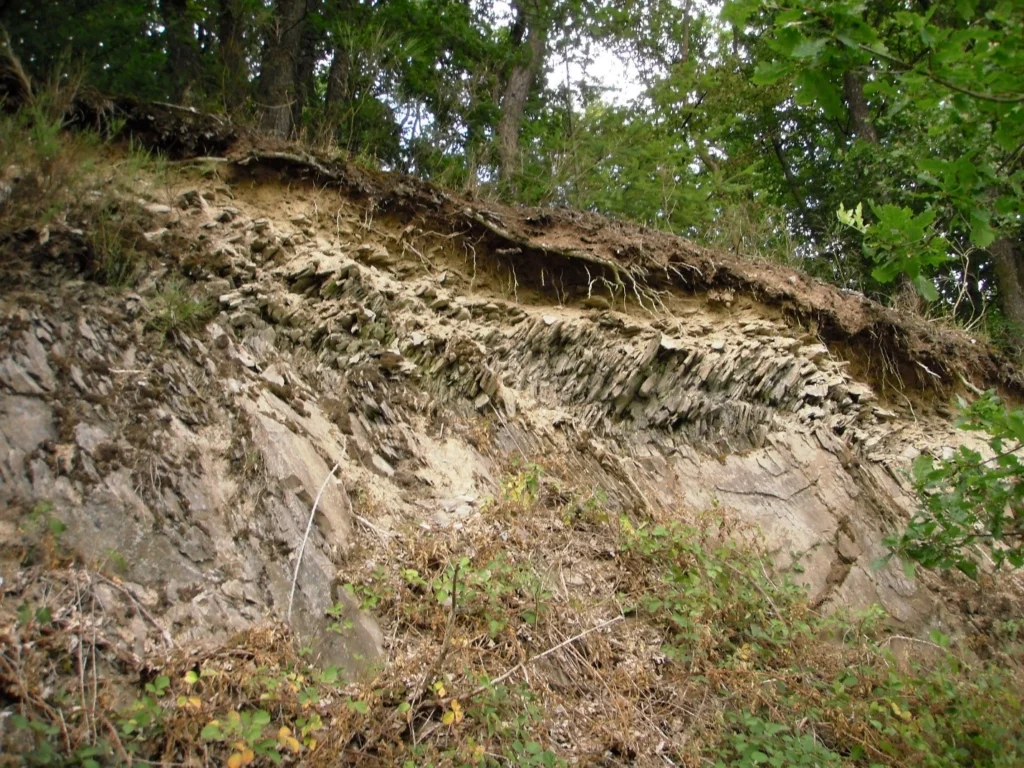
Featured Catchment: The Weierbach – Yet another temperate forested headwater?
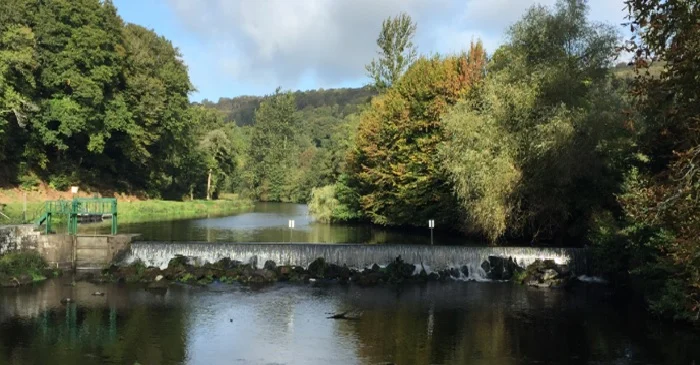
Slate bedrock, an often overlooked system At first sight, the Weierbach catchment may seem unspectacular. It is indeed a small (42 ha) forested headwater catchment, located at mid-latitude in a low mountain range (450-500 m a.s.l.). However, when you take a closer look, and particularly below the surface, the Weierbach is a truly exciting eco-hydrological …[Read More]
Introducing Our New Authors – Olivia Mejías
Over the next few weeks, we’d like to introduce you to some new faces on the GfGD blog, bringing fresh ideas and perspectives on topics relating to geoscience and sustainable development. We’re delighted to have their input and look forward to their posts. Today we interview Olivia Mejías – a project geologist currently researching critical …[Read More]
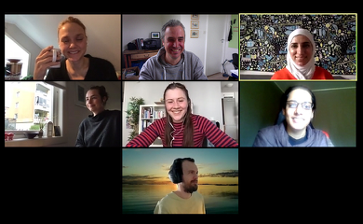
That’s us! – The new GMPV ECS Team 2020/2021
Usually our blog posts are about fancy minerals and cool science, but today we want to use this platform to introduce you to our new GMPV ECS team for the term 2020/2021! First of all, what exactly are we doing here in the GMPV ECS team and why are we even existing?! – Well, the …[Read More]
In between Natural Hazards and Heritage, interview to Maria Bostenaru
In today’s interview, we talk with Dr Maria Bostenaru. Maria is an architecture engineer interested in the complex relationship between urban areas, natural hazards, and heritage. She tells us how she thinks that involving more humanities, which include, for example, the study of languages, literature, archaeology, together with information technology solutions, may result in new …[Read More]
The benefits of online writing retreats in these weird times
The world shut down due to COVID-19, but PhDs did not. During these unfamiliar times, most PhD students have found themselves working from home trying more than ever to write as much as possible. Over the past few of months, I have led several online writing retreats in collaboration with doctoral research schools and universities …[Read More]
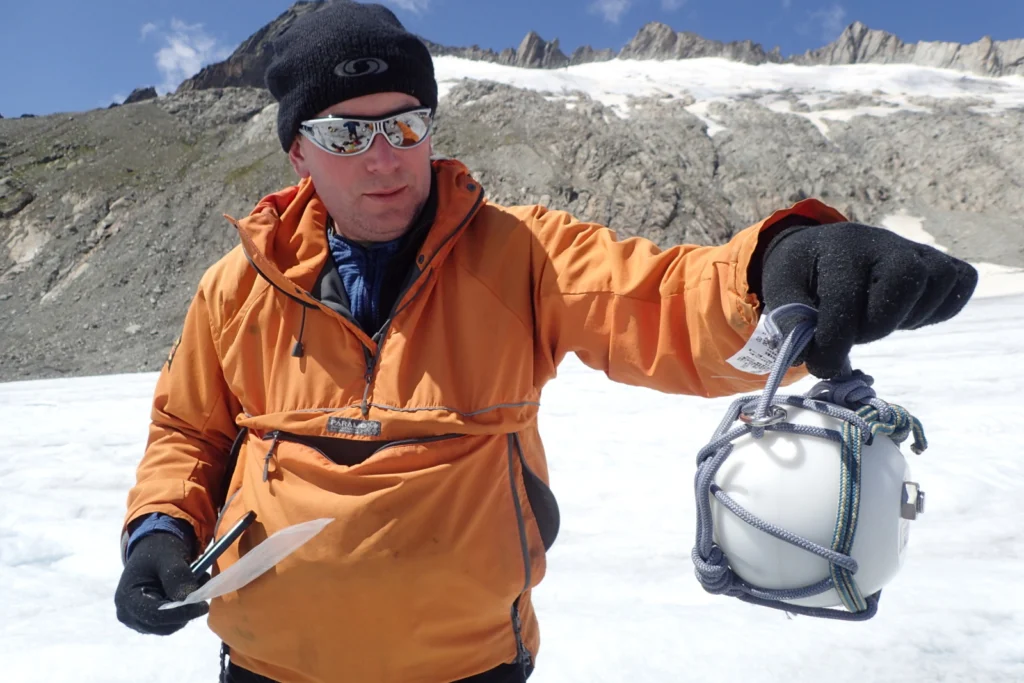
Exploring the hidden plumbing of glaciers with Cryoegg
Plumbing is something we take for granted: the pipes that bring us water to wash and drink, and the pipes that take the waste water away again. We see the taps and basins in our kitchen and bathroom – but the pipes are hidden away under the floor or inside the walls – and we …[Read More]
Amilcare Porporato (2020 John Dalton Medallist) on agile models for complex systems in the environmental sciences
The EGU 2020 John Dalton Medal of the EGU Division on Hydrological Sciences was awarded to Amilcare Porporato for his contributions to the field of ecohydrology and for developing new theories for the analysis of soil-plant-atmosphere systems across scales. Given the online EGU 2020 GA, the medal lecture is postponed to 2021. In April, Amilcare …[Read More]