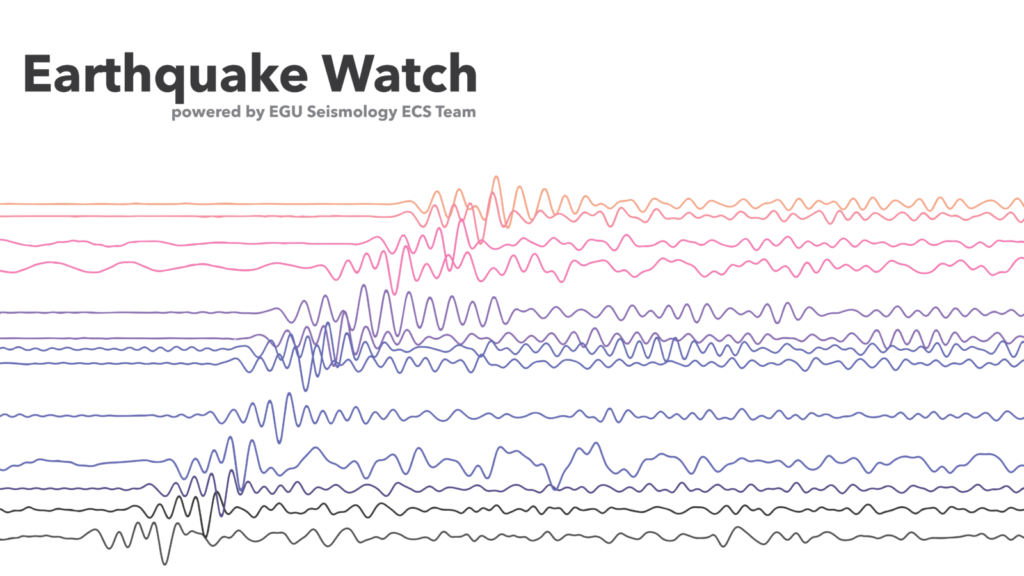
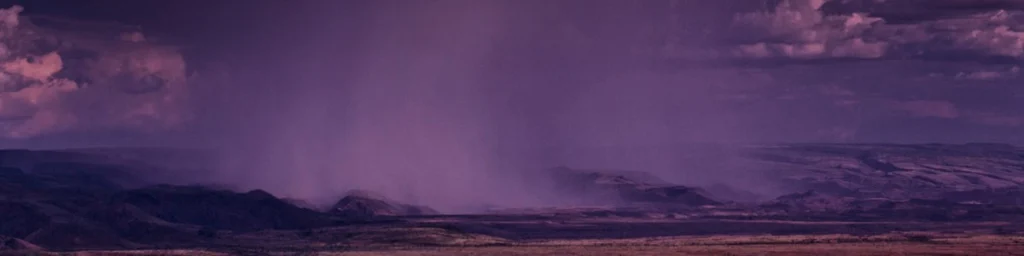
On May 21, a major shallower earthquake (M7.3) hit Central China at 18:04 UTC in the southern Qinghai province (Figure 1). Until this date, this event is the largest onshore earthquake during 2021. The so-called Qinghai earthquake’s hypocenter is located in a remote area near the eastern edge of the Tibetan Plateau, which is formed …[Read More]
1727 search results for "network"
If you didn't find what you were looking for, try searching again.
Crowd solutions to challenges in Earth Sciences
Research rarely follows a straight path and it is normal for challenges to arise during a scientific career. These challenges may come from scientific issues, like inaccessible field sites or data or unavailable/insufficient methods, or from social or personal problems and so on. This year we are facing an additional problem in our inability to …[Read More]
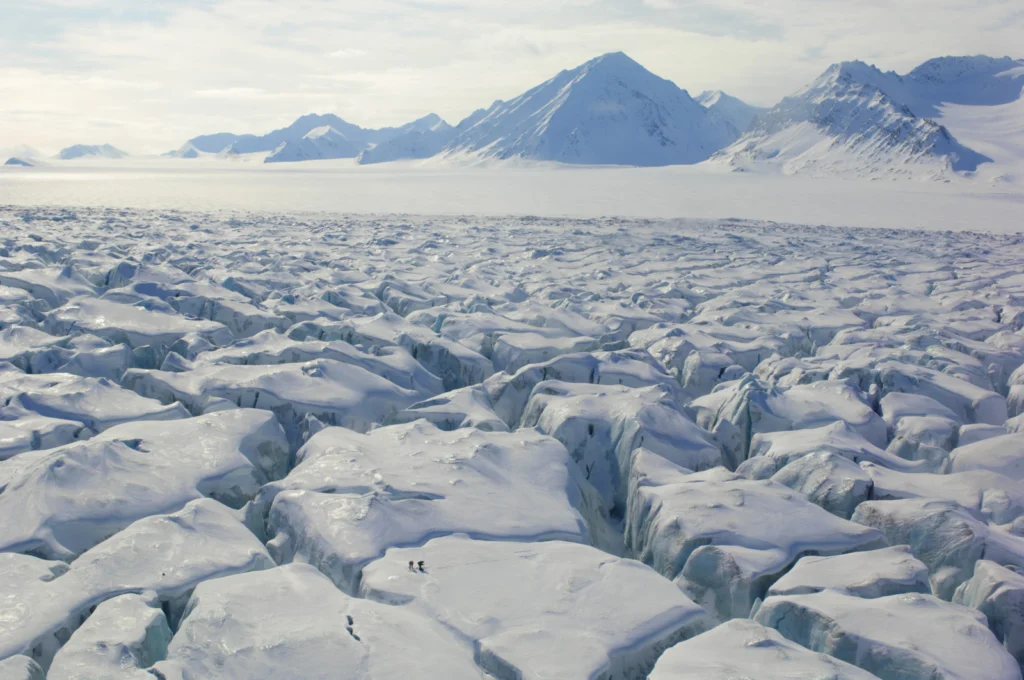
Questions from space: what is snow and what is ice on the Greenland ice sheet?
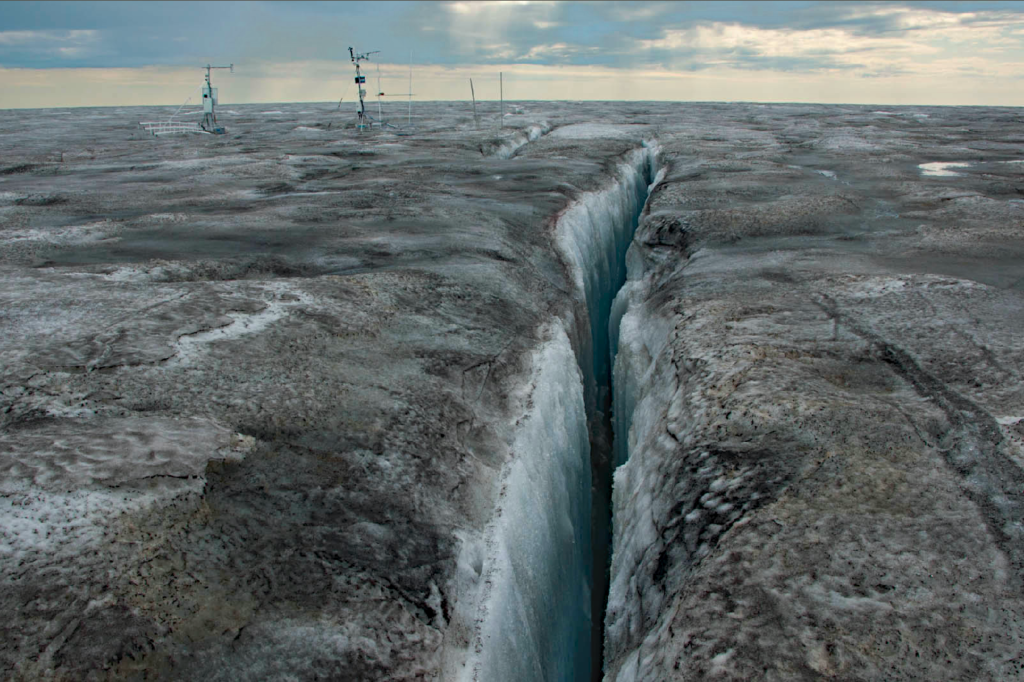
We usually think of a glacier as a white, clean surface. Well, this is only an idealized vision because in reality glaciers are far from immaculate, they can be colored! And this is extremely important since colored (dirty) ice absorbs more solar radiation than clean ice, accelerating melt. One of the places on Earth where …[Read More]
Insights from the past ECS Representative of the Geodesy division
For our last interview we haven’t talked to a member of the current Geodesy division team. Instead we asked the past ECS (Early Career Scientist) representative of the Geodesy division, Katrin Bentel, a few questions. Fortunately, she gave us some insights about the role of an ECS Representative. Find out below. What did you …[Read More]
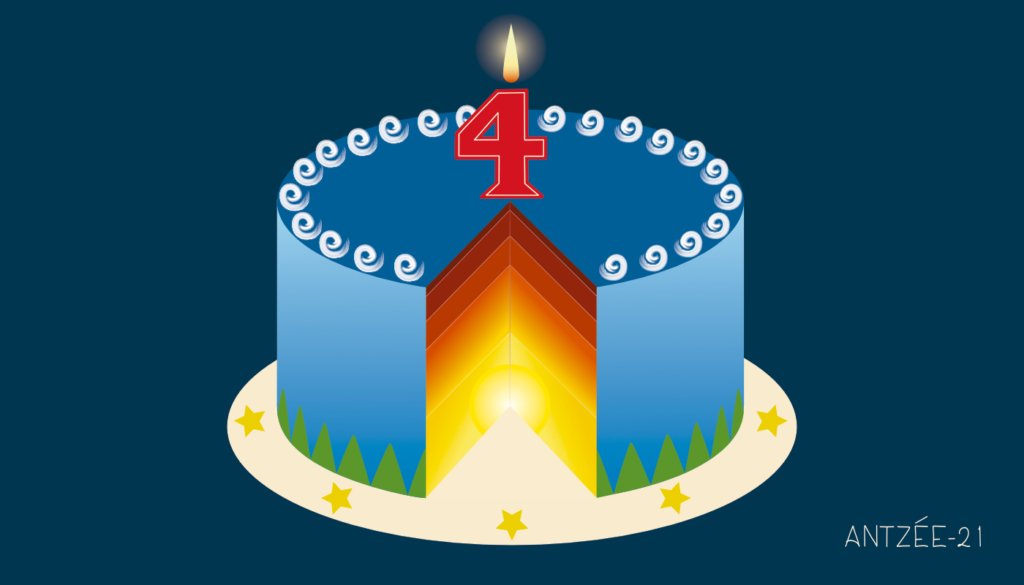
Happy blog birthday!
Listen up, everyone! The blog turns 4 year old this week! 4 years. We’ve been blogging for 4 years. Holy moly. You can finish a PhD in that time (I mean, I didn’t, but – you know – you could). We’ve had another cracking year, so let’s reflect a bit on the past year – …[Read More]
Listening to a bouquet of articles: review papers
Let me guess from which city in the world you are reading this post: Lima, Lahore or Louisville? It might be that you are modelling one of these rivers: Nile, Rhine or Lena? Or studying the Caribbean Sea, the Arabian Sea or the Caspian Sea? The country you live might be Uganda, Philippines or maybe …[Read More]
TS Must-Read – Sylvester (1988) Strike-slip faults
Strike-slip faults by Arthur Sylvester (1988) is a must-read paper for anyone, and more so for those who want to understand the mechanisms of strike-slip faulting. Although it mostly refers to the San Andreas fault, the most studied strike-slip fault at the time (and possibly to date), the contribution is a comprehensive review of the …[Read More]
Pride on board: working on an ocean-going research vessel as an LGBTQI+ person
Working from home during the pandemic has allowed many of us to look back on past experiences and to long for the days when our work in marine science took us to amazing places all around the world. Pride month is another great opportunity for reflection and to consider how things have changed for us …[Read More]
Presenting the EGU Climate Division Team 2021
Every year at the General Assembly all EGU members have a chance to vote for their representatives during the different division meetings. In the Climate Division, we have a team of President and Deputy President, a Programme Group Chair, Science Officers, as well as Representatives for the Early Career Scientists and an Outreach Team. There …[Read More]
The Norwegian Polar Institute
It is a pleasure for the EGU Cryoblog team to present a new post category: Cryo-institutes around the world! There are many institutes working on cryosphere-related research spread around the world. The aim of this new category is to highlight the cool research that is carried out at these institutes, showing off our multi-faceted cryo-related …[Read More]