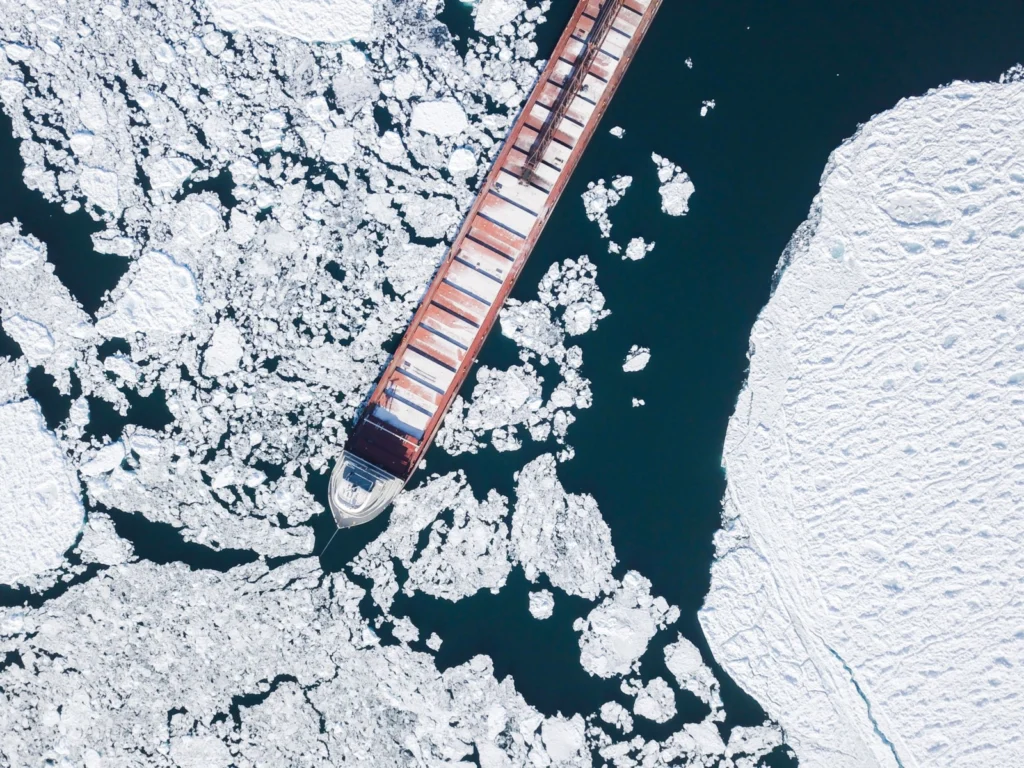
Reduced and thinner sea ice makes Arctic waters increasingly appealing for shipping, fishing, tourism, and mineral exploration. However, with increased accessibility and more dynamic ice conditions comes a greater risk for ship crews to encounter sea ice and icebergs outside of their usual seasonal limits. To help them navigate, timely and reliable sea ice information …[Read More]
1727 search results for "network"
If you didn't find what you were looking for, try searching again.
HighPasm project: Understanding the climate & social vulnerability in the Island of Cyprus for the last millennium
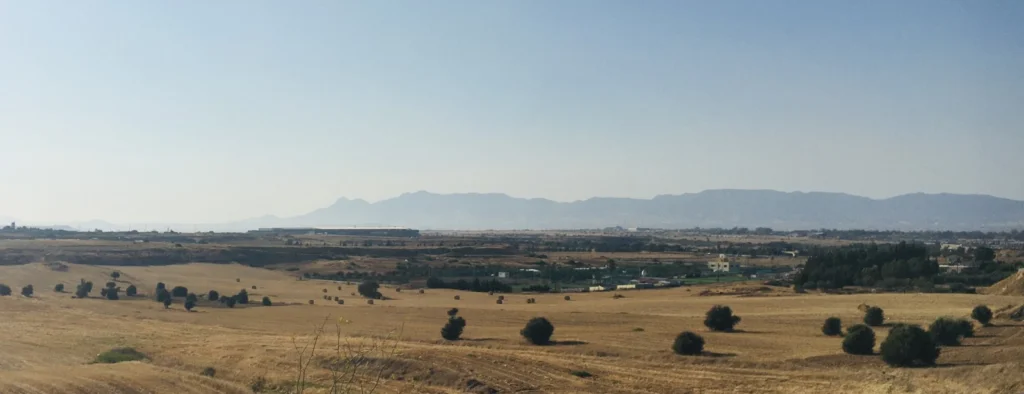
What is this project all about? This project investigates the social responses of the society to environmental stress in the context of climate variability for the last millennium in Cyprus. Human societies had a variable response to changes in climate either due to differences in socioeconomic systems, land use, and health systems. Many health issues …[Read More]
Seismology Job Portal
On this page, we regularly update open positions in Seismology for early career scientists. Do you have a job on offer? Contact us at ecs-sm@egu.eu Please, note that other available research positions are displayed on the EGU Jobs Portal. Special Thanks to Eric Löberich for researching job postings for the ECS.
GMPV ECS Campfires: Wednesday 15th September @ 4pm CEST!
Mark your calendar! The 12th edition of the Geochemistry, Mineralogy, Petrology and Volcanology division’s early career scientists talks (EGU Campfires) will be on Wednesday 15th September at 4pm CEST! Our speakers are: Sri Budhi Utami (Final Year PhD Candidate @ Nanyang Technological University, Singapore) – How a volcano pressure cooker works: the role of excess …[Read More]
GeoRoundup: the highlights of EGU Journals published during August!
Each month we feature specific Divisions of EGU and during the monthly GeoRoundup we will be putting the journals that publish science from those Divisions at the top of the Highlights roundup. For August, the Divisions we are featuring are: Geodesy (G), Geodynamics (GD) and Earth and Space Science Informatics (ESSI). They are served by the …[Read More]
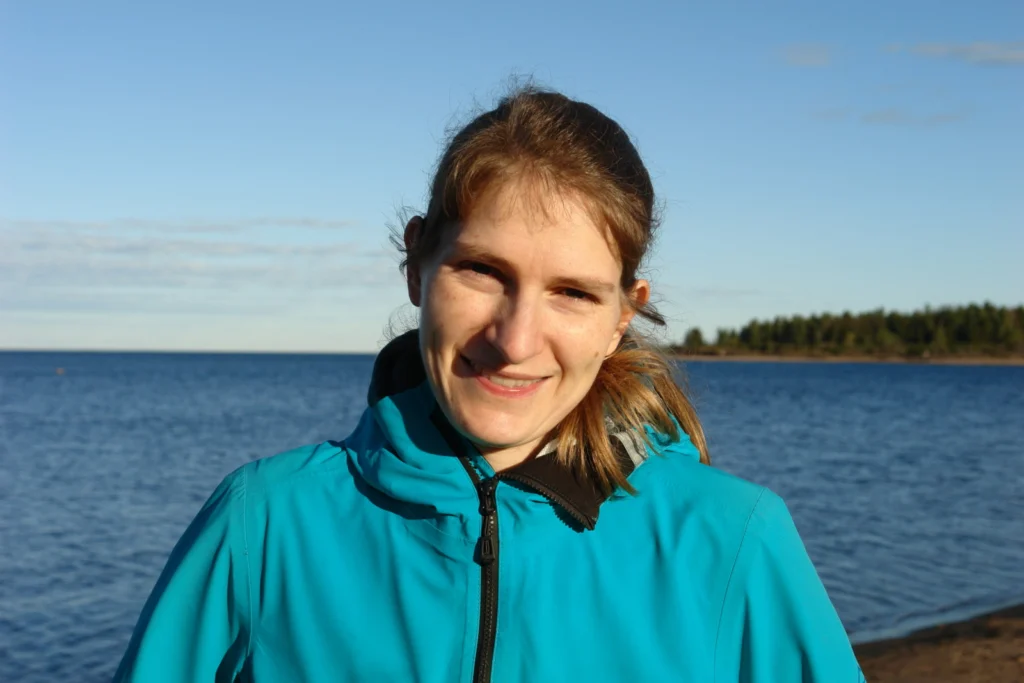
GeoTalk: Meet Rebekka Steffen, the Geodesy Division’s Early Career Scientist Representative
Hello Rebekka, thank you for taking the time to talk with us today! Could you introduce yourself to our readers? Hi. Thanks for giving me the chance to talk about my research and plans as ECS Rep for the Geodesy Division. I’m a researcher in Geodesy at Lantmäteriet, which is the Swedish mapping, cadastral, and …[Read More]
Did you know about the weathering crust? Five things you never knew about glacier surfaces
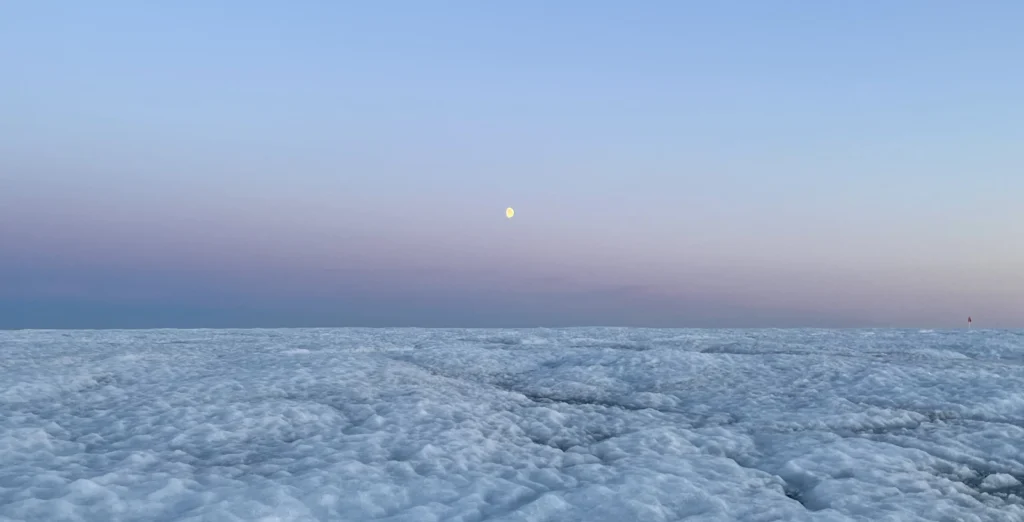
To the untrained eye, the melting surface of glaciers and ice sheets can look a little boring. It’s bright in some places, dark in others, and there are lots of things to fall over and (hopefully not) get your feet wet in. However, a huge range of processes are occurring both upon and just underneath …[Read More]
Imaggeo On Monday: Onsala Twin Telescopes
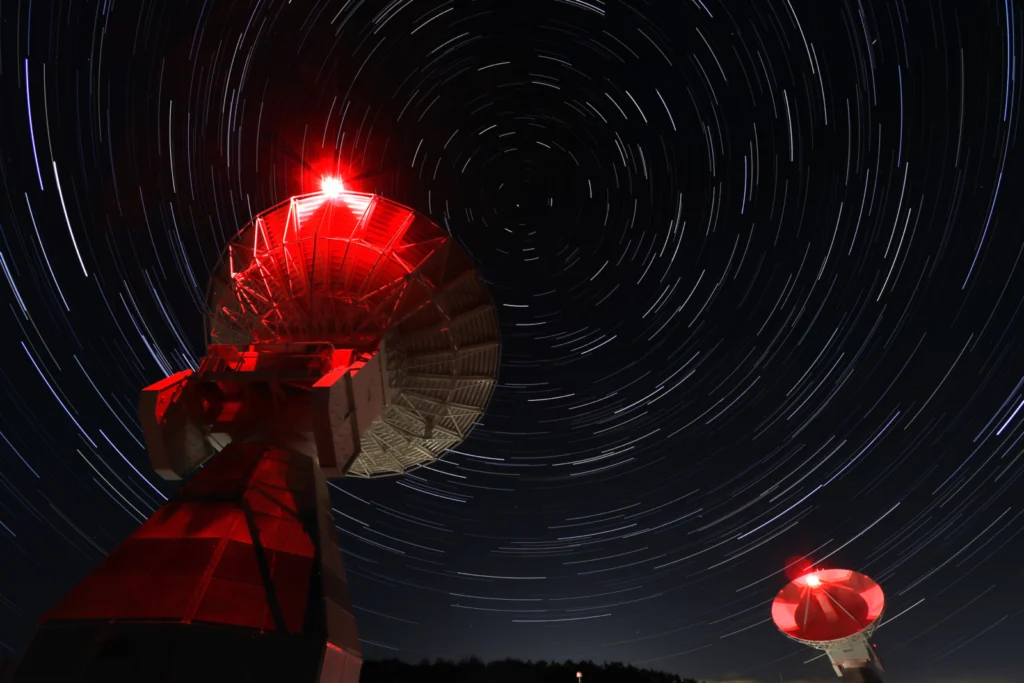
“The Onsala Twin Telescopes are part of the global geodetic Very Long Baseline Interferometry (VLBI) network. Radio telescopes all around the globe are observing extra-galactic radio sources simultaneously to determine Earth orientation parameters, source positions and station coordinates, as well as velocities. Geodetic Very Long Baseline Interferometry is used to maintain the International Terrestrial Reference …[Read More]
Apply to become a BG Scientific Officer
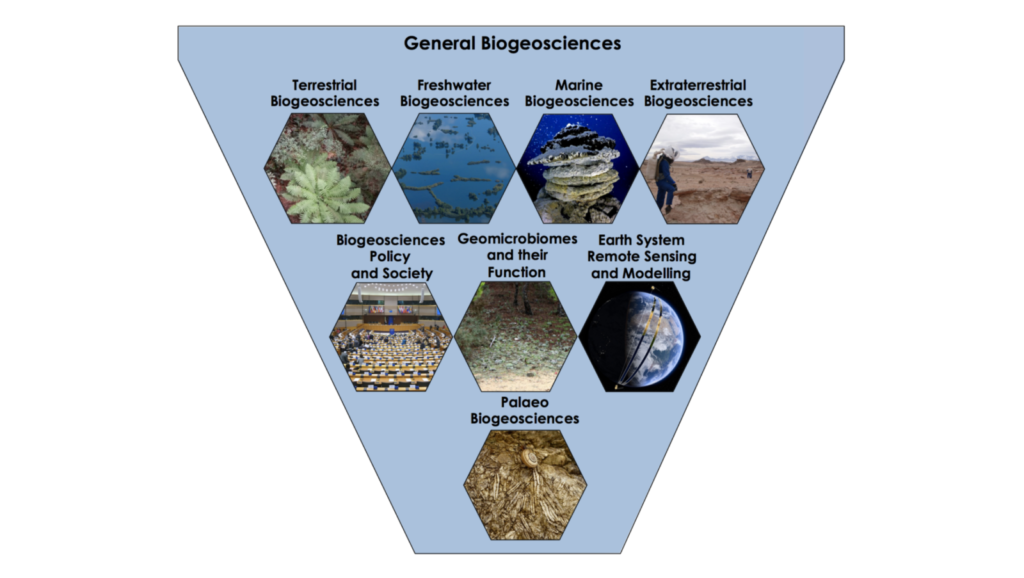
Biogeosciences Division Structure During the last EGU Biogeosciences Division Meeting we revealed how the BG Division would evolve over the next 12 months with your support and guidance. The new BG structure will consist of eight sub-divisions illustrated below. This structure maintains the visibility, expertise and diversity of our Biogeosciences community whilst creating new thematics …[Read More]
From mountains to caves: How I found my research niche
What makes you unique as a scientist? Most of us are confronted with this question sooner or later in our career, for example when applying for jobs or research grants. The answer is not always easy, especially for Early Career Researchers (ECRs) still developing a strong scientific profile. For me, being able to clearly identify …[Read More]