Haakon Fossen and Geane Carolina G. Cavalcante published their seminal review on the topic of shear zones in 2017 in the journal Earth-Science Reviews. The work summarizes the scientific findings on the development and quantification of ductile shear zones sincefrom the the 1960s up to recently. It describes the fundamental aspects of the initiation and …[Read More]
6015 search results for "6"
If you didn't find what you were looking for, try searching again.
How do rocks fail and flow: A beginners guide to rock rheology
The field of rock rheology may seem a bit ‘odd’ at first glance to those geoscientists who are vaguely familiarized with the topic of geodynamics. Often, rocks are considered massive and competent geomaterials that display a sudden (and sometimes violent) brittle failure (earthquake alert!). However, when considering the high temperatures and large timescale characteristics of …[Read More]
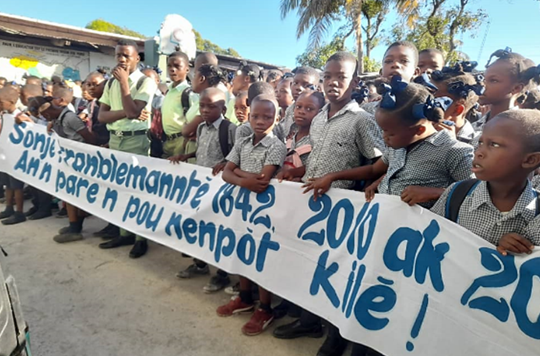
No Resilience Without Trust – An interview with Janise Rodgers and Mary Antonette Beroya-Eitner from GeoHazards International
This summer, we participated in a Service-Learning course titled “Breaking the Cycle of Disaster, Response, Recover, and Repeat”. The course was developed by Solmaz Mohadjer and offered as part of the Transdisciplinary Course Program at the University of Tübingen, Germany. We were brought together from different disciplines to explore key factors that contribute to effective …[Read More]
Geodesy Cartoon Competition – Turn Science into Smiles
Geodesy is the science of measuring the Earth’s shape, gravity field, and rotation. What if we could make it exciting, fun, and easy for everyone to understand? That’s exactly why the International Association of Geodesy (IAG) and its Global Geodetic Observing System (GGOS) launched the Geodesy Cartoons initiative: to bring geodesy closer to the public …[Read More]
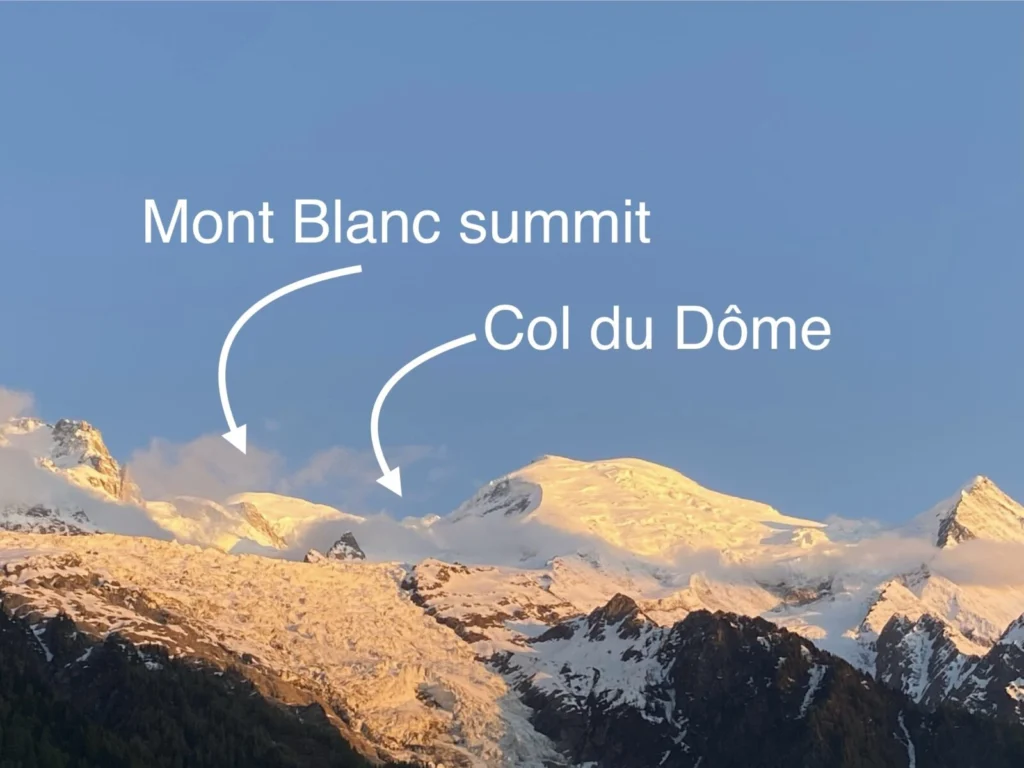
Microbial Adventures in the Mont Blanc Massif
As we passed the town of Saint-Gervais-Les-Bains on the French highway, en route to a sampling campaign, Mont Blanc’s glaciated terrain suddenly emerged above the spring foliage. Breaking the silent awe, Patrick remarked that indeed, “Mont Blanc is still there.” The humor won’t be lost on anyone familiar with the massif. Its unquestionable, human-minimizing presence …[Read More]
GeoRoundup: the highlights of EGU Journals published during August!
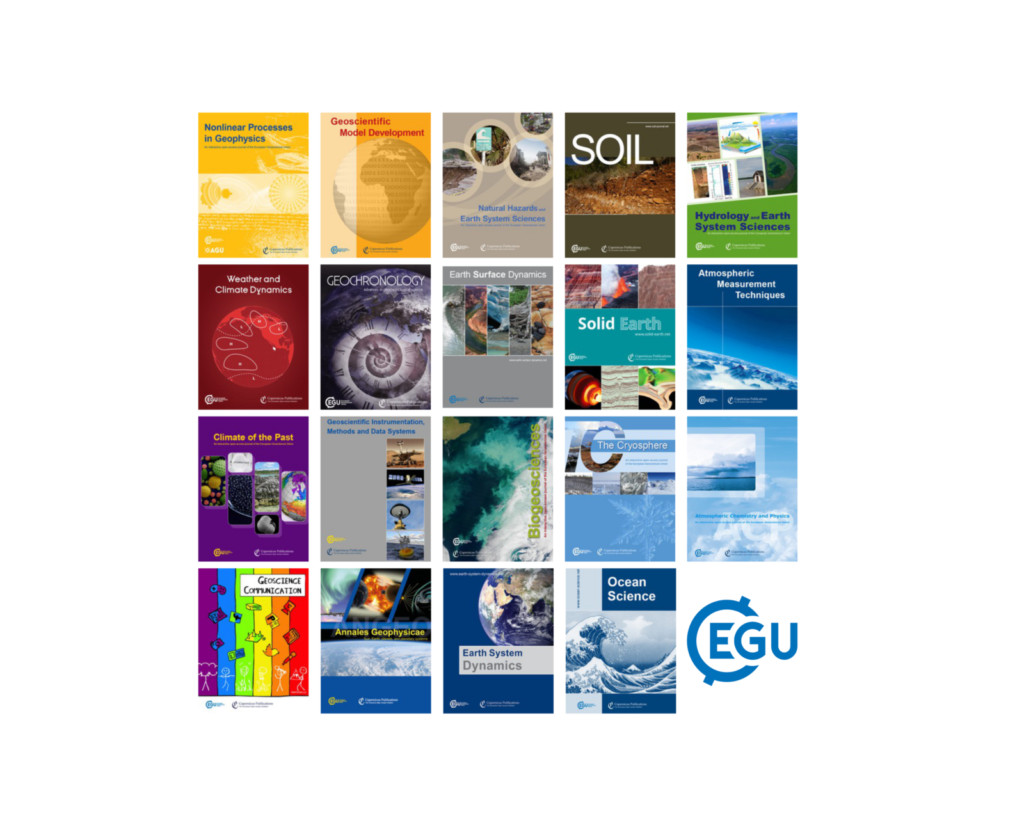
Each month we feature specific Divisions of EGU and during the monthly GeoRoundup we put the journals that publish science from those Divisions at the top of the Highlights section. During this month, we are featuring Geochemistry, Mineralogy, Petrology & Volcanology (GMPV), Geodynamics (GD), and Stratigraphy, Sedimentology, and Palaeontology (SSP). They are represented by the journals …[Read More]
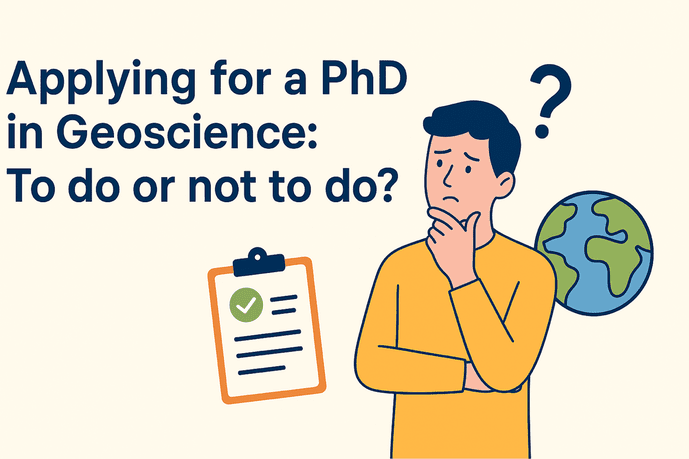
Applying for a PhD in Geoscience: To do or not to do
Fresh out of your bachelor’s degree, or more commonly these days, your master’s degree, it can be tempting to pursue your PhD as quickly as possible. While there are compelling reasons to dive straight in, rushing into a PhD might not be your best choice. To be or not to be a researcher? Before …[Read More]
GeoTalk: meet Lorne Farovitch, researcher of climate impacts on deaf communities!
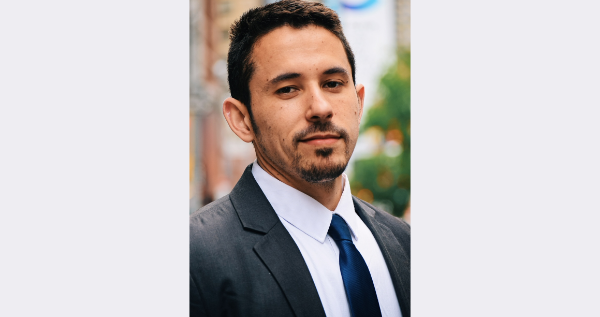
Hello Lorne – welcome to GeoTalk! Could you introduce yourself and your background to our readers? I’m Dr. Lorne Farovitch, a deaf transdisciplinary biomedical researcher and multilingual signer, fluent in more than five sign languages. I’m passionate about advancing health equity for deaf communities worldwide through community-driven research! As the founder and Executive Director of …[Read More]
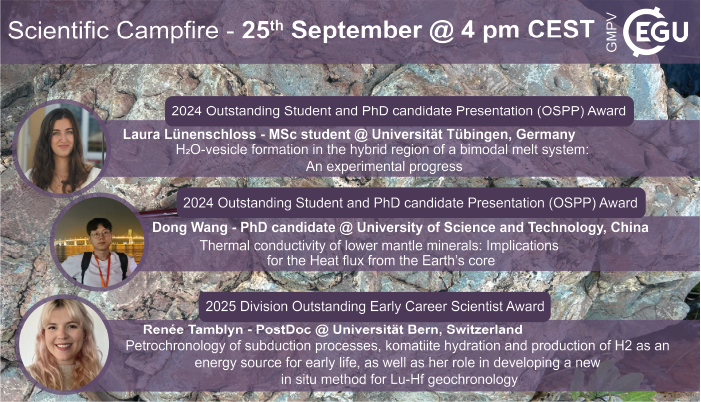
GMPV ECS Campfires – Meet the GMPV GA25 awardees!
The first edition of the Geochemistry, Mineralogy, Petrology and Volcanology Campfires of the 2025/2026 season is right at the door and will take place on Thursday September 25th at 4 pm CEST on Zoom. Our speakers for this edition are: Laura Lünenschloss – 2024 Outstanding Student and PhD candidate Presentation (OSPP) Award, Master student …[Read More]
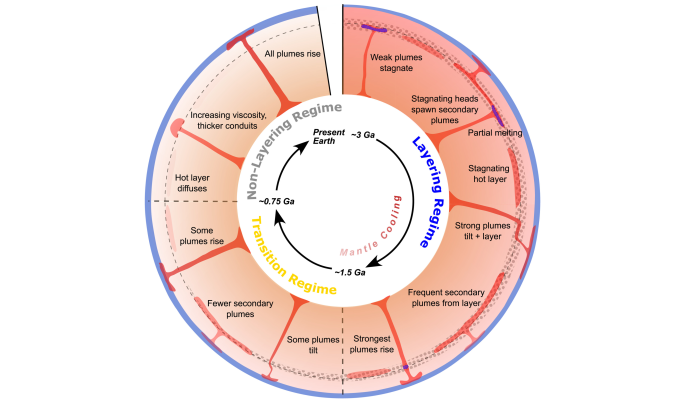
Phase transitions control plume layering during Earth’s secular cooling
Earth’s structure and dynamics have evolved quite a lot since its formation, and so has mantle dynamics and convection patterns changed along with it. It turns out that phase transition in certain mantle minerals can be an important driver of this change. Today, Ranpeng Li from GEOMAR Helmholtz Centre for Ocean Research Kiel, Germany …[Read More]