EGU Blogs

1727 search results for "network"

HS

Making measurements accessible through low-tech hydro sensors: a step towards better agricultural water management?
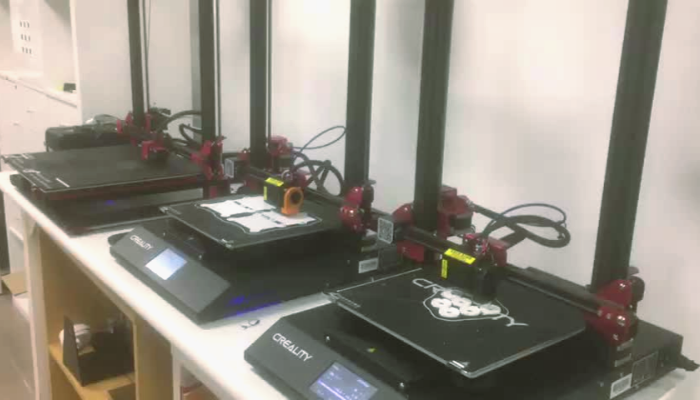
3D printers producing the casing for the low-tech hydro sensors. © P.Vandôme

“We can’t manage what we can’t measure”, said Peter Drucker, the founder of business management. Let’s see whether this applies to water management as well – especially agricultural water management. As part of my PhD project, I am wondering to what extent new (or alternative) hydro sensors may contribute to the improvement of the performance …[Read More]

GeoPolicy: Building stronger and more diverse communities at the science-policy interface

GeoPolicy: Building stronger and more diverse communities at the science-policy interface

There are numerous reasons why we should want to build stronger and more diverse scientific communities. Greater inclusivity leads to innovation, expands the pool of ideas, broadens perspectives, and encourages more people to engage. Strong and diverse scientific communities allow us to go beyond the information we can produce on our own and scale our …[Read More]

GeoPolicy: Top 10 science for policy resources recommended by the EGU’s Science for Policy Working Group

GeoPolicy: Top 10 science for policy resources recommended by the EGU’s Science for Policy Working Group

EGU’s Science for Policy Working Group aims to promote greater collaboration between the geoscientific community and policymakers, highlight policy-relevant outputs from EGU scientists, and support evidence-based policy. Not only does the Working Group support EGU’s policy activities but it also provides individual members with relevant information and opportunities through the EGU’s Science for Policy Newsletter, …[Read More]

SM

Seismic Field Work at the Equator

Seismic Field Work at the Equator

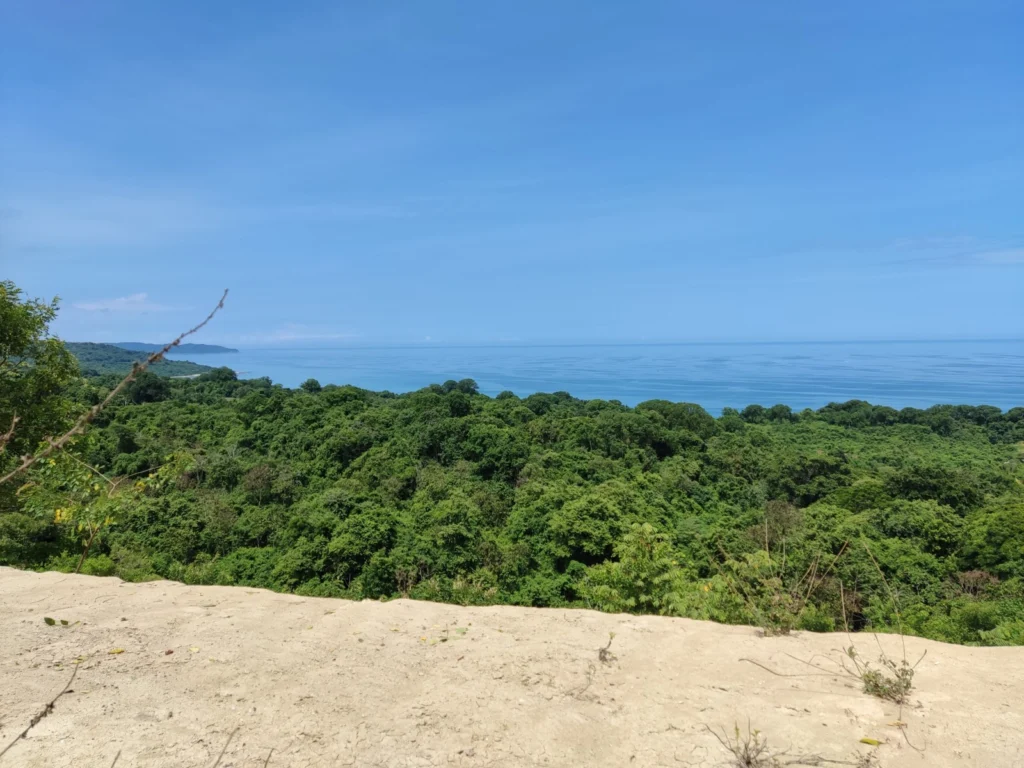
Benedikt Braszus – PhD student at Karlsruhe Institute of Technology, Germany – takes us on a seismic field trip to tropcial Ecuador.   Scientists from Géoazur (CNRS/IRD/Observatoire de la Côte d’Azur/Université de la Côte d’Azur), Karlsruhe Institute of Technology, Instituto Geofísico / Escuela Politécnica Nacional (IG-EPN, Quito), Instituto Oceanográfico de la Armada del Ecuador (INOCAR, …[Read More]

BG

Meet your BG team 2022/23

Meet your BG team 2022/23

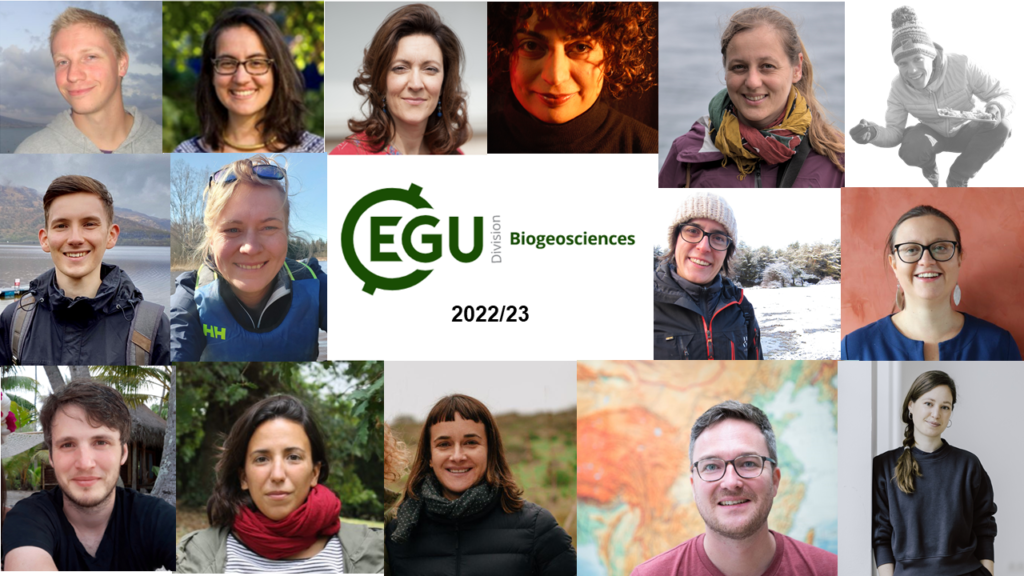
The Biogeosciences division is pleased to have substantially grown over the last year! In this blog post we’ll introduce you to our new representatives and detail how you can get involved in BG activities over the next year.   President: Lisa Wingate (INRAE) Lisa (she/her) has been president of the BG division since 2020 and …[Read More]

Who is an EGU Early Career Scientist Representative and what do they do?

Who is an EGU Early Career Scientist Representative and what do they do?

Early Career Scientists (ECS) are students, PhD candidates and scientists who received their highest degree within the last seven years (with extensions for parenting, illness, disability and national service). We make up over 60% of the EGU membership and we are active in research, science communication, publishing, Equality Diversity and Inclusion (EDI) initiatives, networking, convening …[Read More]

20 years and 22 Divisions: EGU Division Presidents share their stories

20 years and 22 Divisions: EGU Division Presidents share their stories

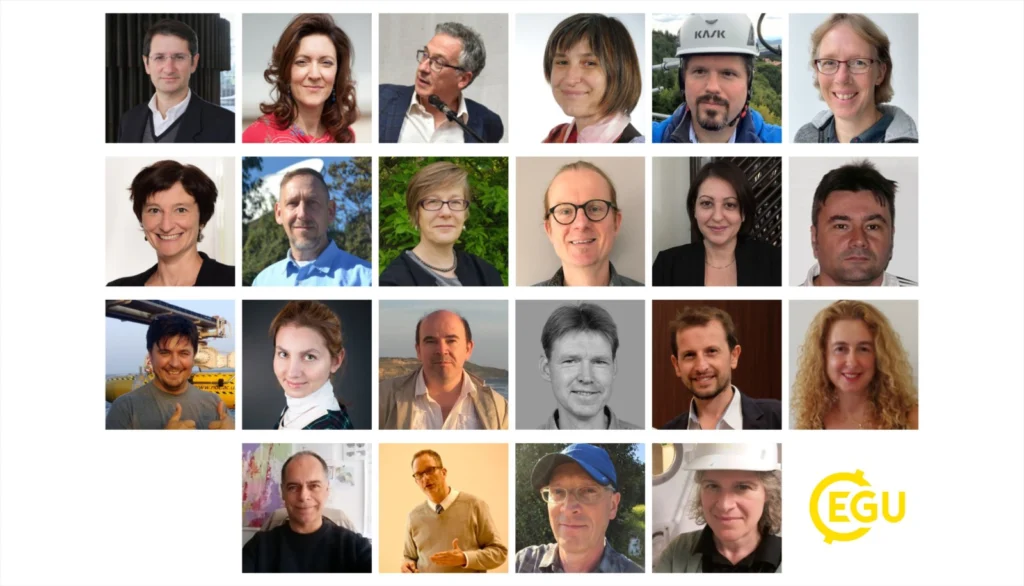
It’s official: Europe’s leading organisation for Earth, planetary and space research has now entered the third decade of its existence! This week, the European Geosciences Union (EGU) celebrated its 20th birthday. Since it was first founded, EGU has grown in strength and scale to include 22 scientific divisions, responsible for activities related to the Earth, …[Read More]