
Subduction zones are areas where one tectonic plate dives beneath another one and sinks into the Earth’s mantle, creating powerful earthquakes and volcanic eruptions. Understanding the intricate details of subduction zones can be a daunting task, and retrieving the necessary data often feels like an uphill battle. But fear not! The Geosciences Montpellier Laboratory in …[Read More]
2110 search results for "researcher"
If you didn't find what you were looking for, try searching again.
Fatiando a Terra: a journey into open-source software for Geophysics
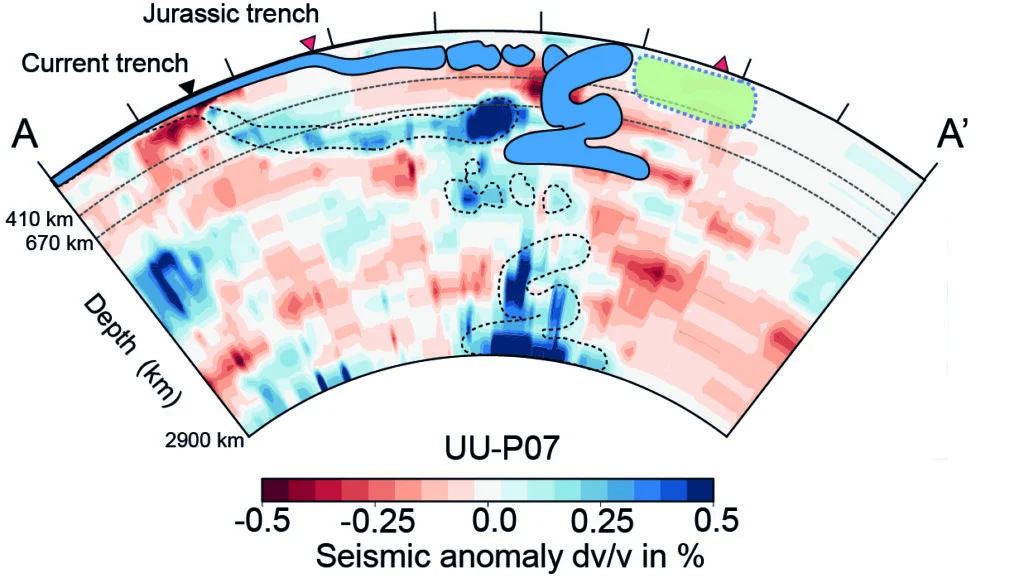
Linking slab graveyards and ghost-arc geochemical signatures in the South Atlantic and Southwest Indian Mid-Ocean Ridges
Two centuries later, the world is yet to fully understand Nikola Tesla
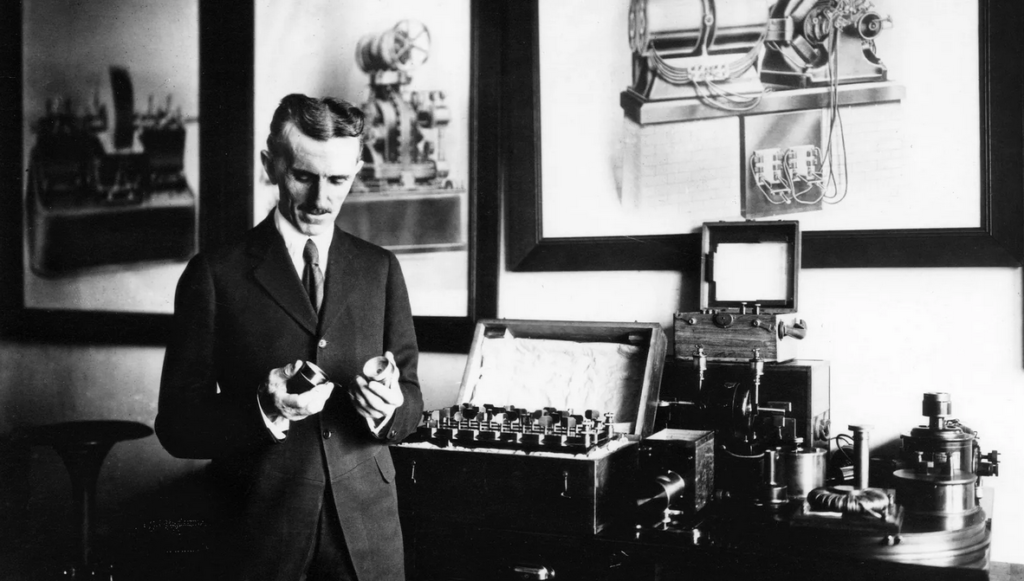
Most people associate Tesla with the multi-billion American automotive and clean energy company, and by that extension, with Elon Musk. But with today (July 10th) being Nikola Tesla Day, it gives us a rare opportunity to discover the man behind the name – the Serbian American scientist who contributed to scientific progress and advances in …[Read More]
Did you know there is light pollution even in the Arctic?
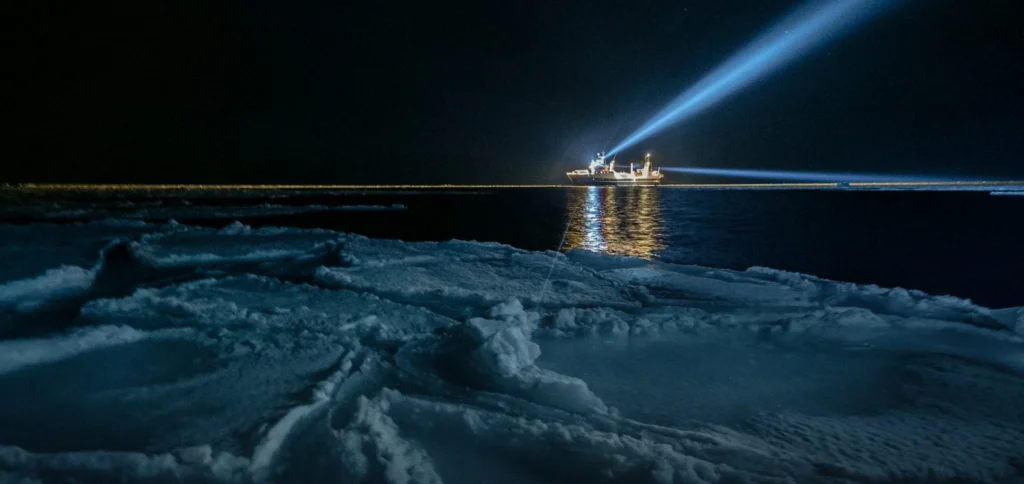
Light emissions are increasing worldwide and much of the world is light polluted due to excessive and inefficient light use. This has negative consequences for many organisms, such as birds, insects, fish, plants and humans. Even in the high Arctic, which is remote and sparsely populated, and experiences the polar night for a large part …[Read More]
GeoPolicy: Life inside the European Parliament – an assistant’s view
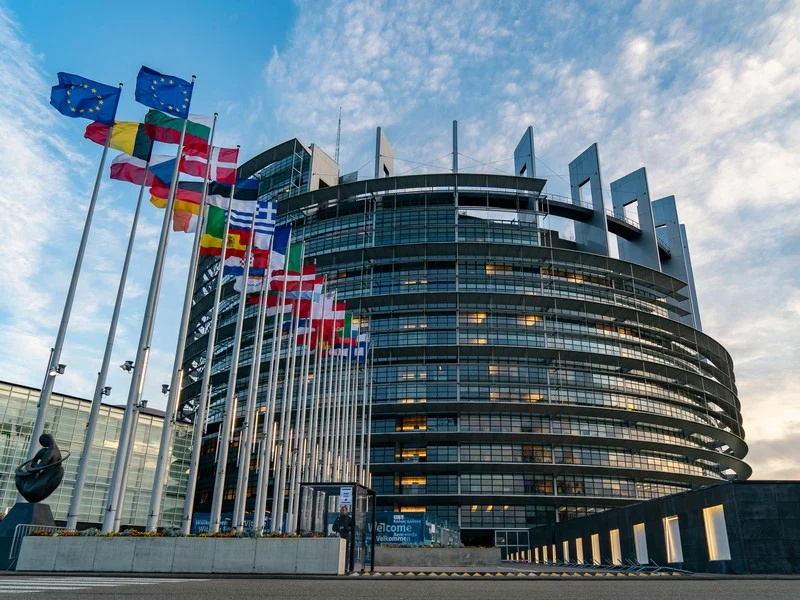
This month’s GeoPolicy blog features an interview with Sebastian Jehle, Accredited Assistant to Member of the European Parliament (MEP) Norbert Lins. Understanding policymaking processes is vital to be able to engage with decision-makers and to provide scientific information that is both useful and timely. Sebastian was kind enough to answer some of my burning questions …[Read More]
The Sassy Scientist – A survival guide for grant writing

Well, well, well, what do we have in here? Is that another fellow geoscientist going after a fund? Yes, seems like it. First of all good luck mate, a tough journey is ahead of you. I hope you have a lucky item with you to keep you alive during this period. So this time we …[Read More]
Introducing the new blog team !

It’s time for our yearly introduction to the EGU Geodynamics blog team! The EGU General Assembly has passed and after a couple of weeks of recovery, we are thrilled to present the blog team for the upcoming year 2023-2024, featuring some familiar and fresh new faces. Our new team will start posting from next month …[Read More]
Structure-from-Motion for Seismology
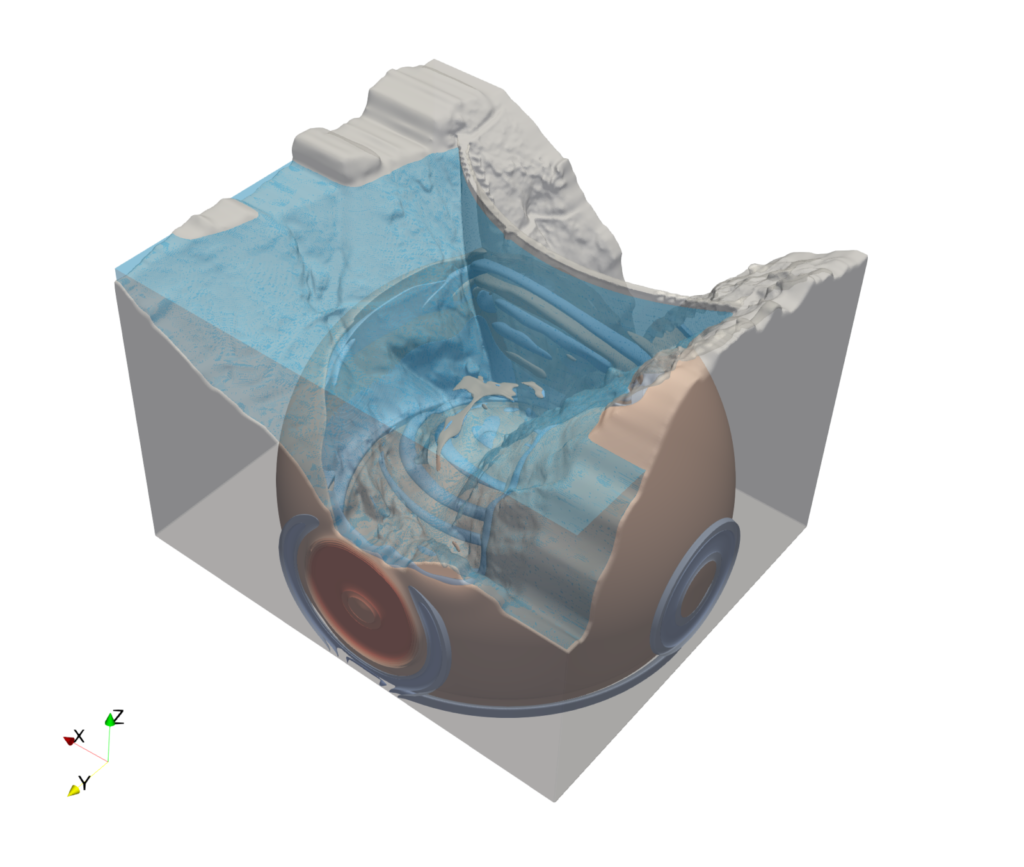
This blog post about drone photogrammetry for seismology research is written by Lars Gebraad, with contributions from Isamu Naets and Patrick Marty. Lars Gebraad and Patrick Marty are doing their doctorates at the Seismology and Wave Physics group and Isamu Naets did his PhD at the Geothermal Energy and Geofluids group, both at the Dept. …[Read More]
An inclusive field team is a great field team: Strategies and resources
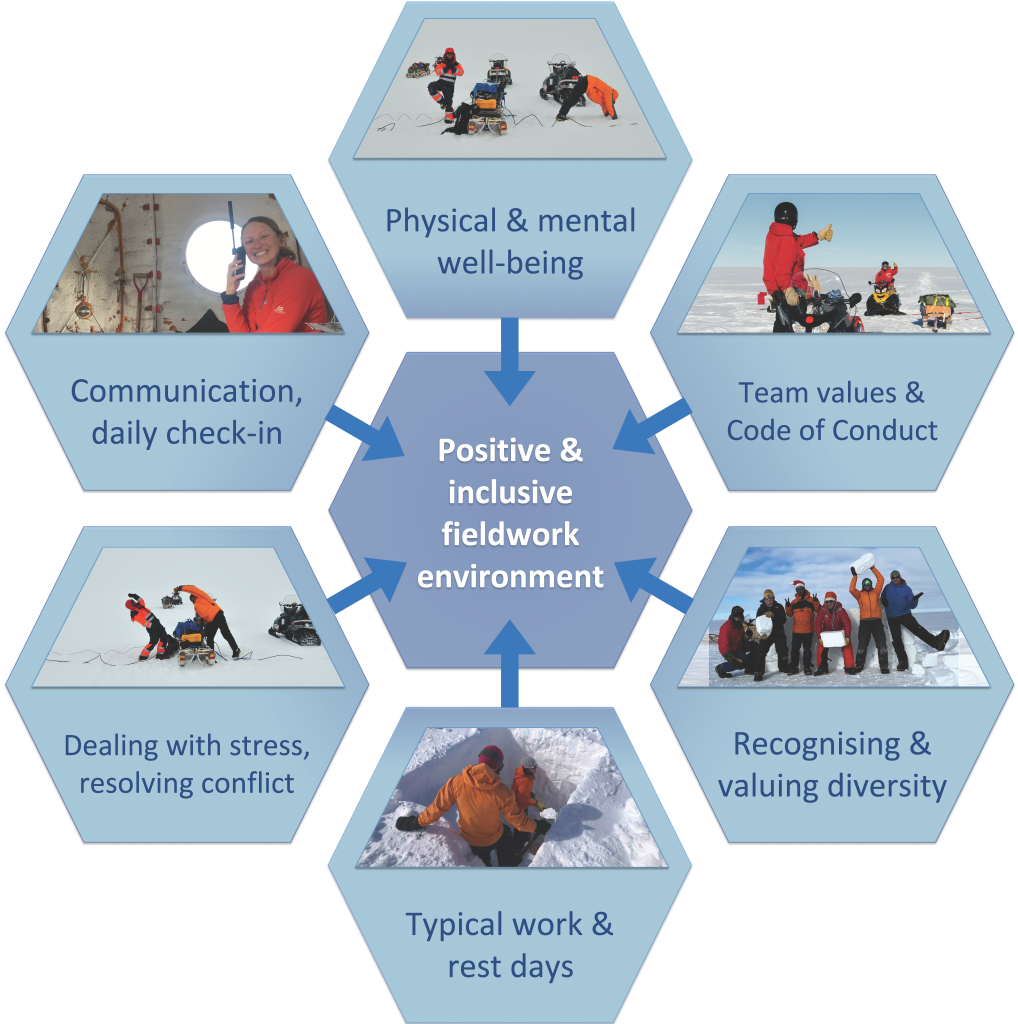
Fieldwork is essential to polar sciences, but who are the people that actually do the fieldwork these days? A great field team includes people spanning a diversity of scientific skills, but at the same time, a diversity of cultures, backgrounds, and identities also adds intrinsic value to team dynamics and the overall field work experience. …[Read More]