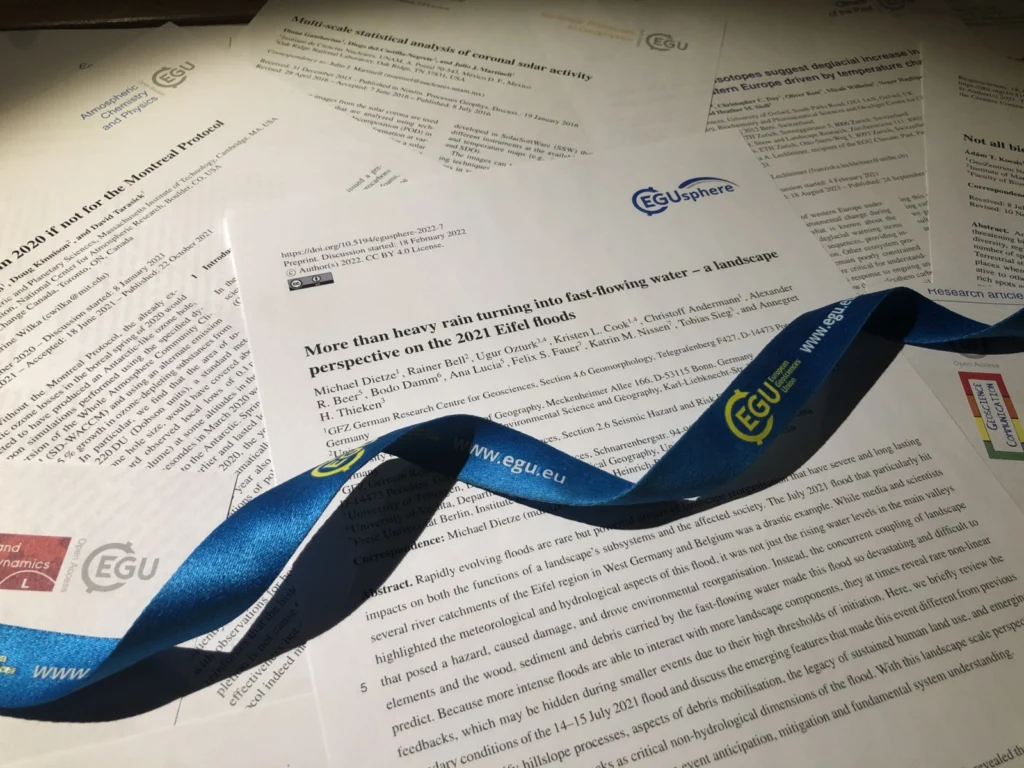
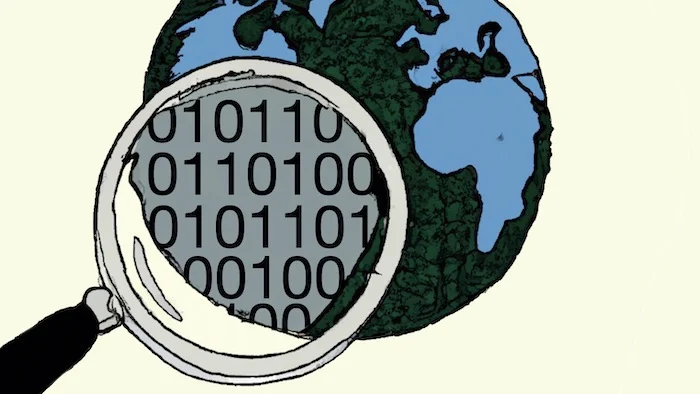
You have put in the hours, collected the data and written a great paper, but before you take your next steps you need to choose a journal in which to publish your work and there are a lot of factors in play. One of those, often discussed, is the Impact Factor, a number that each …[Read More]
2110 search results for "researcher"
If you didn't find what you were looking for, try searching again.
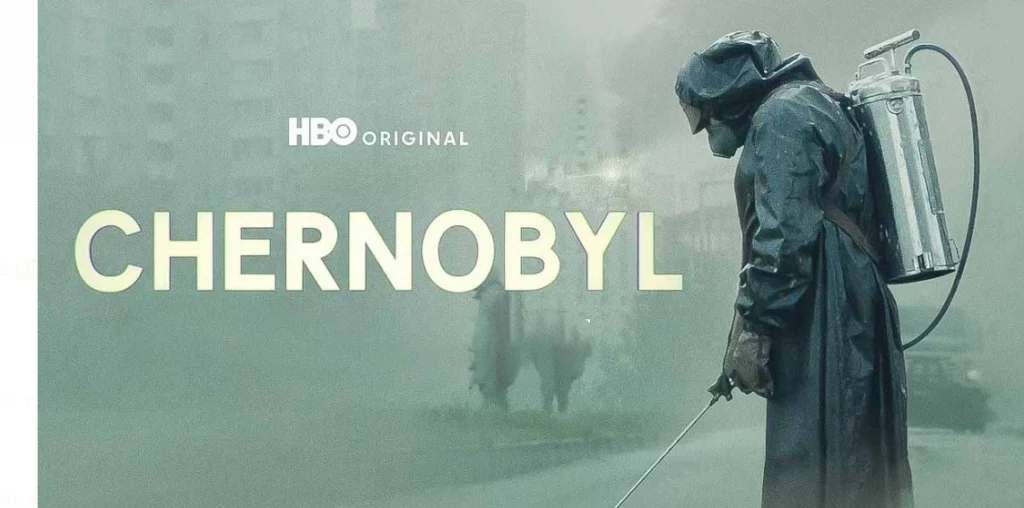
GeoPolicy: Reflecting on science advice as shown in the 2019 Chernobyl series
The HBO and Sky UK television series Chernobyl is a historical drama that explores the events leading up to and following the 1986 Chernobyl nuclear disaster in Pripyat Ukraine. Not only does this series focus on one of the worst nuclear accidents in history, but also on the challenges and successes of one of the …[Read More]
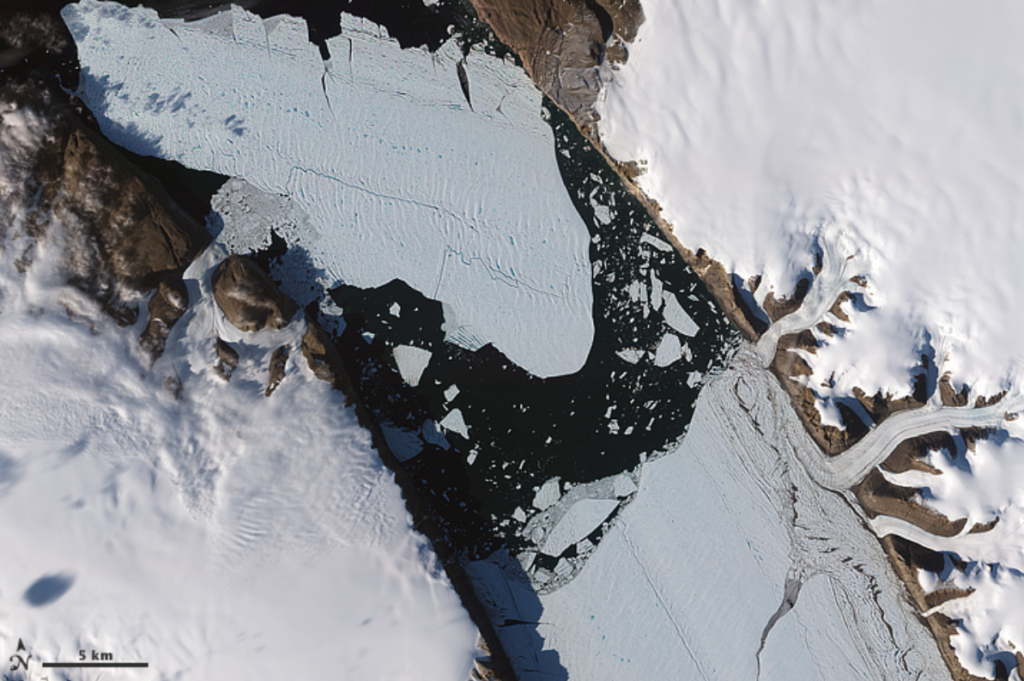
A chunk of ice the size of Amsterdam: how the calving of Greenland’s glaciers has changed since the 2010 Petermann Glacier event
Thirteen years ago, a roughly 251 km2 chunk of ice (or 97 miles2) broke off Greenland’s Petermann Glacier. This Amsterdam-sized piece of ice was the largest to calve in the Arctic since 1962. The massive iceberg traversed the Nares Strait, which lies between Canada’s Ellesmere Island and Greenland, and into the northern part of Baffin …[Read More]
Meet the GMPV Early Career Scientists group!
2023 has been a year of big changes in the GMPV Division, with our new President Holly J. Stein, and in the GMPV Early Career Scientists (ECS) Committee, with new ECS Representative, Blog in Chief Editor and Chief organizer of the Campfires! First of all, we would like to thank Giulia Consuma for her amazing …[Read More]
Crowd solving comes to the rescue again at EGU23!
by Emma Lodes, PhD student, GFZ-Potsdam (Germany) Twitter: @LodesEmma | email: lodes@gfz-potsdam.de Research in Earth Science starts with the spark of an idea, and is then often challenged by issues with access, temporal or spatial scaling, lack of knowledge in specific domains, or simply road bumps in our lives. As Early Career Scientists …[Read More]
GeoPolicy: Science Activism vs. Science Advice – choosing your path to policy impact
Science is a vital part of the policymaking process. It enables decision-makers to better understand the policy options that they have and the potential consequences of any actions or inaction. While it is just one factor that policymakers should consider during their decision-making process, it is an important one! This month’s GeoPolicy blog post will …[Read More]
“State of the ECS”: EGU 23 and, our new members!
Hi everyone! We are now well into the summer, and I can look back at a year of being an ECS Seismology representative, and at the incredible EGU GA this year. It was great to have the posters back this year: I had a poster and no amount of water could have saved me from …[Read More]
Seismology Job Portal
On this page, we regularly update open positions in Seismology for early career scientists. Do you have a job on offer? Contact us at ecs-sm@egu.eu Please, note that other available research positions are displayed on the EGU Jobs Portal. Latest open positions: PhD Scholarship in Numerical Modelling of Earthquake and Tsunami Source Institute: University …[Read More]
Ending a Decade of Hydrological Research – The IAHS’ Final Panta Rhei Symposium
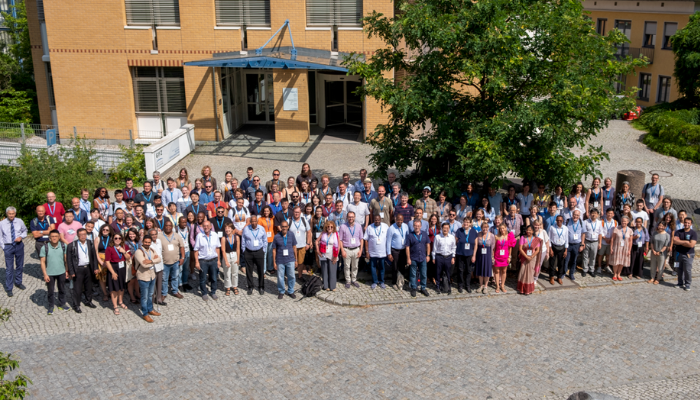
On the 10th and 11th of July 2023, the final symposium for the scientific decade “Panta Rhei – Everything Flows: Change in Hydrology and Society” of the International Association of Hydrological Sciences (IAHS) took place at the German Research Centre for Geosciences (GFZ) in Potsdam. During these two days, 150 hydrologists, engineers, social scientists and …[Read More]
On the usefulness of geodynamic numerical models
Within the vast realm of geoscience, the intricate mechanisms governing Earth’s internal processes continually pose challenges for researchers attempting to unveil its mysteries. This blog post acknowledges the inherent limitations of geological and geophysical data while highlighting the important role that geodynamic modeling plays in bridging these datasets. The motivations for this discussion arise from …[Read More]