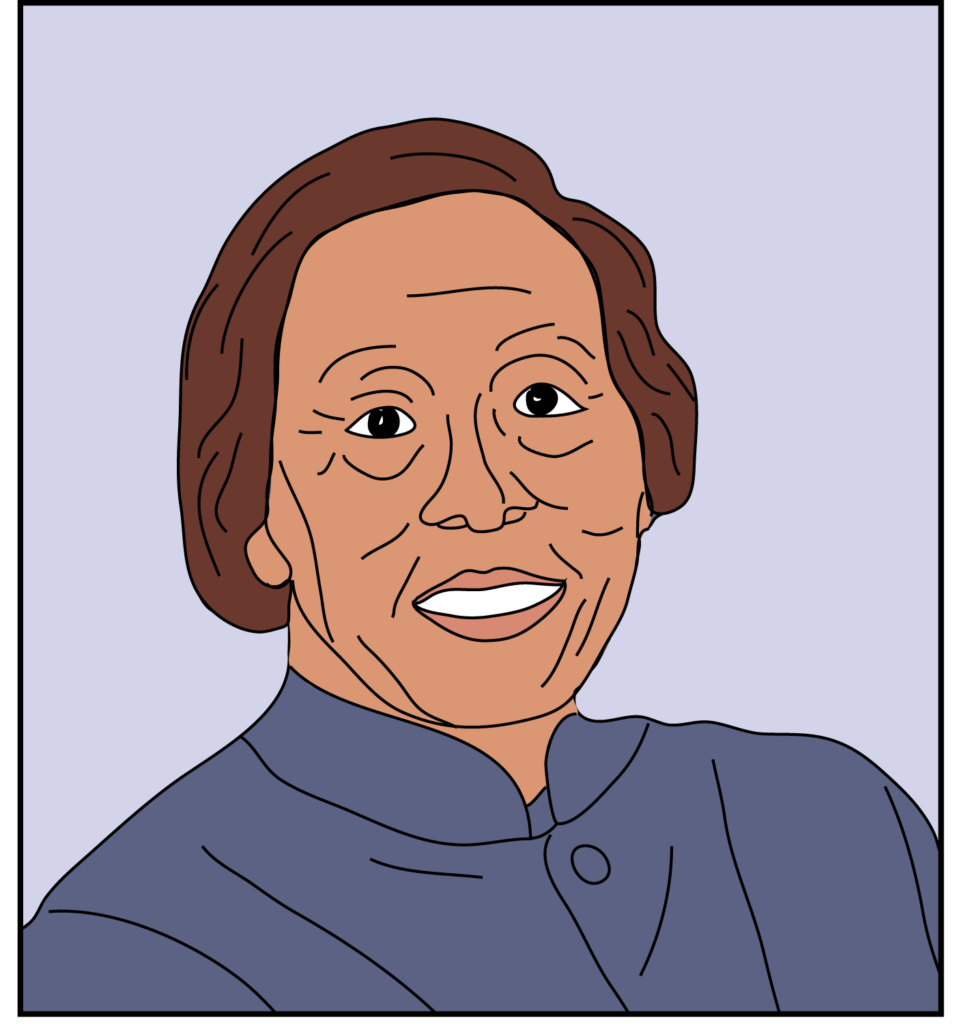
Chi Jishang was born on the 25th of June 1917 in the Anlu County in the Province of Hubei, central China, but she moved to Beijing when she was four years old. Because her family was poor and she had three older siblings, her parents did not allow her and her younger sibling to go …[Read More]
283 search results for "women in science"
If you didn't find what you were looking for, try searching again.
Ana Margarida Neiva – A woman as hard as granite
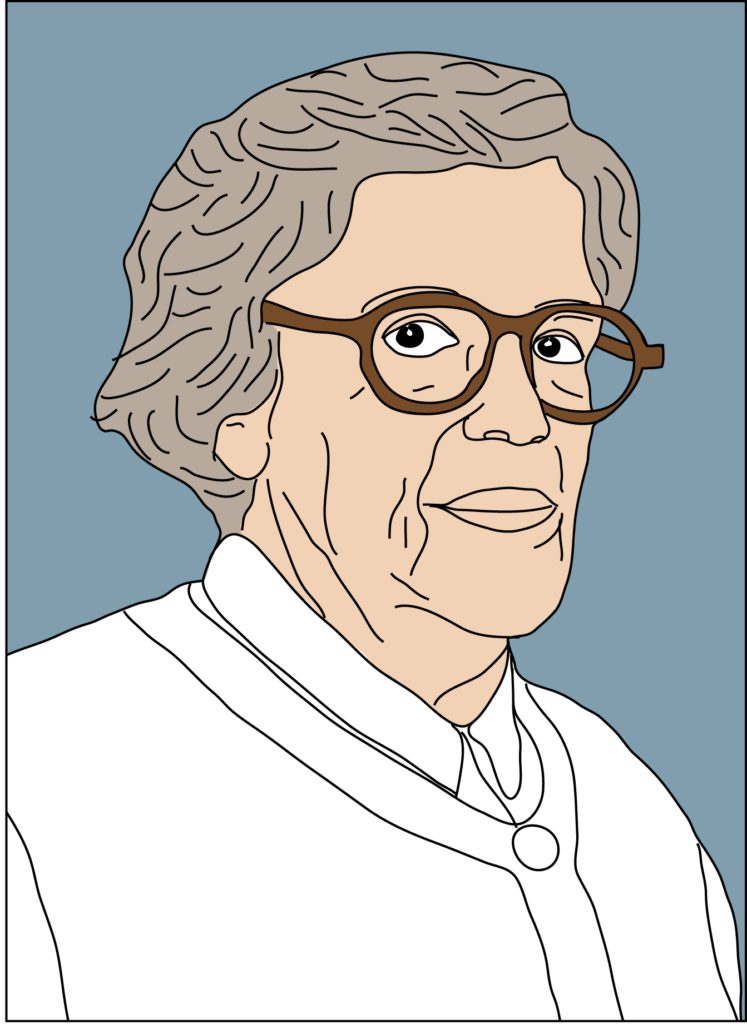
Ana Neiva was born on May 7 1941 in Cedofeita, Porto, northwest Portugal – a city carved in granite. Her childhood and youth were spent in Coimbra, where her father worked. João Cotelo Neiva was an eminent geologist and professor at the University of Coimbra, one of Europe’s oldest universities. His influence was decisive …[Read More]
Water Researchers of Color experts in their fields
The Water Researchers of Color (WaterPOC) database is a resource that aims to add to numerous efforts in the last year to raise awareness of Black, Indigenous, and people of color (BIPOC*) in science, in this case specifically multiple disciplines intersecting with water. This resource mirrors many others, such as 500 Queer Scientists and 500 …[Read More]
Marguerite Thomas Williams: The US’ first black person to obtain a doctorate in Geology
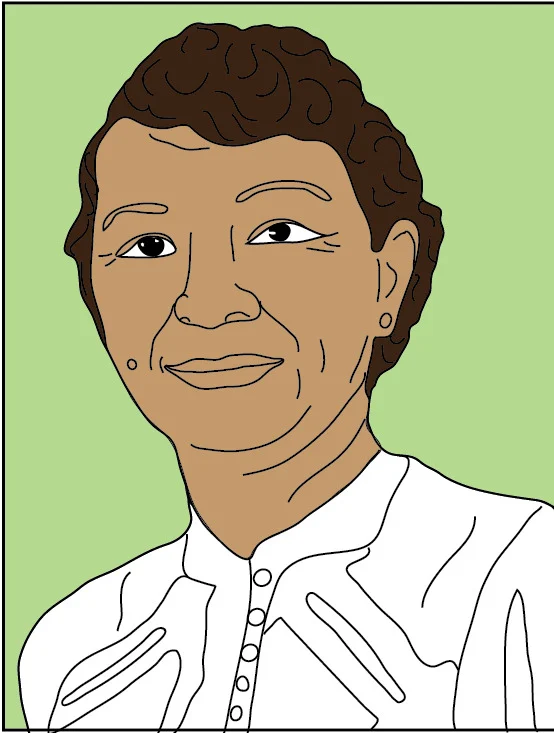
On the day of Christmas Eve, five years before the turn of the century, Marguerite Thomas Williams (December 1895 – August 1991) was born. She was the youngest of her five siblings born to her parents Henry and Clara Thomas. We don’t know much about her early life. Perhaps her older brothers and sisters …[Read More]
What’s it like to be black in academia?
Maria, a member of our ECS team, recently interviewed Professor Christopher Jackson from Imperial College, London, UK. The idea of this interview arose after protests swept across the US, triggered by the murder of George Floyd. Resurfacing the recurring and unsolved issue of racial biases, these protests highlighted that fact that racial inequality is not …[Read More]
Marie Tharp: an inspiration for the past, present and future!
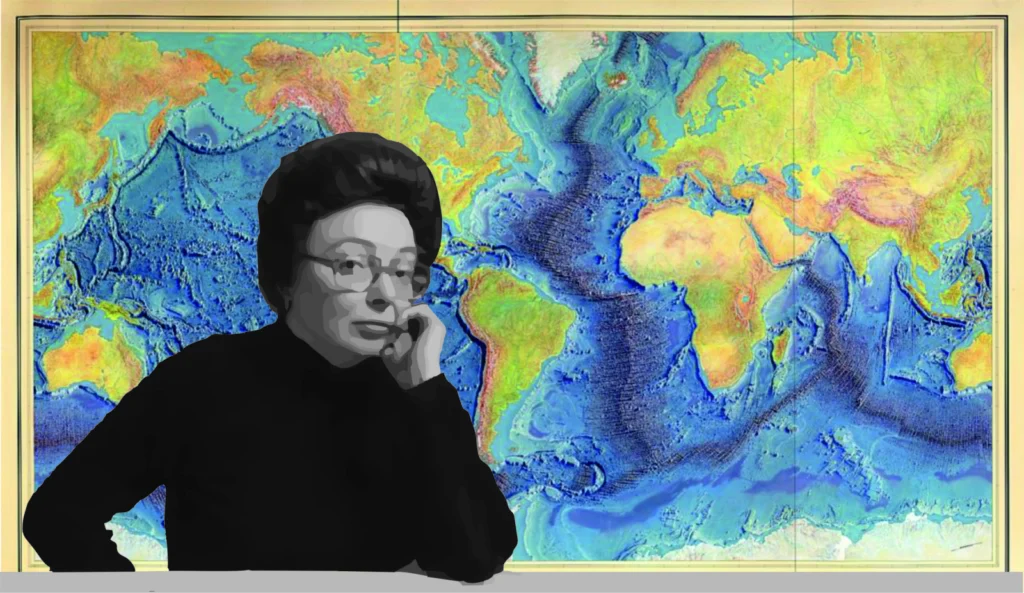
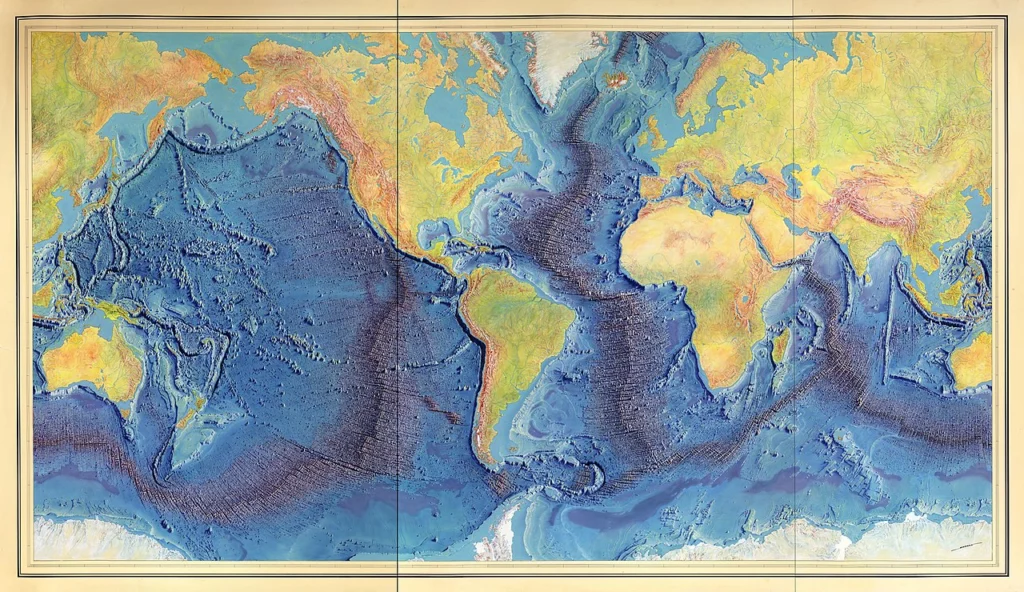
Today marks the centennial of the birth of Marie Tharp, the person responsible for creating the first map of our planet’s ocean floors. Though her work was underappreciated at the time of its publication – mainly because she faced many significant barriers due to her gender – her maps ended up being instrumental evidence in …[Read More]
100 years of Marie Tharp – The woman who mapped the ocean floor and laid the foundations of modern geology
Marie Tharp (July 30, 1920 – August 23, 2006) would have turned 100 on this very day and she continues to live through her legacy of having mapped the world’s oceans. Similar to famous painters, some of whom only gain appreciation after their death, Marie Tharp is one of the most underappreciated scientists in the …[Read More]
Imaggeo On Monday: Sunset in the Arabian basin
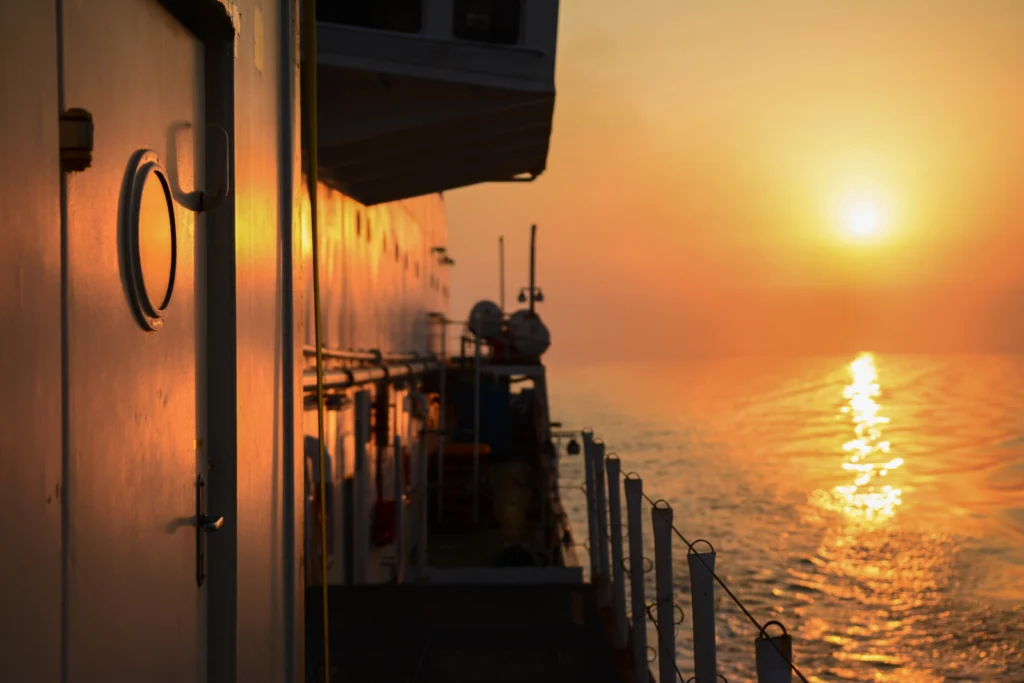
We know the topography of the moon better than the Earth’s seafloor, so we need to keep studying the ocean, and, for me, going to sea is the best way. Only twenty percent of the seafloor is already mapped (see the Seabed 2030 Project), leaving eighty percent of our ocean unmapped, unobserved, and unexplored. …[Read More]
GeoTalk: Hali Felt, author of ‘Soundings: The Story of the Remarkable Woman Who Mapped the Ocean Floor’
This month for GeoTalk, as we approach the centennial of Marie Tharp’s birth next week, we were lucky enough to speak with the author of her biography ‘Soundings: The Story of the Remarkable Woman Who Mapped the Ocean Floor‘; Hali Felt. Hali has a Master of Fine Arts degree from the University of Iowa and …[Read More]
Mind your head: The Imposter Syndrome
This Mind Your Head blog post is a follow-up from one of the talks during the online short course on mental health that aired during the last EGU General Assembly. Imposter syndrome is about the feeling of being afraid to be found to be an imposter. Note that I do not claim to be an …[Read More]