
It’s I’m a Geoscientist week! Or more exactly: weeks. From March 9 until March 20, the EGU supports I’m a Geoscientist to help students engage with scientists about real science. The Energy, Resources and Environment Division of the European Geosciences Union encompasses a broad range of different ERE-related topics, from surface to subsurface, spanning all …[Read More]
2110 search results for "researcher"
If you didn't find what you were looking for, try searching again.
How we might lose the battle against climate change … or against any other environmental problem?
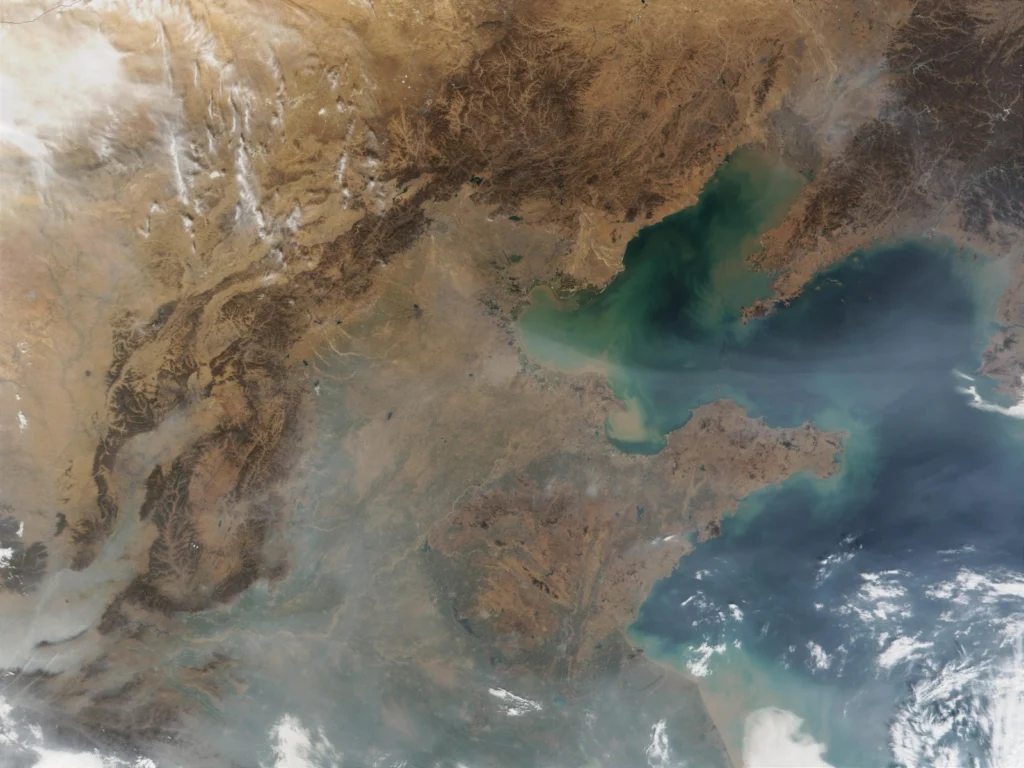
This would not be a blog about atmospheric science if I did not talk about climate change. But I won’t be talking about the science of climate change… there are numerous blogs including here that will talk much better about this. The problem that will be addressed here does not only refer to the “battle” …[Read More]
GeoEd: Education vs. Communication
In this guest blog post, Sam Illingworth, discusses the perceived differences between science education and science communication in light of a recent publication on this very subject. If you are involved in either of these, we’d love to hear your opinions on how you think they differ (if at all) and how the approach to …[Read More]
Reflections on the BSG Windsor Workshop, December 2014
PhDs from around Europe attend once a year the Windsor workshop in the reverend halls of the grand Cumbeland Lodge in the Windsor Park. This years attendees Owen King and Fran Falcini from the York University and Lauren Knight from the Portsmouth University describe and advertize in this guest blog the workshop. The Windsor Workshop …[Read More]
Imaggeo on Mondays: An explosive cloud
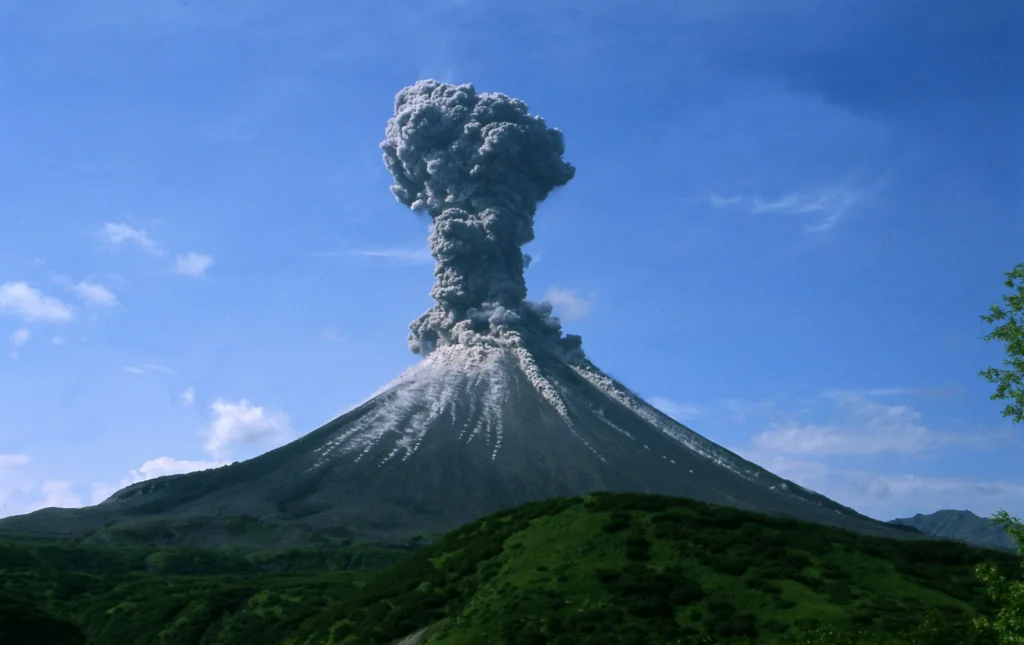
One of the world’s most volcanically active regions is the Kamchatka Peninsula in eastern Russia. It is the subduction of the Pacific Plate under the Okhotsk microplate (belonging to the large North America Plate) which drives the volcanic and seismic hazard in this remote area. The surface expression of the subduction zone is the 2100 …[Read More]
ECGS & ESC/EAEE Joint Workshop: Earthquake and Induced Multi-Risk Early Warning and Rapid Response
A joint workshop about earthquake and induced risk, early warning and rapid response is going to take place in Luxembourg, between the 18th and the 20th of November this year. The long list of researchers involved in the scientific committee, invited lecturers, and, the number of organisations supporting this workshop make this meeting one not to be missed. The …[Read More]
Geosciences Column: The quest for life on Mars
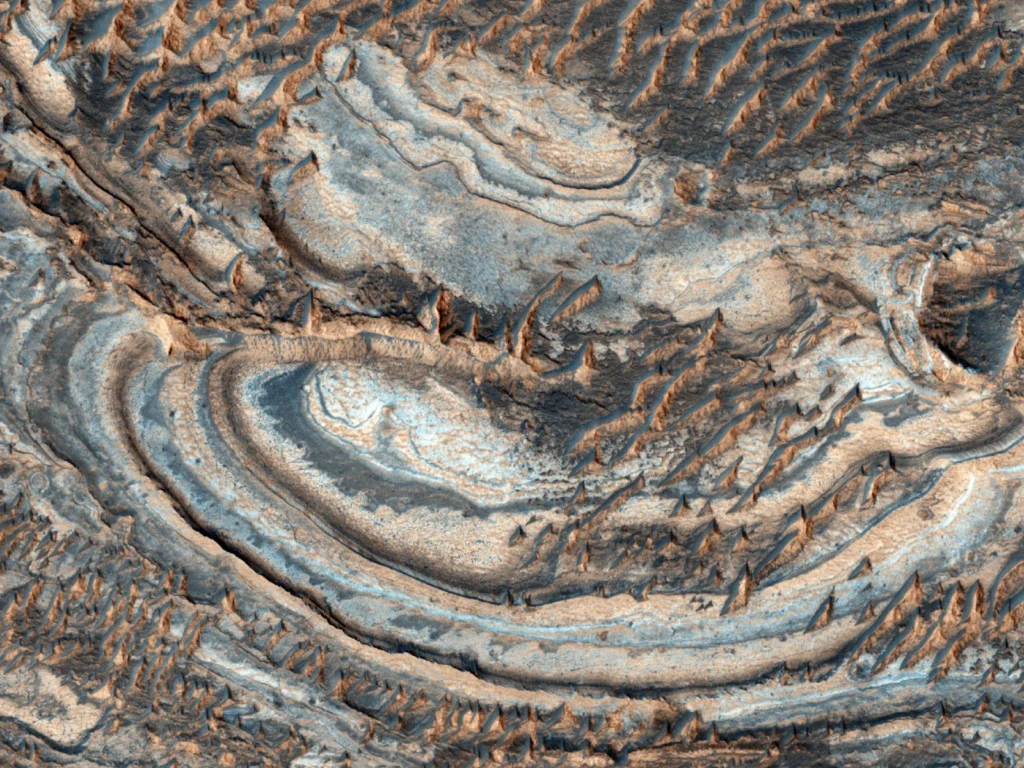
Understanding where we come from and whether Earth is the only habitable planet in the Solar System has been a long standing conundrum in science. Partly because it is our nearest neighbour, partly because of its past and current similarities with our own home, Mars, the red planet, is a likely contender in the quest …[Read More]
Our EGU session died, what went wrong?
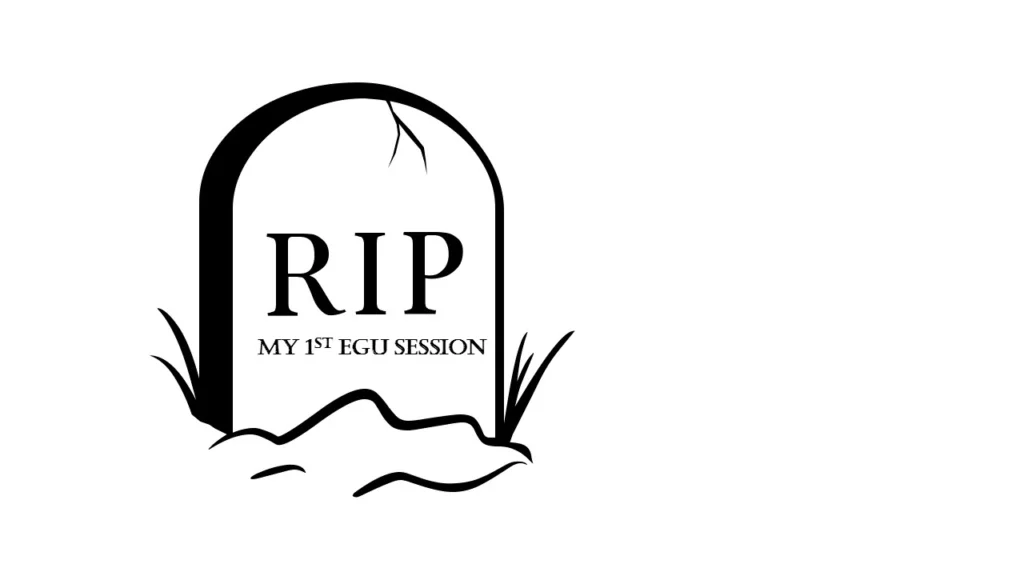
Have you ever had this experience? You develop a session which you think could be such a great platform or a subject that definitely interests a lot of people and then only a few people register…this happened to Jan, me, and several others this year and our proposed sessions (GM1.2 Emerging research fields in geomorphology and GM …[Read More]
Science Policy Fellowship at the EGU – open for applications!
Do you have an interest in science policy and the geosciences? Then this fellowship might be just right for you! EGU fellowships offer early career researchers the opportunity to gain experience in science management and communication in a large scientific union through a targeted assignment at the EGU Executive Office in Munich, Germany. Fellows are …[Read More]
Connectivity: an emerging issue
Antonio Jordán (University of Seville, Spain) Paulo Pereira (Mykolas Romeris University, Lithuania) Saskia Keesstra (Wageningen University, The Netherlands) Artemi Cerdà (University of Valencia, Spain) What is connectivity? Over the recent decades, a growing number of studies have highlighted the role of hydrological and sediment connectivity processes in relation to watershed management, topography, aspect, soil …[Read More]