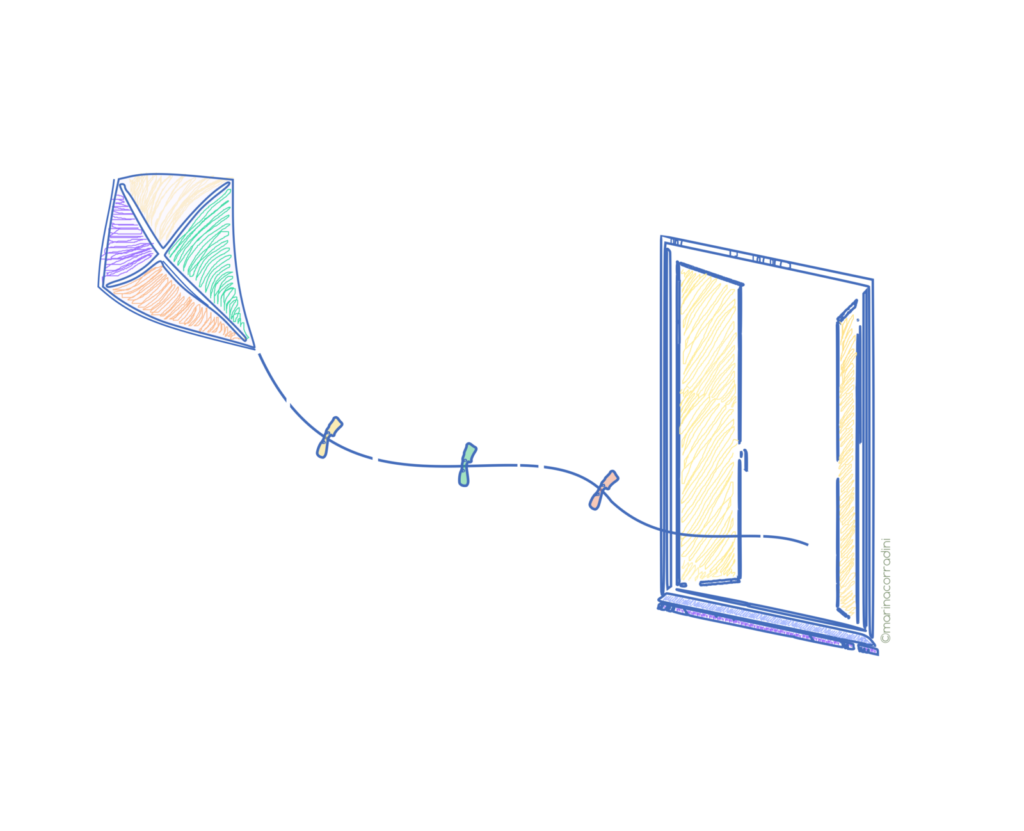
Disasters happen world-wide, almost every day. If you are an earthquake seismologist (or engineer), chances are good that seismic hazard is in your daily diet. Developing an earthquake scenario, estimating the seismic hazard, assessing the risk, regulating the land use: we usually conduct these tasks to limit the socio-economic impact of a seismic event. …[Read More]
2111 search results for "researcher"
If you didn't find what you were looking for, try searching again.
A message from EGU President Alberto Montanari on what geoscientists can do to help mitigate the impact of COVID-19
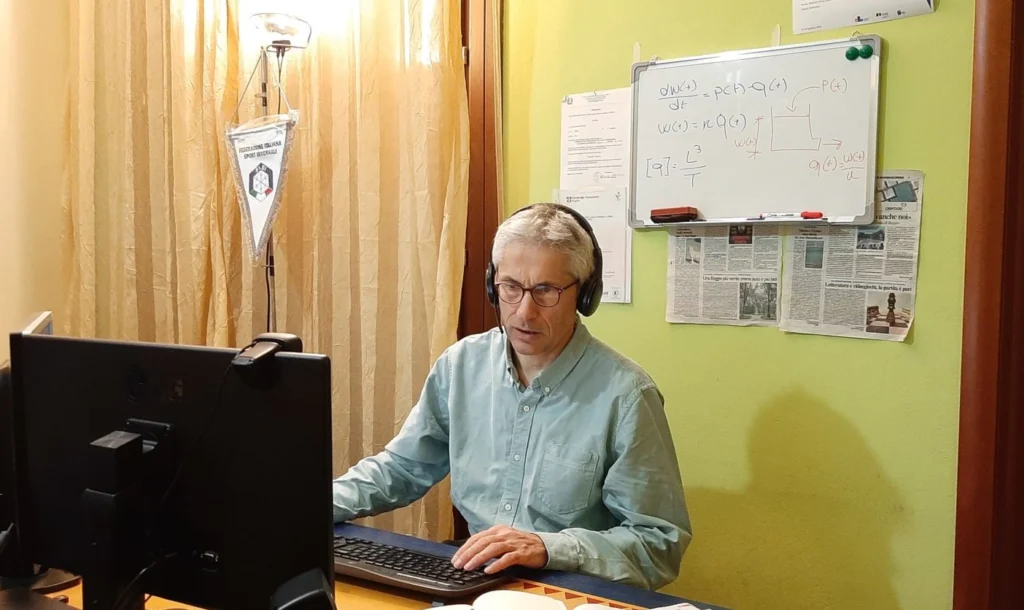
What can the Earth, planetary and space sciences do to help mitigate the impact of COVID-19? While I am considering this challenging question, I am looking out of the window of my home in Italy, in Reggio Emilia. I am close to the epidemic center of the Italian outbreak of COVID-19. I have been at …[Read More]
The Moon – A small but significant tale about impacts, basins, volcanism, and time
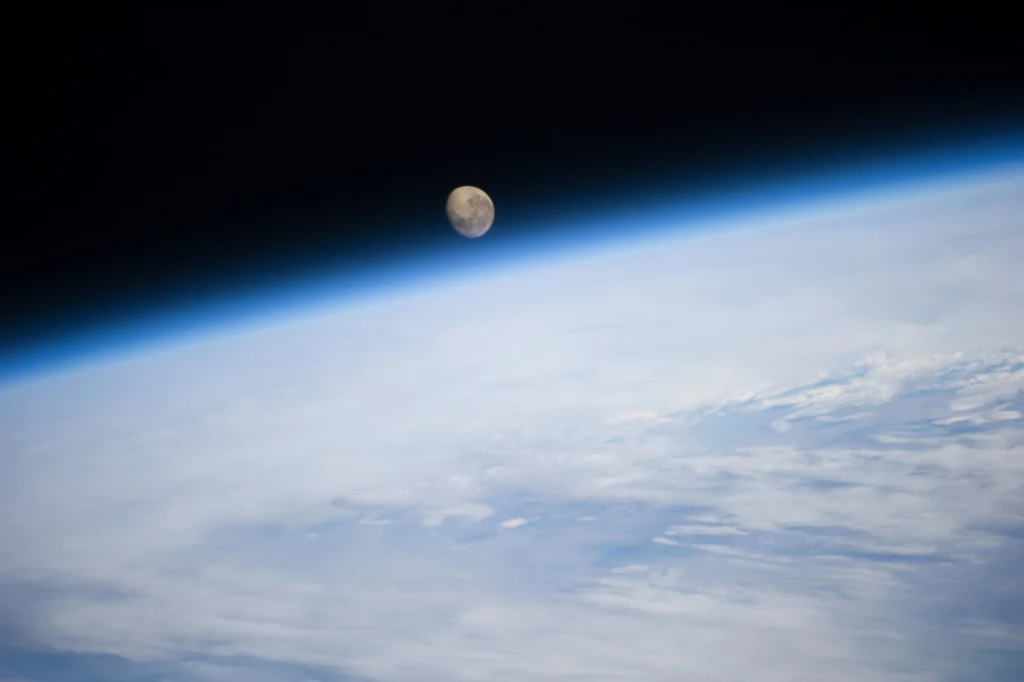
This week on the GD Blog we are taking a magical geodynamicist’s mystery tour to our planet’s Moon thanks to Tobias Rolf, Researcher at the Centre for Earth Evolution and Dynamics (CEED) at the University of Oslo, Norway (currently a Visiting Researcher at the Institute of Geophysics at the University of Münster, Germany). Imagine you …[Read More]
Blog column – PICTURE YOUR RESEARCH!
Working on natural hazards brings you to places (physically and virtually) you might never have discovered otherwise. You look at the world while asking questions about places, situations, relationships, and interactions of the natural processes surrounding you, inspiring your scientific potential. The Natural hazard Early Career Scientists Team is interested in your natural hazard research …[Read More]
Radiocarbon rocks! – How rocks can tell us about the history of an ice sheet…
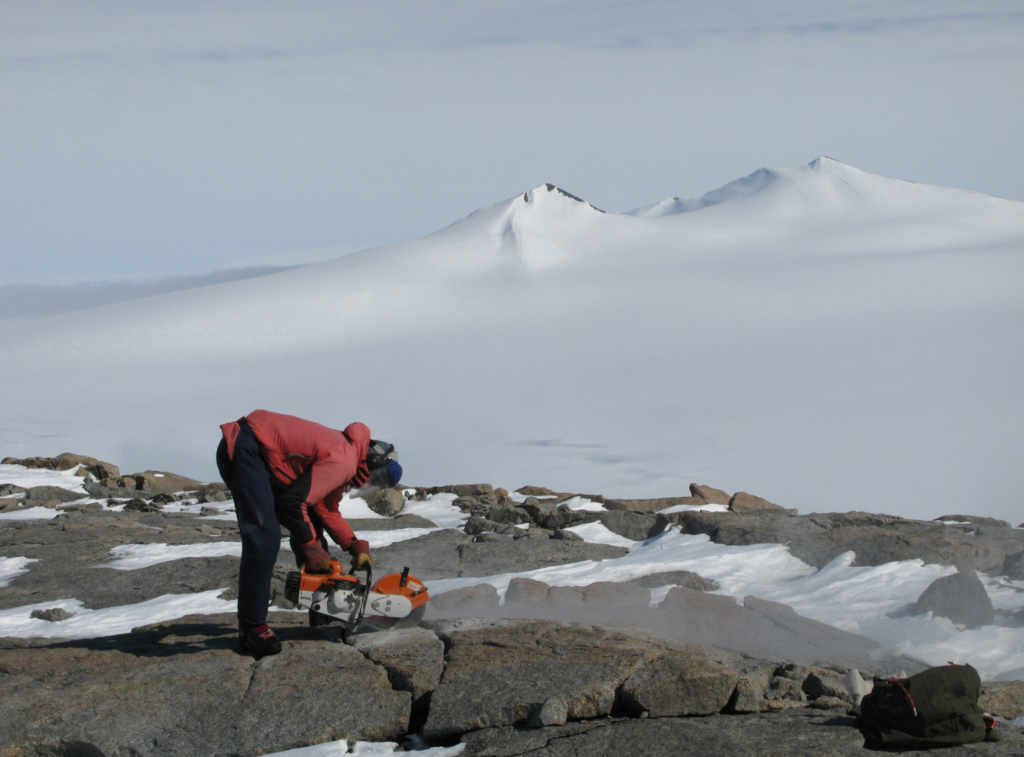
When most people hear the phrase “radiocarbon dating”, they think of measuring carbon to date organic material. But did you know that carbon is also produced within rocks, and that we can use it to learn about the past behaviour of a glacier? About 20,000 years ago it was colder and large parts of the …[Read More]
Representing the Possible: Milena Marjanović
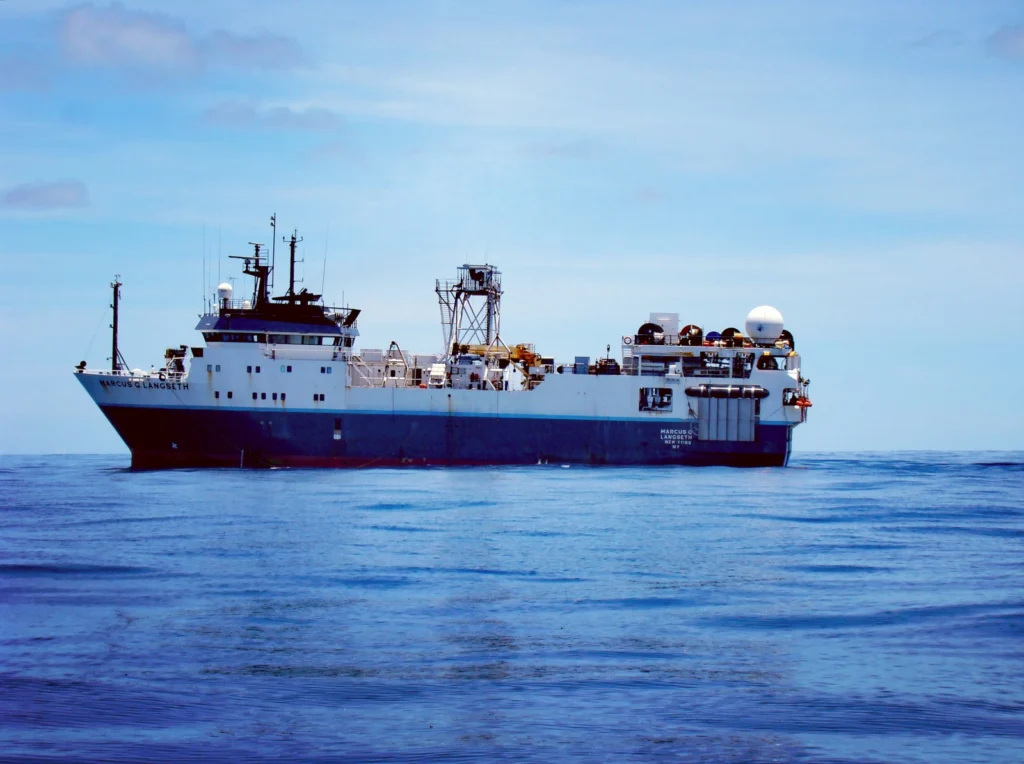
I remember the first lecture vividly, it was on Plate Tectonics. From that moment, I knew what my profession will be What is your story, Milena? I am a Marine Geophysicist interested in exploring plate boundaries, in particular, mid-ocean ridges using active source seismology. I am a sea-going researcher, which means that every now and …[Read More]
Graduate students worldwide deserve living wages
‘Now, more than ever, we need science’, thinks the editor of this blogpost as he works from his small studio paid by a rent-burdened academic salary while under lockdown in California due to the COVID-19 pandemic. However, the need for an open, fair, inclusive science seems to be ignored all across the world by policy …[Read More]
EGU President Alberto Montanari introduces the new EGUsphere
The European Geosciences Union (EGU) just announced the launch of EGUsphere, a new online platform designed to promote global networking and open discussion within the Earth, planetary and space science community. EGUsphere will serve as a central repository for all contributions, presentations and manuscripts presented to EGU. In particular, EGUsphere will host abstracts and presentations …[Read More]
GeoPolicy: Interview with the former President of the European Research Council – Jean-Pierre Bourguignon
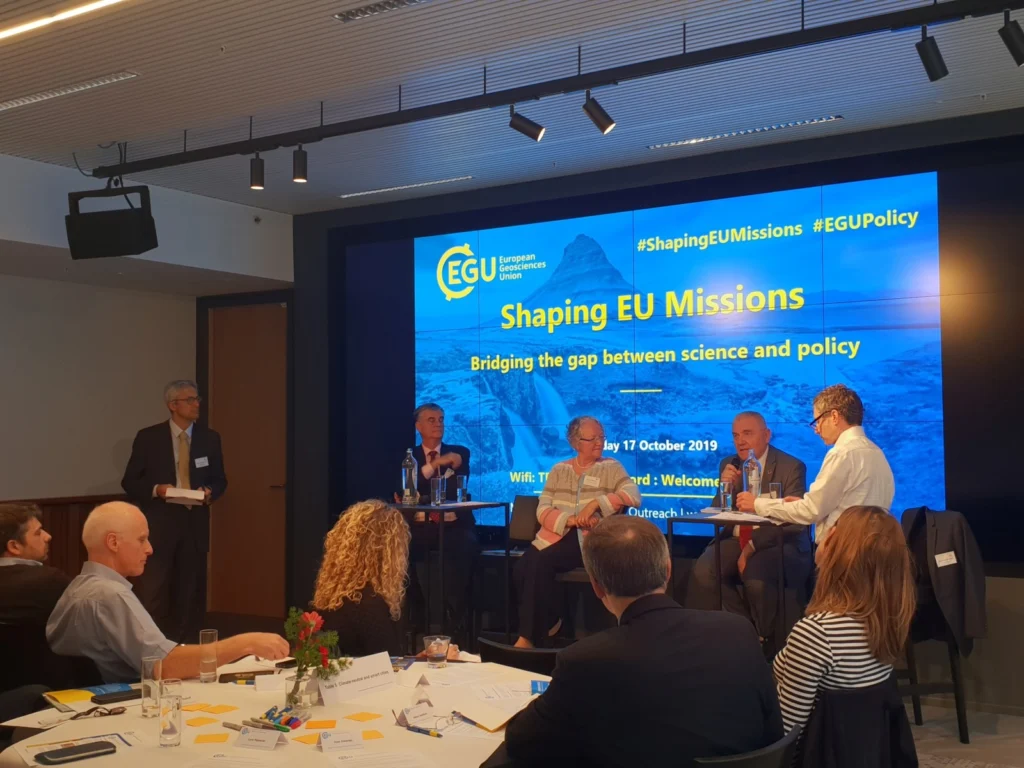
I recently had the honour of interviewing Professor Jean-Pierre Bourguignon, who completed his six-year term as the President of the European Research Council (ERC) at the end of 2019. As an award-winning mathematician, he has been a fellow of the Centre National de la Recherche Scientifique for most of his career. Bourguignon held a Professor …[Read More]
What’s up on Thwaites Glacier?
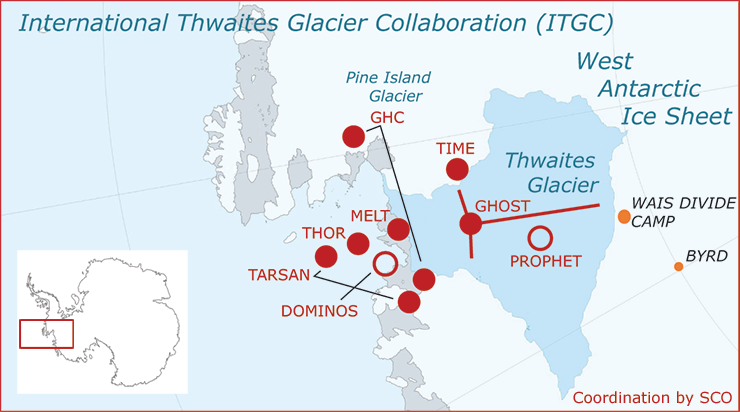
With the West Antarctic Ice Sheet currently losing ice at a fast pace, leading to sea-level rise, it is very important to better understand the processes by which this ice melting occurs. In this context, Thwaites Glacier is a very good case study of an accelerating glacier, which contributes substantially to sea-level rise, and for …[Read More]