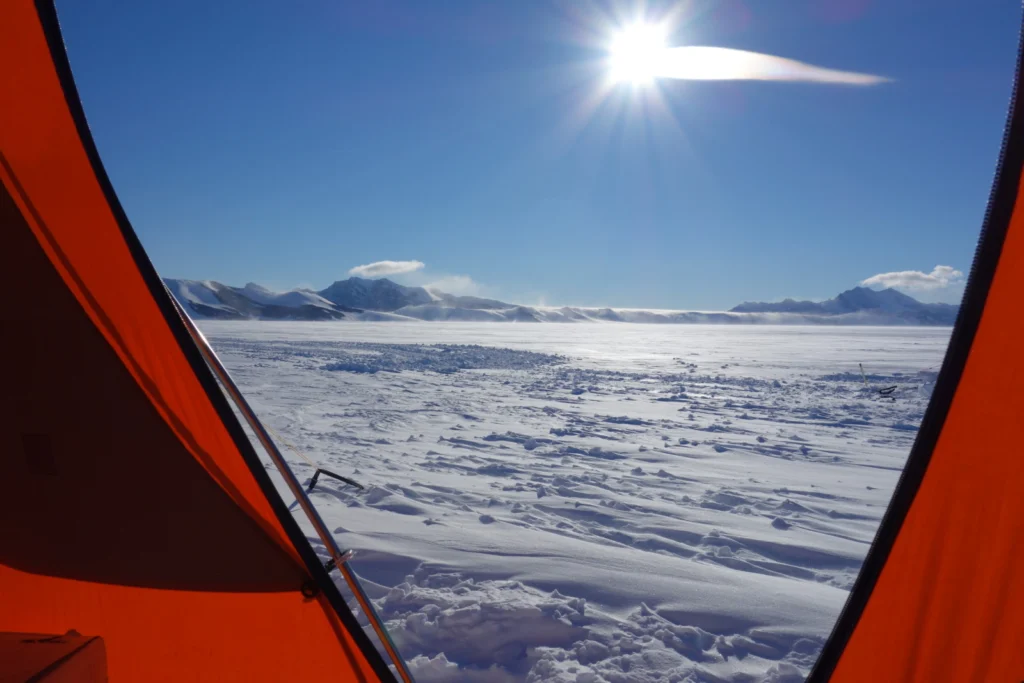
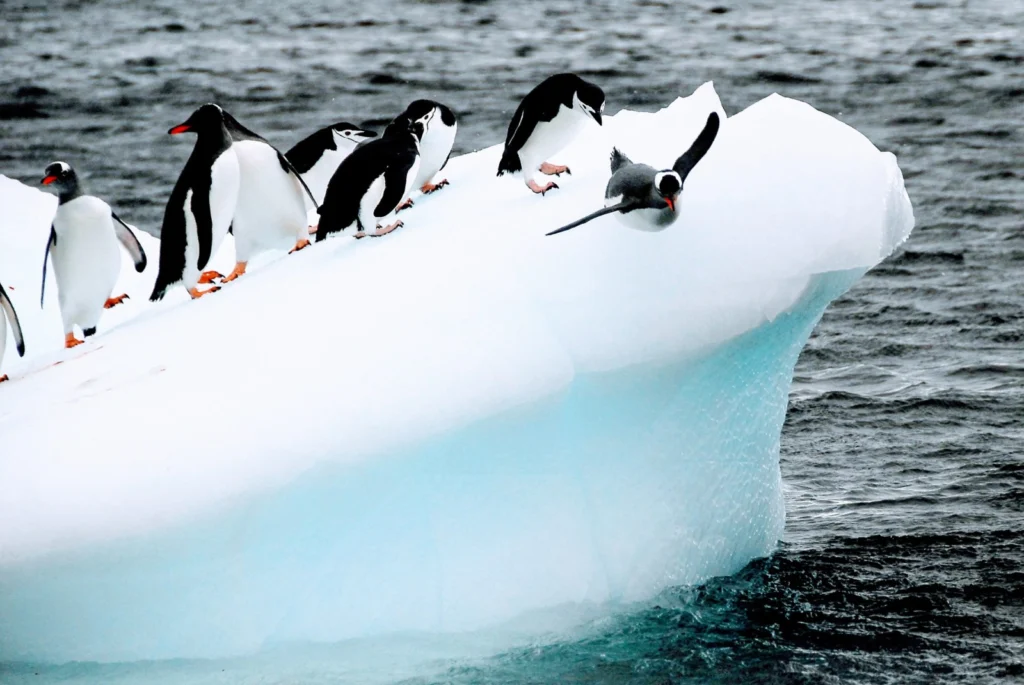
On the 1st December 1959 the Antarctic Treaty was signed by 12 nations, setting aside nearly 10% of the Earth “forever to be used exclusively for peaceful purposes… in the interests of all mankind.” In the years that followed more and more countries signed the agreement, until today when the agreement has been signed by …[Read More]
2111 search results for "researcher"
If you didn't find what you were looking for, try searching again.
Life as a “dry” oceanographer – studying Earth’s oceans from your laptop
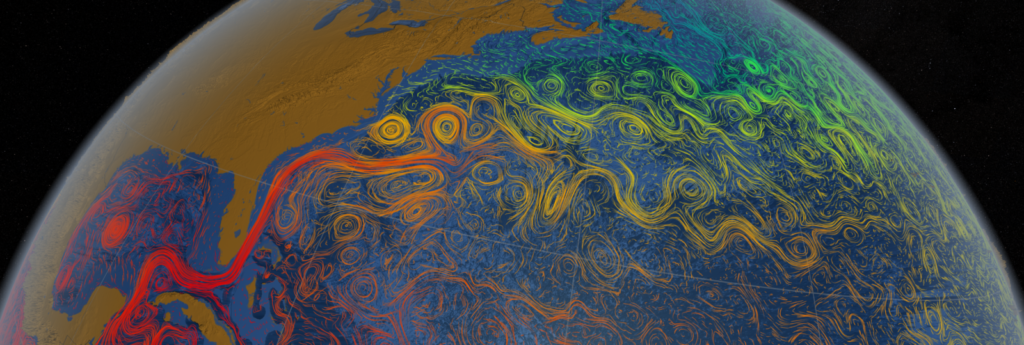
I didn’t always know that I would become an oceanographer when I grew up, but I knew I would be doing ‘Science’. I was born and raised in Paris, France. While growing up, I was always interested in Science, from watching documentaries about the universe or nature, to attending science events at museums. While Science …[Read More]
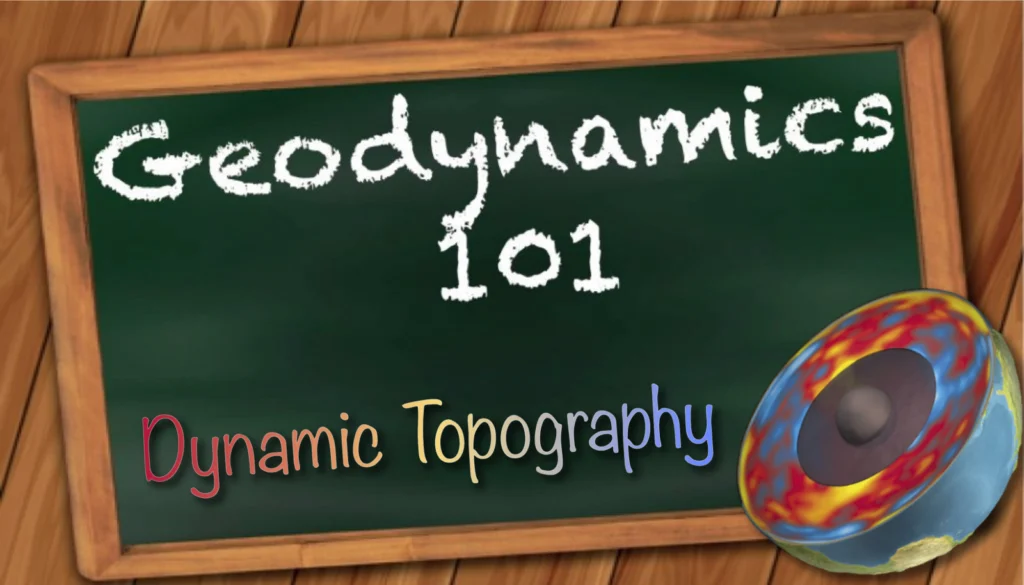
Geodynamics 101: Dynamic Topography
The Geodynamics 101 series serves to showcase the diversity of research topics and/or methods in the geodynamics community. In this week’s post, Fred Richards explains how ‘Dynamic Topography’ is used in the Geosciences, and discusses the knowns, unknowns, and the challenges ahead. Since shortly after its tumultuous formation 4.5 billion years ago, Earth has been …[Read More]
LOESS IN TRANSLATION
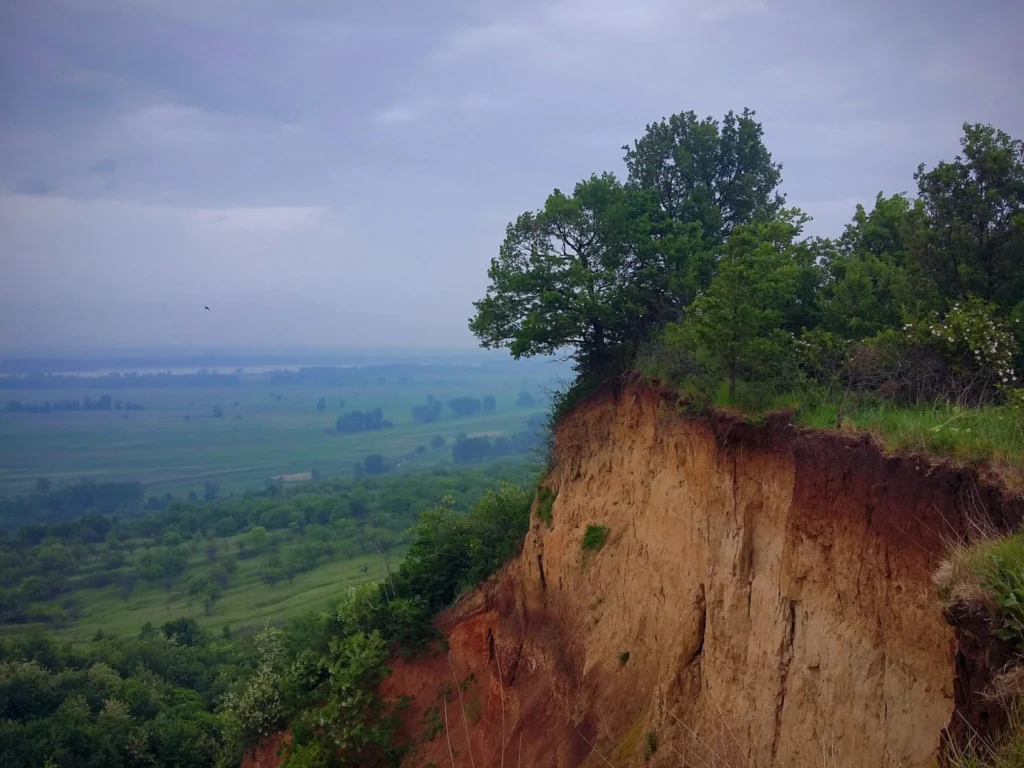
Loess is a mineral, aeolian deposit with a range of definitions in literature, which class it as either a sediment, soil, or rock. Some classic texts suggest that “loess is not just the accumulation of dust” [1], and it must include additional processes such as loessification, calcification, pedogenesis, and in-situ weathering. The definition adopted depends …[Read More]
How Open Science may help us during and after the pandemic
As Hedding et al. (2020) indicate, it is “not business as usual” for higher education across the globe. There are many testimonies by scientists who are struggling to work while their children are stuck at home during the coronavirus pandemic (Langin, 2020). Indeed, it is very complex to stay at home to raise and home-school …[Read More]
Career Progression – from Academia to Industry
During the summer Liam Brannigan contributed to an EGU careers workshop. Liam has had a diverse career, following his masters in maths at Edinburgh University he worked for several years as an investment consultant. In 2010 however, he fancied a change and embarked on a career in physical oceanography, completing his MSc at Bangor University …[Read More]
The GMPV “Must-read Papers” is here!
Moving in the wide scientific literature can be overwhelming, can’t it? Especially if you are at the beginning of your research journey. Or maybe you just need the right hint to improve your research. Well, we are here to help! The EGU’s GMPV Early Career Scientist committee would like your contribution to the “GMPV Must-read …[Read More]
The importance of our SSS (…Soil Support Staff!)
Soils do a lot! From supporting food production and filtering water, to storing carbon, cycling nutrients, and hosting organisms, soils are fundamental for our day-to-day lives. But take a look around you. If you’re like me – sitting in an office at the moment – your feet rest upon a carpeted floor, you’re surrounded by …[Read More]
Seismology Job Portal
On this page, we regularly update open positions in Seismology for early career scientists. Do you have a job on offer? Contact us at ecs-sm@egu.eu Please, note that other available research positions are displayed on the EGU Jobs Portal. Special Thanks to Eric Löberich for researching job postings for the ECS.
How small changes can make a big difference: tipping points in Antarctica
As Antarctica’s mass loss increases, the threat of crossing tipping points both in the ice sheet and the surrounding Southern Ocean is increasing. But what actually is a tipping point? Have tipping points already been crossed in the past? And what might the future hold? What do we mean by a “tipping point”? Scientifically speaking, …[Read More]