EGU Blogs

Latest posts

Holding it in (the learning, not the pee) – The gendered importance of toilet breaks for geoscience students during field-courses
Holding it in (the learning, not the pee) – The gendered importance of toilet  breaks for geoscience students during field-courses
Field-based teaching is a cornerstone of geoscience education. Concepts such as scale, complexity, spatial awareness, 3D geometries, methods, skills, and techniques are inherently difficult to teach from a lecture theatre. However, achieving the benefits of field-based teaching might require a learning module not always considered as a prerequisite: planning and providing information about bathroom breaks. …[Read More]

GD

DYNAMICE: An ERC Starting grant project to bridge the gap between geodynamics and ice modelling

DYNAMICE: An ERC Starting grant project to bridge the gap between geodynamics and ice modelling

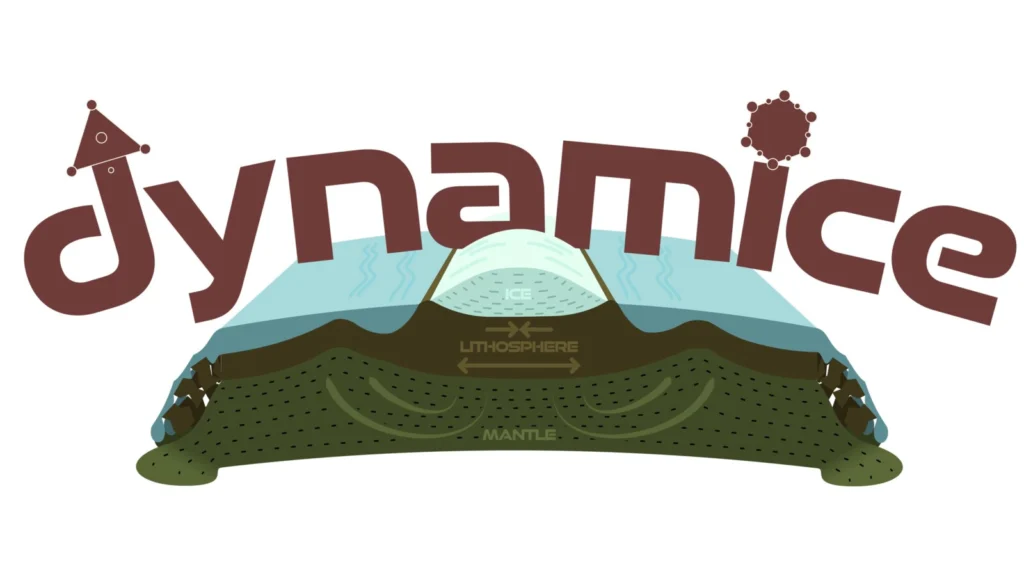
In the 2024 ERC Starting Grant call, the European Research Council received nearly 3,500 proposals, of which approximately 14% were awarded funding. Among the 20 projects funded in the field of Earth System Sciences is DYNAMICE, led by Ágnes Király, the 2023 recipient of the EGU GD Division Outstanding Early Career Award. Through this blog, …[Read More]

SSP

Drilling on world’s rooftop – the Nam Co-ICDP campaign on the Tibetan Plateau

Drilling on world’s rooftop – the Nam Co-ICDP campaign on the Tibetan Plateau

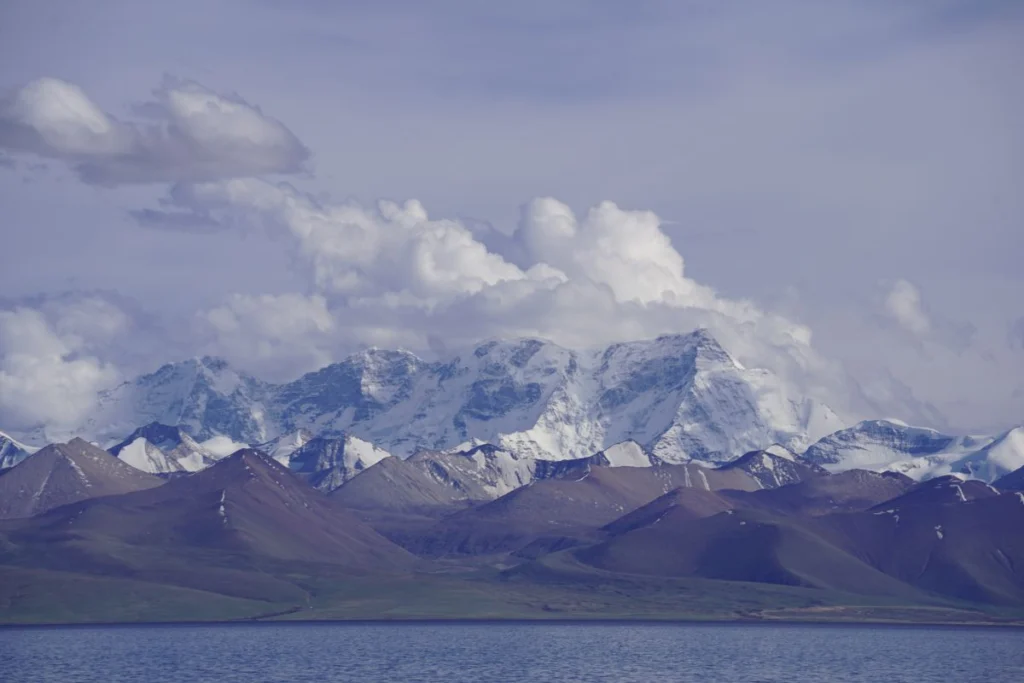
International Scientific Continental Drilling Program (ICDP) campaigns may lead scientists from all over the world to most exciting places that are often of extraordinary beauty and remoteness. All these attributes certainly apply to Lake Nam Co situated at an altitude of 4700 m above sea level on the Tibetan Plateau in the Himalayas. Today this …[Read More]

GM

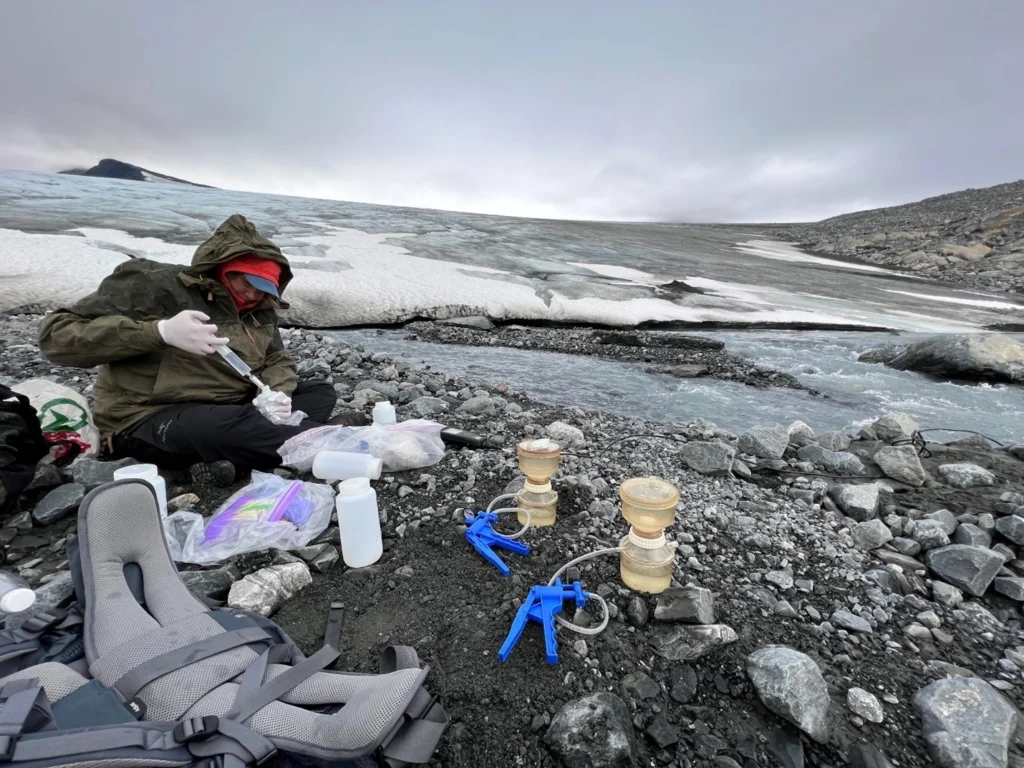
Highlights from Taiwan: Sampling environmental DNA (eDNA)

Highlights from Taiwan: Sampling environmental DNA (eDNA)

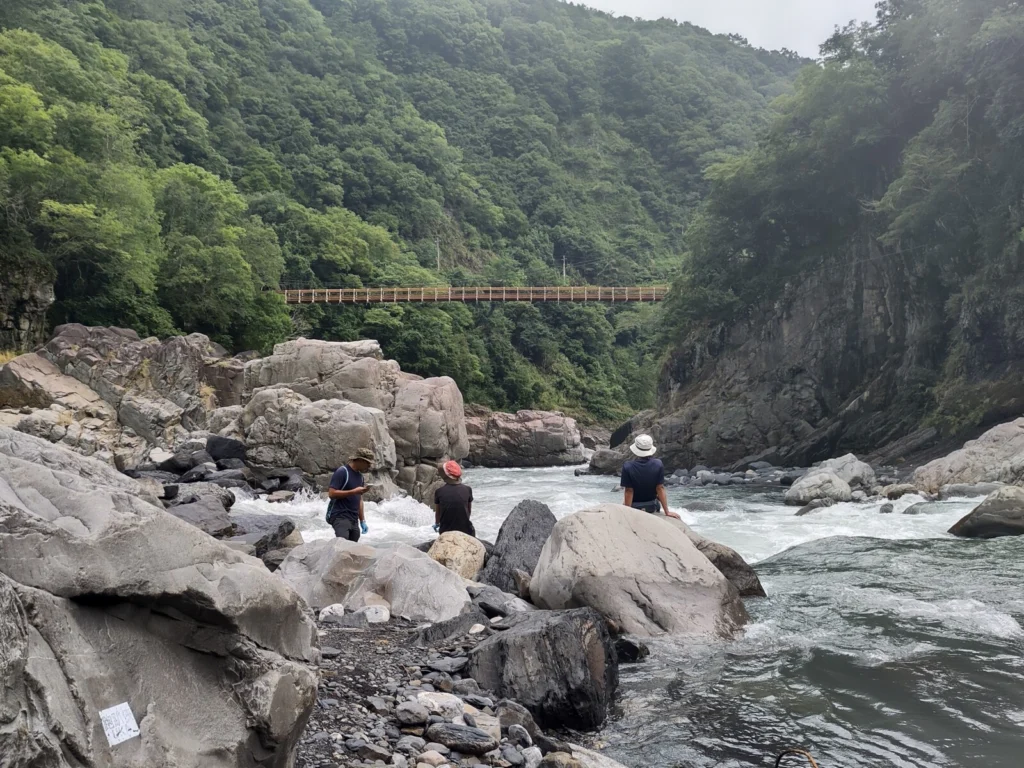
This blog post is part of our series: “Highlights” for which we’re accepting contributions! Please contact one of the GM blog editors, Emily (eb2043@cam.ac.uk) or Emma (elodes@asu.edu), if you’d like to contribute on this topic or others.  by Caro Krug, Doctoral Student, ETH Zurich, Switzerland Email: cakrug@eaps.ethz.ch The Formosan landlocked salmon (Oncorhynchus masou formosanus) can only …[Read More]

Was that a meteor or a re-entry ? The final frontier for satellites when their mission ends

Was that a meteor or a re-entry ? The final frontier for satellites when their mission ends

Like humans, satellites have a lifespan. These machines orbiting high above Earth serve various critical purposes that range from monitoring weather systems and tracking greenhouse gases to studying the cosmos. But even the most advanced satellites reach a point when their electronics wear out, their fuel depletes, and their missions come to an end. When …[Read More]

HS

Mapping the Future of Freshwater: An Interview with Niko Wanders on the World Water Map Project

Mapping the Future of Freshwater: An Interview with Niko Wanders on the World Water Map Project

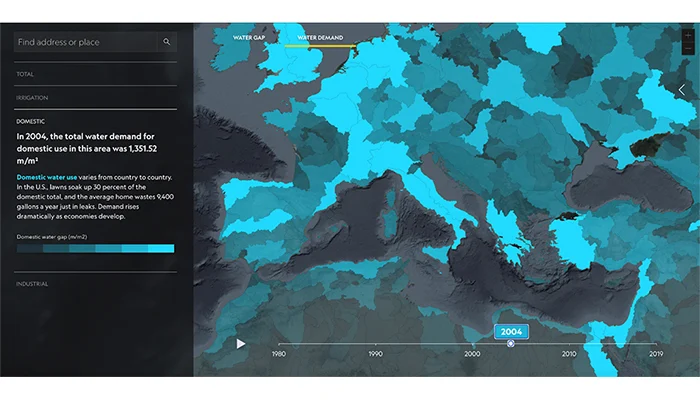
Back in 2022, two hydrologists and water resources specialists from University of Utrecht launched the World Water Map  in collaboration with the National Geographic Society and ESRI. Based on the outputs of their global hydrological model PCR-GLOBWB, the team of Marc Bierkens and Niko Wanders map global water resources and identify the regions most at …[Read More]

GD

Dirty Poppy and the Research Tournament of Arcane Mysteries.

Representative Cup for the winner of the Research Tournament of Arcane Mysteries. Figure generated by PromeAI.

In this week’s post, Dr. Katherine Villavicencio (University G. d’Annunzio, Italy) looks into the flaws of the academic system that enables abusive supervisors to hold excessive power.  In the form of a wizardly tale, she sheds light on the negative experiences of students subjected to the oppressive control of this kind of supervisors. In an alternate universe, the …[Read More]

NH

An epic blockbuster of natural extreme forces: natural hazards through cinematic lenses

An epic blockbuster of natural extreme forces: natural hazards through cinematic lenses

Do you enjoy watching natural hazard movies? Exploring the unfolding of the Earth’s immense power, the level of destruction, human responses and resilience? Can movies offer a glimpse into the chaos and devastation that natural hazard events can bring? Imagine the havoc a storm surge overtopping the Thames Barrier could cause in London. Without a doubt, …[Read More]

OS

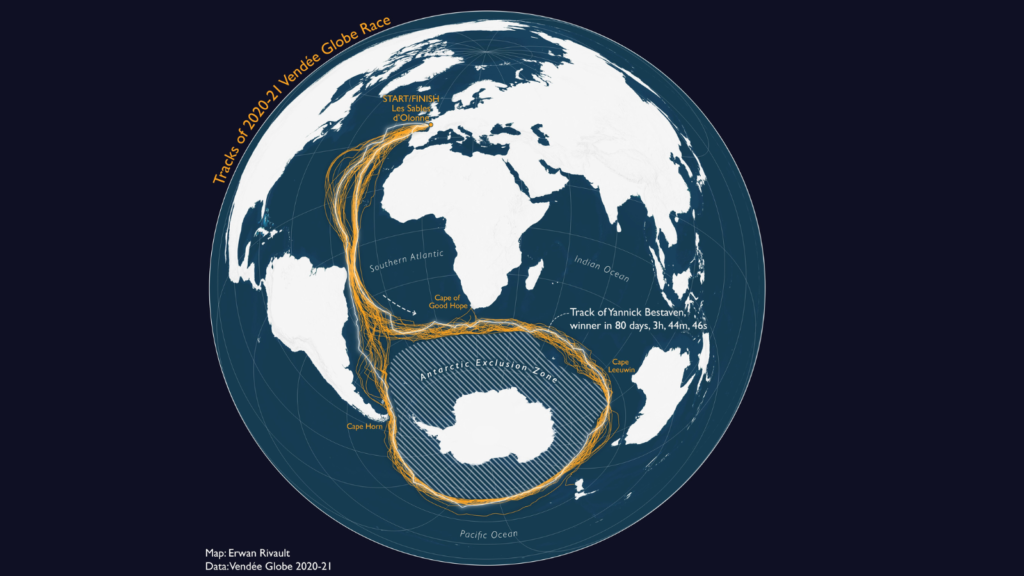
Sailing for Science: How Data from Sailing Races Advances Ocean Research

Sailing for Science: How Data from Sailing Races Advances Ocean Research

The Vendée Globe began on November 10th, with 44 participants embarking on the world’s toughest sailing race. This non-stop, single-handed round-the-world yacht race challenges skippers to circumnavigate the Southern Ocean. The race starts in France, traverses the North Atlantic, and heads directly into the Southern Ocean. Despite taking place during the austral summer, the conditions …[Read More]