
Desert winds continually rework the sands on their surface, shifting grains up the stoss side of a dune to pile the sand higher… until the pile gets too steep and collapses under its own weight. This slipping of material along the front of the dune, allows it to move forward and migrate. The movement of …[Read More]
Latest posts
Perhaps toads can do that
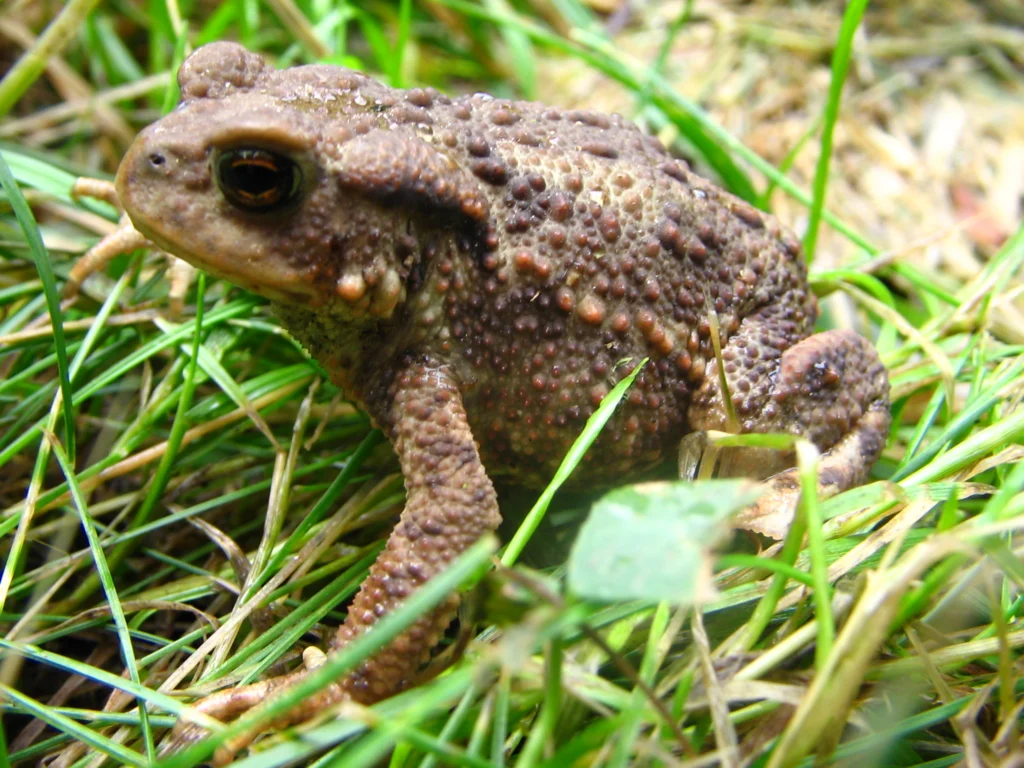
Probably every seismologist has been asked the question “Can you predict earthquakes?”, or “Is it true that animals can sense an imminent earthquake?”. Despite the crushing answers from some trying to explain that not all seismologist work on earthquake predictions and that there is far more other areas of specialisation, the truth is that researchers are still trying to …[Read More]
Plastic packaging – a horror film
Zero Waste Week is an opportunity to reduce landfill waste & save money. In its seventh year, the week runs 1st – 7th September 2014. The theme is “One More Thing” – what one more thing could YOU do? Find out more at http://www.zerowasteweek.co.uk/ or on Twitter using #zerowasteweek Ever since I spent a summer …[Read More]
A much shorter review of flood stratigraphies in lake sediments
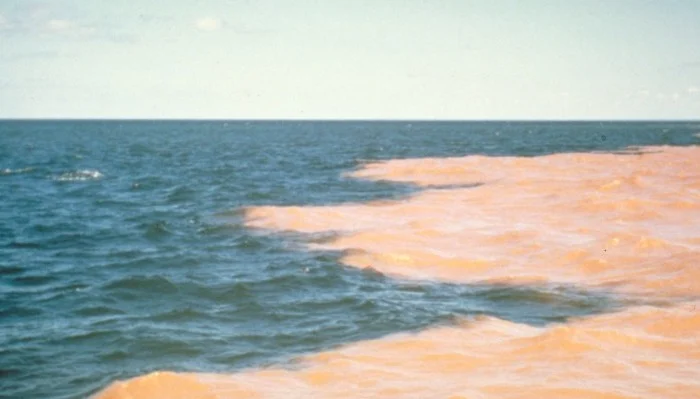
Earlier this year my PhD supervisors and I (Daniel) had a paper accepted for publication in Earth-Science Reviews entitled ‘Flood stratigraphies in lake sediments: A review’ (Schillereff et al., 2014). It’s been fairly popular in terms of downloads but it occurred to me the other day that many of those prospective readers may be put …[Read More]
GeoTalk: Matthew Agius on how online communication can help identify earthquake impact
In this edition of GeoTalk, we’re talking to Matthew Agius, a seismologist from the University of Malta and the Young Scientist Representative for the EGU’s Seismology Division. Matthew gave an enlightening talk during the EGU General Assembly on how communication on online platforms such as Facebook can help scientists assess the effect of earthquakes. Here …[Read More]
GeoPoll #3 – What got you interested in geology?
After a bit of an opinion hiatus I am back with the third geopoll. Every day I go to work at a university department filled with geologists. All of us are tackling different questions, but in the beginning we all started at the same place. Namely, not knowing anything about geoscience. In my conversations with colleagues over …[Read More]
Summer Opportunity – Write a Hazard Factsheet
We’re currently looking for some students on their summer break (or PhD students/recent graduates) to help us write factsheets on hazards in specific countries. Countries we are interested in include the Philippines, Nicaragua, Afghanistan, Columbia and Peru. As these factsheets will be reviewed, formatted, printed and sent to NGOs – this is a great opportunity to …[Read More]
EGU has a new Science Communication Officer!
Meet the newest member of EGU’s communications team, Laura Roberts Artal! Laura will manage GeoLog and the EGU blog network, run our social media channels, and continue developing EGU’s networking activities for young scientists. It is a warm and relatively sunny day in Munich and I’ve just started as the new Communications Officer at the …[Read More]
Imaggeo on Mondays: Beneath a star-studded sky
Marco Matteucci captured this image of the night sky on the slopes of Mount Rosa, the second tallest peak in Alps. Mount Rosa straddles the border between southern Switzerland and Italy the pink mountain’s name comes from the Franco-Provençal word rouése, meaning glacier. Much off the Swiss side of the mountain is enveloped in the …[Read More]
GeoEd: Working together
When a geoscientist steps into a classroom, set to share their wonders of the Earth with a host of eager young minds, they are heading straight into unknown waters. Which students will rock the boat? What works well for this class and what should you steer well clear of? Not knowing the answers can turn …[Read More]