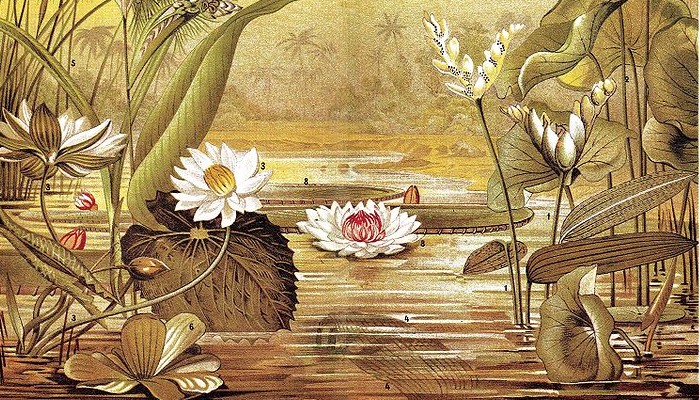
Radiocarbon dating is probably the most well-known chronological technique regularly employed by archaeologists, geomorphologists and researchers analysing sediment cores. Palaeolimnologists (those who study lake sediments) hoping to determine the age of a sample extracted from a long sediment core traditionally seek terrestrial plant macrofossils (fragments of organic matter visible without a mic ...[Read More]
VolcanicDegassing
The fate of volcanic ash in the environment
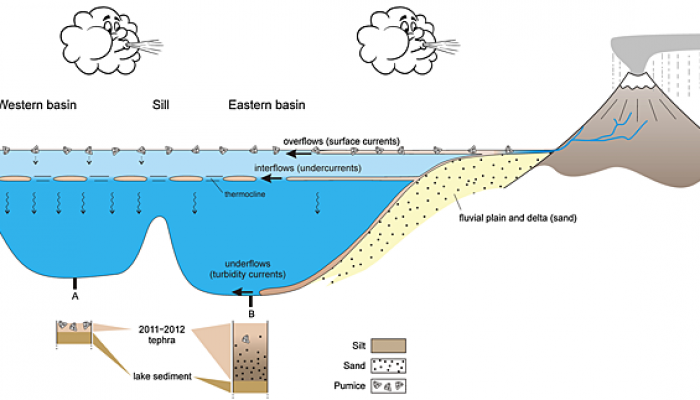
Over the past few years, we have been working to piece together the record of major post-glacial volcanic eruptions in southern Chile that have occurred over the past 18,000 years. This work started off with a search for volcanic ash layers that were preserved in road cuttings, or cliff faces other accessible geological locations in the region. Since then it has expanded to include the search for ...[Read More]
Between a Rock and a Hard Place
PhD reflections: Sorcha
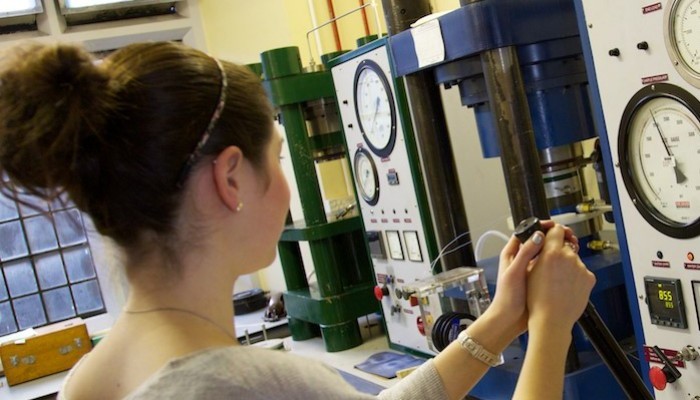
Between a Rock and a Hard Place began as an Earth Science PhD blog in February 2013, as a place to ramble on about PhD life and general science topics. Almost two years later, some of the contributors have finished, others have submitted, and the rest are nearing the end. Over the next few weeks, the BaR contributors will be sharing some reflections on their PhD experiences. Taken from an original ...[Read More]
Polluting the Internet
The dark side of the atmosphere: the blog awakens
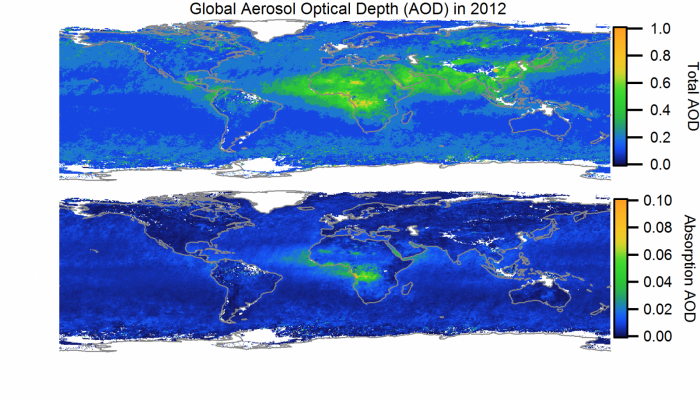
Aerosol particles come in lots of different flavours and one of their most important properties is how they deal with incoming sunlight. Some are rather unwelcoming and send sunlight back to whence it came (space), which leads to a cooling of the atmosphere as the sunlight doesn’t reach the surface of the Earth. Others offer sunlight a warm(ing) embrace and absorb it, which heats up the atmo ...[Read More]
Climate: Past, Present & Future
Welcome to the world of climate: past, present and future!
Just like the Earth’s ocean-climate system itself, the climate of climate science is ever evolving and changing, both politically and scientifically. On the 21st of December 1872, HMS Challenger set sail from Portsmouth on a three year long voyage of discovery. The pioneering work that happened during those intrepid months aboard, laid the foundations for the climate science that happens tod ...[Read More]
GeoSphere
Shades of L’Aquila: Italian Geochemists avoid Huge Miscarriage of Justice
On rare occasions I hear about a story that must be told. This story is one of those and I feel that it deserves attention from the broader geoscience community. We have all heard of the L’Aquila verdict against the Italian seismologists concerning the devastating earthquake in 2009. If you haven’t, read these articles by Chris Rowan. At the time the guilty verdict was handed down the ...[Read More]
Geology for Global Development
Guest Blog: GfGD UCL Event Report
Celia Willoughby, UCL Geography student and GfGD Ambassador, writes about a recent event… Wednesday 19th November, saw the first UCL GfGD lecture of the year, taken by guest speaker Prof. Richard Taylor. Professor of hydrogeology in UCL’s Geography Department, his most recent focus of research is the study of groundwater, and the effects of climate change on groundwater supplies. The a ...[Read More]
Green Tea and Velociraptors
One small step for Nature..
Macmillan have released an interesting press release, announcing that all research papers published in their 49 Nature Publishing Group (NPG) journals, including Nature, will be made free to read online, via one of Digital Science’s pet projects, ReadCube (note that Digital Science is also owned by Macmillan). These articles can be annotated in ReadCube, but not copied, printed, or downloaded. Thi ...[Read More]
Cryospheric Sciences
Welcome!
Hello and welcome to the blog of the EGU Cryosphere Division. This blog aims to spread the enthusiasm for ice in all its forms – from snow, glaciers and ice sheets, to ice crystals, extra-terrestrial ice bodies and isotopic ice composition. The blog will feature stories related to cryospheric research, particularly the latest in fieldwork programmes, research projects and scientific results. With ...[Read More]
Four Degrees
Looking to the past to see into the future
The Earth’s surface temperatures can have a profound effect on the Earth’s ice sheets, the huge layers of ice thousands of metres thick that cover Greenland and Antarctica. Over the past few decades, satellites have monitored the changes of these icy landscapes, revealing that parts of Greenland and West Antarctica are melting. This is important as it contributes to sea level rise, which can have ...[Read More]