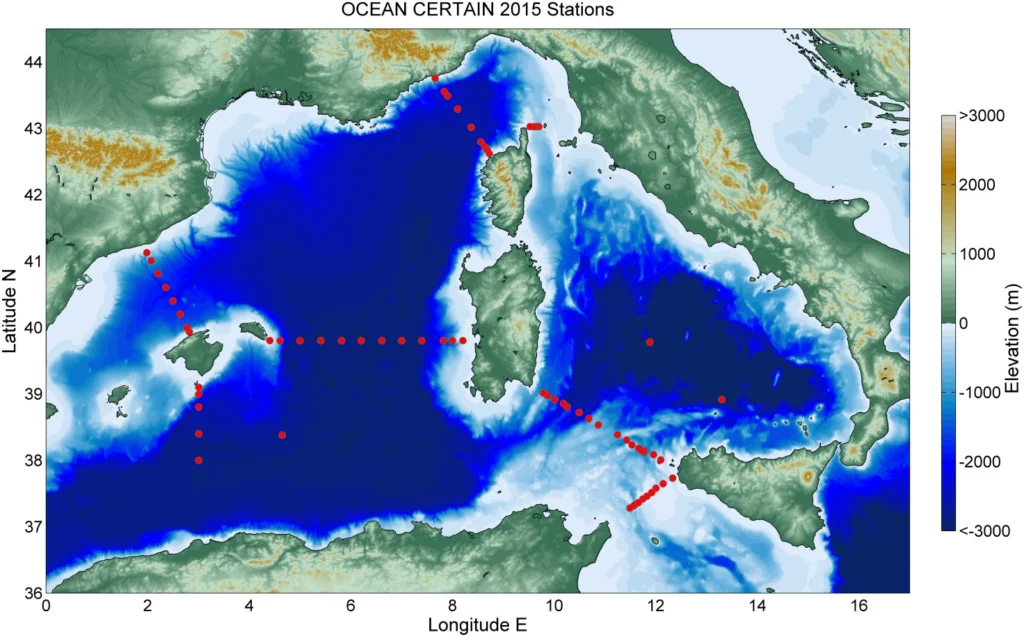
Simona Aracri, a PhD student at University of Southampton, spent a month aboard the research vessel, R/V Minerva Uno, cruising the Mediterranean Sea. Simona and the team of scientists aboard the boat documented their experiences via blog. Over the coming weeks we’ll feature a few of the posts the team shared over the one month …[Read More]
Latest posts
Oil in Kenya: Blessing or Fuel for Fights
Words on Wednesday aims at promoting interesting/fun/exciting publications on topics related to Energy, Resources and the Environment. If you would like to be featured on WoW, please send us a link of the paper, or your own post, ERE.Matters@gmail.com *** Citation: J. Schilling, R. Locham, T. Weinzierl, J. Vivekananda, and J. Scheffran. The nexus of oil, conflict, and climate change vulnerability of pastoral …[Read More]
Meteorite impact turns silica into stishovite in a billionth of a second
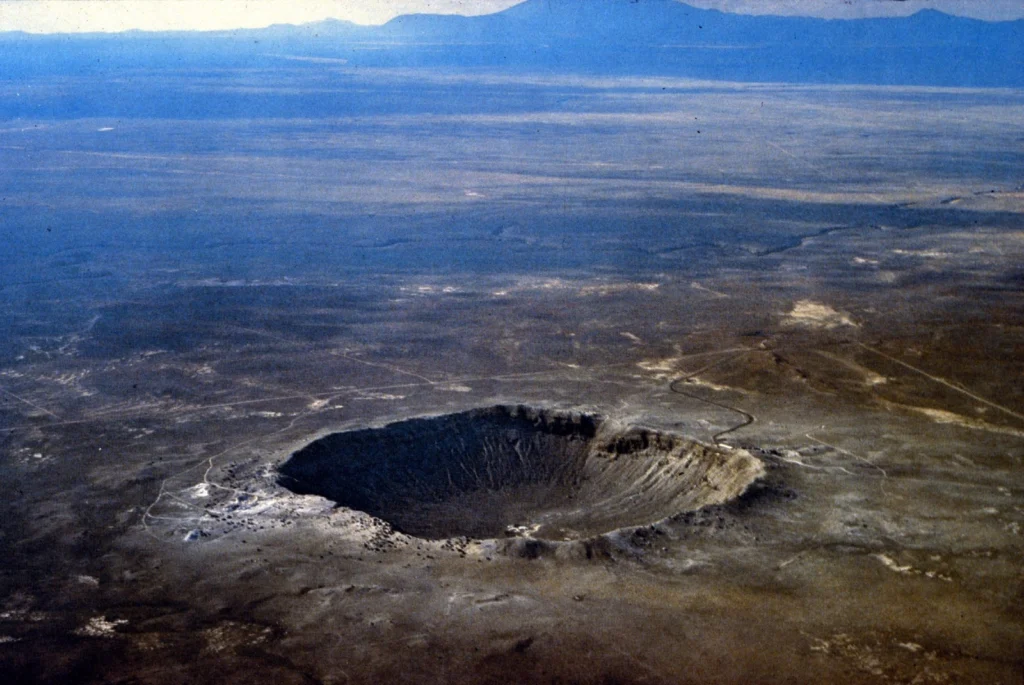
The Barringer meteor crater is an iconic Arizona landmark, more than 1km wide and 170 metres deep, left behind by a massive 300,000 tonne meteorite that hit Earth 50,000 years ago with a force equivalent to a ten megaton nuclear bomb. The forces unleashed by such an impact are hard to comprehend, but a team …[Read More]
Imaggeo on Mondays: The Grand Canyon and celebrating Earth Science Week
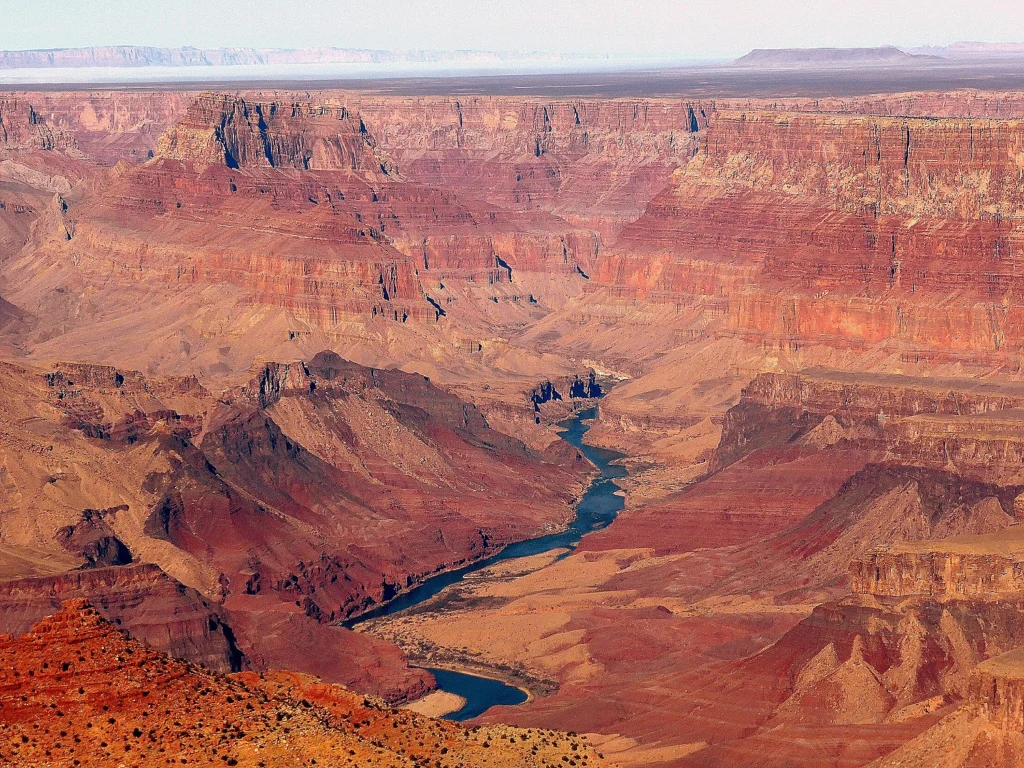
Today marks the start of Earth Science Week – a yearly international event which aims to help the public gain a better understanding and appreciation for the Earth Sciences. The event is promoted by the American Geosciences Institute and the Geological Society of London, amongst others, so be sure to head to their websites to …[Read More]
Atmospheric Modelling with Meso-NH
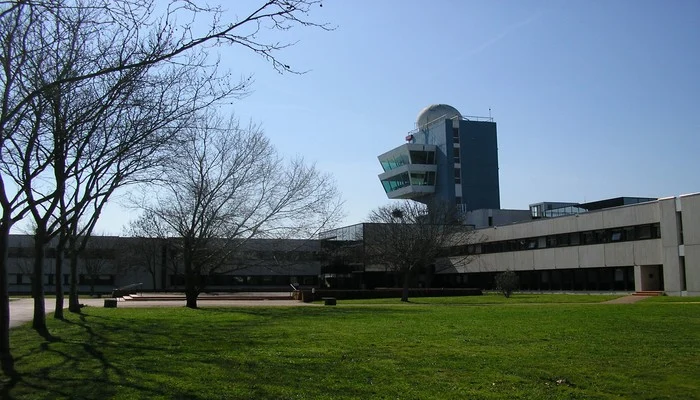
Twice a year in Toulouse Meteo-France runs a tutorial on Meso-NH – the non-hydrostatic mesoscale atmospheric model of the French research community. Last week I was fortunate enough to attend their autumn 2015 tutorial. But, what is this model and was the tutorial useful? Atmospheric models solve the governing equations for atmospheric motions. This allows us, …[Read More]
INVITATION: Special Issue on Georisks in the Mediterranean
A special issue themed “Georisks in the Mediterranean and their Mitigation” is being compiled to be published in Natural Hazards (Springer) (Impact Factor of 1.719) http://www.springer.com/earth+sciences+and+geography/natural+hazards/journal/11069 Manuscripts containing original research or reviews are welcome for submission. They will be accepted or rejected after a peer review process. Topics covered by this Special Issue include but are not …[Read More]
An Andy Warhol Moment for Liverpool’s Geomagnetism Group – dating the formation of the Earth’s Inner core
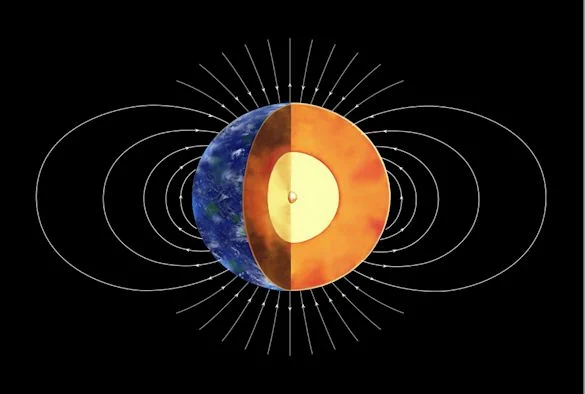
This week, my PhD supervisor, Andy Biggin, had a paper out in Nature. The findings of this new research point towards the Earth’s inner core being older than we’d previously thought. Recent estimates, suggest that the Earth’s solid inner core started forming between half a billion and one billion years ago. However, Andy’s (and co-workers) …[Read More]
GfGD Annual Conference – Speaker Introductions (Session 5)
Our 3rd Annual Conference, with the theme Fighting Global Poverty – Geology and the Sustainable Development Goals (SDGs) takes place on Friday 30th October, hosted by the Geological Society of London. Here we introduce the inspiring, early-career scientists taking part in Session 5 – “Engaging In Development – Personal Reflections from Early-Career Scientists”. They’ll be talking about their …[Read More]
Image of the Week: Antarctic ice-shelf thickness
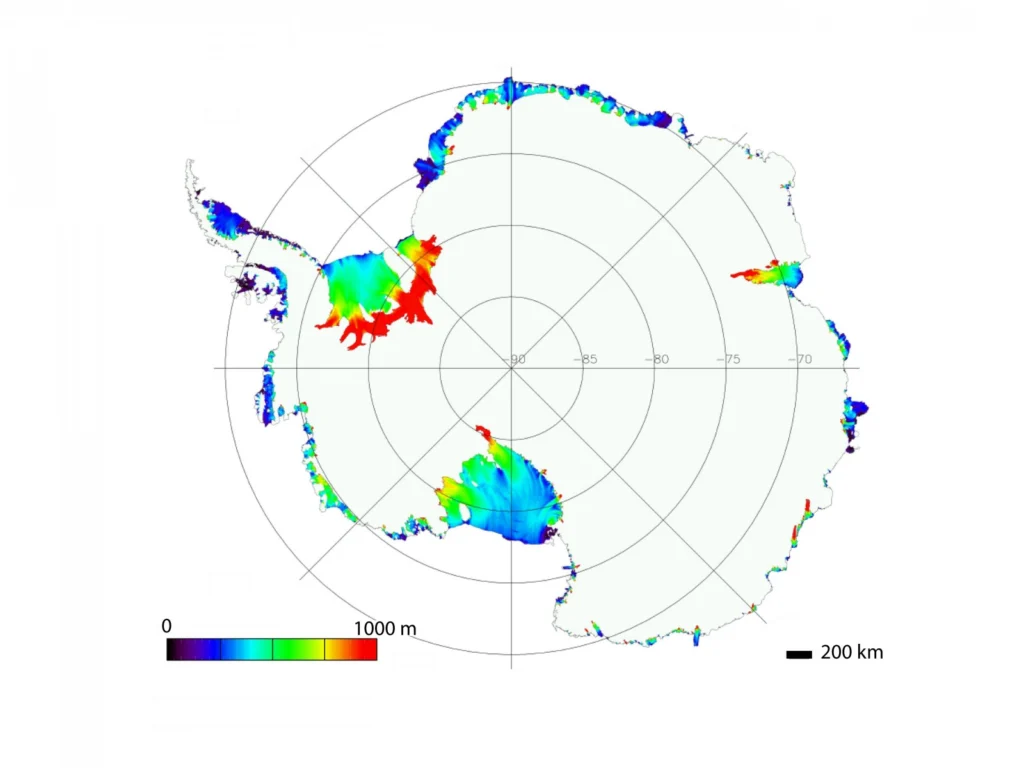
Thickness of floating ice shelves in Antarctica. Ice thickness is greatest close to the grounding line where it can reach 1000 meters or more (red). Away from the grounding line, the ice rapidly thins to reach a few hundreds of meters at the calving front. Ice thickness varies greatly from one ice shelf to another. …[Read More]
Report from the Summer School on Geomorphology in the Kaunertal Valley, Austria, 31st August – 6th September 2015
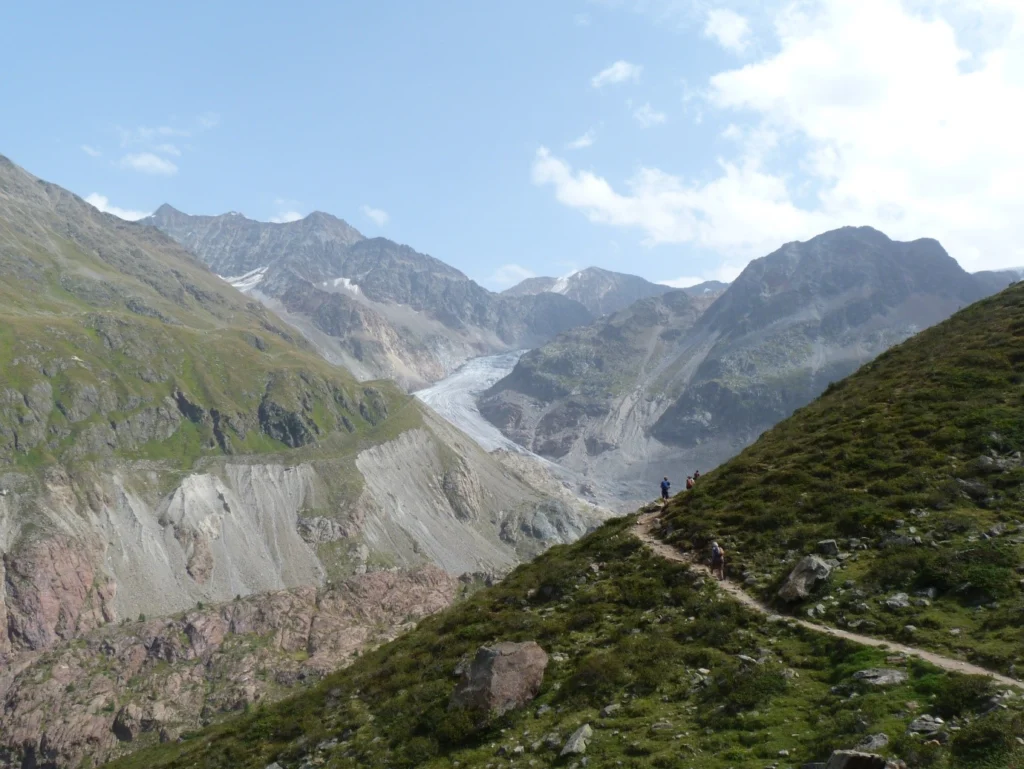
Written by Ciara Fleming ( University College Dublin) The focus of this Summer School was ‘Sediment dynamics in high mountain environments’ and as suggested by this title, the location did not disappoint. For the week-long school we were based in Feichten im Kaunertal (1273m a.s.l.), a perfectly-formed Alpine village in the Province of Tyrol, Austria. …[Read More]