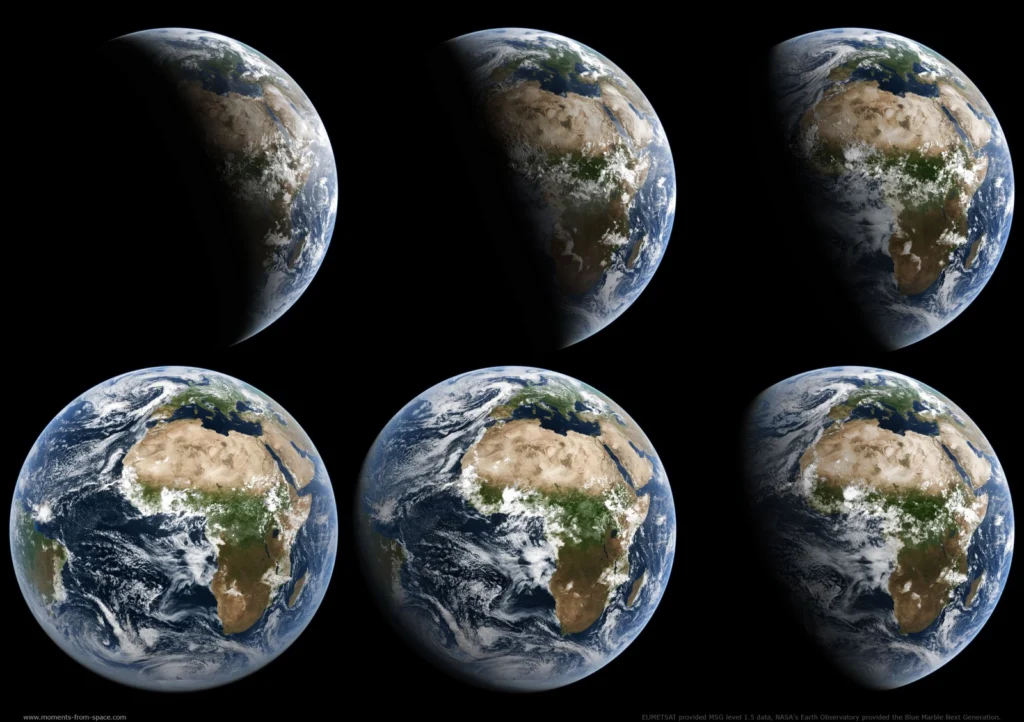
What are the most interesting, cutting-edge and compelling research topics within the scientific areas represented in the EGU divisions? Ground-breaking and innovative research features yearly at our annual General Assembly, but what are the overarching ideas and big research questions that still remain unanswered? We spoke to some of our division presidents and canvased their …[Read More]
Latest posts
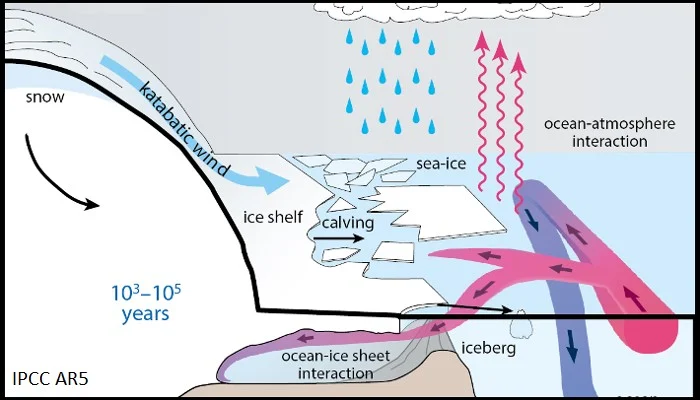
Image of the Week: Ice Sheets in the Climate
Ice sheets play a central role in the climate system. They store significant amounts of fresh water and are the conveyor belts for transporting snow that accumulates on land back into the oceans. The figure above shows a few of the ice-climate interactions. In the figure below (click on the figure for full resolution) we see …[Read More]
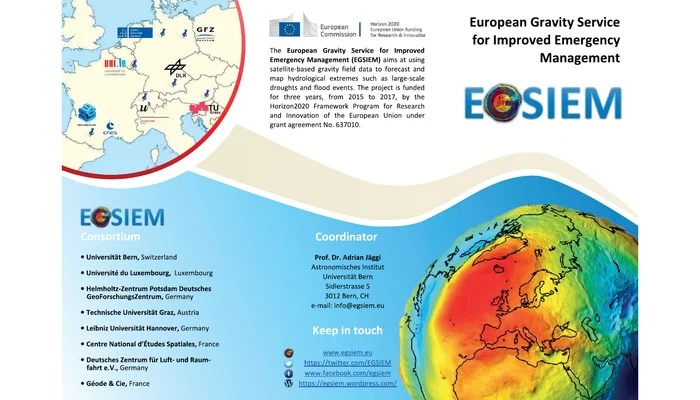
EGSIEM wants to use GRACE gravity field data for operational flooding and drought management
The terrestial water cycle leaves traces in the Earth’s gravity field The current onset of el Nino is raising hope in California to replenish some of its multiyear water deficit. Due to the warm pool of water on the East side of the Pacific, more rain, and consequently also larger potential for flooding is expected. …[Read More]
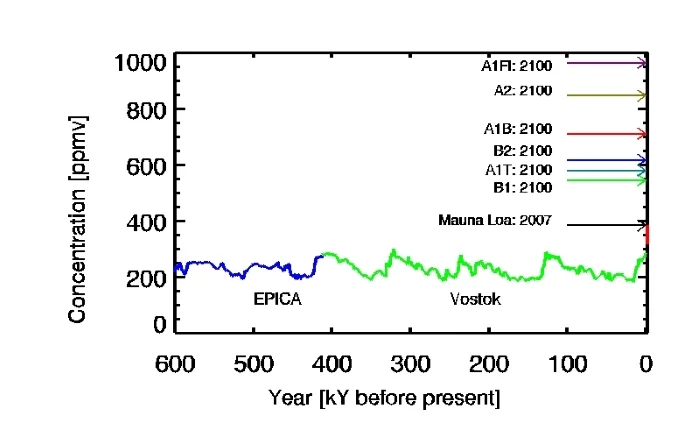
Image of the Week: Atmospheric CO2 from ice cores
The measurements of atmospheric CO2 levels at Manu Loa, Hawaii read 401.01ppm on the 7th of December this year. To understand the significance of this number, you just need to look at the figure above from the 4th IPCC report. It shows the changes in CO2 concentrations during the past 800,000 years based on ice …[Read More]
The Sustainable Geoscientist – how many papers should academics really be publishing?
In this guest blog post, Nick Arndt, Professor at the Institut des Sciences de la Terre, Grenoble University, reflects on the pressures on academics to publish more and more papers, and whether the current scientific output is sustainable. Imagine a highly productive car factory. Thousands of vehicles are built and each is tested as it …[Read More]
The Panamanian Isthmus is not entirely guilty after all!
“According to new research, the land bridge connecting Central and South America rose more than 10 million years earlier than originally thought” Traditionally, closure of the Panama Isthmus has been deemed responsible for the co-occurrence of two major events: The large Pleistocene glaciations and the Great American Biotic Interchange (GABI). Existing evidence indicating …[Read More]
Bubbling Merrily: Artesian Springs
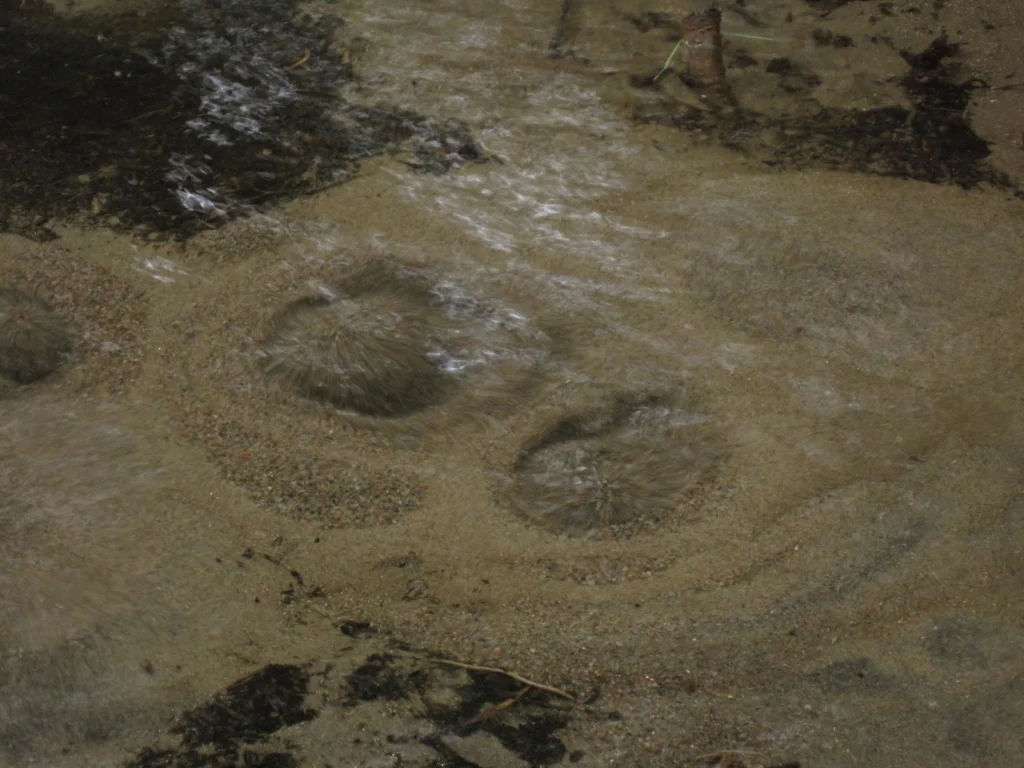
Display "Artesian spring" from YouTube Click here to display content from YouTube. Please enable JavaScript in your browser to load this content. Always display content from YouTube Open "Artesian spring" directly I recorded the video above on a recent field camp near Deep River, Ontario. This video shows a great example of a flowing artesian …[Read More]
Imaggeo on Mondays: Annapurna snow avalanche
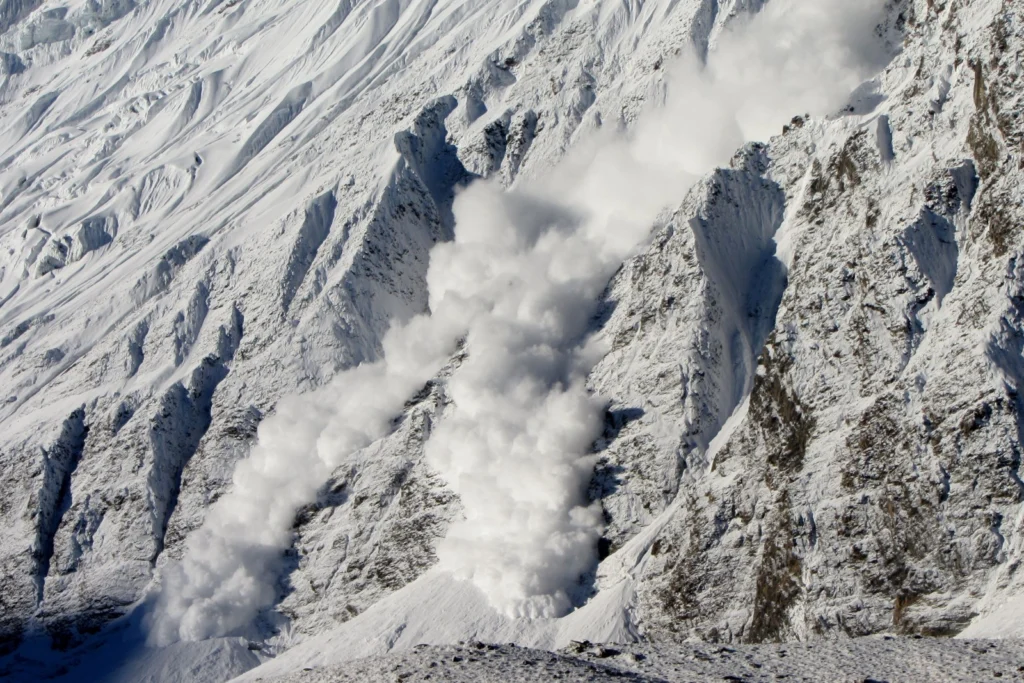
The Annapurna massif is located in an imposing 55 km long collection of peaks in the Himalayas, which behave as a single structural block. Composed of one peak (Annapurna I Main) in excess of 8000 m, a further thirteen peaks over 7000 m and sixteen more of over 6000 m, the massif forms a striking …[Read More]
GeoTalk: Anastasia Tezari – understanding space weather
Weather – it dictates the clothes we wear, is engrained in our culture, shapes our seasons and plays an important role in our daily lives. Not only that, its long term forecast and understanding of its variability, is the focus of much research as it holds one of the keys to understanding the Earth’s past …[Read More]
Image of the Week: Changes in Snow Cover
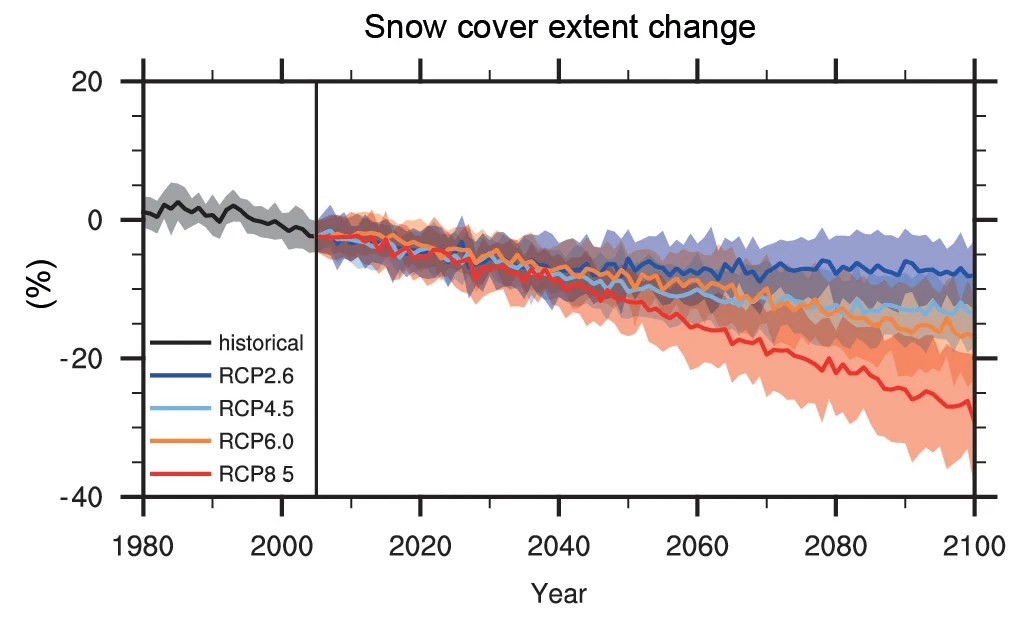
Who is dreaming of a white spring? In daily life we might be more interested in the chances of a white Christmas, but the amount of snow-covered ground in the spring is a very good indicator of climate change. The figure above shows the projected change in snow cover extent in the Northern hemisphere in March-April …[Read More]