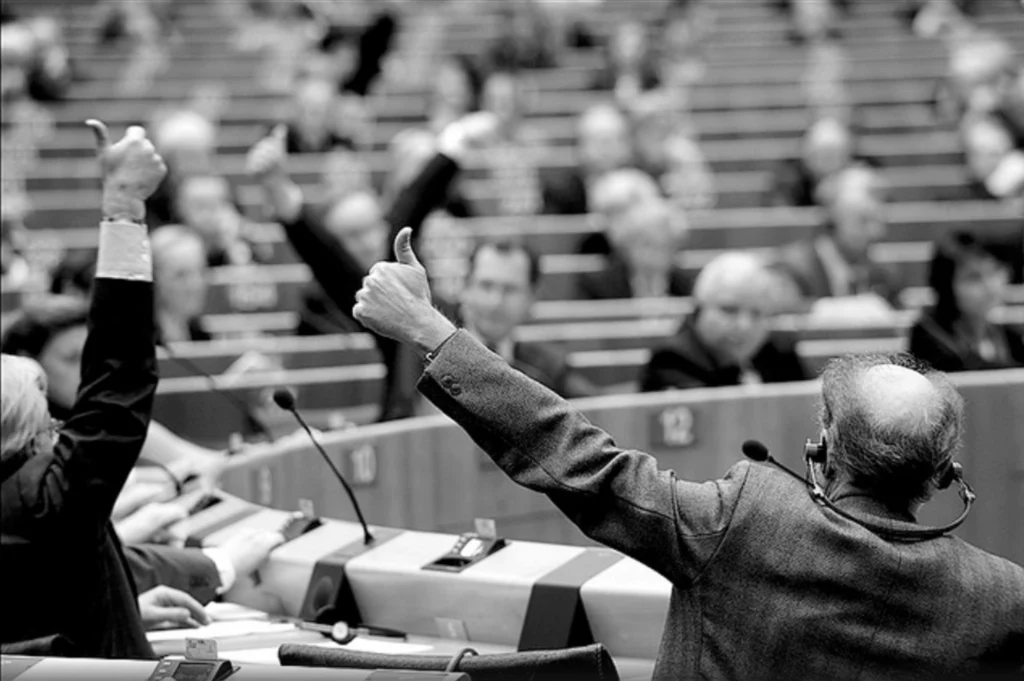
The adoption of legislation within the European Union (EU) is a complex process involving many steps. In my first blog post in this GeoPolicy series I highlighted an example of this process. Several draft legislation pieces are currently being assessed within the European Parliament (EP) and Council of Ministers (Council) that have been influenced by EGU-related …[Read More]
Latest posts
Image of the Week — What’s up with the sea-ice leads?
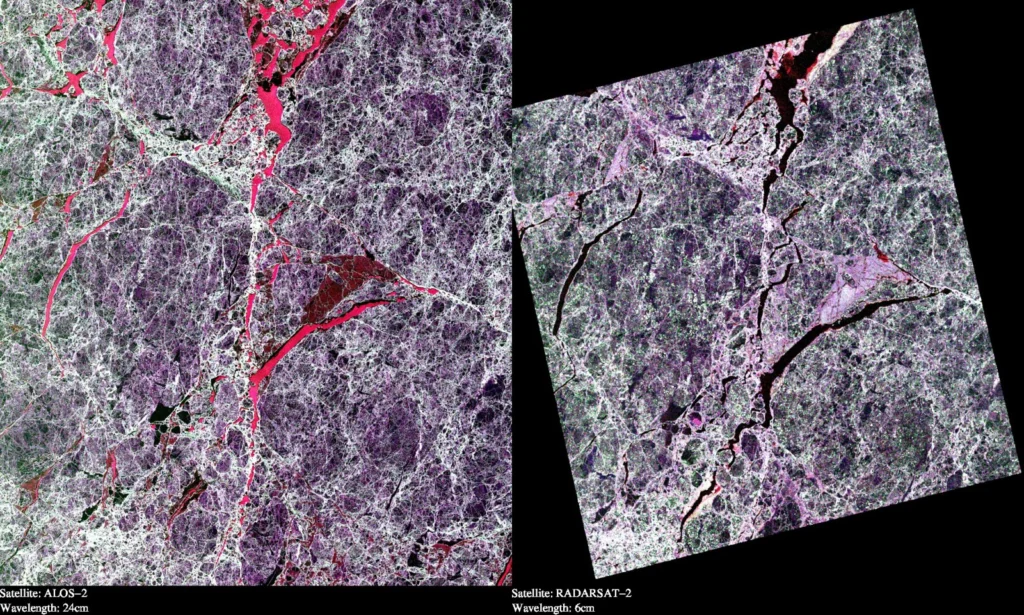
This illustration shows two Synthetic Aperture Radar (SAR) images taken over sea ice in the Arctic Ocean. Both images are polarimetric and the different colours reflect the different polarimetric channels of the SAR (red = VV, green = HV and blue = HH). The two images are from the two satellites “ALOS-2” and “RADARSAT-2”. These …[Read More]
Sunshine, ice cores, buckets and ALE: Antarctic Fieldwork
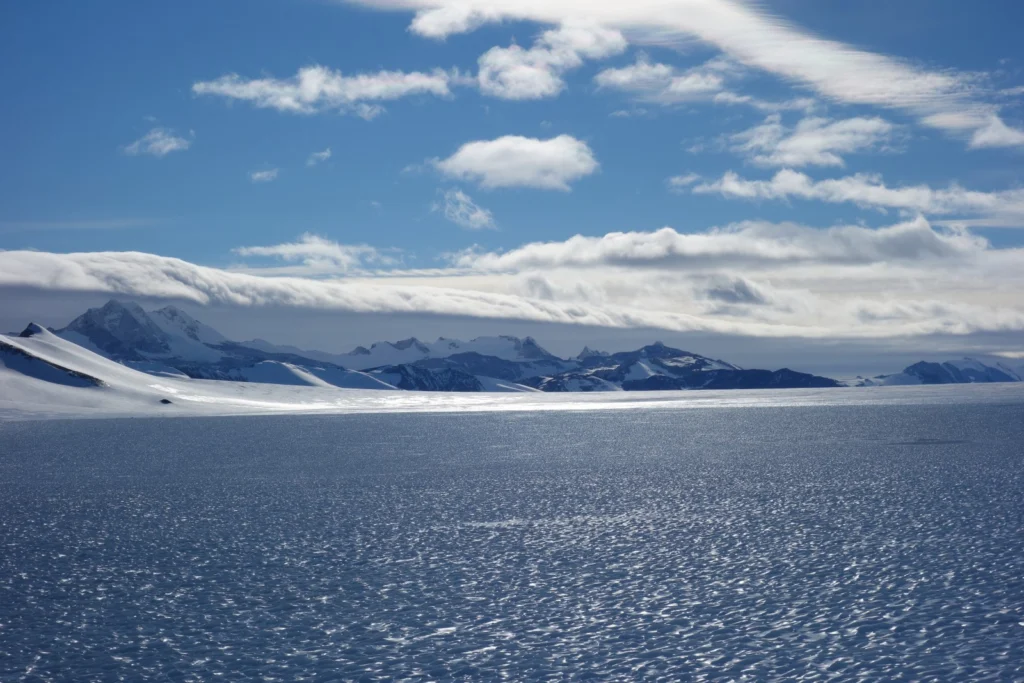
My Antarctic adventure started from Punta Arenas at the bottom of Chile, opposite Tierra del Fuego, on New Years Eve 2014 after a long journey from Heathrow via São Paulo and Santiago. Punta Arenas Punta Arenas is where Shackleton organised the rescue of his men from Elephant Island after his voyage to South Georgia in …[Read More]
EGU2016: Applying for financial support to attend the General Assembly
The EGU is committed to promoting the participation of both early career scientists and established researchers from low and middle income countries who wish to present their work at the EGU General Assembly. In order to encourage participation of scientists from both these groups, a limited amount of the overall budget of the EGU General …[Read More]
#EGU16 – Sessions of Interest
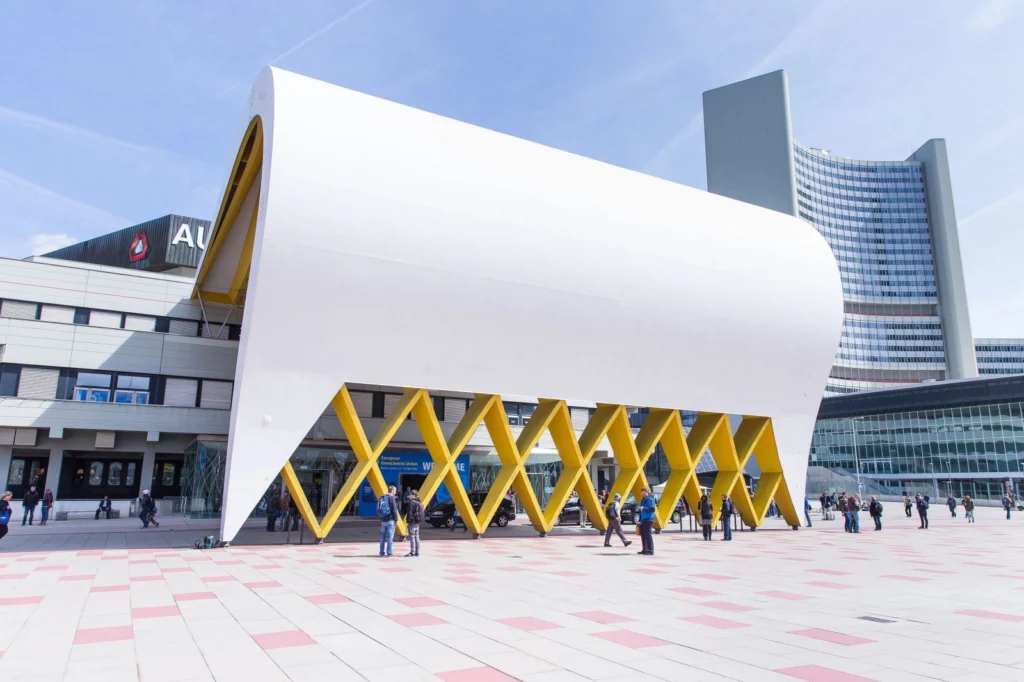
The EGU General Assembly 2016 takes place in Vienna between the 17-22 April 2016. Abstract submission is now open for their fantastic range of sessions, with support applications open until 1st December 2015. These offer financial support to early-career scientists and established scientists from low, lower-middle and upper-middle income countries. We’ve noted some sessions of …[Read More]
The coolest way to visualise how planets work
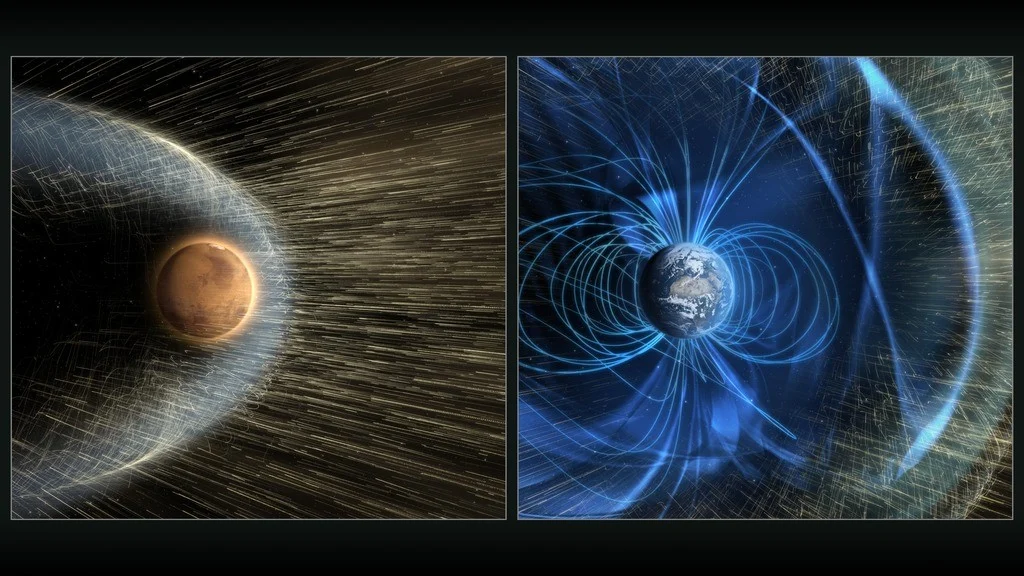
It’s not always easy visualising the complex processes which operate on planet Earth. Even more difficult, at least for me, is explaining them to others. That’s why I’m always on the look out for tools that might just help me with that and which I can share with others too. Enter the NASA Visualisation Explorer, …[Read More]
What is in your field rucksack? Take a peek in Zoe Mildon’s bag
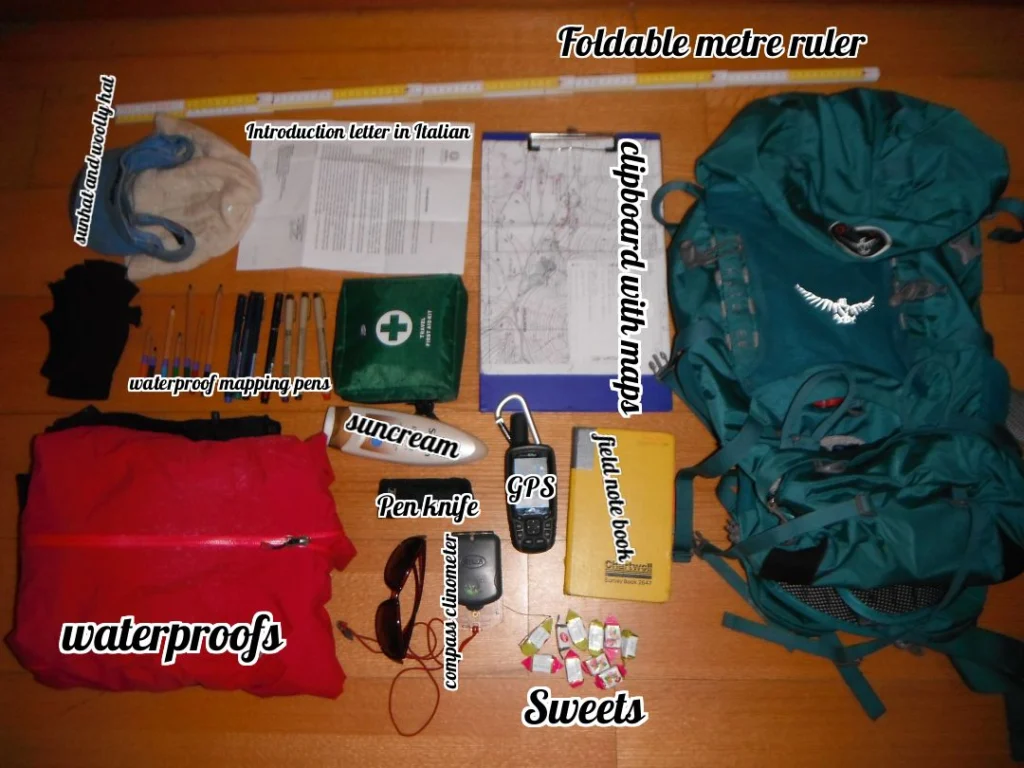
Inspired by a post on Lifehacker on what your average geologist carries in their rucksack/backpack, we’ve put together a few blog posts showcasing what a range of our EGU members carry in their bags whilst in the field! Of course, fieldwork in Northern Europe vs. research in Australia is very different, think only of the …[Read More]
Call for abstracts EGU 2016!
The call for abstracts is now out for EGU 2016! Have a look at our exciting proposed programme in the ERE Division under the topics: ERE1 – Integrated studies ERE2 – Impact of energy and resource exploitation on the environment ERE3 – Non-carbon based energy ERE4 – Carbon based energy ERE5 – Geo-storage for a sustainable future ERE6 – Geo-materials from natural resources The abstract deadline is …[Read More]
Imaggeo on Mondays: Icy seasmoke
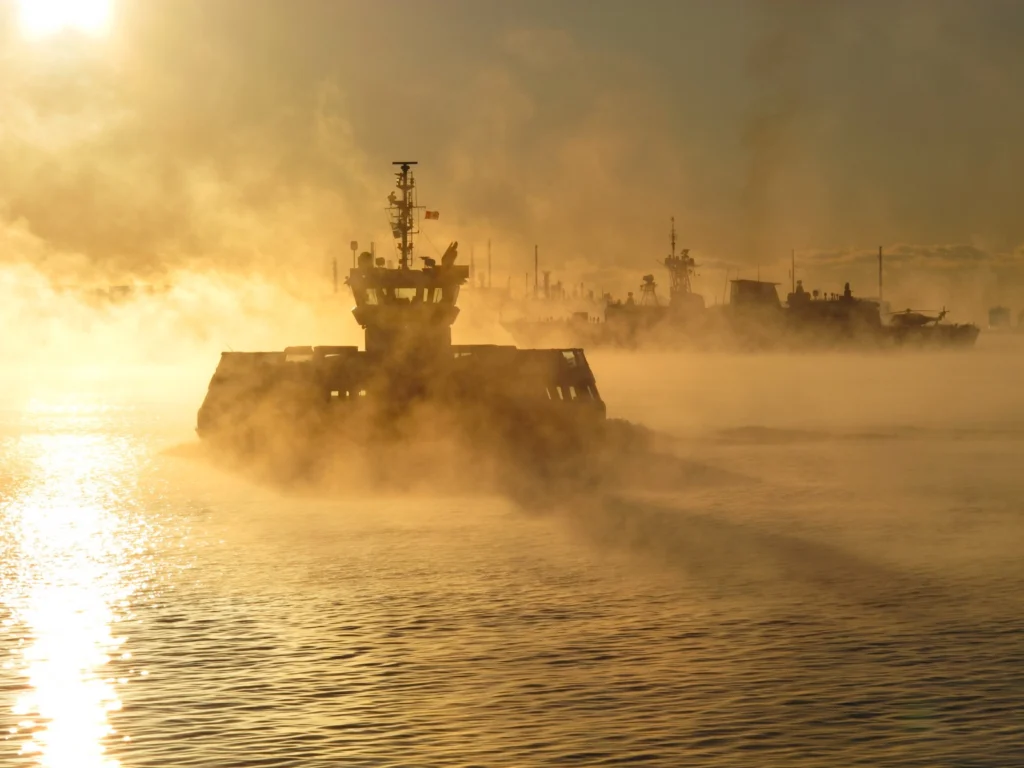
Today’s Imaggeo on Mondays image captures the eerie mood at Halifax Harbour, in Nova Scotia, Canada, on a sunny early morning. “The photograph captures rather unusual seasmoke surrounding a local commuter ferry with a number of other naval vessels in the background”, explains Helmuth Thomas, Professor at Dalhousie University (Canada) who took the snap back …[Read More]
Spanish-Portuguese Assembly of Geodesy and Geophysics
The Spanish-Portuguese Assembly of Geodesy and Geophysics meets every two years alternatively between the two countries, Spain and Portugal. Throughout the different editions, the assembly has consolidated a forum for research in the fields of Geodesy, Seismology, Meteorology, Geomagnetism, Hydrology, Oceanography, Volcanology, Cryospheric Sciences and Applied Geophysics, and it has given continuity to the scientific exchange …[Read More]