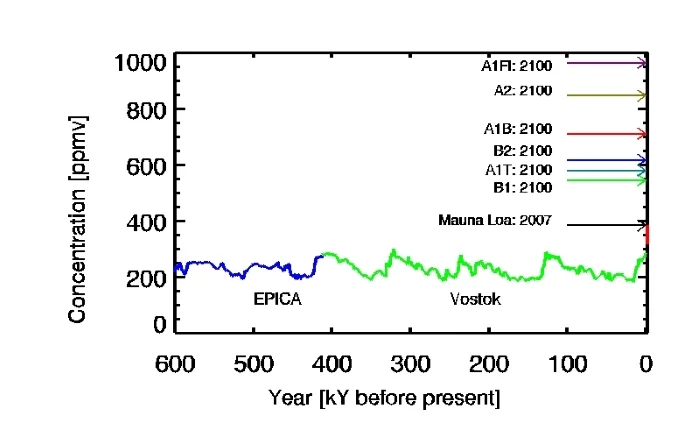
The measurements of atmospheric CO2 levels at Manu Loa, Hawaii read 401.01ppm on the 7th of December this year. To understand the significance of this number, you just need to look at the figure above from the 4th IPCC report. It shows the changes in CO2 concentrations during the past 800,000 years based on ice …[Read More]
Latest posts
The Sustainable Geoscientist – how many papers should academics really be publishing?
In this guest blog post, Nick Arndt, Professor at the Institut des Sciences de la Terre, Grenoble University, reflects on the pressures on academics to publish more and more papers, and whether the current scientific output is sustainable. Imagine a highly productive car factory. Thousands of vehicles are built and each is tested as it …[Read More]
The Panamanian Isthmus is not entirely guilty after all!
“According to new research, the land bridge connecting Central and South America rose more than 10 million years earlier than originally thought” Traditionally, closure of the Panama Isthmus has been deemed responsible for the co-occurrence of two major events: The large Pleistocene glaciations and the Great American Biotic Interchange (GABI). Existing evidence indicating …[Read More]
Bubbling Merrily: Artesian Springs
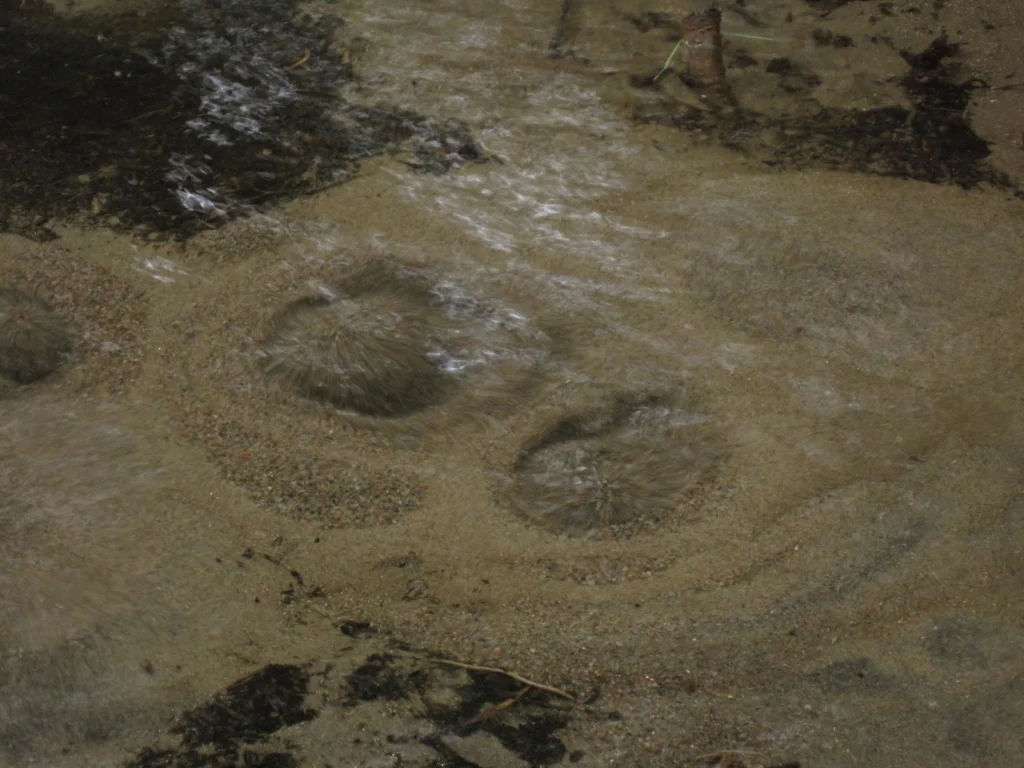
Display "Artesian spring" from YouTube Click here to display content from YouTube. Please enable JavaScript in your browser to load this content. Always display content from YouTube Open "Artesian spring" directly I recorded the video above on a recent field camp near Deep River, Ontario. This video shows a great example of a flowing artesian …[Read More]
Imaggeo on Mondays: Annapurna snow avalanche
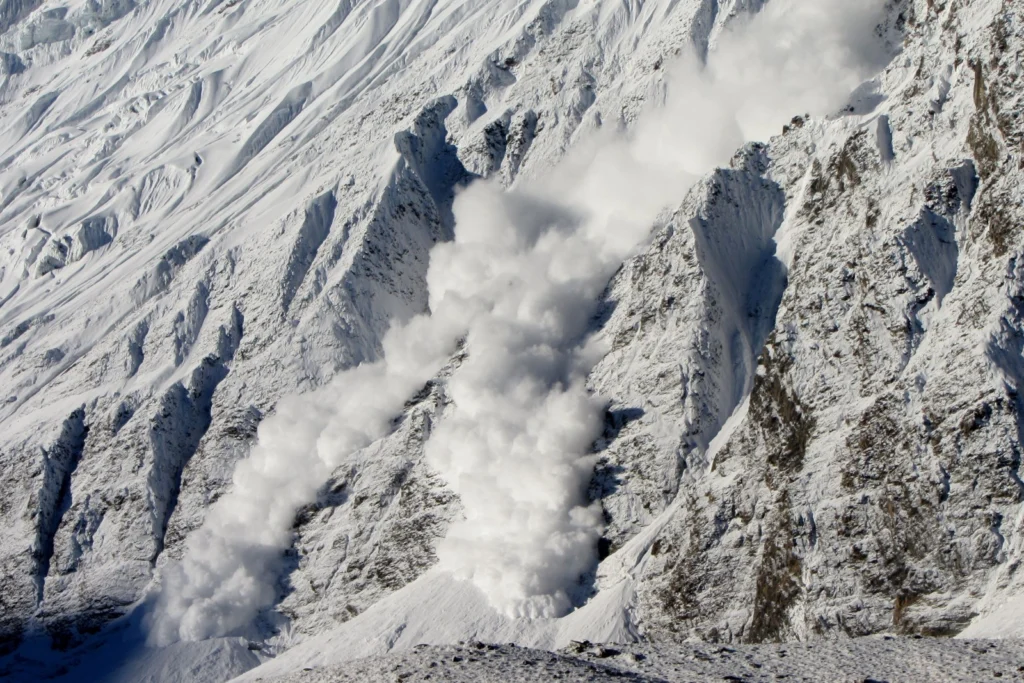
The Annapurna massif is located in an imposing 55 km long collection of peaks in the Himalayas, which behave as a single structural block. Composed of one peak (Annapurna I Main) in excess of 8000 m, a further thirteen peaks over 7000 m and sixteen more of over 6000 m, the massif forms a striking …[Read More]
GeoTalk: Anastasia Tezari – understanding space weather
Weather – it dictates the clothes we wear, is engrained in our culture, shapes our seasons and plays an important role in our daily lives. Not only that, its long term forecast and understanding of its variability, is the focus of much research as it holds one of the keys to understanding the Earth’s past …[Read More]
Image of the Week: Changes in Snow Cover
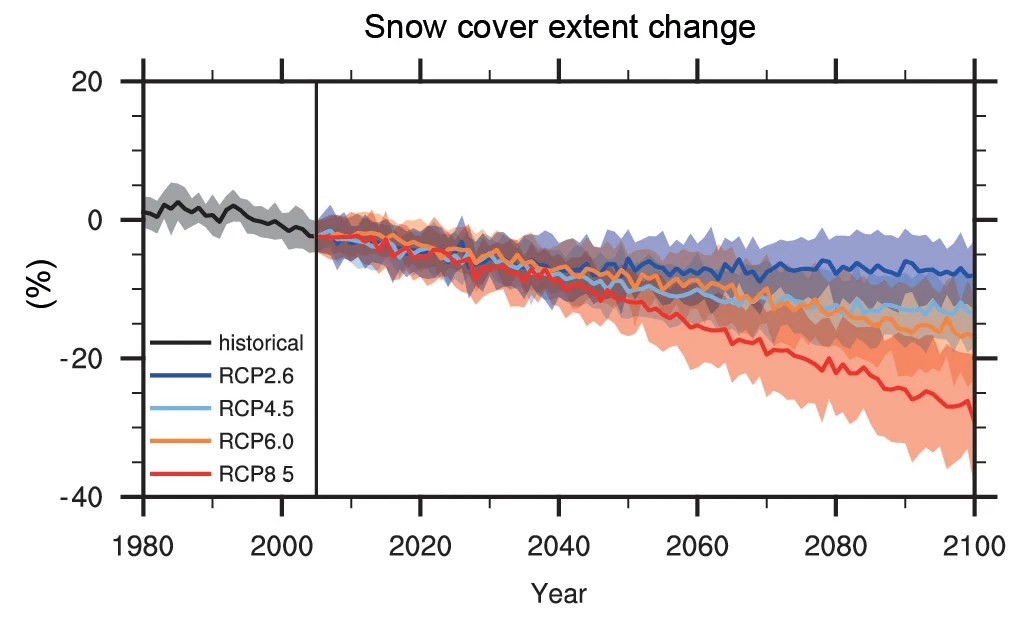
Who is dreaming of a white spring? In daily life we might be more interested in the chances of a white Christmas, but the amount of snow-covered ground in the spring is a very good indicator of climate change. The figure above shows the projected change in snow cover extent in the Northern hemisphere in March-April …[Read More]
MantlePlumes.org website progress
The website www.mantleplumes.org focuses on the debate about whether plumes exist or not, and what other mechanisms could cause melting anomalies inside Earth. MantlePlumes.org was born in March 2003 following a series of observations conflicting with the plume hypothesis, or unexpectedly failing to confirm it. An update about www.mantleplumes.org website progress was sent to us by Gillian R. Foulger Recent …[Read More]
GeoPolicy: An expert discussion on ozone – working at the science-policy interface
Erika von Schneidemesser is our first guest blogger for the newly established EGUPolicy column. Erika is a Research Scientist at the Institute for Advanced Sustainability Studies based in Potsdam, Germany. Her post gives an insight into working at the science-policy interface by describing a recent project she has been involved in. As scientists and researchers …[Read More]
Image of the Week — Future Decline of sea-ice extent in the Arctic (from IPCC)
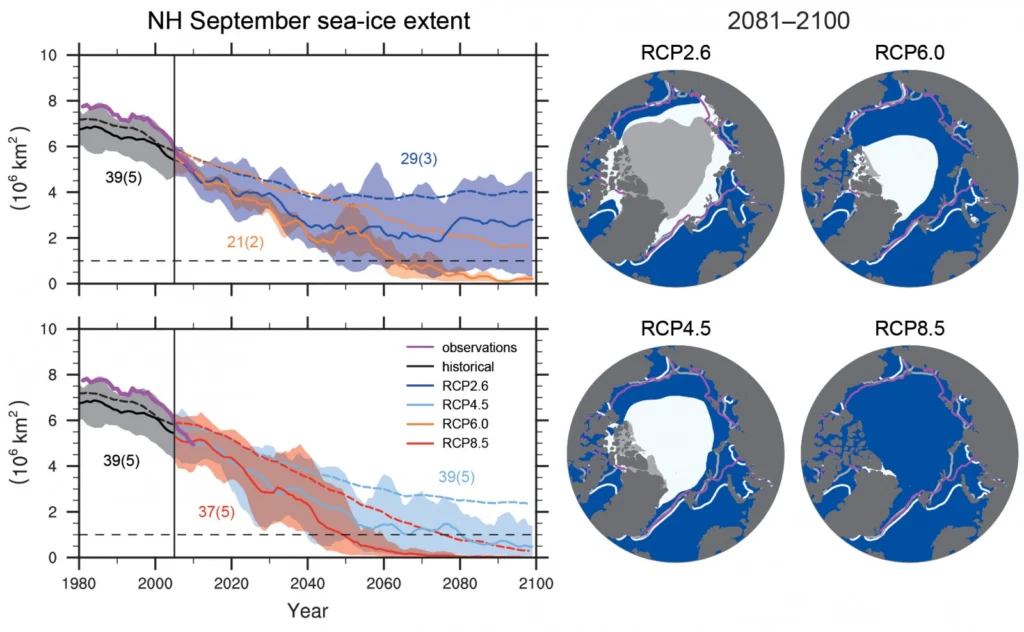
The Arctic sea-ice extent has declined in the past 20 years and its future is uncertain. In the end, greenhouse gas emissions will determine the impact on the sea-ice from man-made climate change through radiative forcing (i.e. Representative Concentration Pathways or RCPs). The COP21 can determine the path we will follow and which course we will take to …[Read More]