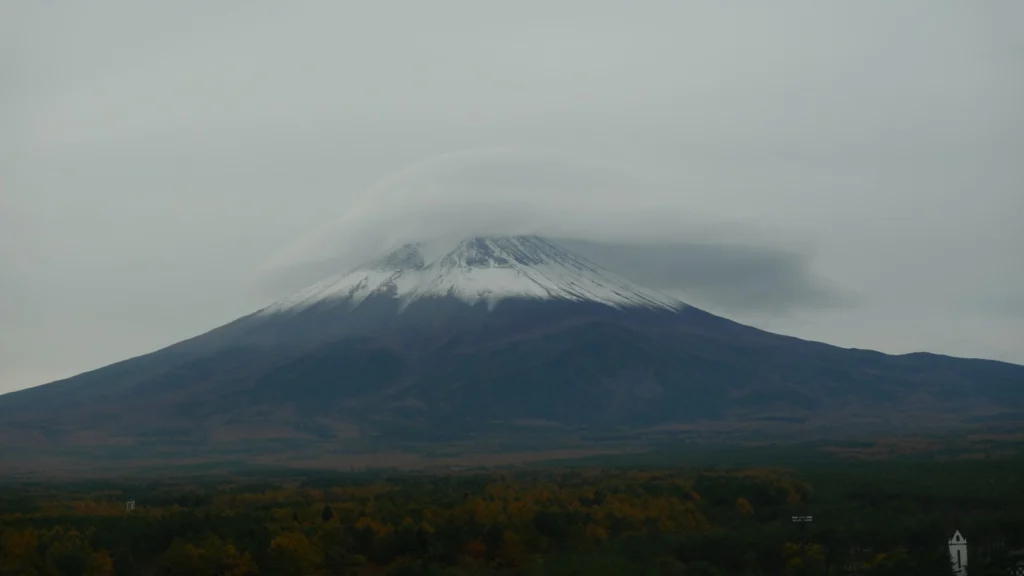
The first Imaggeo on Monday’s post of 2016 is quite spectacular! It features a lenticular cloud capping the heights of Mount Fuji, in Japan. Erricos Pavlis writes this post and describes how the unusual cloud formation comes about and why Mt. Fuji is such a prime place to catch a glimpse of this meteorological phenomena. …[Read More]
Latest posts
A Challenge to communicate
In this guest post, Sam Illingworth, regular contributor to GeoLog on all things science communication and education, discusses whether it is the responsibility of all geoscientists to communicate their science and research and challenges you to make some time to get involved in public engagement in 2016. As researchers it is very easy to get …[Read More]
The best of Imaggeo in 2015: in pictures
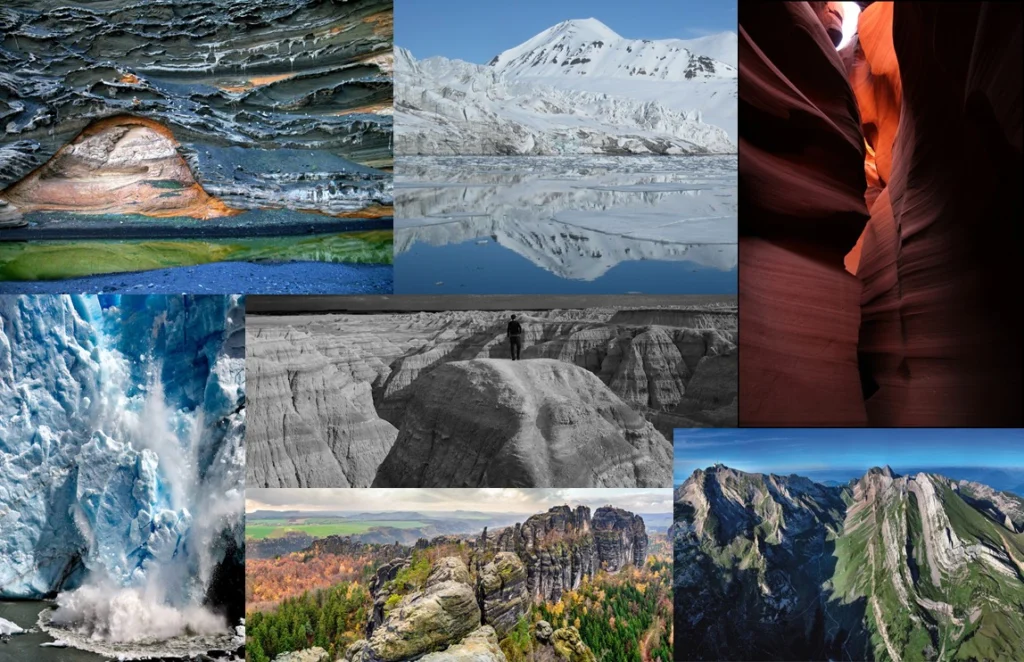
Last year we prepared a round-up blog post of our favourite Imaggeo pictures, including header images from across our social media channels and Immageo on Mondays blog posts of 2014. This year, we want YOU to pick the best Imaggeo pictures of 2015, so we compiled an album on our Facebook page, which you can …[Read More]
Image of the Week — Greetings from Antarctica
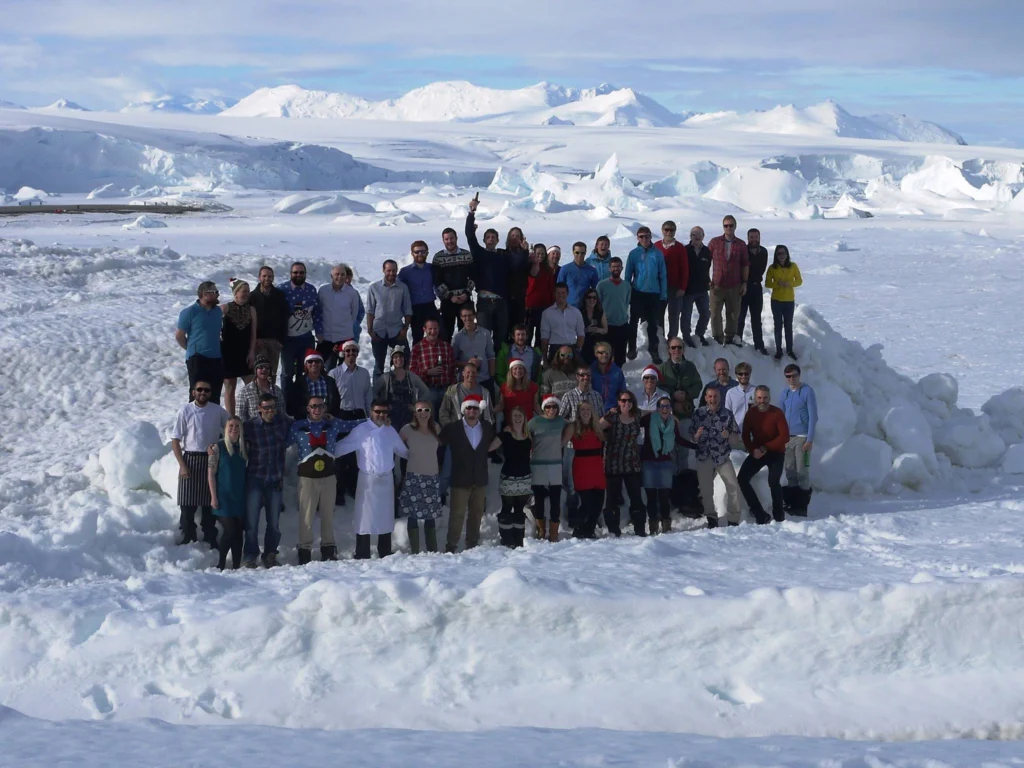
Christmas greetings from people at Rothera Research Station, Adelaide Island, Antarctica. Rothera, which is the British Antarctic Survey’s largest base in Antarctica, is a centre for marine biology and gateway for getting scientists into their deep field camps. Christmas Day is a regular working day for the staff of around 90. However the chefs will …[Read More]
Looking back at the EGU Blogs in 2015: welcoming new additions
It’s a little over 12 months since we launched the new look EGU blogs and with the holidays and new year approaching, what better time to take stock of 2015 as featured in the EGU Blogs? The past year has been full of exciting, insightful and informative blog posts. At the same time, we’ve welcomed …[Read More]
Insights into the ocean crust and deep biosphere – ECORD Summer School 2015
Summer time as an early career geochemist can mean many things, to some it is vacation time, to others it is field season, and yet for others it is time to enroll in a summer school. ECORD, the European Consortium for Ocean Drilling, offers at least one summer school a year. If you work with …[Read More]
Geoscience hot topics – The finale: Understanding planet Earth
What are the most interesting, cutting-edge and compelling research topics within the scientific areas represented in the EGU divisions? Ground-breaking and innovative research features yearly at our annual General Assembly, but what are the overarching ideas and big research questions that still remain unanswered? We spoke to some of our division presidents and canvased their …[Read More]
Imaggeo on Mondays: Drawing in pencil
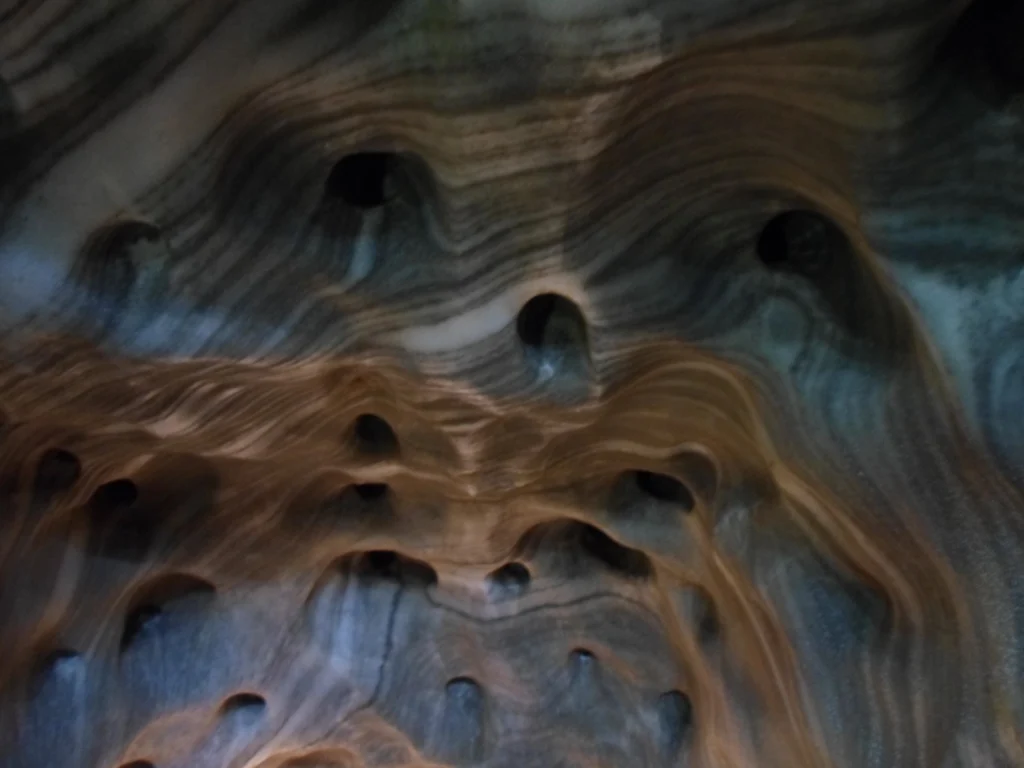
The picture was taken in Salina Turda, a fascinating salt mine in western Transylvania, in Durgău – Valea Sarată near Turda city. In the picture, the pockets created by salt dissolution can be observed. Over time, due to the erosive power of air currents, the walls have been reshaped: the corners have been rounded and, …[Read More]
Tracking the Fallout and Fate of Fukushima Iodine-129 in Rain and Groundwater
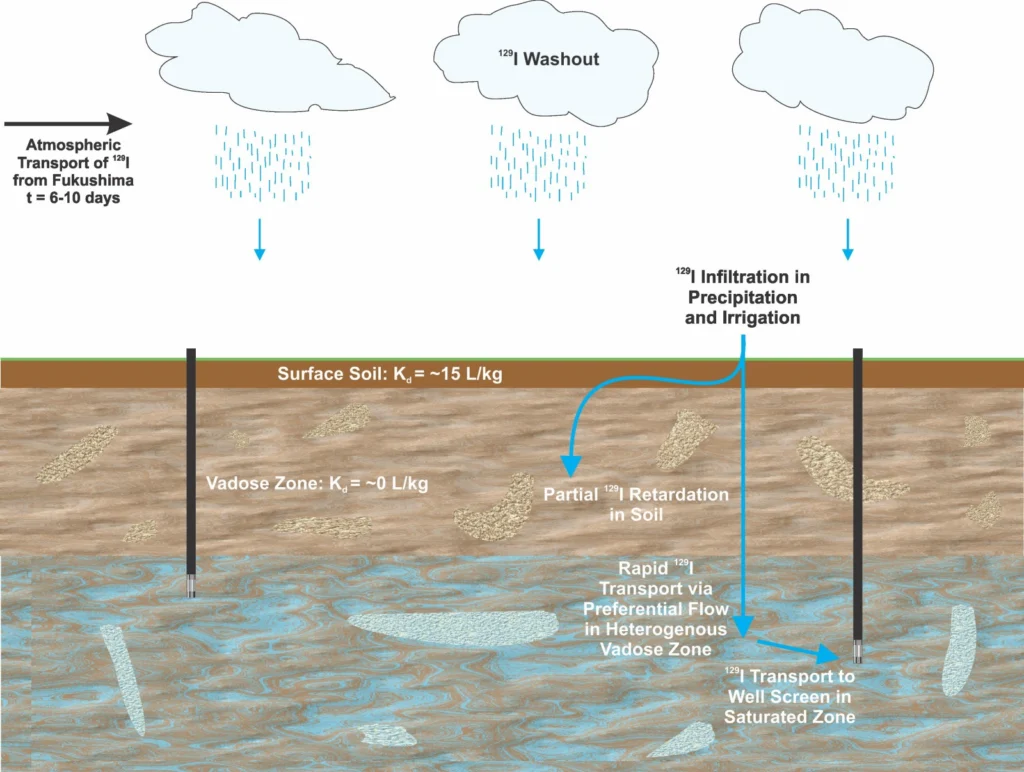
A recently published paper (by myself and colleagues from uOttawa and Environment Canada) investigates the environmental fate of the long lived radioisotope of iodine, 129I, which was released by the Fukushima-Daichii Nuclear Accident (FDNA). Within 6 days of the FDNA 129I concentrations in Vancouver precipitation increased 5-15 times above pre-Fukushima concentrations and then rapidly returned to background. The concentrations of 129I …[Read More]
How to write to your MEPs about European Copyright reform
This was originally posted here. I mentioned in a previous post how important it is for researchers to equip themselves with knowledge about copyright issues (like this), and to become active in the struggle against publishers in retaining fair re-use rights for research. In the European Commission, this has been quite a high-profile debate this year (see …[Read More]