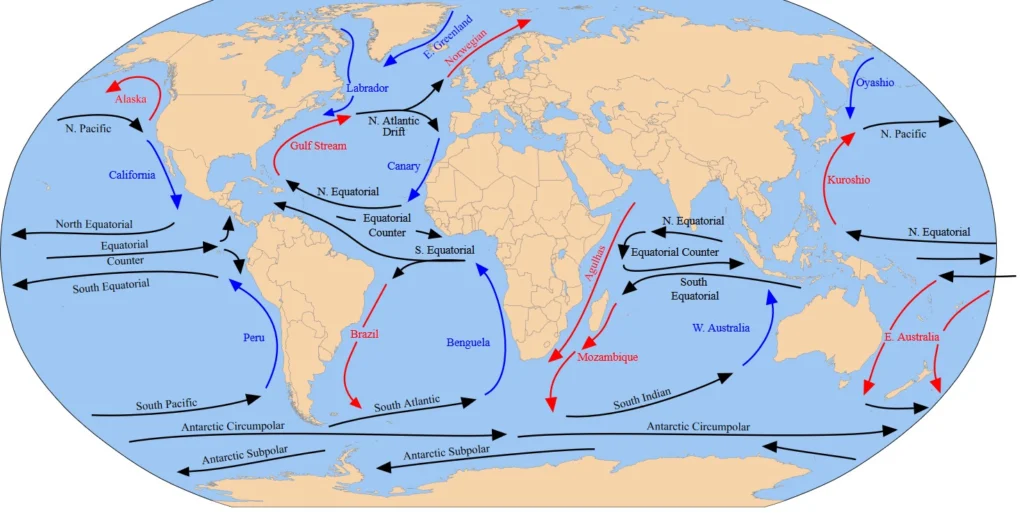
Navigating the ocean demands a knowledge of its movements. In the past, sailors have used this knowledge to their advantage, following the winds and the ocean currents to bring them on their way. Prior to mutiny in 1789, Captain Bligh – on the HMS Bounty – famously spent a month attempting to pass westward through …[Read More]
Latest posts
Minds over Methods: Reconstruction of salt tectonic features
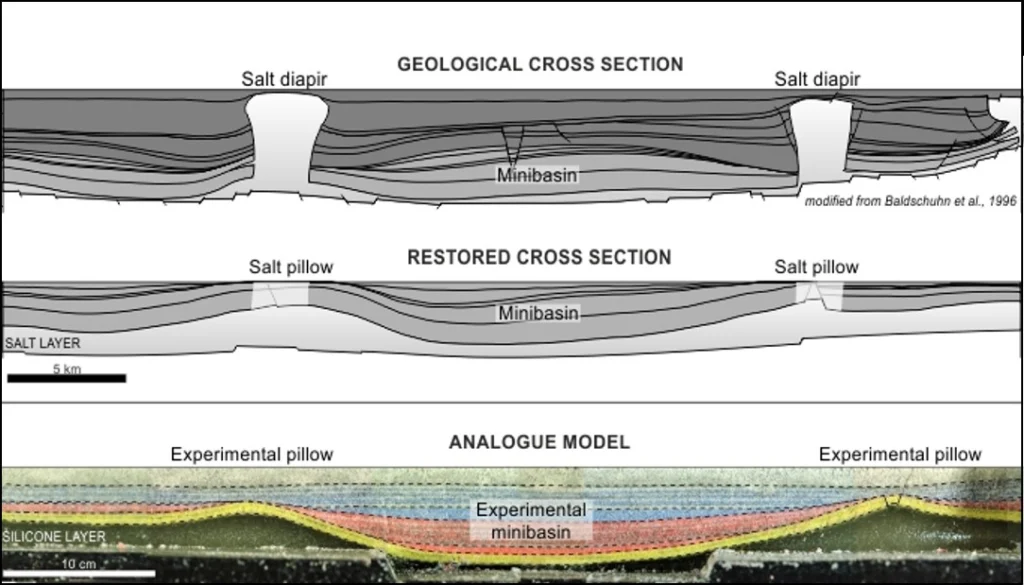
What is the influence of salt tectonics on the evolution of sedimentary basins and how can we reconstruct such salt features? Michael Warsitzka, PhD student at the Friedrich Schiller University of Jena, explains which complementary methods he uses to better understand salt structures and their relation to sedimentary basins. Enjoy! Reconstruction of salt tectonic …[Read More]
Musical groundwater?
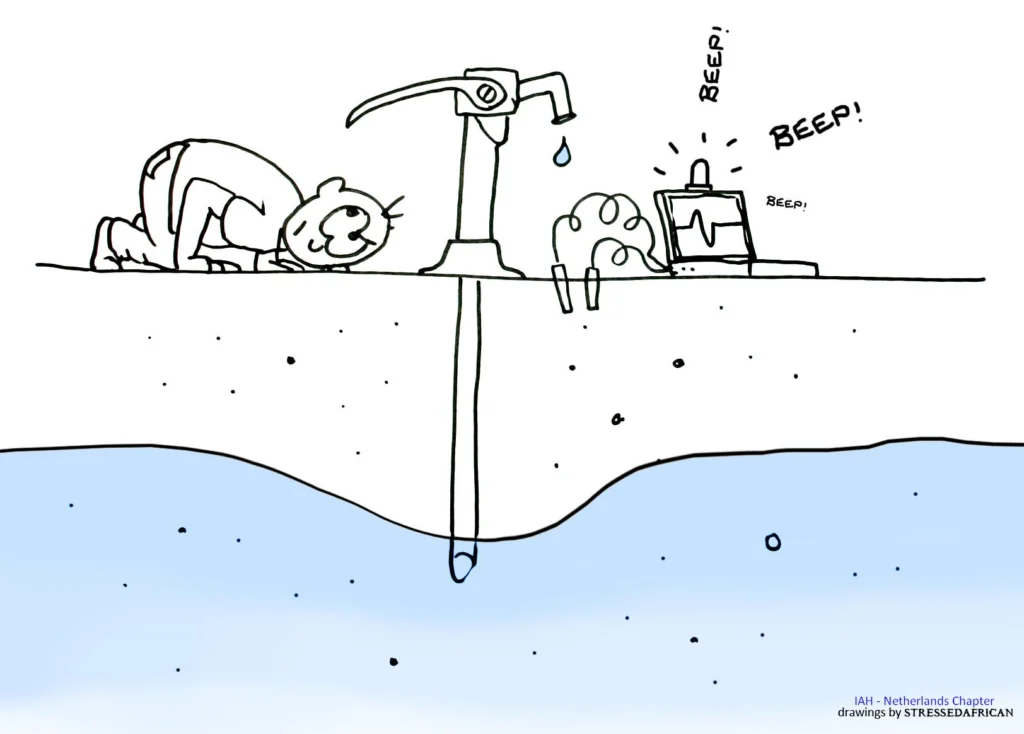
Post by Kevin Befus, University of Wyoming I don’t mean to get your hopes up, but keep them up there. I’m not talking about recording the sonorific excitement that is groundwater flow. And, I’m not talking about the squeak of a pump handle, the gurgling of a spring, the grumble of a generator, or the …[Read More]
GeoCinema at the 2017 General Assembly
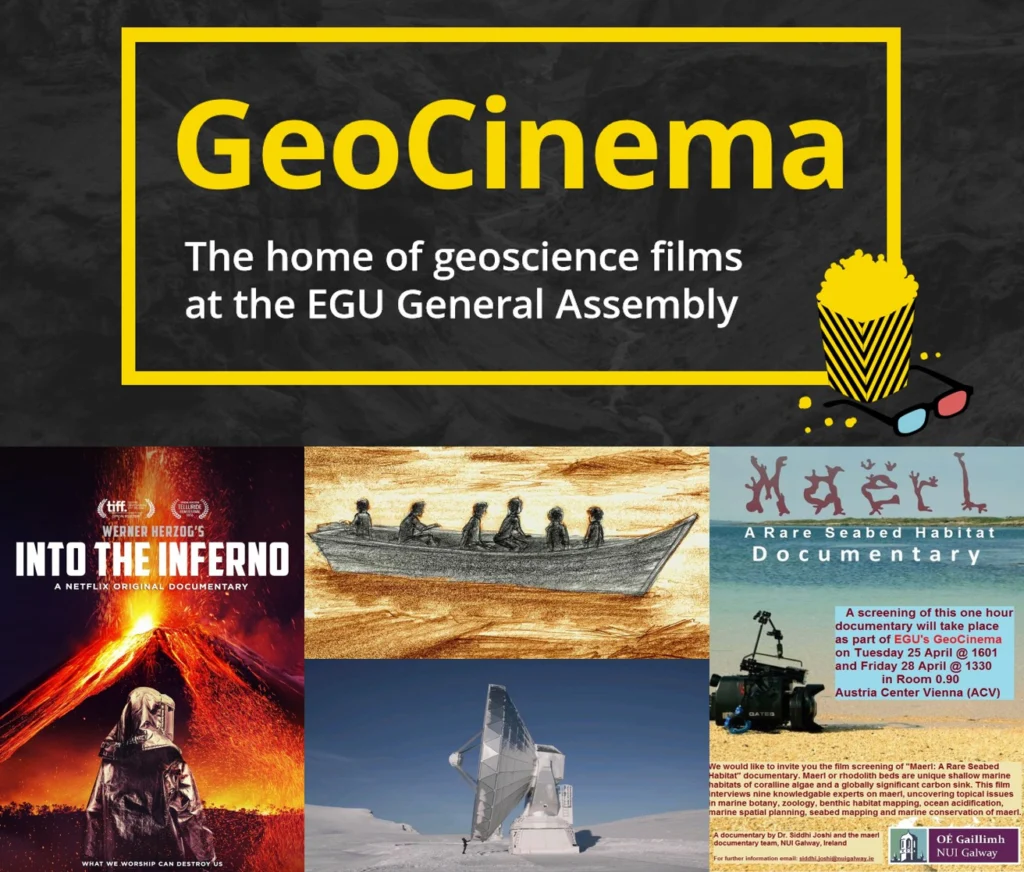
GeoCinema is the home of geoscience films at the EGU General Assembly. This year features over 50 fantastic films from across the geosciences, so you can step into some soil science, dive into deep ocean investigations, catch a glimpse of climate change research and more! The GeoCinema runs almost continuously throughout the conference, with short …[Read More]
Imaggeo on Mondays: Atmospheric gravity waves
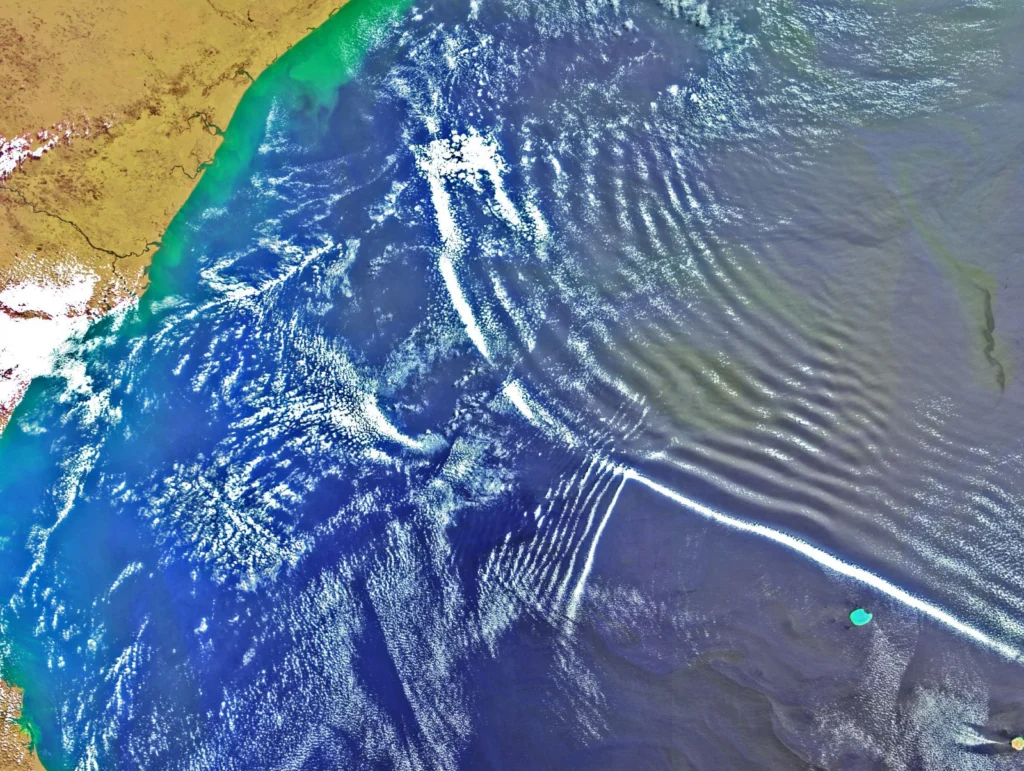
From the tiny vibrations which travel through air, allowing us to hear music, to the mighty waves which traverse oceans and the powerful oscillations which shake the ground back and forth during an earthquake, waves are an intrinsic part of the world around us. As particles vibrate repeatedly, they create an oscillation, which when accompanied …[Read More]
European Critical Physical Geography – or how power relations can be considered during research set ups
– written by Christian Schneider (University of Leipzig) and Sabine Kraushaar (University of Vienna) – In March this year the first European Critical Physical Geography (CPG) Workshop took place in Berlin bringing together 19 scholars from different European and American research institutions and backgrounds under the lead of Rebecca Lave and Stuart Lane and the …[Read More]
Image of the Week – The ups and downs of sea ice!
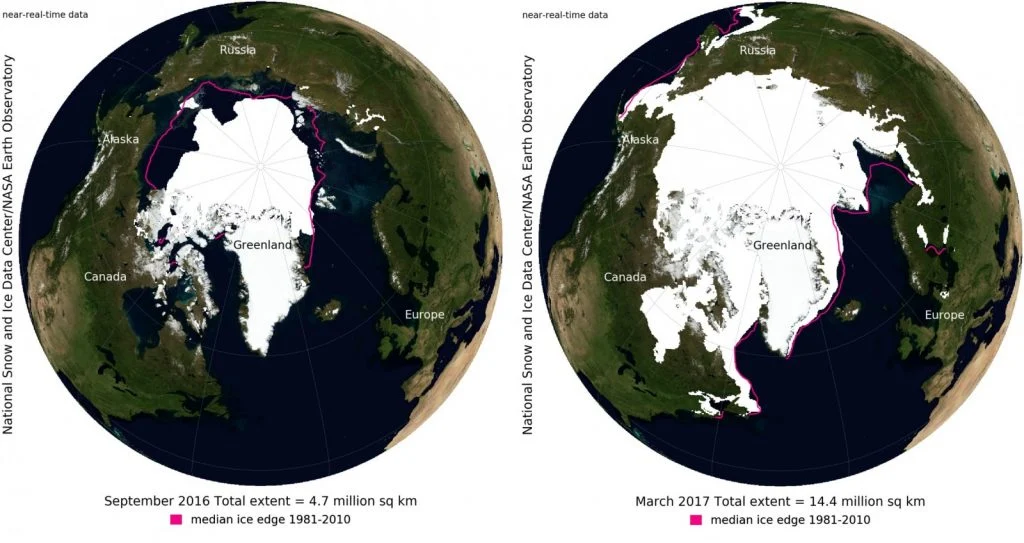
The reduction in Arctic sea-ice cover has been in the news a lot recently (e.g. here) – as record lows have been observed again and again within the last decade. However, it is also a topic which causes a lot of confusion as so many factors come into play. With this Image of the Week …[Read More]
GeoTalk: How are clouds born?
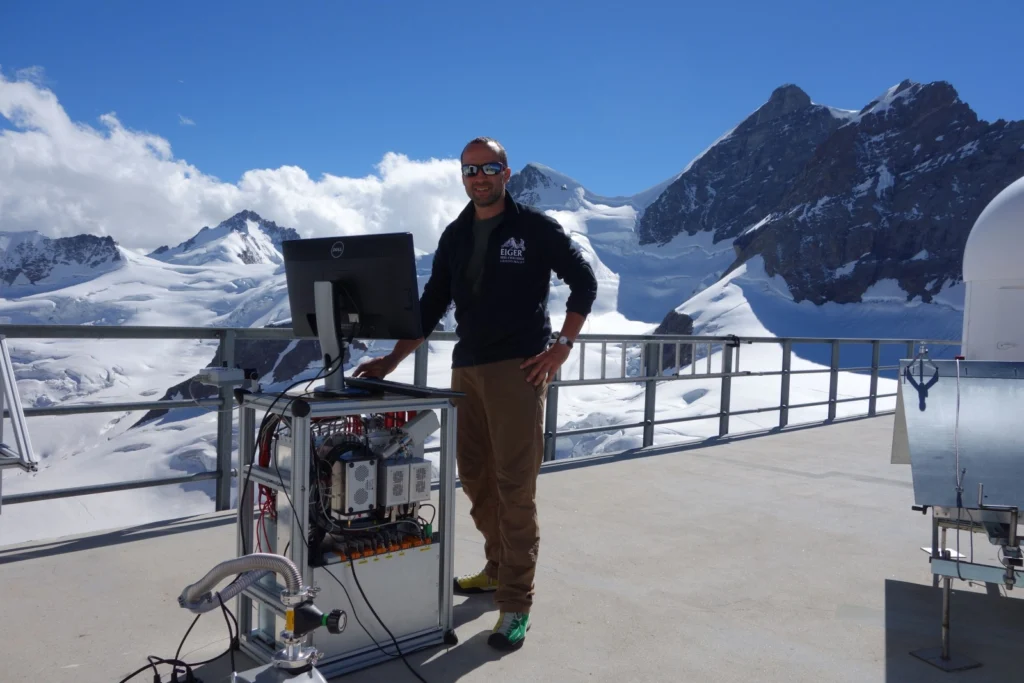
Geotalk is a regular feature highlighting early career researchers and their work. In this interview we speak to Federico Bianchi, a researcher based at University of Helsinki, working on understanding how clouds are born. Federico’s quest to find out has taken him from laboratory experiments at CERN, through to the high peaks of the Alps …[Read More]
A year at the South Pole – an interview with Tim Ager, Research Scientist
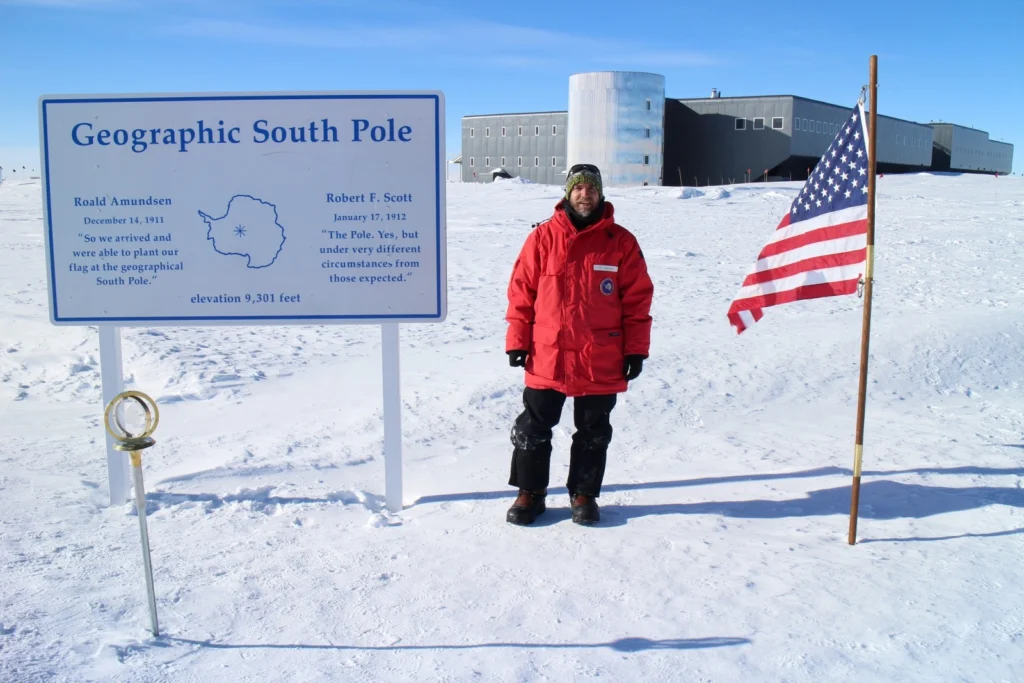
What is it like to live at the South Pole for a year? A mechanical engineer by trade, Tim Ager, jumped at the opportunity to work for a year as a research scientist at Amundsen-Scott South Pole Station. When not traveling on various adventures he lives in Austin, Texas, and recently took the time to …[Read More]
EGU 2017: Getting to Vienna, getting to sleep and getting to know the city
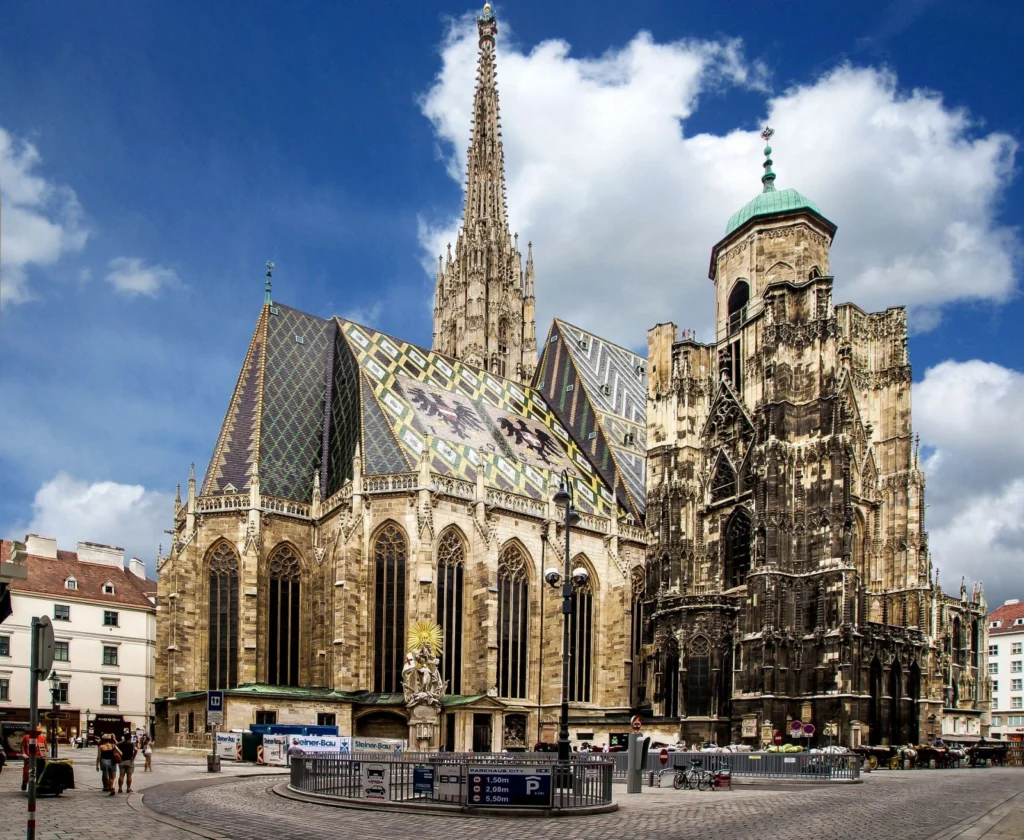
With the conference only a few weeks away here is a brief, and by no means comprehensive, introduction of how to get to Vienna and what to do when you’re there! Getting here Vienna’s International Airport is served by many of the major European airlines. If you would like to consider overland you’ll find more information on …[Read More]