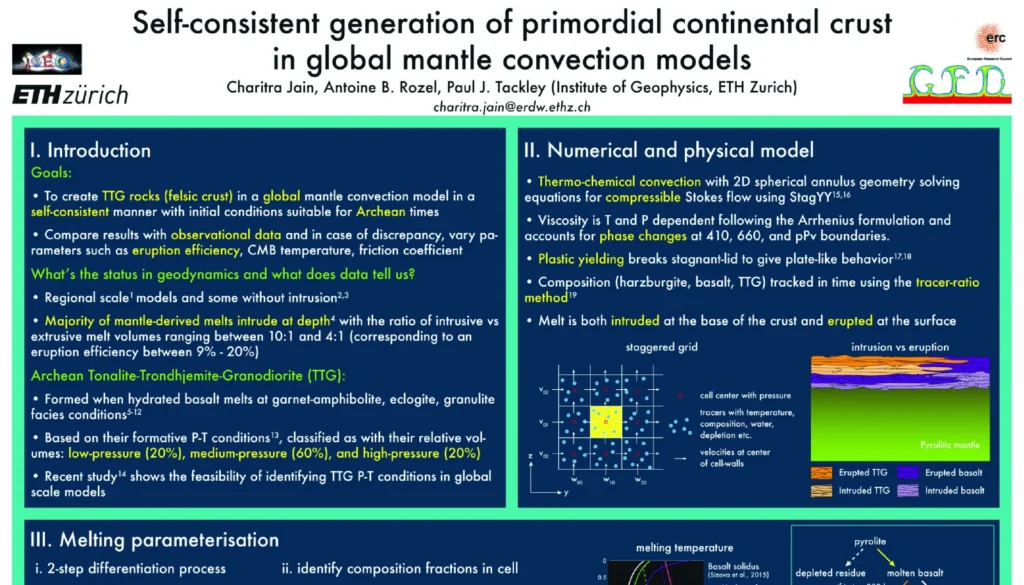
Being a scientist is more than just doing research and science. You also need to be able to communicate your findings to your peers and/or the general public (outreach). At conferences, you usually have two options for presenting your work: a talk or a poster (although at EGU, you also have the PICO sessions). A …[Read More]
Latest posts
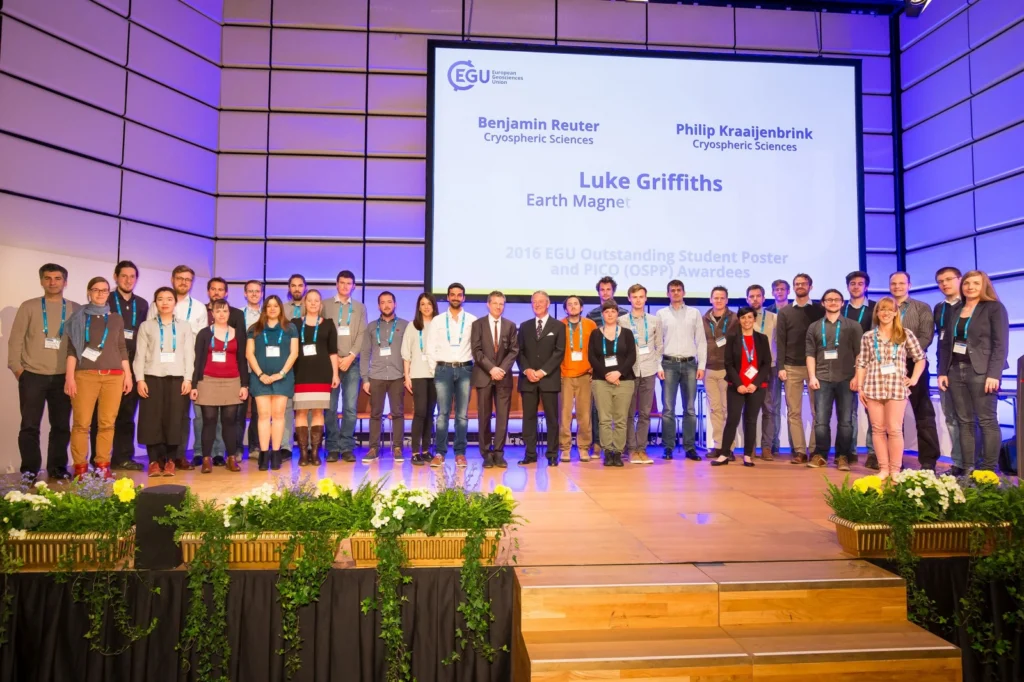
EGU announces 2018 awards and medals
From 8th to the 14th October a number of countries across the globe celebrate Earth Science Week, so it is a fitting time to celebrate the exceptional work of Earth, planetary and space scientist around the world. Yesterday, the EGU announced the 49 recipients of next year’s Union Medals and Awards, Division Medals, and Division …[Read More]
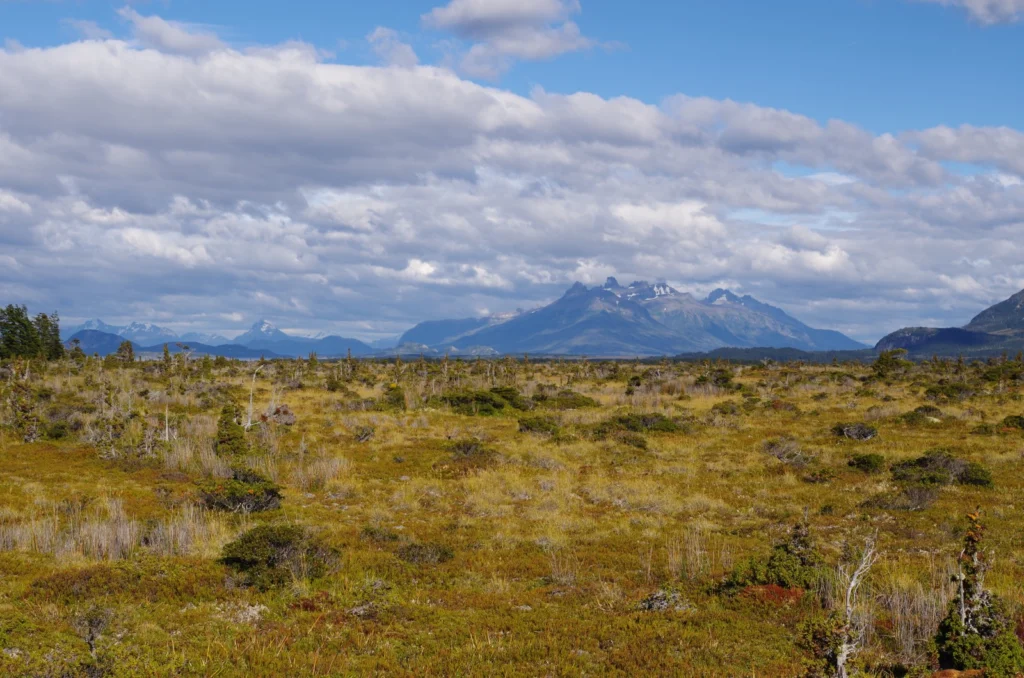
Imaggeo on Mondays: The unique bogs of Patagonia
Patagonia, the region in southernmost tip of South America, is as diverse as it is vast. Divided by the Andes, the arid steppes, grasslands and deserts of Argentina give way to the temperate rainforests, fjords and glaciers of Chile. Also on the Chilean side are rolling hills and valleys of marshy topography: Patagonia’s bogs. Today, …[Read More]
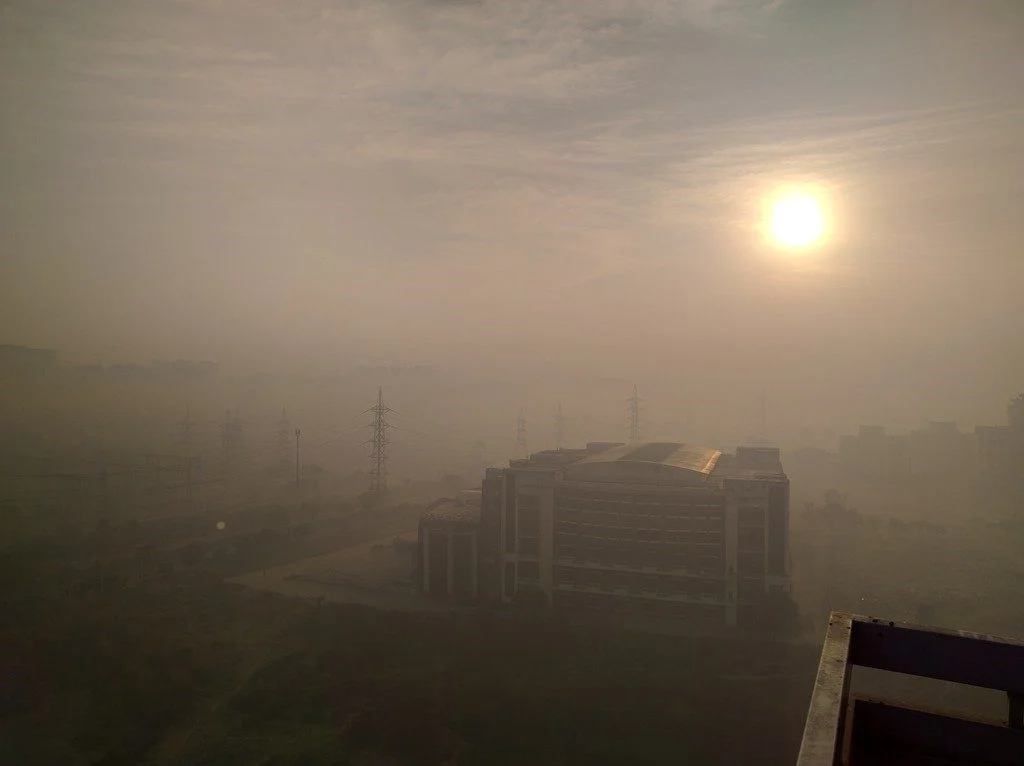
Heather Britton: India’s Energy-Climate Dilemma
Heather Britton is one of our new writers, today reporting on a summary of this paper by Andrew J Apostoli and William A Gough, covering the difficulties of pursuing reduced greenhouse gas emissions whilst fuelling one of the largest populations on the planet – India. The actions of this country are contributing to the eventual …[Read More]
Video: Why and how I communicate on social and traditional media, and some mistakes I made along the way…
Display "Why and how I communicate on social and traditional media, and some mistakes along the way…" from Vimeo Click here to display content from Vimeo. Please enable JavaScript in your browser to load this content. Always display content from Vimeo Open "Why and how I communicate on social and traditional media, and some mistakes …[Read More]
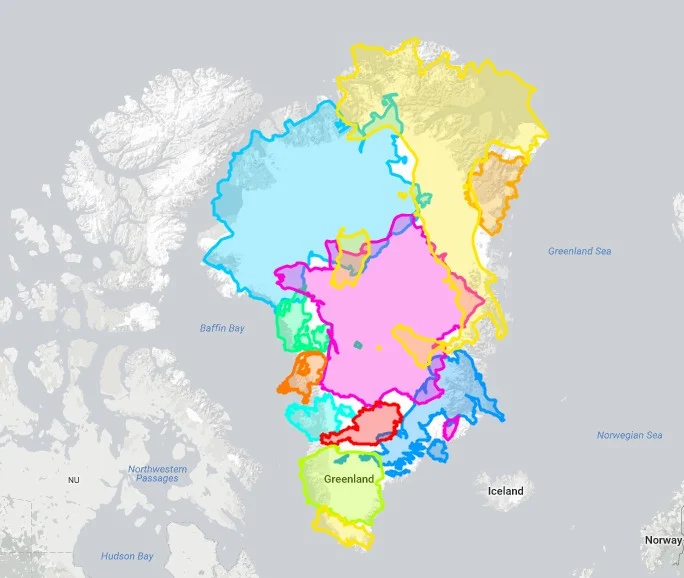
Image of the Week – The true size of Greenland
Greenland is a critical part of the world, which is regularly covered on this blog, because it hosts the second largest ice body on Earth – the Greenland Ice Sheet. This ice sheet, along with its small peripheral ice caps, contributes by 43% to current sea-level rise. However, despite being the world’s largest island Greenland, …[Read More]
New Paper: Geoscience Engagement in Global Development Frameworks
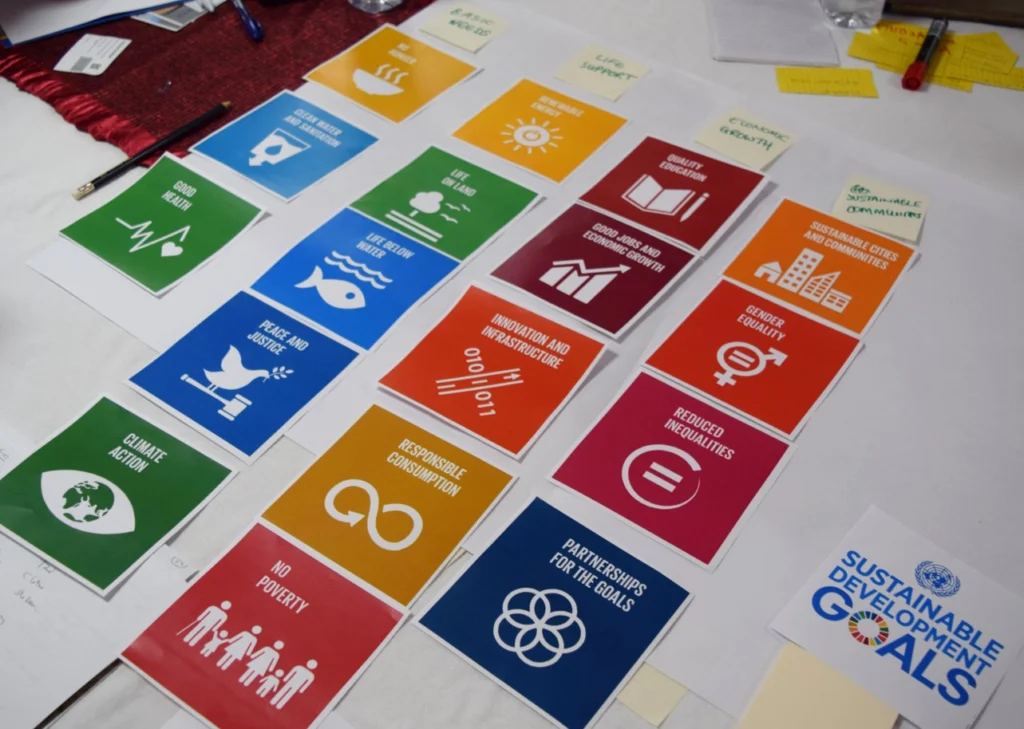
We have recently contributed to a new open access article included in a special volume coordinated by the International Association for Promoting Geoethics (IAPG). This article, synthesises the role of geoscientists in the delivery of the UN Sustainable Development Goals, the Sendai Framework for Disaster Risk Reduction, and the Paris Climate Change Agreement, and discusses ways in …[Read More]
Malawi High School Teacher’s Workshop on Natural Hazards
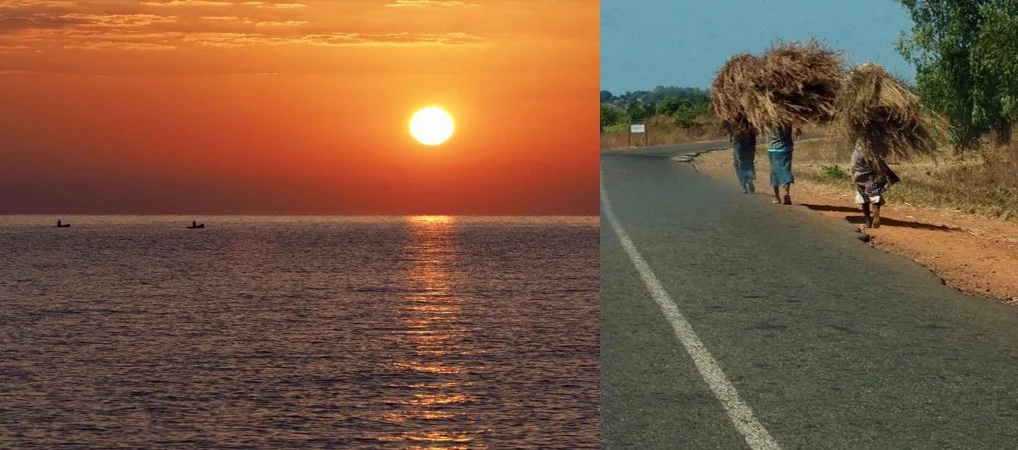
In July 2017, Professor Bruce Malamud and Dr Faith Taylor from King’s College London travelled to Mzuzu, Malawi to work in collaboration with Mr James Kushe from Mzuzu University, Malawi. They delivered an EGU funded workshop at Mzuzu University to high school teachers on natural hazards, with major funding provided by EGU, and also supported …[Read More]
The lost Tethyan seaways: A deep-Earth and deep-time perspective on eastern Tethyan tectonics
Every 8 weeks we turn our attention to a Remarkable Region that deserves a spot in the scientific limelight. Following from the first entry which showcased the Eastern Mediterranean, we move further east, and back in time, to the realm of the Tethys. The post is by postdoctoral researcher Sabin Zahirovic of the EarthByte Group and Basin …[Read More]
Introducing Our New Authors (3) – Jesse Zondervan
We’ve been introducing you to a couple of new faces on the GfGD blog, bringing fresh ideas and perspectives on topics relating to geoscience and sustainable development. We’re delighted to have their input, and look forward to their posts. Today we interview Jesse Zondervan. I’m Jesse Zondervan, a PhD student at Plymouth freshly arrived from …[Read More]