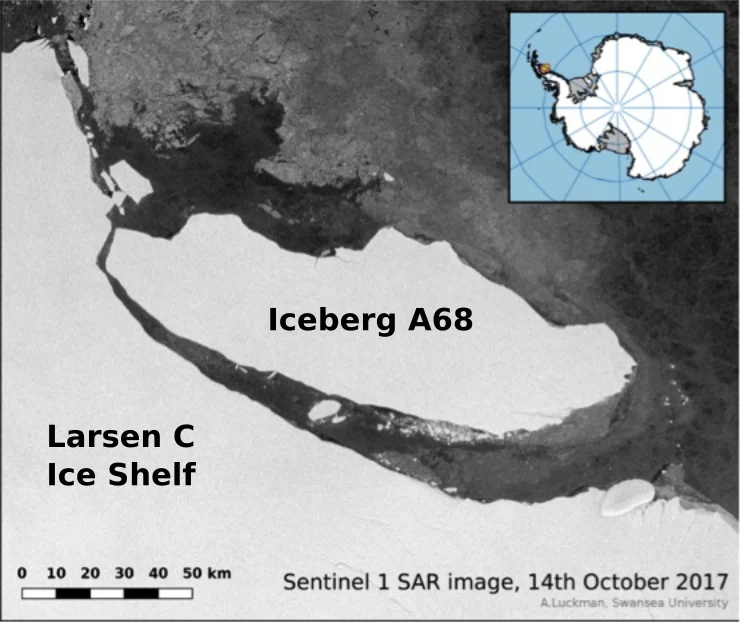
Much of the Antarctic continent is fringed by ice shelves. An ice shelf is the floating extension of a terrestrial ice mass and, as such, is an important ‘middleman’ that regulates the delivery of ice from land into the ocean: for much of Antarctica, ice that passes from land into the sea does so via …[Read More]
Latest posts
Five top tips to apply for small grants
Stephanie Zihms, the ECS Representative for the EMRP Division (and incoming Union Level Representative) has applied for a range of small scale grants (<£15,000, ca. 16,965€). At this year’s General Assembly, she was one of two speakers at the ‘How to write a research grant’ short course, where she shared insights from her successes and …[Read More]
One month to AGU!
As the leaves are falling; the sun is going down before you leave the office; and the stores are stacking up on Christmas decorations, it’s time to face the facts: it’s almost AGU! It shouldn’t come as a surprise, but just in case. Don’t worry, there is still time to reread your abstract to see …[Read More]
Imaggeo on Mondays: Of ancient winds and sands
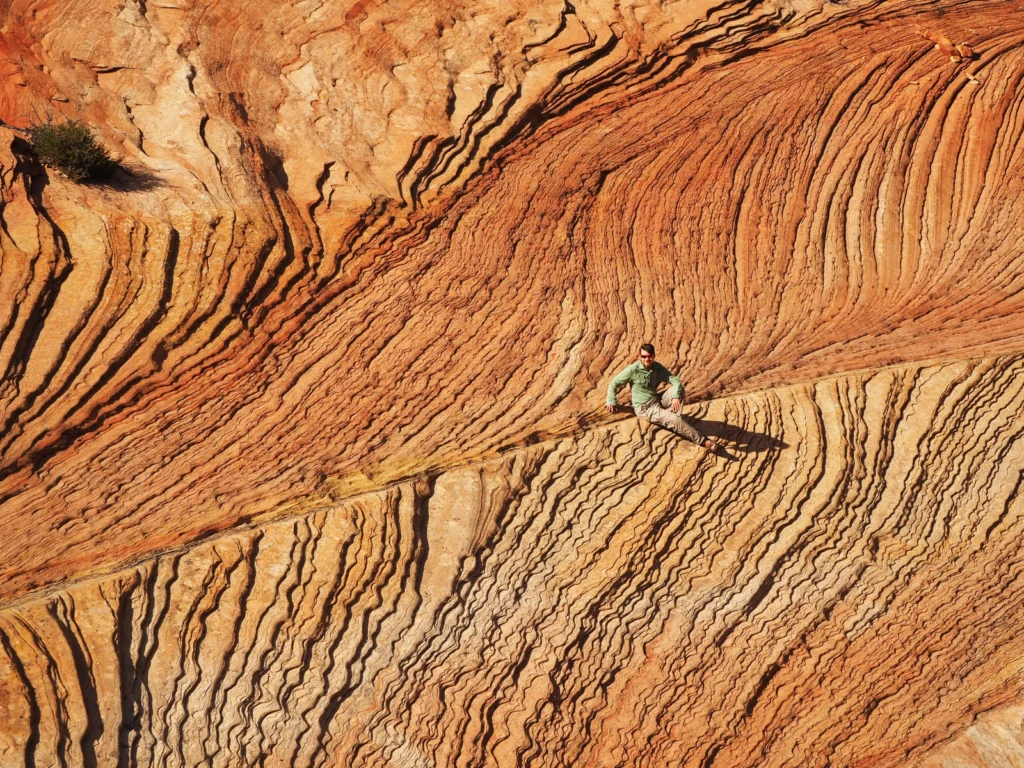
Snippets of our planet’s ancient past are frozen in rocks around the world. By studying the information locked in formations across the globe, geoscientist unpick the history of Earth. Though the layers in today’s featured image may seem abstract to the untrained eye, Elizaveta Kovaleva (a researcher at the University of the Free State in …[Read More]
Of Karst! – short episodes about karst
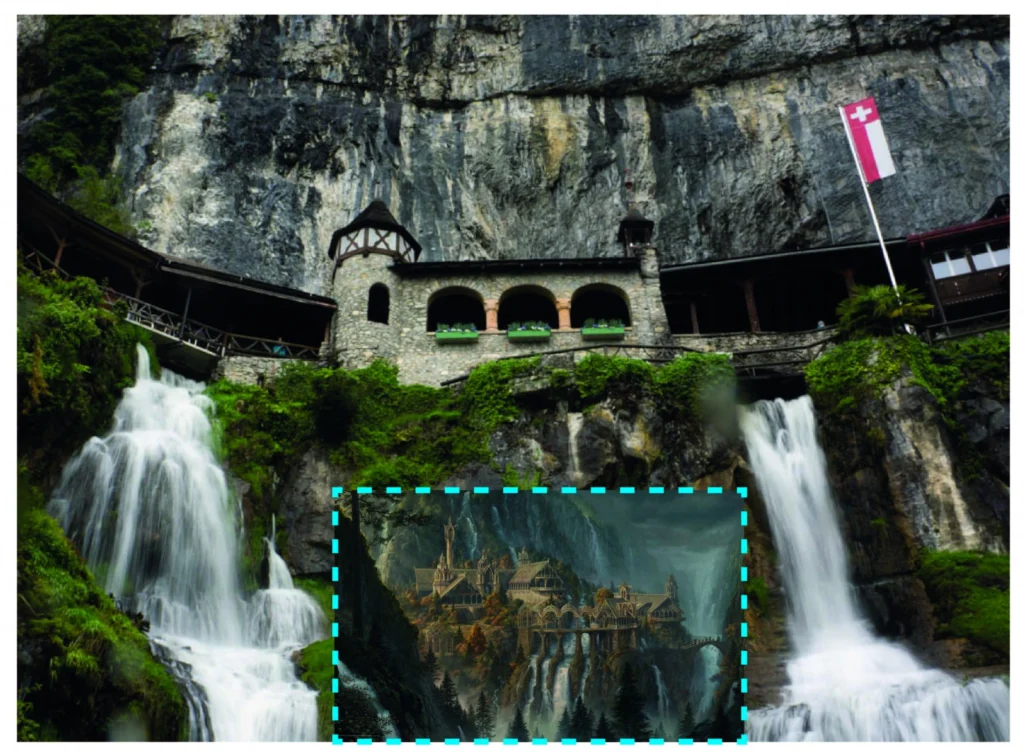
Post by Andreas Hartmann, Assistant Professor in Hydrological Modeling and Water Resources at the University of Freiburg. __________________________________________________ Episode 3 – Learning about karst by … KARST IN THE MOVIES! Before writing about karst hydrology in “Of Karst! Episode 4”, I have been urged to present some more visual information on karst landforms. Of Karst! Episode 1 …[Read More]
Try something different at EGU 2018– choose a PICO session!
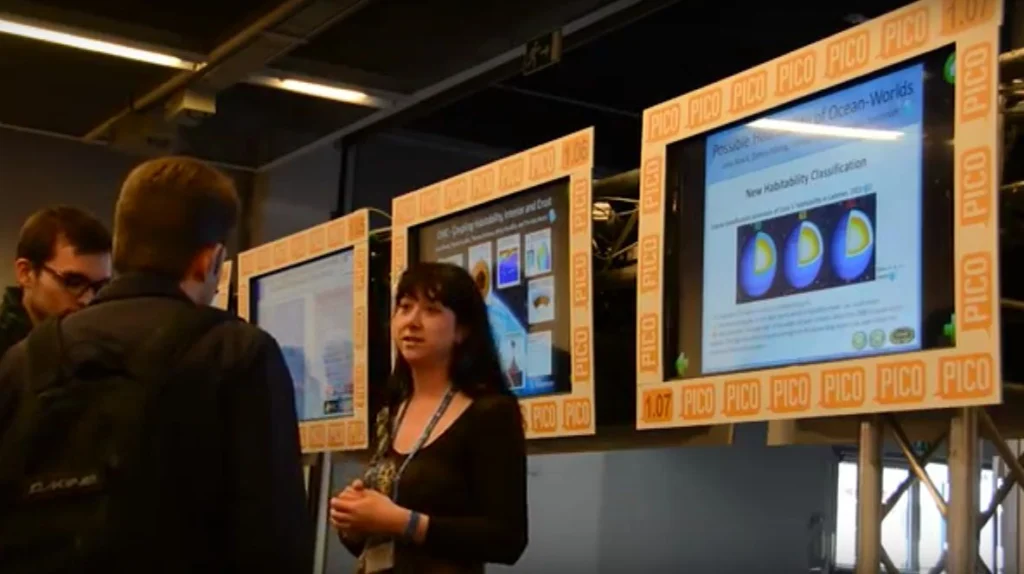
Some of the sessions scheduled for the upcoming EGU General Assembly are PICO only sessions. This means that, rather than being oral or poster format, they involve Presenting Interactive COntent (PICO). The aim of these presentations is to highlight the essence of a particular research area – just enough to get the audience excited about …[Read More]
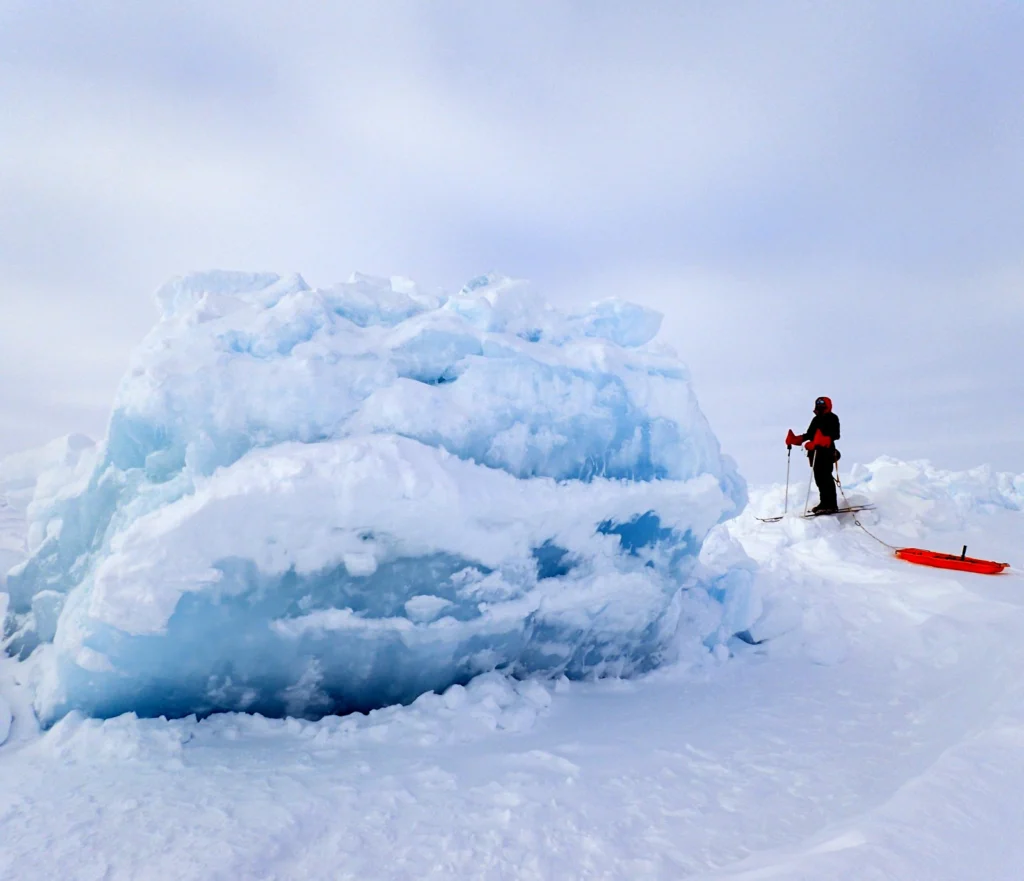
Image of the Week – Sea-ice dynamics for beginners
When I ask school children or people who only know about sea ice from remote references in the newspapers: ‘How thick do you think is the Arctic sea ice?’, I often get surprising answers: ’10 meters? No, it must be thicker – 100 meters!’. It seems like sea ice, often depicted as a uniform white …[Read More]
October GeoRoundUp: the best of the Earth sciences from around the web
Display "Following Carbon Dioxide Through the Atmosphere" from YouTube Click here to display content from YouTube. Please enable JavaScript in your browser to load this content. Always display content from YouTube Open "Following Carbon Dioxide Through the Atmosphere" directly Carbon dioxide plays a significant role in trapping heat in Earth’s atmosphere. The gas is released …[Read More]
The jelly sandwich lithosphere: elastic bread, the jelly, and gummy bears
The Geodynamics 101 series serves to showcase the diversity of research topics and methods in the geodynamics community in an understandable manner. We welcome all researchers – PhD students to Professors – to introduce their area of expertise in a lighthearted, entertaining manner and touch upon some of the outstanding questions and problems related to …[Read More]
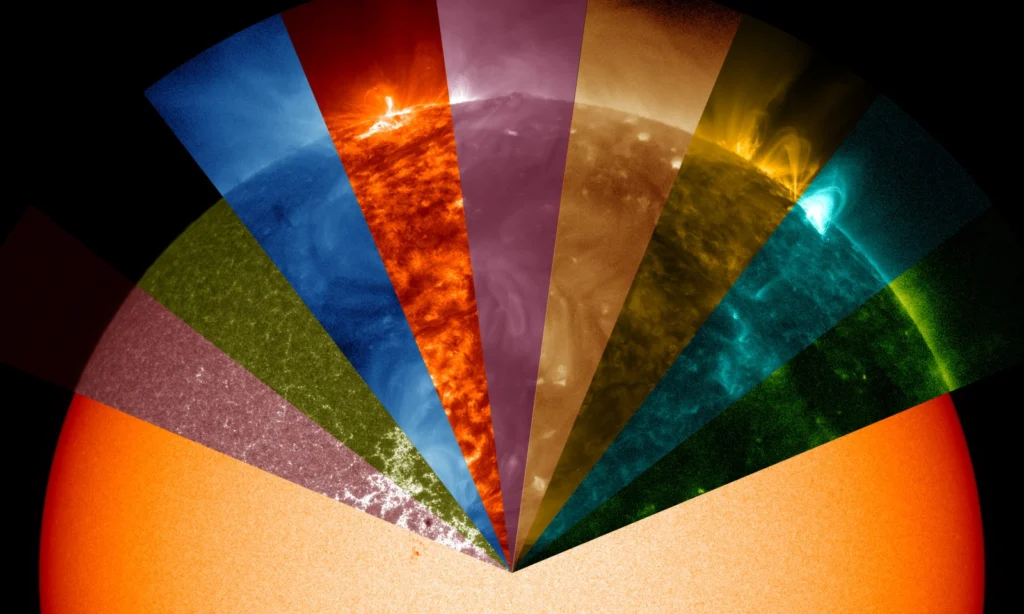
Eyes on the Sun
The Sun is a complex, dynamic ball of plasma which influences our lives. Studying the Sun is challenging because each of its layers have different composition, physics and wavelengths of emssion. Moving outwards from the photosphere (visible surface of the Sun), we have the chromosphere and the corona (hottest outermost layer). The solar plasma is …[Read More]