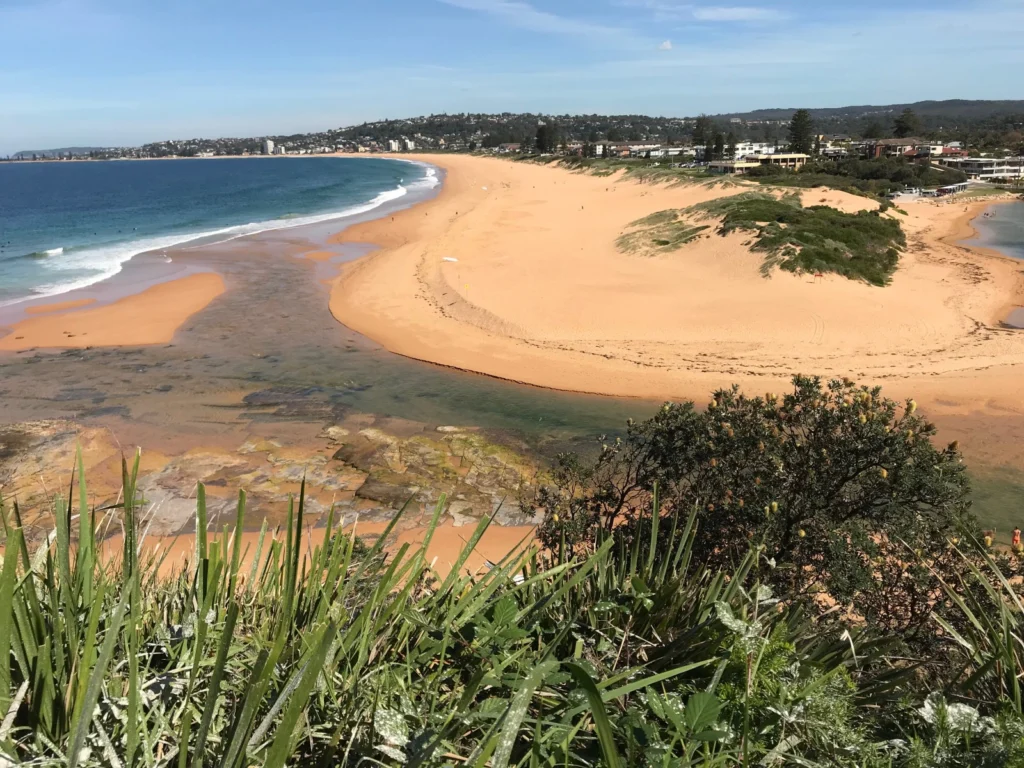
Narrabeen–Collaroy Beach in New South Wales, Australia, just north of Sydney, is home to one of the longest-running shoreline-measurement programmes in the world. With colleagues at the University of New South Wales (UNSW) Sydney, Eli Lazarus, an associate professor in geomorphology at the University of Southampton, UK, has been analysing over 40 years of data …[Read More]
Latest posts
Talking hydrology: an interview with Jana von Freyberg on her work in the Rietholzbach catchment
This is the first post of “Talking hydrology”, an interview-based series of posts in the HS Blog that present the experience and personal views of hydrologists and people interested in talking about hydrology. The “Talking hydrology” series is edited by the team of the HS blog together with Leonie Kiewiet (University of Zurich, Switzerland). Here, …[Read More]
The geodynamic processes behind the generation of the earliest continents
The earliest continents played a fundamental role on Earth’s habitability. However, their generation is still not understood, and it requires an integrated approach between petrology and geodynamic modelling. In a new study, Piccolo and co-workers developed a method to handle the effects of chemical evolution on the geodynamic processes. They show that the production of …[Read More]
How to improve rapid public earthquake information? Listen to eyewitnesses!
by Rémy Bossu, Laure Fallou, Sylvain Julien-Laferrière, Matthieu Landès, Julien Roch, Fréderic Roussel, Sébastian Soriat and Robert Steed I set the area of interest, and then tried to adjust the magnitude threshold. Either the threshold was too high and I did not get information for the earthquakes that I felt, or it was too low …[Read More]
Video: Linking water planetary boundaries and UN Sustainable Development Goals
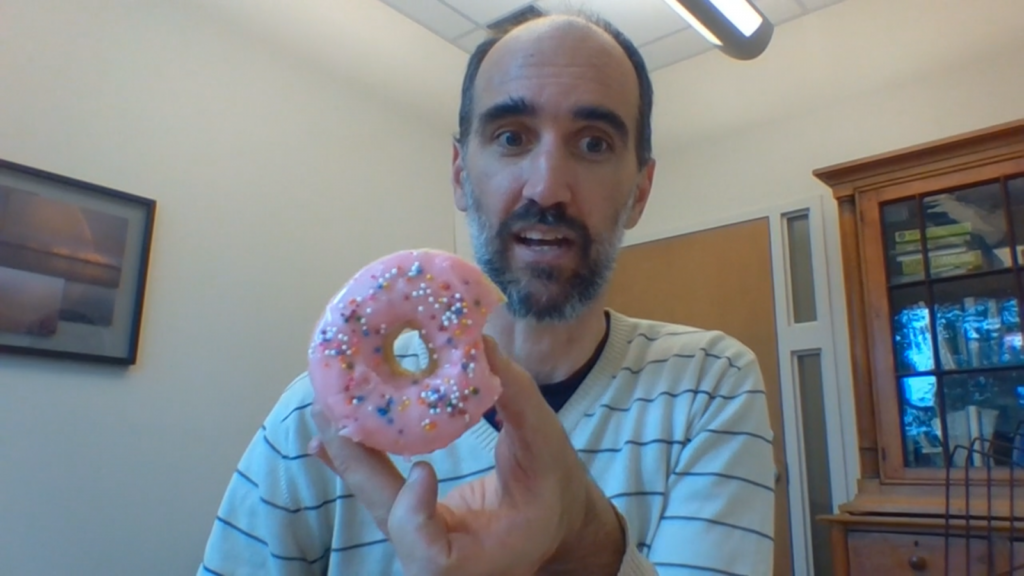
Water Underground creator Tom Gleeson prepared this quick research video (with no more than a toothbrush, a file holder, and a doughnut, in one take!) for the Ripples project meeting at the Stockholm Resilience Centre, that was held in April. In this video, he talks about using doughnut economics for linking water planetary boundaries and UN Sustainable …[Read More]
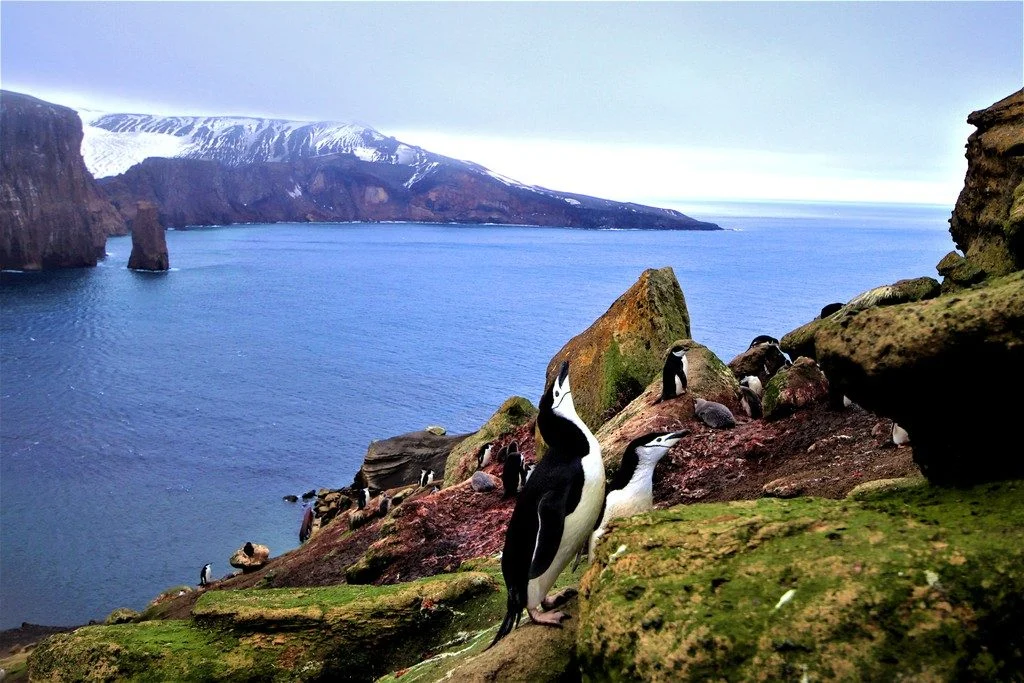
Imaggeo on Mondays: Penguins – a biogeochemical link between sea and land
A couple of Chinstrap penguins (Pygoscelis antarctica) at their nesting site on Deception Island, maritime Antarctica. Sea birds contribute importantly to biogeochemical cycles in coastal ecosystems and on islands. Feeding on the marine food chain and nesting on land, they carry large amounts of marine nutrients into terrestrial ecosystems. This might be of particular importance …[Read More]
April GeoRoundUp: the best of the Earth sciences from the 2019 General Assembly
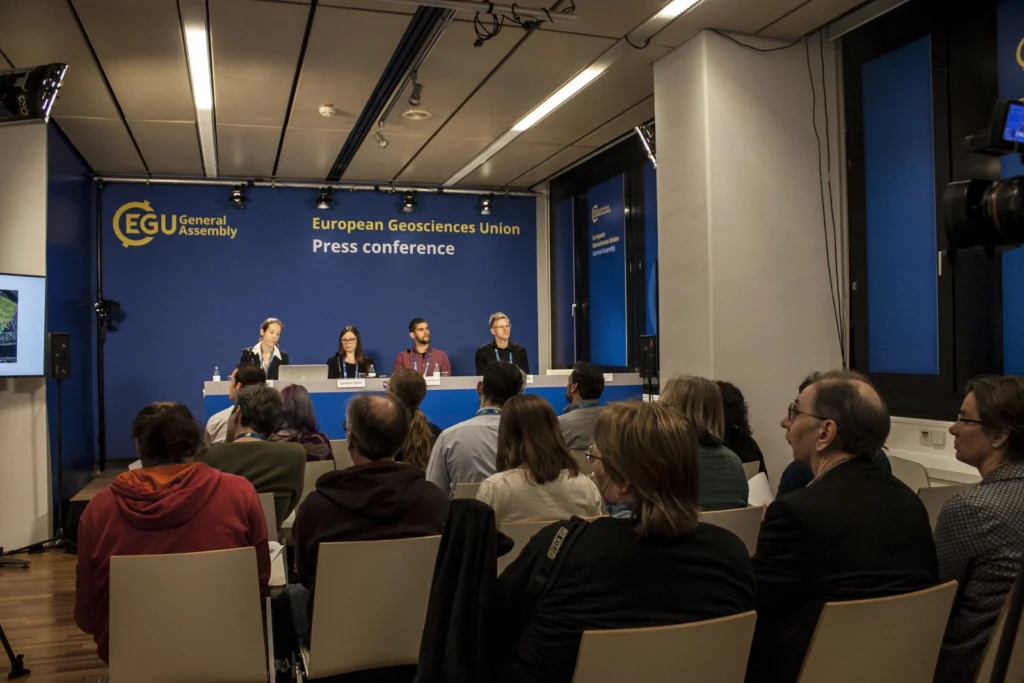
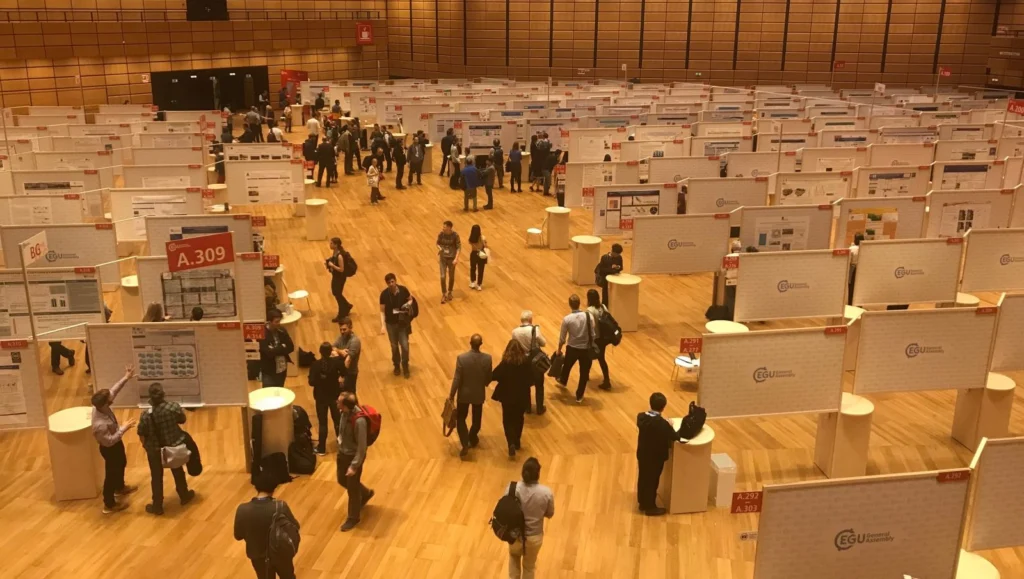
The EGU General Assembly 2019 took place in Vienna last month, drawing more than 16,000 participants from 113 countries. This month’s GeoRoundUp will focus on some of the unique and interesting stories that came out of research presented at the Assembly! Major Stories Glacial disappearing act in the European Alps New research from a team …[Read More]
EGU is a bit like a music festival: first time experience of an ECS in hydrology
EGU is a bit like a music festival. Maybe not as crowded as the Donauinselfest, but you’ll definitively experience some of this type of event classic features: dilly-dallying a lot about what to see next, losing your friends and setting up more or less detailed meeting points, buying overpriced food and beverages. And if in …[Read More]
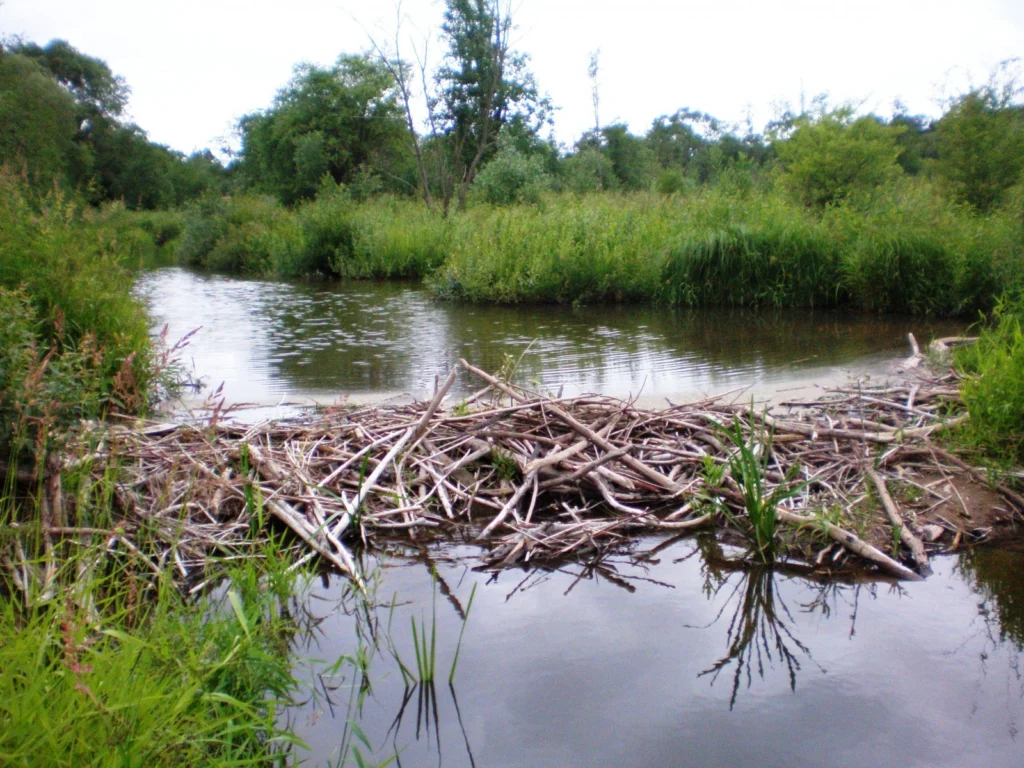
Could beavers be responsible for long-debated deposits?
Following her presentation at the European Geosciences Union General Assembly in Vienna, I caught up with geomorphologist and environmental detective Annegret Larsen from the University of Lausanne, Switzerland, about beavers, baffling sediments and a case she’s been solving for the past seven years. Back in 2012 the German geomorphology community was seriously debating the source …[Read More]
Image of the Week – Fifty shades of May (Glacier)
With over 198 000 glaciers in the world, you can always find a glacier that fits your mood or a given occasion. So why not for example celebrate the first Image of the Week of May with a picture of the aptly named May Glacier? May Glacier is in fact not named after the month, …[Read More]