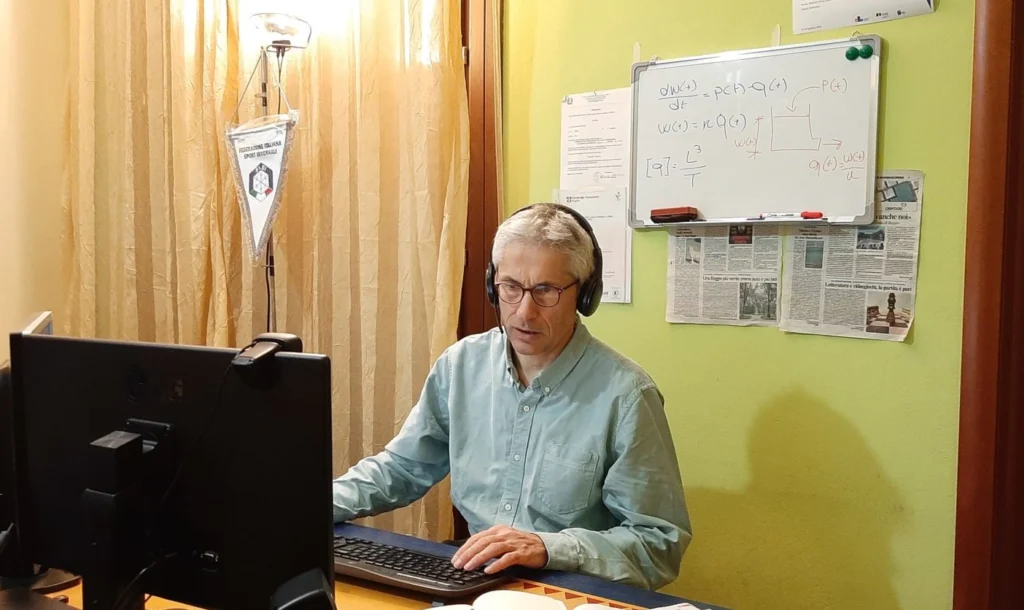
Now more than ever, Kaito is using conference calls to stay in touch (scientifically and otherwise) but is frustrated about the (lack of) etiquette. He ponders: What is the best way to set up a conference call? Dear Kaito, I suppose you like conference calls as much as I do. Not. I don’t know how …[Read More]
Latest posts
A message from EGU President Alberto Montanari on what geoscientists can do to help mitigate the impact of COVID-19
What can the Earth, planetary and space sciences do to help mitigate the impact of COVID-19? While I am considering this challenging question, I am looking out of the window of my home in Italy, in Reggio Emilia. I am close to the epidemic center of the Italian outbreak of COVID-19. I have been at …[Read More]
The Moon – A small but significant tale about impacts, basins, volcanism, and time
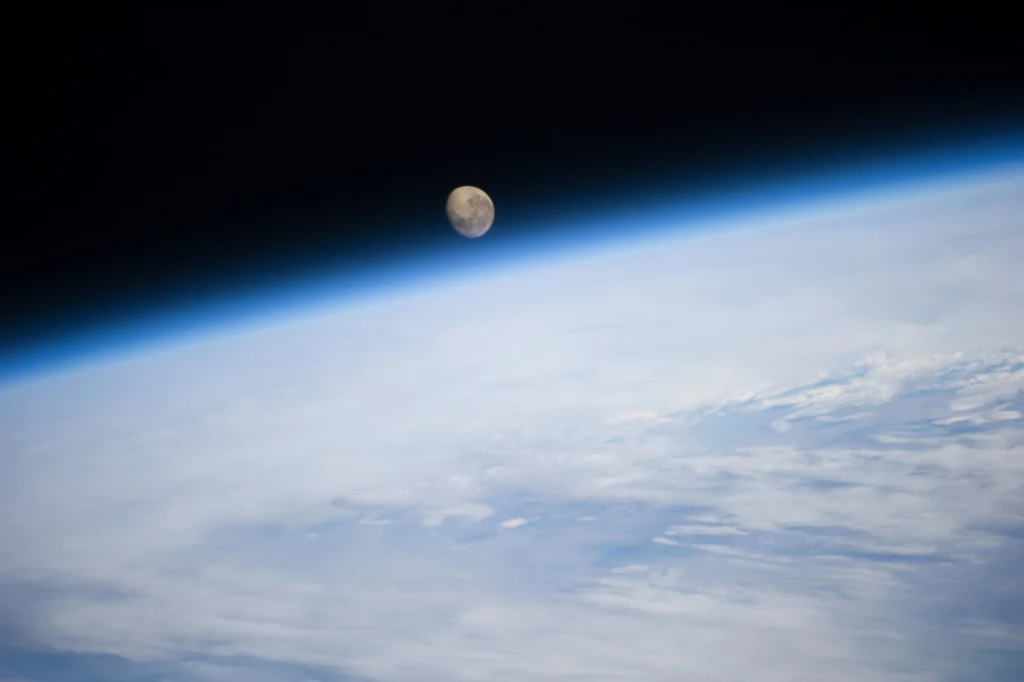
This week on the GD Blog we are taking a magical geodynamicist’s mystery tour to our planet’s Moon thanks to Tobias Rolf, Researcher at the Centre for Earth Evolution and Dynamics (CEED) at the University of Oslo, Norway (currently a Visiting Researcher at the Institute of Geophysics at the University of Münster, Germany). Imagine you …[Read More]
Blog column – PICTURE YOUR RESEARCH!
Working on natural hazards brings you to places (physically and virtually) you might never have discovered otherwise. You look at the world while asking questions about places, situations, relationships, and interactions of the natural processes surrounding you, inspiring your scientific potential. The Natural hazard Early Career Scientists Team is interested in your natural hazard research …[Read More]
Imaggeo On Mondays: Sulphur volcano
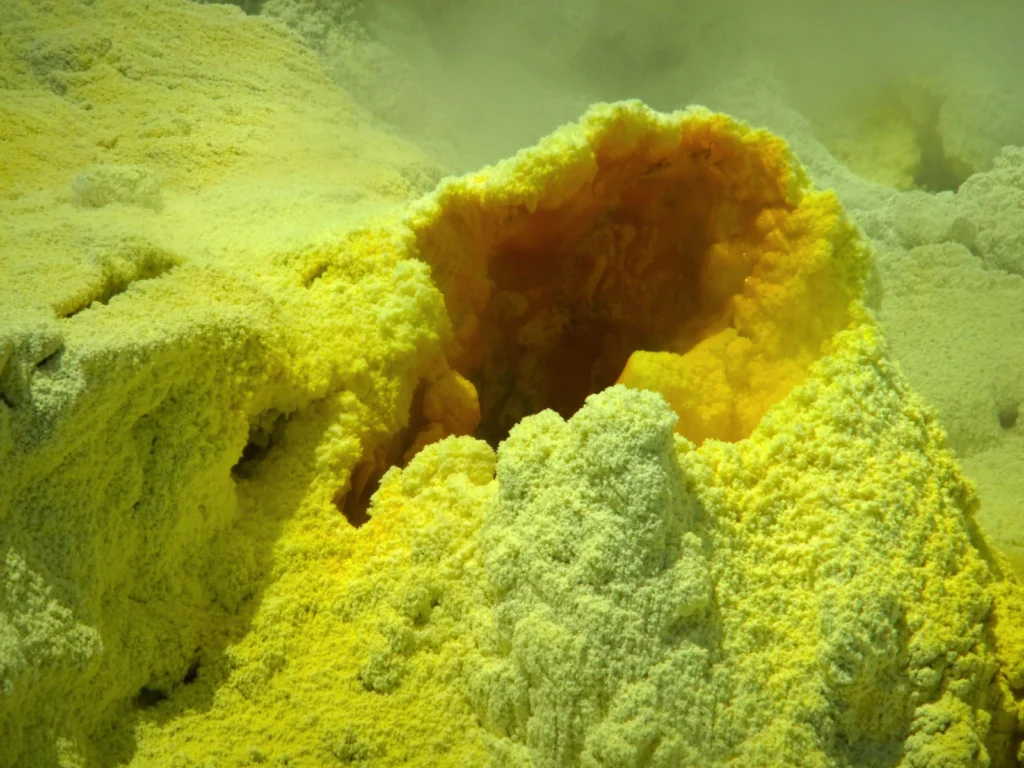
This photograph was taken in 2012 on a guided tour to Whakaari/White Island, an active volcano 50 km off the east coast of the North Island of New Zealand. The volcano lies on the northern end of the Taupo Volcanic zone and has possibly been active for the past 150,000 years. How dangerous this island …[Read More]
Radiocarbon rocks! – How rocks can tell us about the history of an ice sheet…
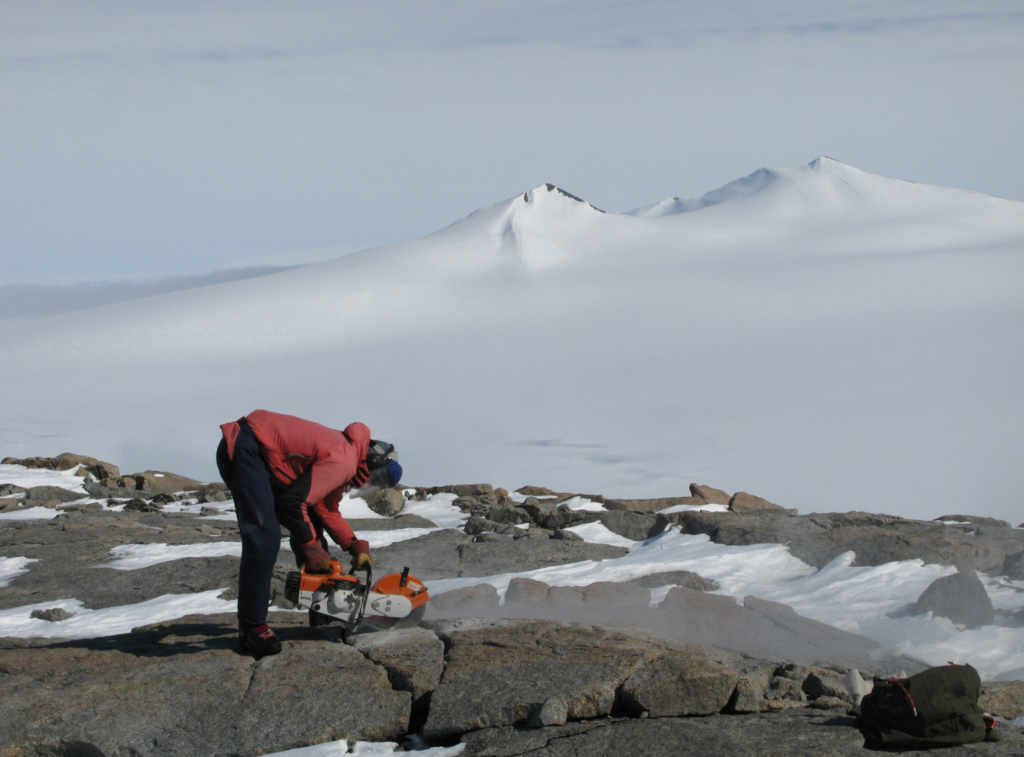
When most people hear the phrase “radiocarbon dating”, they think of measuring carbon to date organic material. But did you know that carbon is also produced within rocks, and that we can use it to learn about the past behaviour of a glacier? About 20,000 years ago it was colder and large parts of the …[Read More]
The Sassy Scientist – COVID Crisis Care
Michaela is stuck at home, both physically and mentally, with the hope that she does not catch nor spread the new COVID-19 virus. Without the comforting environment of her own university desk, and not the itchy couch at home that’s hardly been sat on, she wonders: What is the best approach to efficiently work from …[Read More]
Representing the Possible: Milena Marjanović
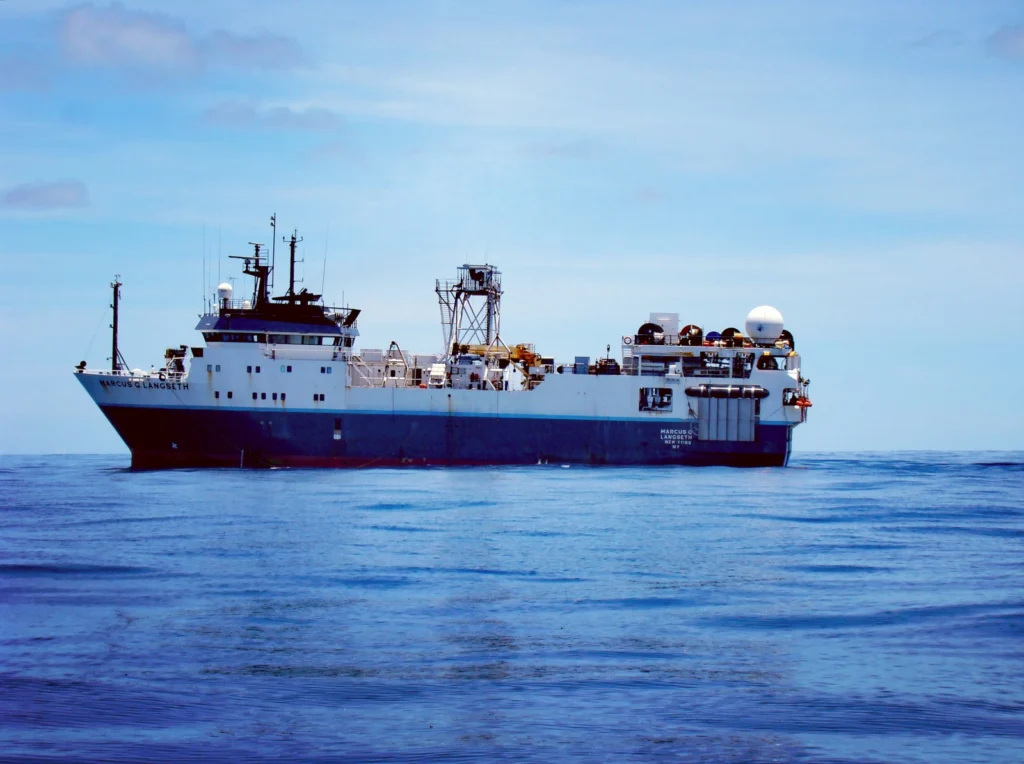
I remember the first lecture vividly, it was on Plate Tectonics. From that moment, I knew what my profession will be What is your story, Milena? I am a Marine Geophysicist interested in exploring plate boundaries, in particular, mid-ocean ridges using active source seismology. I am a sea-going researcher, which means that every now and …[Read More]
EGU General Assembly 2020 cancellation: Alberto Montanari and Susanne Buiter talk about the decision – and what comes next
On 19 March EGU announced that it has cancelled the physical EGU General Assembly 2020 in Vienna, Austria. We spoke to the Union President Alberto Montanari and Programme Committee Chair Susanne Buiter to get some more information about what this means, how this decision was made and what comes next. Hello Alberto and Susanne, …[Read More]
When the students are gone: Transition to online teaching
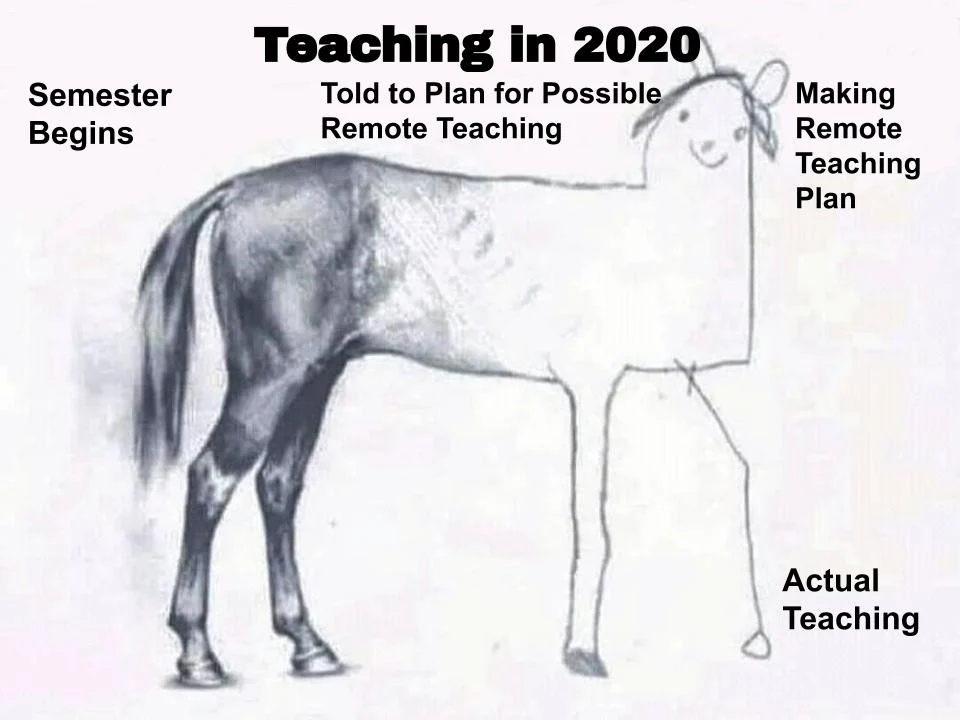
With the ongoing Corona crisis, universities are closed and in-person classes are/were rapidly transitioning to online courses with only little time for preparation for instructors. Preparing online classes usually takes lots of effort and time, which is why we should probably all just release ourselves from too high expectation. Motivated by the ongoing discussion on …[Read More]