COVID-19 is currently affecting over 180 countries in the world and poses serious threats to public health as well as economic and social stability of many countries. Modeling and extrapolating in near real-time the evolution of COVID-19 epidemics is a scientific challenge, which requires a deep understanding of the factors undermining the dynamics of the …[Read More]
Latest posts
Geology for Global Development
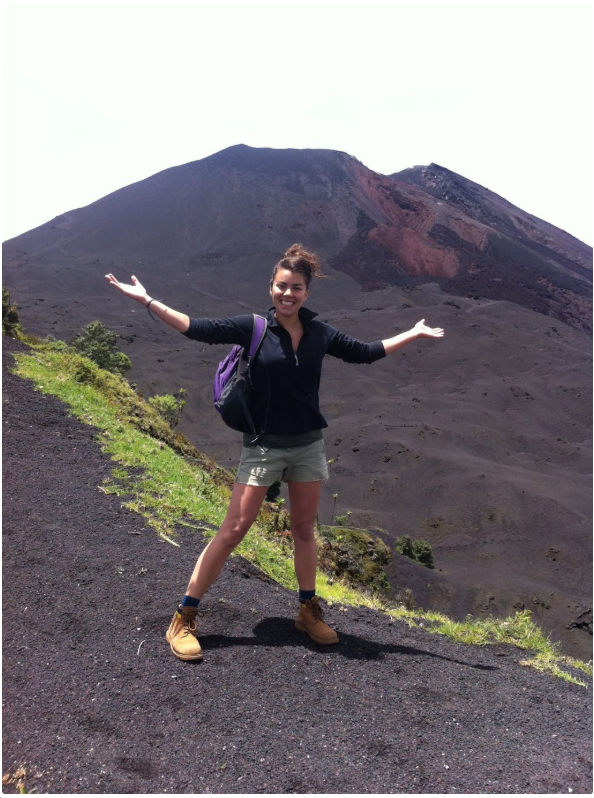
Introducing Our New Authors – Cecilia Reed
Over the next few weeks, we’d like to introduce you to some new faces on the GfGD blog, bringing fresh ideas and perspectives on topics relating to geoscience and sustainable development. We’re delighted to have their input and look forward to their posts. Today we interview Cecilia Reed – a creative earth science communicator and …[Read More]
WaterUnderground
underground social solidarity: rose, thorns and buds in the COVID-19 pandemic
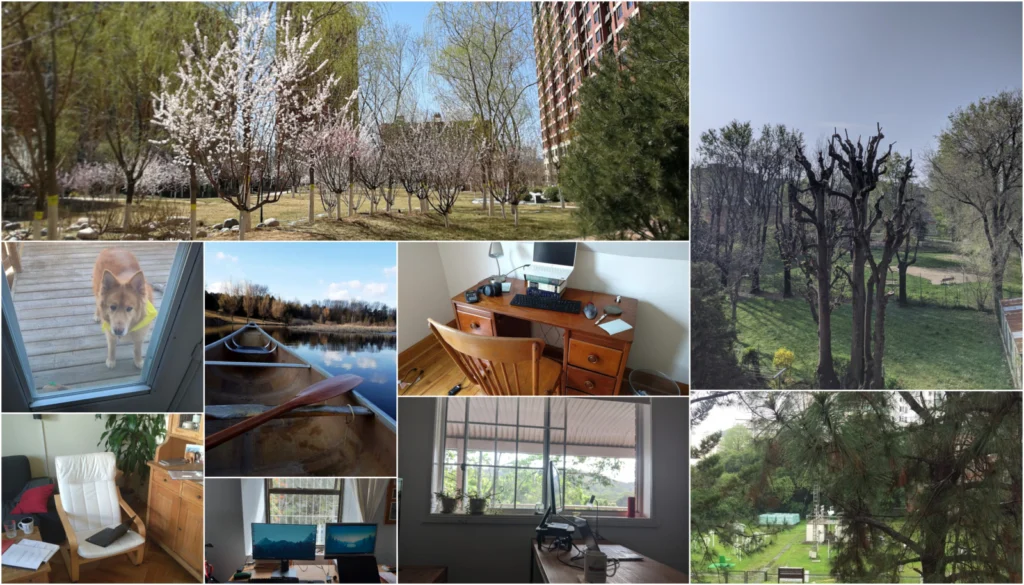
Well, the world is certainly in a crazy time – one of the most enlightening tweets that I keep thinking about is: In a longer article, Klein asks a crucial question: can social solidarity replicate faster than the virus? So to encourage social solidarity in our dispersed global community of groundwater nerds, I suggested we …[Read More]
GeoLog
Imaggeo On Mondays: Psychedelic Foraminifera
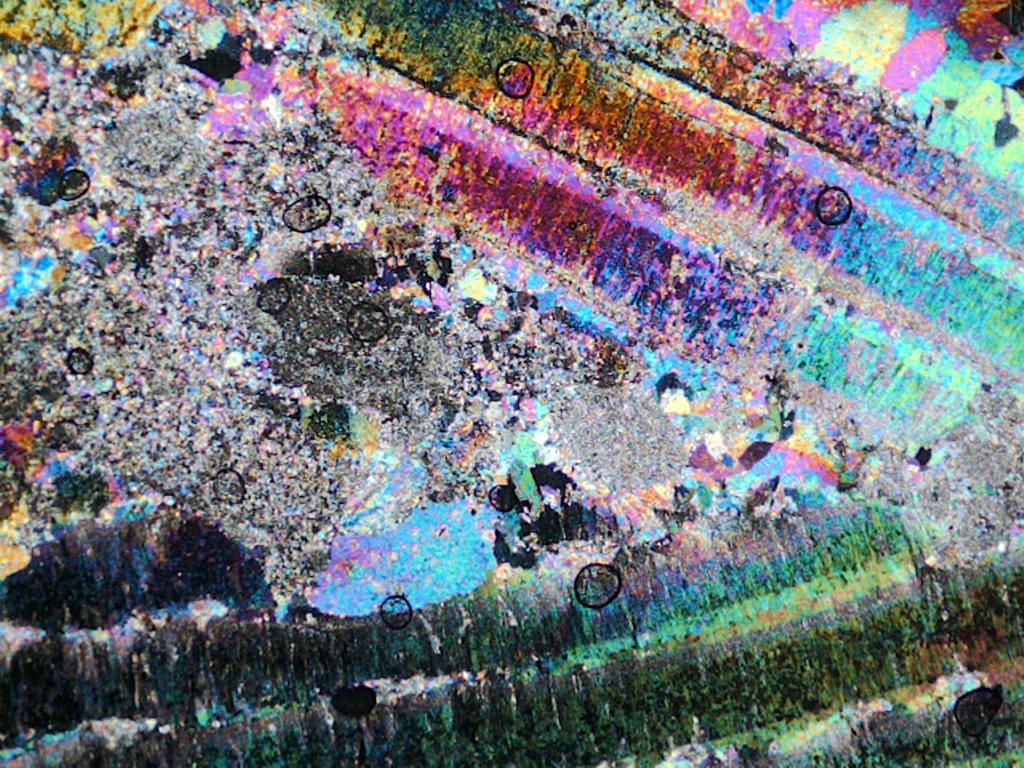
This is a transmitted light microscope image of a thin section – a 50-micron thick sliver of rock. This sample was collected from Jebel Hafit, a mountain which straddles the United Arab Emirates and Oman border. Jebel Hafit is approximately 900 m high and is made up of Eocene to Miocene age carbonate rocks which …[Read More]
GeoLog
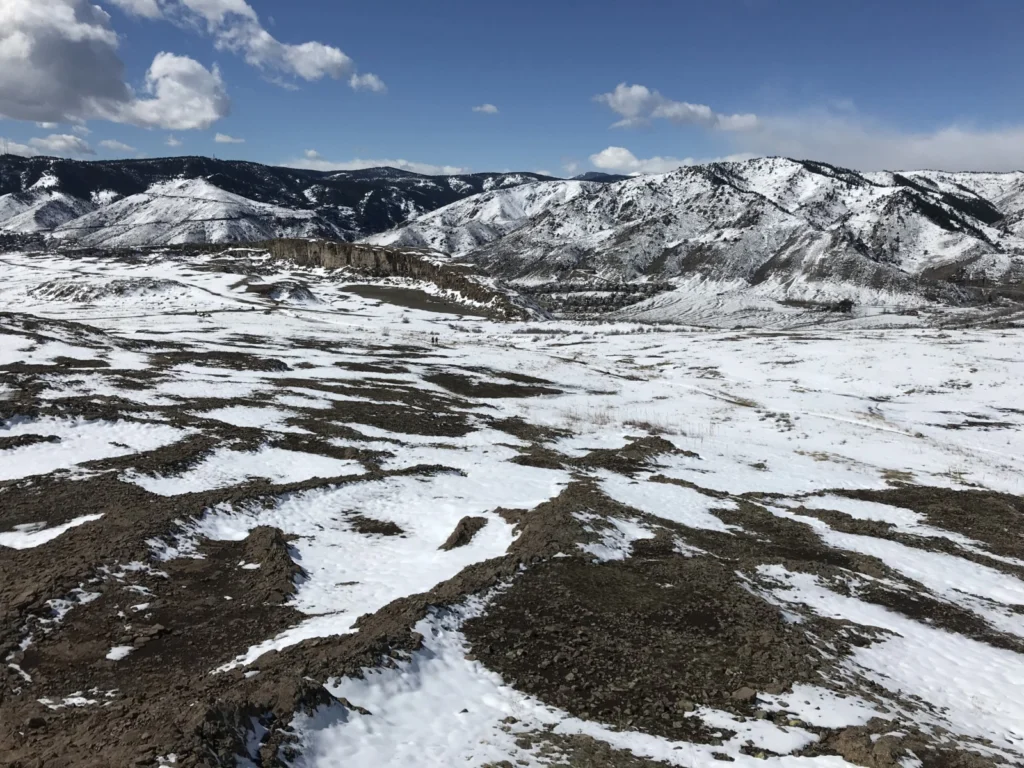
Travels in Geology: A World Turned Upside Down
Last weekend, with a strict, stay-at-home coronavirus order looming on the horizon, I decided to practice social distancing by escaping on one last hike. Since I’m currently in Colorado, I chose to climb North Table Mountain, the remnant of an ancient basalt lava flow located on the outskirts of Denver. Locally this mesa, along …[Read More]
Seismology
Creating Value for Safety: from earthquake preparedness to pandemic outbreak response
Disasters happen world-wide, almost every day. If you are an earthquake seismologist (or engineer), chances are good that seismic hazard is in your daily diet. Developing an earthquake scenario, estimating the seismic hazard, assessing the risk, regulating the land use: we usually conduct these tasks to limit the socio-economic impact of a seismic event. …[Read More]
Cryospheric Sciences
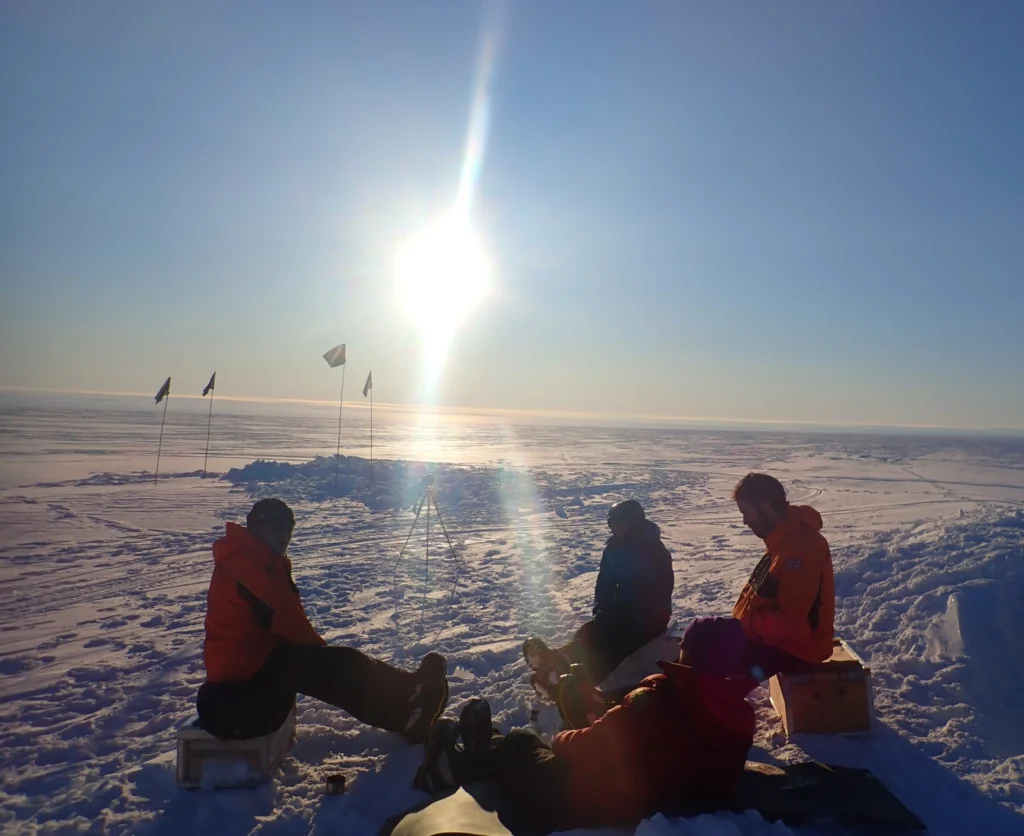
Life of a scientist: When fieldwork doesn’t go to plan…
Climate research questions tend to focus on the future. What will global temperature be in 2100? Will extreme weather events become more frequent? When will sea level rise render coastal homes uninhabitable? But our understanding of climate processes first comes from observing the past: palaeoclimatology. To get these records, scientists often go on fieldwork to …[Read More]
Geodynamics
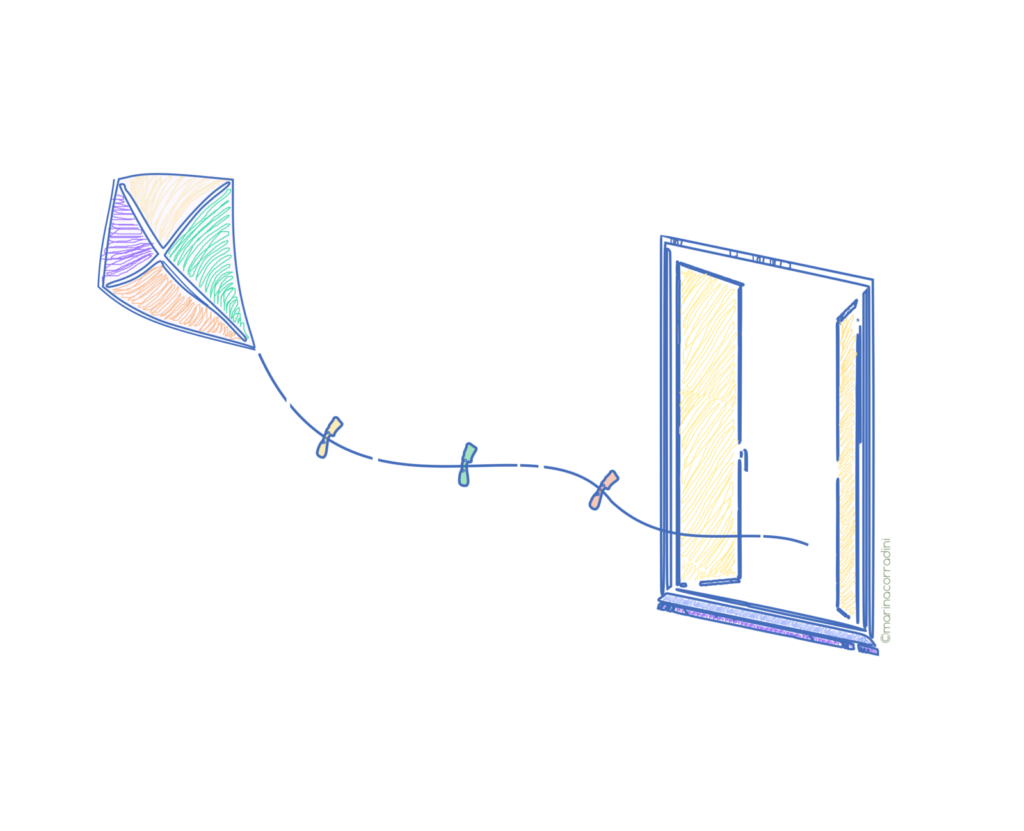
The Sassy Scientist – Conference Call Candids
Now more than ever, Kaito is using conference calls to stay in touch (scientifically and otherwise) but is frustrated about the (lack of) etiquette. He ponders: What is the best way to set up a conference call? Dear Kaito, I suppose you like conference calls as much as I do. Not. I don’t know how …[Read More]
GeoLog
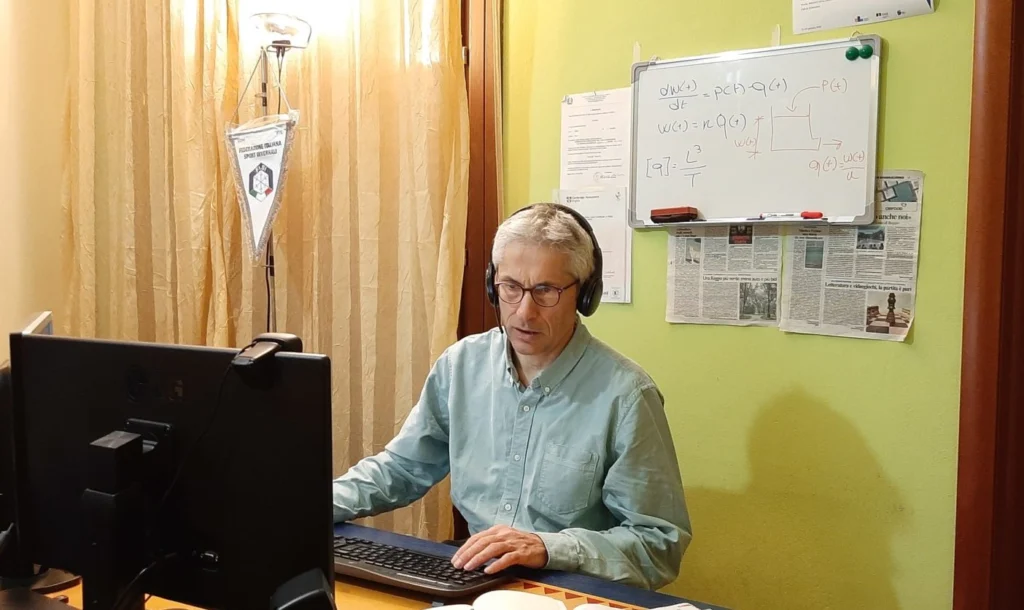
A message from EGU President Alberto Montanari on what geoscientists can do to help mitigate the impact of COVID-19
What can the Earth, planetary and space sciences do to help mitigate the impact of COVID-19? While I am considering this challenging question, I am looking out of the window of my home in Italy, in Reggio Emilia. I am close to the epidemic center of the Italian outbreak of COVID-19. I have been at …[Read More]
Geodynamics
The Moon – A small but significant tale about impacts, basins, volcanism, and time
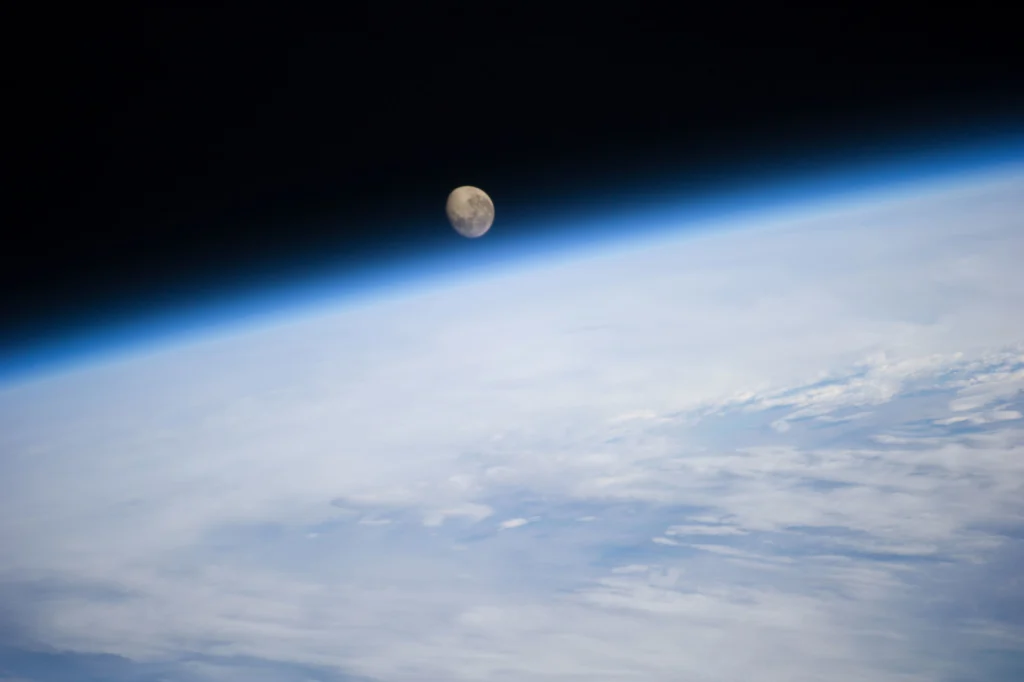
This week on the GD Blog we are taking a magical geodynamicist’s mystery tour to our planet’s Moon thanks to Tobias Rolf, Researcher at the Centre for Earth Evolution and Dynamics (CEED) at the University of Oslo, Norway (currently a Visiting Researcher at the Institute of Geophysics at the University of Münster, Germany). Imagine you …[Read More]