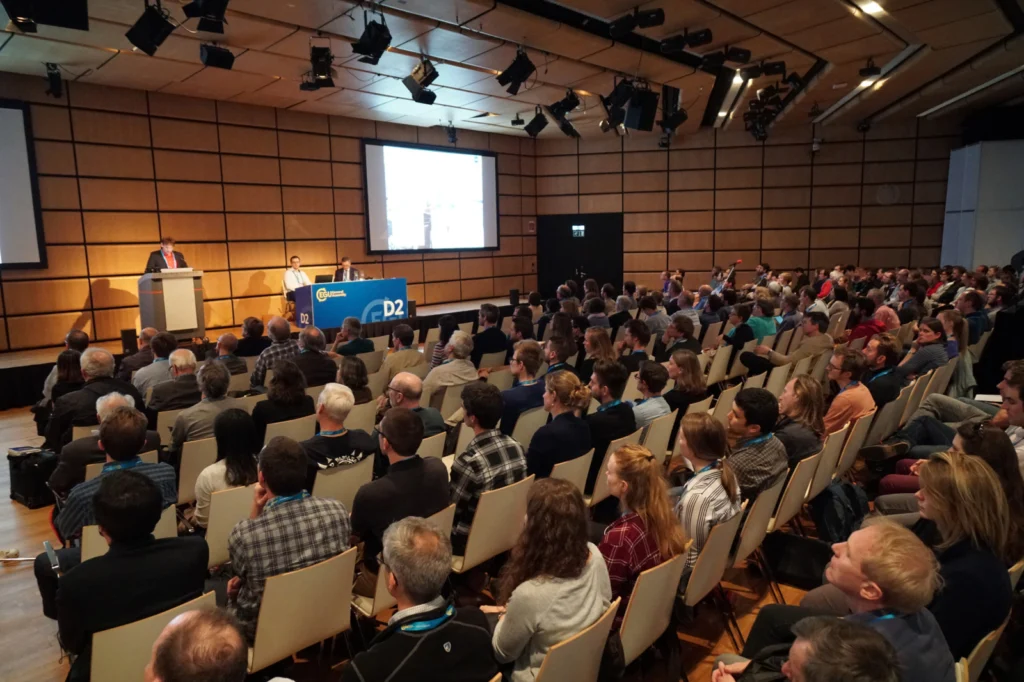
A wide variety of webinar sessions were streamed during EGU 2020’s Sharing Geoscience Online, including all of the Great Debates and Union Symposia. The sessions were very well attended, with some sessions having over 700 participants. An extremely high level of engagement meant that in many cases not all of the participants’ questions could be …[Read More]
Latest posts
The Sassy Scientist – The Burning Question
In the climb on the academic pyramid, Antonia wonders: How do you tell someone “you have not done enough to be included in the co-author list”? Dear Antonia, *arranges Yoda robe*: Big questions you have! Right place you came! I am sure you are not the first or the only scientist with that question. Since …[Read More]
Features From the Field: Pencil Cleavage
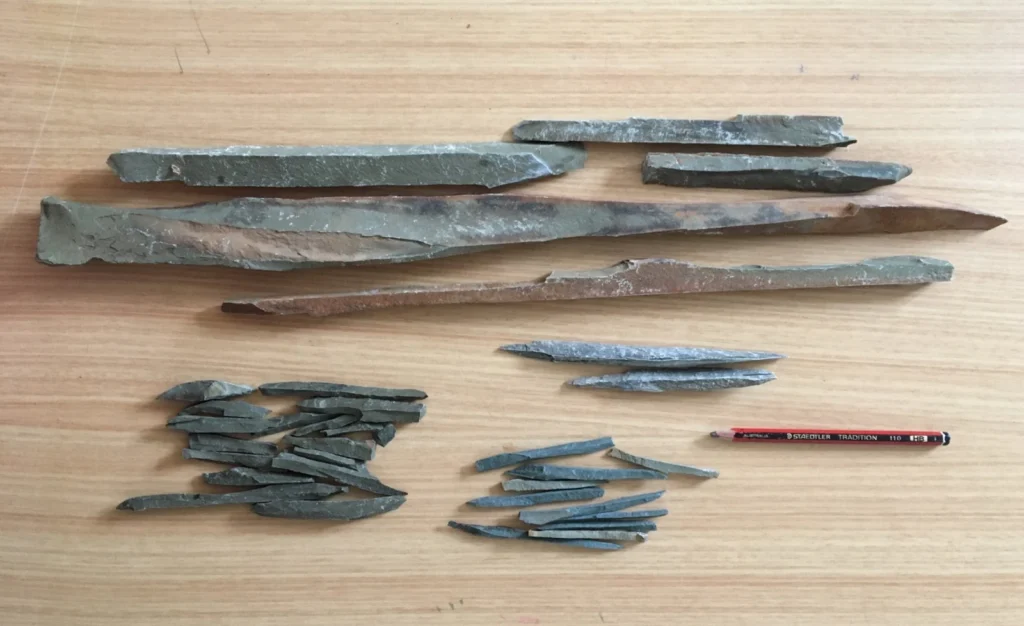
This edition of ‘Features from the field’ is brought to you by Sandra McLaren, a senior lecturer at the University of Melbourne. She will be talking about type of rock formation called “Pencil Cleavage” so called because it looks like pencils. Sandra even has a small collection of pencil/crayon shale which is the cover image …[Read More]
Ask us (almost) anything: Were Chixculub and Deccan related?
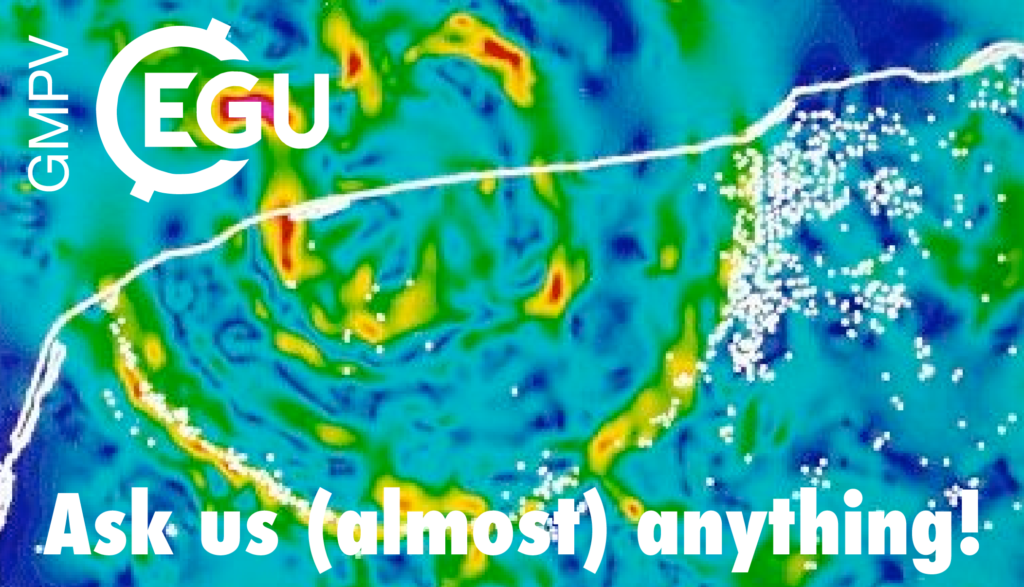
Doc Rock from twitter asks Has anyone investigated the hypothesis that the Deccan Traps basalt flows came after, and were the result of, the Chixculub impact event, based on the DT basalts being on the exact opposite side of Earth at the time of the event? For context, the Chixculub crater is buried under the …[Read More]
Breathing life into a d(r)ying lake in northwest Iran
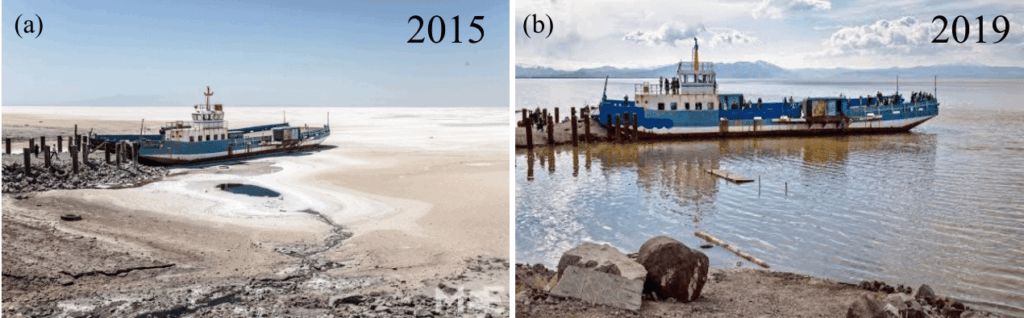
Lake Urmia, in Northwest Iran, was once the most extensive and permanent hypersaline lake (salinity >> of ocean) in the world. Since 1995, the lake water level has dropped about 8 m, shrinking to less than 30% of its original surface area and losing more than 90% of its water volume over two decades [1]. …[Read More]
Watch and learn!
Too envious to watch Netflix’s Selling Sunset? Gone through the top 5 geodynamic movies? Lock-down vacation too boring for words? In need of useful procrastination? Search no longer! We have compiled an extensive list of online webinars and speaker series that were already active pre-Corona or saw the daylight during the pandemic to stay in …[Read More]
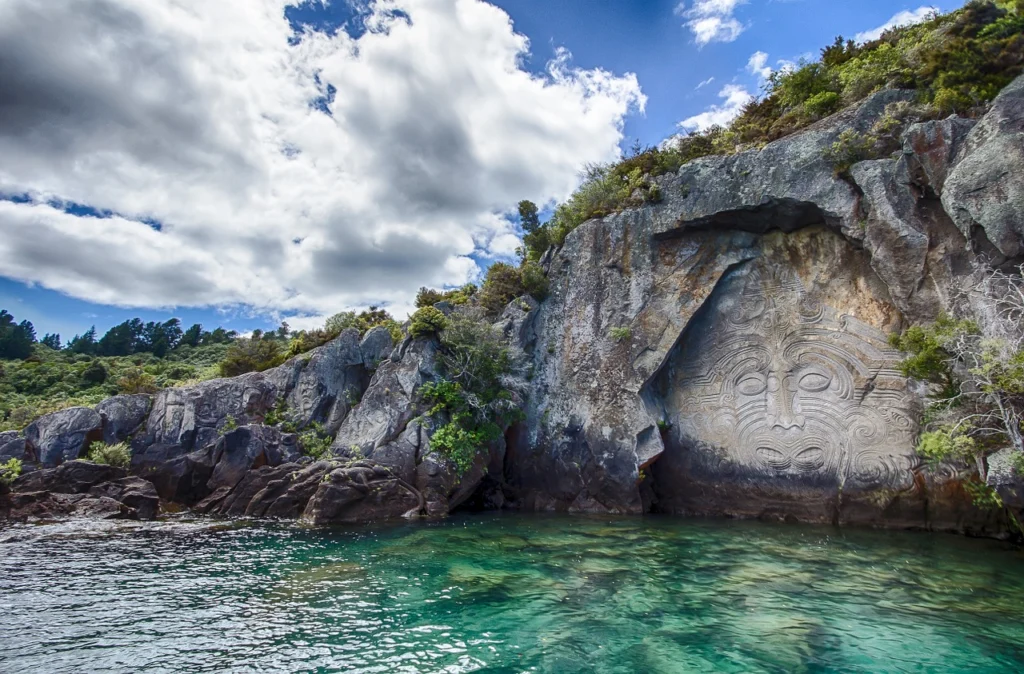
Using Geoscience Skills to Improve Global Health; Integrating Indigenous Knowledge and Science. That and more in Jesse Zondervan’s Apr-Jul #GfGDpicks #SciComm
Jesse Zondervan picks his favourite posts from geoscience and development news which cover the geology for global development interest. Here’s a round-up of Jesse’s favourite selections for the last four months of 2020: In the words of Sarah Derouin at AGU’s Eos “some geoscientists have seen their productivity grind down to plate tectonics speeds while …[Read More]
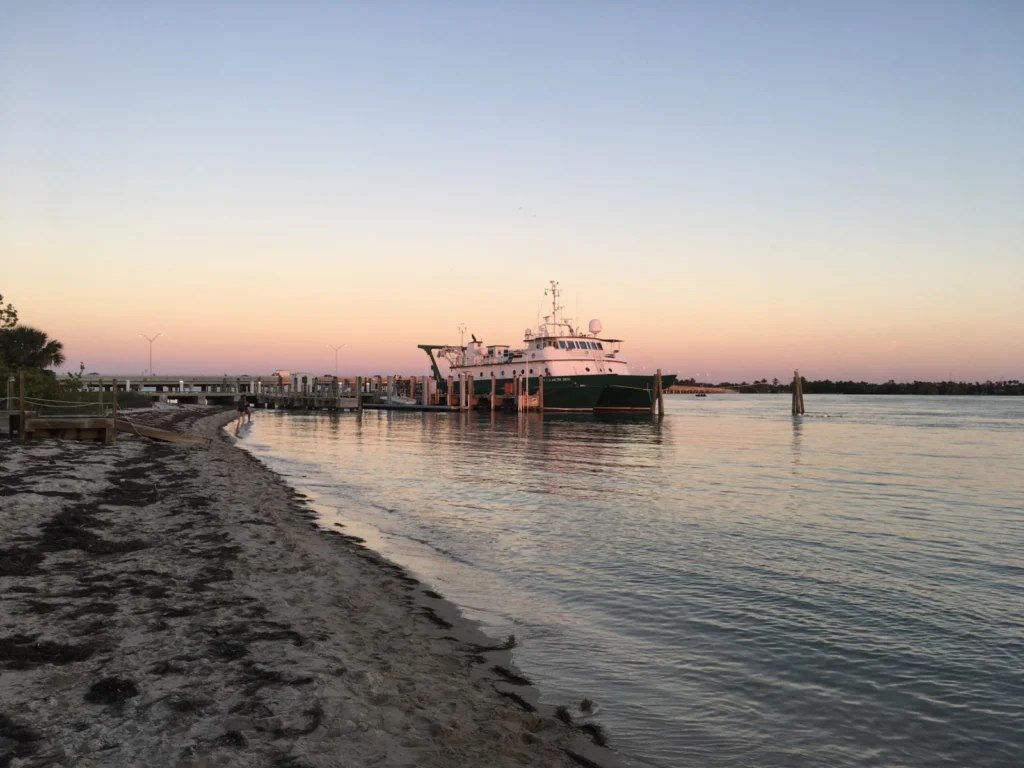
Why do mesoscale eddies disappear at ocean western boundaries?
In the ocean, mesoscale eddies are everywhere. In fact, about 90% of the ocean’s kinetic energy is contained within these ubiquitous, ~100 km swirling vortices. We know how these eddies form, through a process known as baroclinic instability, where density surfaces are tilted too steeply and become unstable. What remains unclear however, is what happens …[Read More]
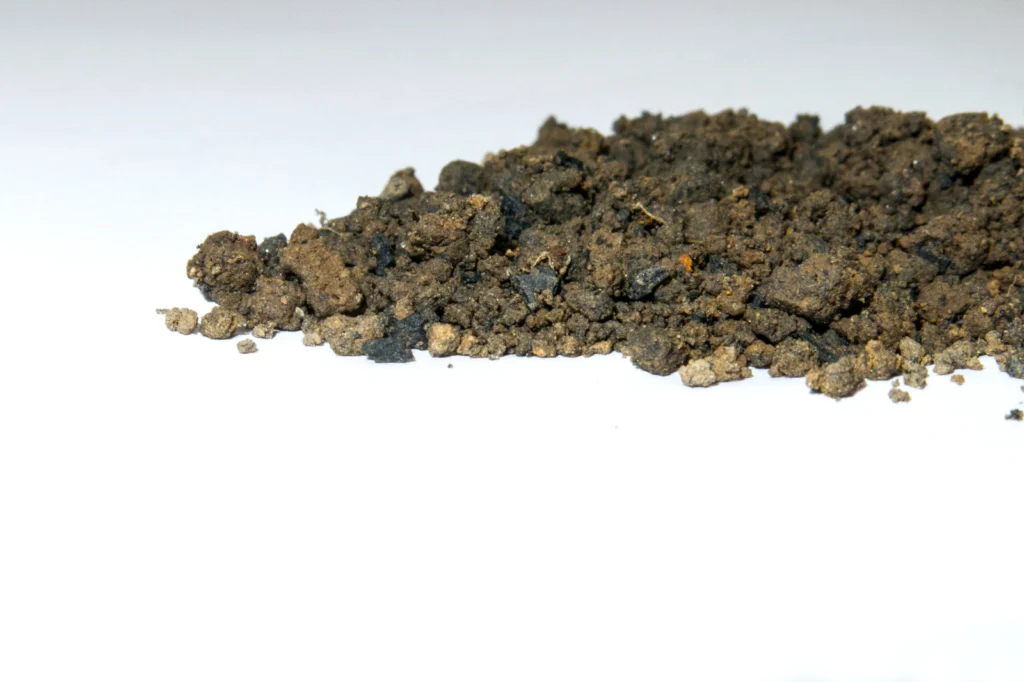
Imaggeo On Monday: Carbon-sink
Biochar is a carbon rich product of biomass pyrolysis, a process where biological material is exposed to high temperatures, in the absence of oxygen, to cause the decomposition of that material into various chemical and physical components. By going through this process, biochar can be a valuable soil additive and a carbon sink with a …[Read More]
Faults and earthquakes as friends and not foes
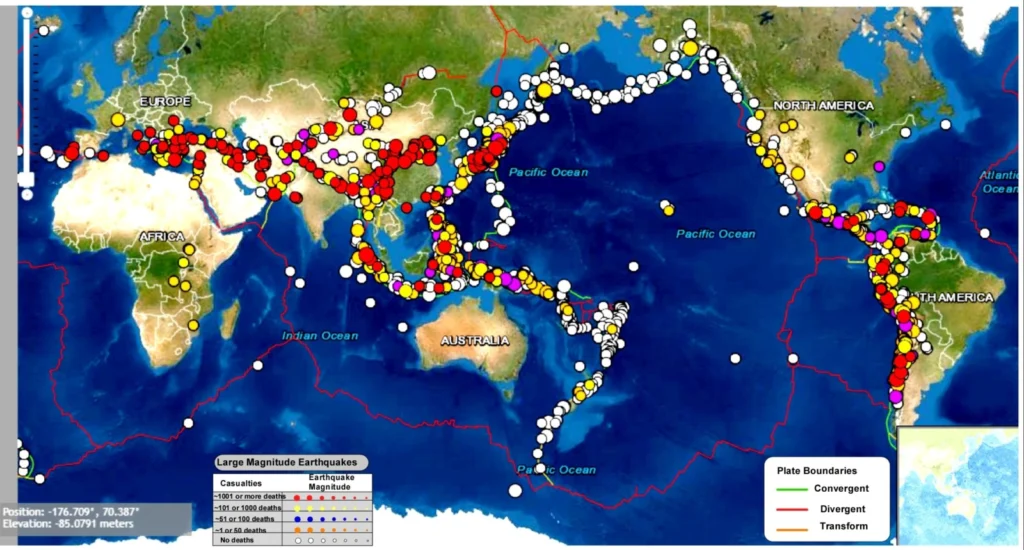
The earthquakes’ occurrence on the planet Earth is largely considered synonymous with disasters and people generally perceive geological faults as a threat to life and belongings. However, there are exceptions since a small community of earthquake researchers relate the occurrence of earthquakes with the lithospheric plate interactions where movement on faults causes earthquakes. Therefore, my …[Read More]