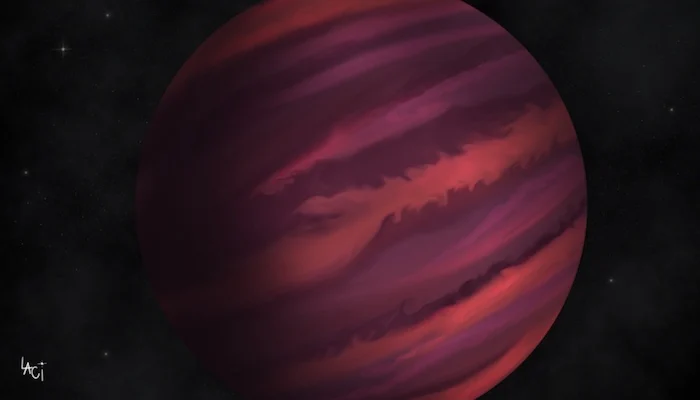
The universe is made up of stars and planets but have you ever wondered if there is anything in between? This week, Laci Brock, a PhD student from the University of Arizona’s Lunar and Planetary Laboratory, takes us on a journey into this murky region of stellar classification… Four years before the cult classic science …[Read More]
Latest posts
GeoLog
Imaggeo On Monday: Both Ends of the Rainbow
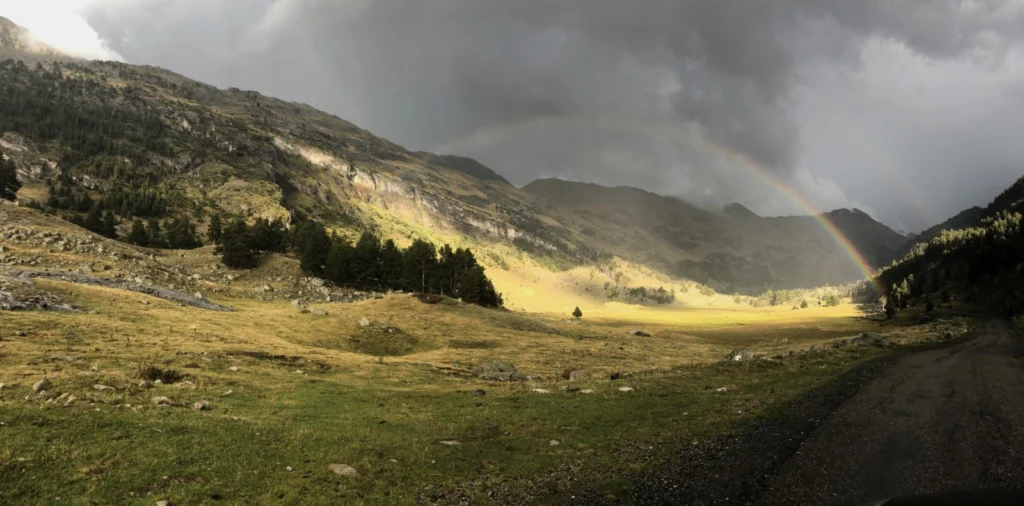
A double rainbow was captured when heading through the glaciated Benasque valley, located in the heart of the Pyrenees. The photo was taken just before the sunset, after heavy rainfall. A rainbow is caused by reflection and dispersion of light in water droplets. Second rainbow arc results from one reflection more than in the first …[Read More]
Seismology
Earthquake Watch May: Qinghai, China
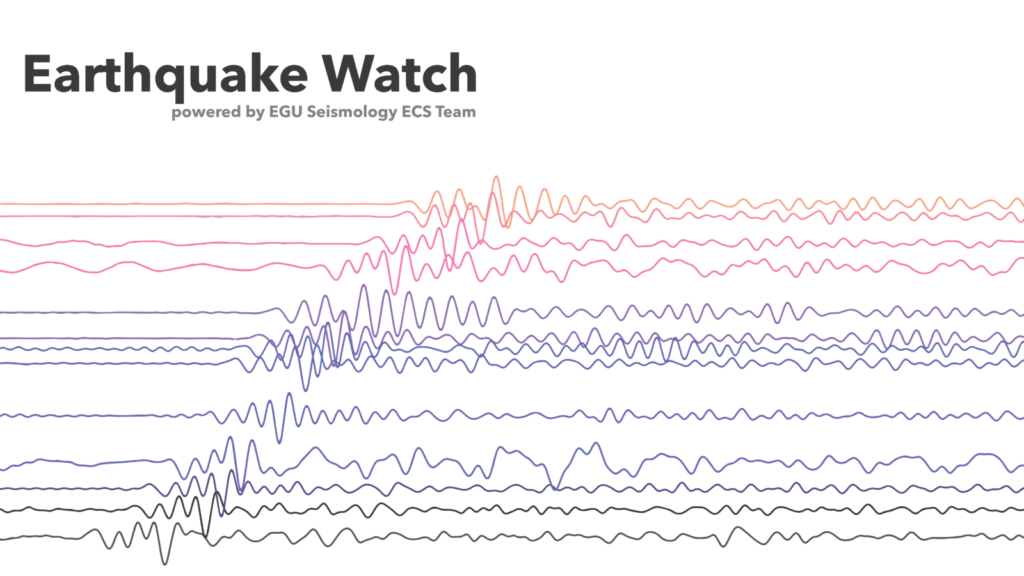
On May 21, a major shallower earthquake (M7.3) hit Central China at 18:04 UTC in the southern Qinghai province (Figure 1). Until this date, this event is the largest onshore earthquake during 2021. The so-called Qinghai earthquake’s hypocenter is located in a remote area near the eastern edge of the Tibetan Plateau, which is formed …[Read More]
Stratigraphy, Sedimentology and Palaeontology
Sedimentology – towards a disciplinary crisis?
This contribution adds to earlier articles on impact of global change on sedimentology and on the changing role of sedimentologists in a society moving towards a carbon-free energy future (e.g. Simmons and Davies, 2020, SSP BLOG). Sedimentology is a child of the Age of Petroleum. And, the success story of petroleum is closely linked to …[Read More]
GeoLog
Crowd solutions to challenges in Earth Sciences
Research rarely follows a straight path and it is normal for challenges to arise during a scientific career. These challenges may come from scientific issues, like inaccessible field sites or data or unavailable/insufficient methods, or from social or personal problems and so on. This year we are facing an additional problem in our inability to …[Read More]
Cryospheric Sciences
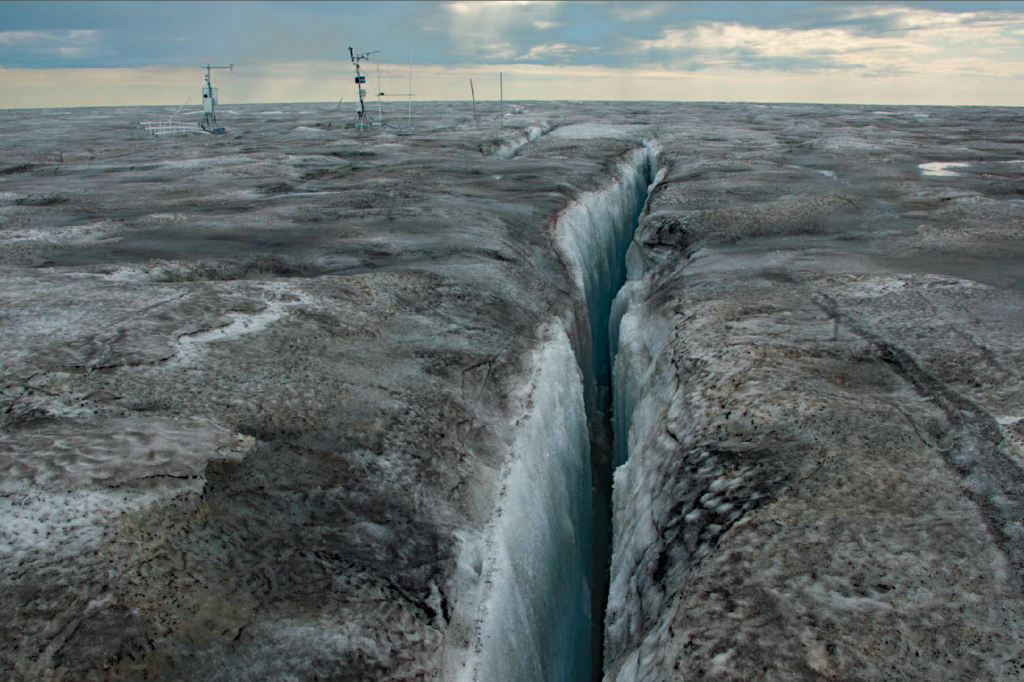
Questions from space: what is snow and what is ice on the Greenland ice sheet?
We usually think of a glacier as a white, clean surface. Well, this is only an idealized vision because in reality glaciers are far from immaculate, they can be colored! And this is extremely important since colored (dirty) ice absorbs more solar radiation than clean ice, accelerating melt. One of the places on Earth where …[Read More]
Geodynamics
The Sassy Scientist – Well, Actually…
How to write a reply to reviewers for the first time? Dear Marcelo, Oh my, oh my! First off, congrats for finally getting that ‘final_manuscript_v10.doxc’ out of your computer and into the submission portal. And congrats for not being desk rejected. You have already made it where many others have failed. The first reply to …[Read More]
Geodesy
Insights from the past ECS Representative of the Geodesy division
For our last interview we haven’t talked to a member of the current Geodesy division team. Instead we asked the past ECS (Early Career Scientist) representative of the Geodesy division, Katrin Bentel, a few questions. Fortunately, she gave us some insights about the role of an ECS Representative. Find out below. What did you …[Read More]
Nonlinear Processes in Geosciences
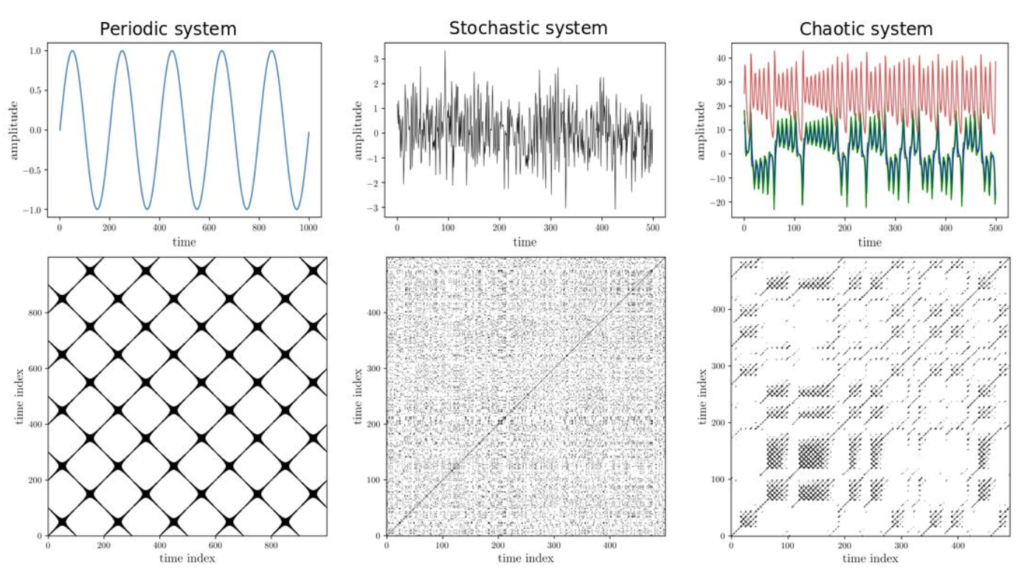
NPG Paper of the Month: “Recurrence analysis of extreme event-like data”
The May 2021 NPG Paper of the Month award goes Abhirup Banerjee and his co-authors for their paper “Recurrence analysis of extreme event-like data“. Abhirup is pursuing a doctoral degree in Theoretical Physics at University of Potsdam. He is working at Potsdam Institute of Climate Impact Research as a guest researcher as part of the …[Read More]
Climate: Past, Present & Future
Feeling the Heat: The Grilled Earth
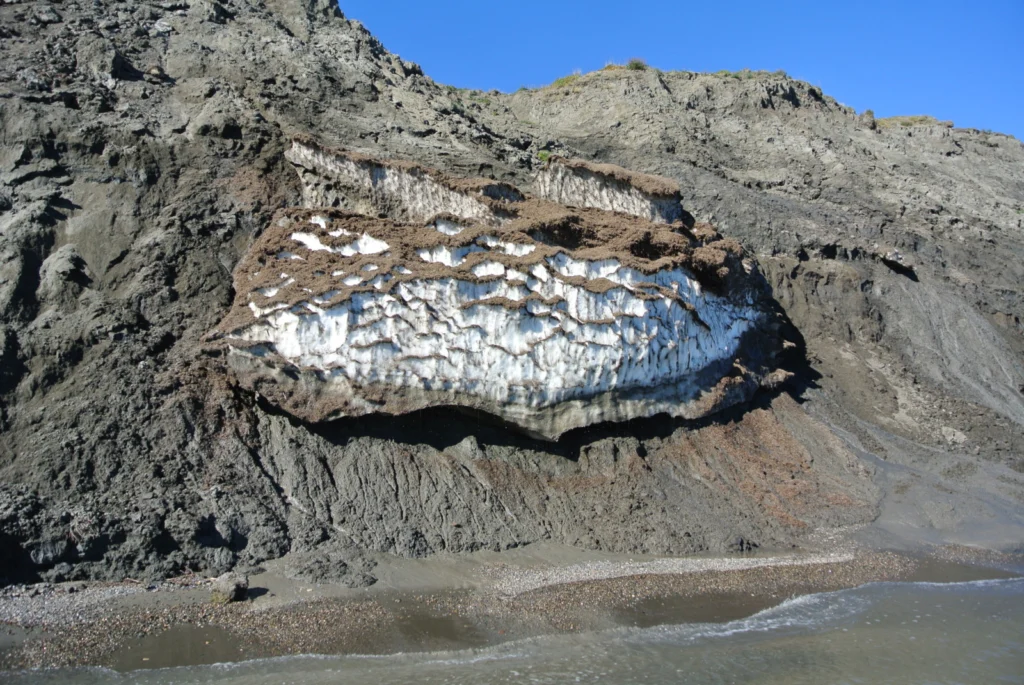
Nowadays, there are plenty of media reports about the impacts of climate change around the world. Glaciers are disappearing, gigantic craters form in Siberia as the previously frozen ground thaws, the sea is threatening to swallow entire islands, floods cause large damages to people and economy, heat waves periodically destroy crops and can reach dangerous …[Read More]