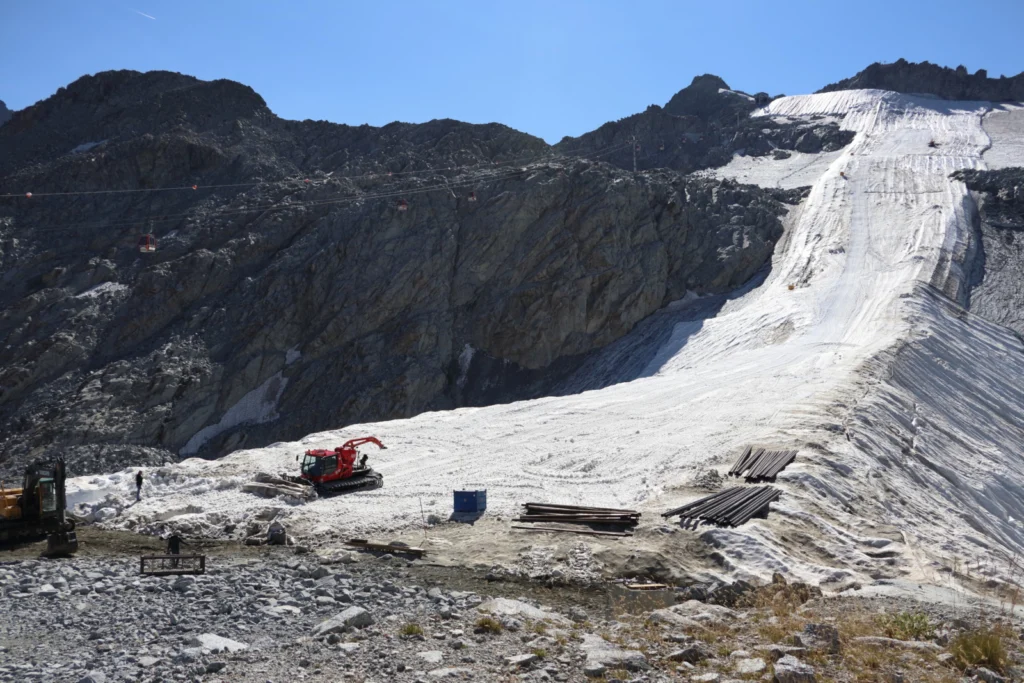
There are several ways that we can classify glaciers. We can look at their shape, their size, their type of terminus, and many other features. A new characteristic has recently been gaining in popularity: artificiality. Yes, we now have a few artificial glaciers! Have you ever heard about them? They are glaciers whose behavior is …[Read More]
Latest posts
The Sassy Scientist – Teeing A Puddy Tat
Sylvester is continuously ogling new readers for his scientific communications. Pawing at several social media, he purrs: Do you need Twitter to spread your science? Dear Sylvester, Yes. Next question, please. I mean, it’s quite popular. Isn’t it? If you throw in a couple of tags to institutions, active members of the scientific social media …[Read More]
A look beneath Earth’s surface: monitoring groundwater from space
Groundwater is one of the most important resources of freshwater for ecosystems and mankind. Because of this fundamental role in the Earth’s water and energy cycles, groundwater has been declared as an essential climate variable by GCOS, the Global Climate Observing System. As with other subsurface processes, it is difficult to observe and monitor on …[Read More]
Carbonate Minerals: the Silent Players of Climate Change – Victoria Corcimaru for GMPV for Sustainable Development
GMPV and The Sustainable Development Goals In 2015 all United Nations Member States adopted a set of Global Goals, as a universal call to protect our planet, end poverty and ensure that all people can enjoy peace and prosperity. These are called the Sustainable Development Goals – 17 integrated goals aimed at addressing the challenges our society is …[Read More]
Looking back at our first BG campfire.
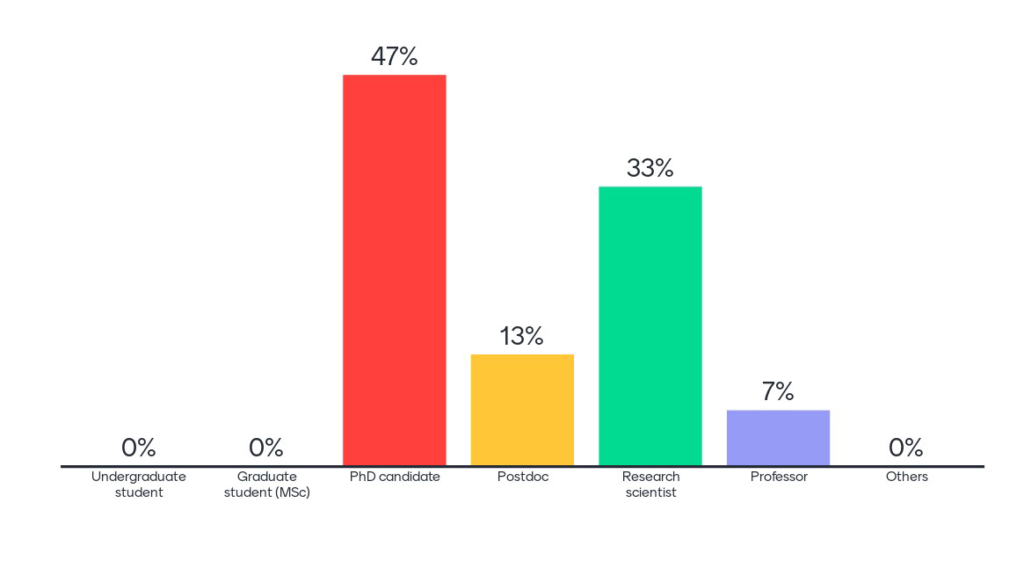
The BG division is extremely excited about including campfire events in our regular program. Campfires are informal events where we would like to bring together the biogeosciences community to discuss, learn or implement new ideas. To do so, we first wanted to know what the hottest topics are that interest our members. We celebrated the …[Read More]
Modelling the Thermal Evolution of Subduction Zones
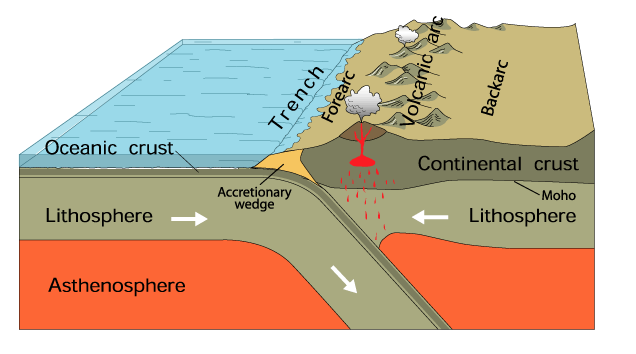
Subduction zones are as complex as they are ubiquitous. To understand subduction zone dynamics and processes we first have to understand the thermal structure of subduction zones and how this evolves in time. This week Adam Holt, Assistant Professor in the Department of Marine Geosciences (MGS) at the University of Miami Rosenstiel School of Marine …[Read More]
Imaggeo On Monday: Alps highest peak meets folded sea floor
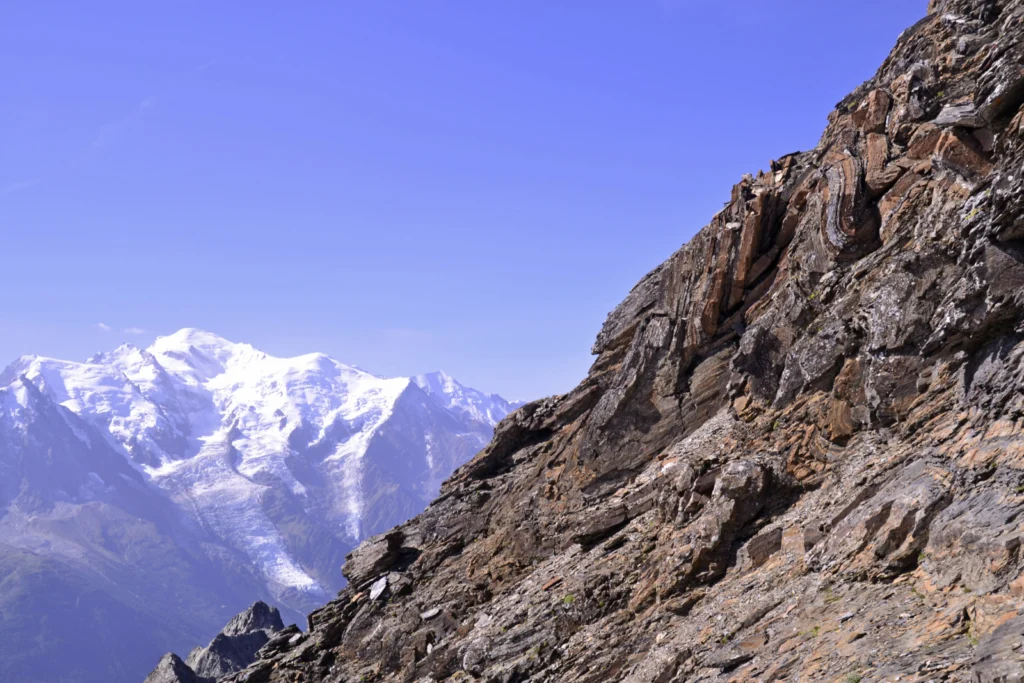
During the late Jurassic, this dolostone was formerly at the sea floor, but after millions years of tectonic movements and natural forces, these rocks now appear at 3000m! Mont Blanc, the highest peak of the Alps is less than 20km away, and is visible in the background. Thank to the Alpine collision, this former sea …[Read More]
GeoTalk: Meet Rebekka Steffen, the Geodesy Division’s Early Career Scientist Representative
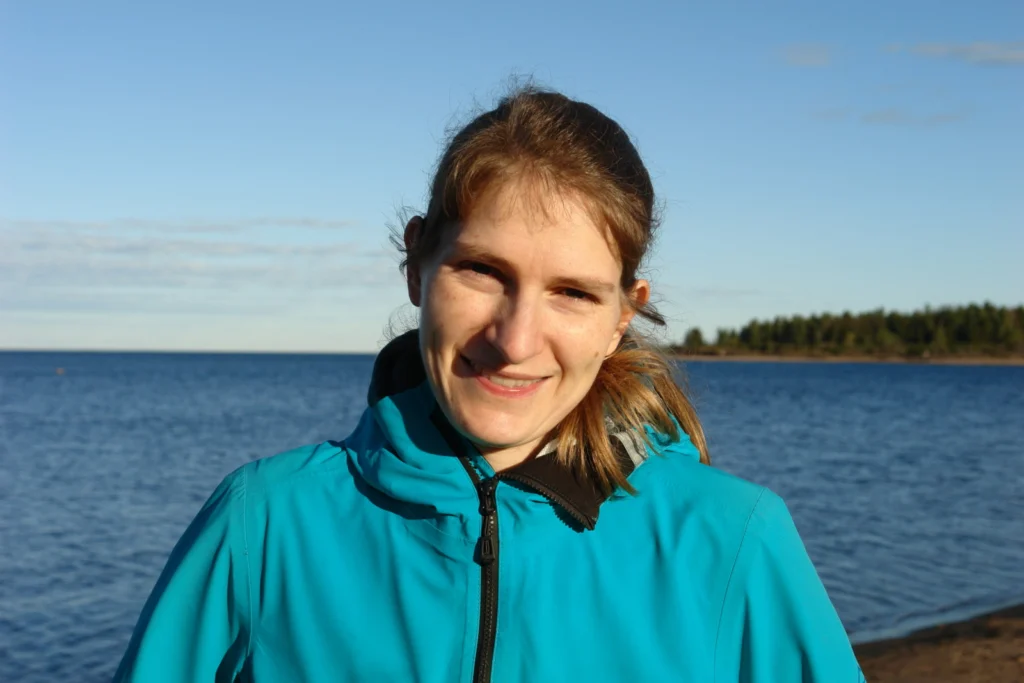
Hello Rebekka, thank you for taking the time to talk with us today! Could you introduce yourself to our readers? Hi. Thanks for giving me the chance to talk about my research and plans as ECS Rep for the Geodesy Division. I’m a researcher in Geodesy at Lantmäteriet, which is the Swedish mapping, cadastral, and …[Read More]
Did you know about the weathering crust? Five things you never knew about glacier surfaces
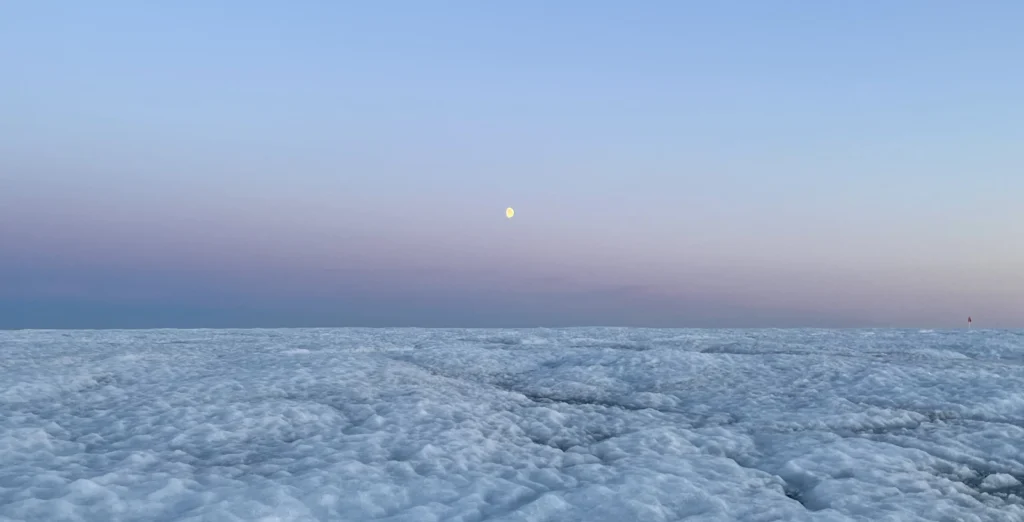
To the untrained eye, the melting surface of glaciers and ice sheets can look a little boring. It’s bright in some places, dark in others, and there are lots of things to fall over and (hopefully not) get your feet wet in. However, a huge range of processes are occurring both upon and just underneath …[Read More]
The Sassy Scientist – Difficult Coexistence
Picture yourself in the office. You are finally cracking on that paper you have been meaning to read for a long time. Here comes that one paragraph upon which the understanding of the whole paper hinges. You are almost grasping it, when the smell of soup hits your nostrils, warning you that it is lunch …[Read More]