EGU Blogs

Latest posts

GD

Additional teaching tips

Additional teaching tips

In June 2020 I made (my first!) blog post for the EGU blog on the topic of teaching, describing what I learned by for the first time teaching a full class on my own. It was at the time when teaching suddenly had to shift from in person to online teaching. Last quarter I was …[Read More]

Imaggeo On Monday: Contorted Streams on the Gates Glacier

Imaggeo On Monday: Contorted Streams on the Gates Glacier

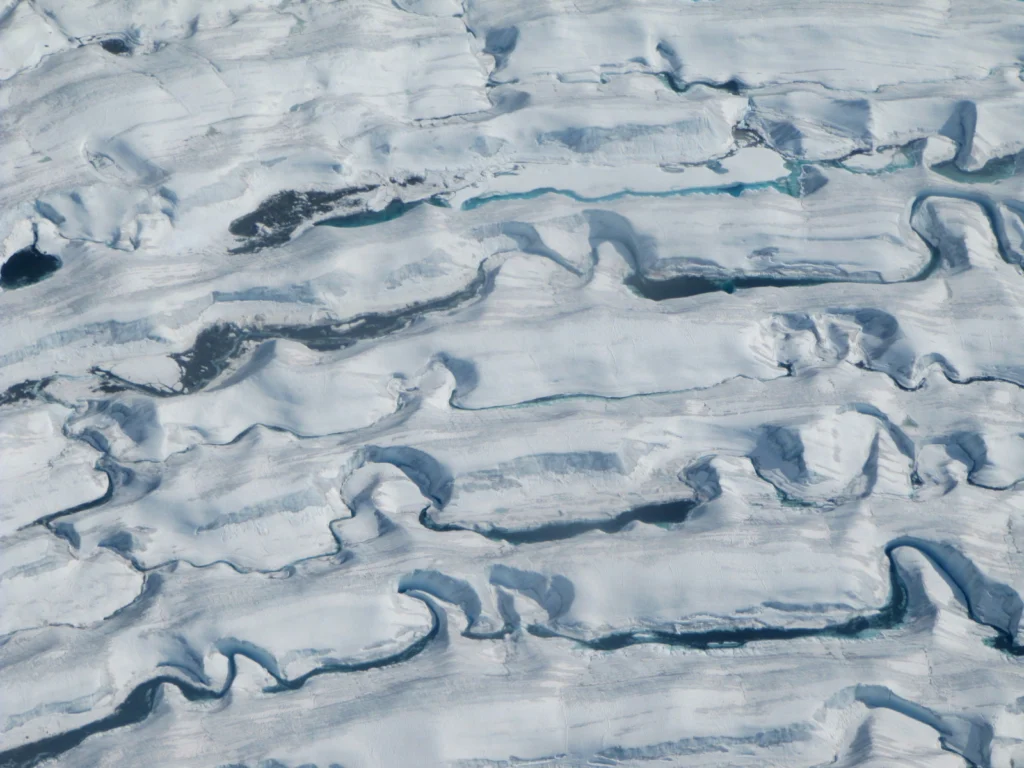
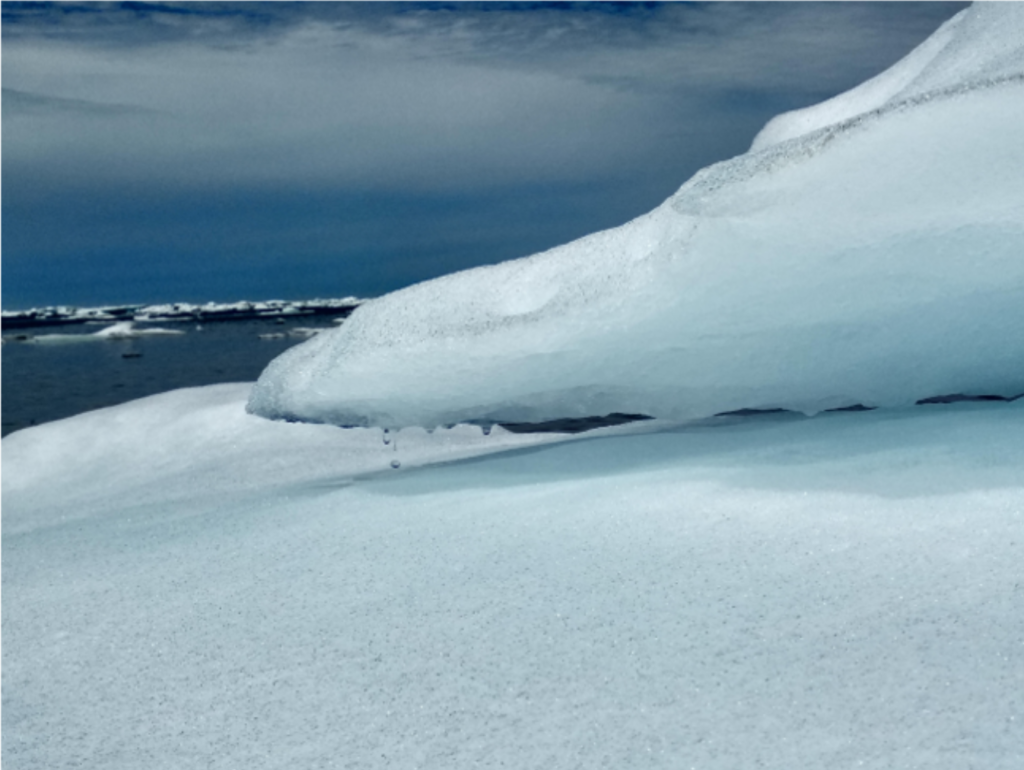
Annual ridges and troughs (called wave ogives) are formed as the ice of the Gates Glacier (in Alaska’s Wrangell Mountains) flows through a steep icefall. Down-glacier, as the ice melts, the rushing meltwater is funnelled into streams, carving ice canyons as it flows, but ultimately directed by these topographic constraints.   Description by Allen Pope, …[Read More]

NP

NP Campfire: “Scaling and multifractals : from historical perspectives to recent developments”

NP Campfire: “Scaling and multifractals : from historical perspectives to recent developments”

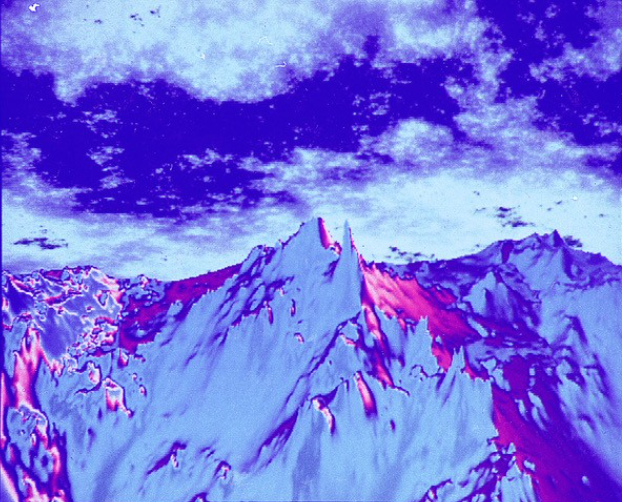
Scaling law behaviours are ubiquitous in geosciences both from a theoretical and practical point of view. They are required to better understand, analyse and simulate the underlying processes, which yields the observed variability of geophysical fields over wide ranges of spatio-temporal scales. A group of scientists within the Nonlinear Processes in Geosciences (NP) Division of …[Read More]

NH

Geoscience communication series: a blogging survival kit

Geoscience communication series: a blogging survival kit

Science communication is the practice of informing and inspiring the public about scientific knowledge. It comes in different forms, from documentaries, books, academic publishing, mass media journalism, to public talks. These days, digital communication, including blogging, vlogging, podcasting, and social media, has become an increasingly popular form of science communication, reaching a wide audience. But …[Read More]

CR

The Polar Amplifier

The Polar Amplifier

It’s no secret that the Arctic is warming faster than the rest of the planet, but why? Polar Amplification (often called Arctic Amplification) is the mechanism at play. In this week’s blog, we find out about its origins and why it happens. Early Discoveries In 1969, Russian scientist Mikhail Budyko and US scientist William Sellers …[Read More]