I don’t think it is any secret that the world is facing an imminent energy crisis. We are trying to generate more power than ever before, but at the same time, we now realize we have to do it in a sustainable way that does not harm the environment or exacerbate any existing issues such …[Read More]
Retired blogs
How fast was the demise of the dinosaurs?
It’s dark. It’s always dark these days. Lights in the sky burn your eyes, so you keep your face to ground in the hopes that they’ll go away. But they don’t. The air is heavy. Heavy with poisons that make it difficult to breathe. Heavy with foreboding dread. You, my unfortunate friend, are going through …[Read More]
Rocks in the right place at the right time…
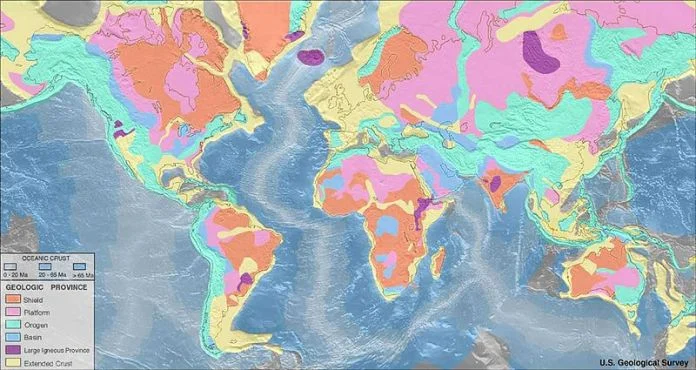
Flo looks two examples of the strange and important ways that geology and where it’s located can affect international governance and regulation. From the presence of tiny coralline islands to ownership of the Arctic! I’ve always had an interest in the peculiarities of geology and geomorphology and the inordinate (sometimes almost absurd!) ways that they …[Read More]
Night flight
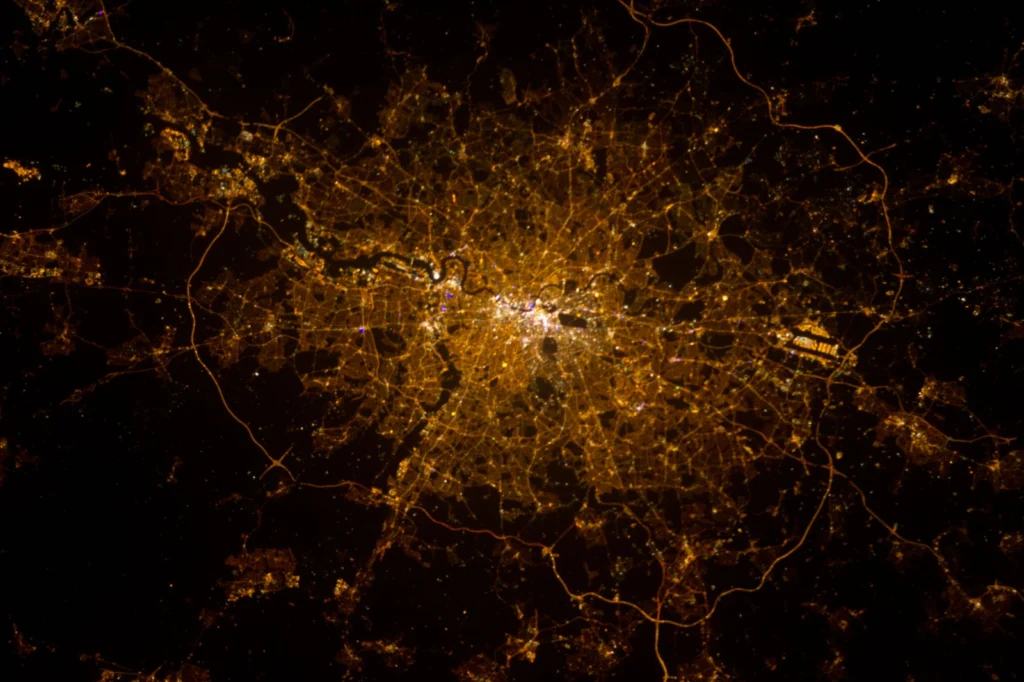
After what has seemed like an eternity (or more than one post-doc post, which is essentially the same thing), I’ve got a new paper published. To commemorate this auspicious occasion, I’m going to write about it. The paper is published in Atmospheric Chemistry and Physics and is available open access here. The study investigated how …[Read More]
Effective International Engagement (1) – Introduction
Many geologists will have to, and indeed want to, work overseas at some point in their careers. The global opportunities offered by research and working within the geosciences is a big attraction when deciding to study geology and join the profession. In many cases working internationally will often mean partnering with host-country agencies and industries (e.g., universities, geological surveys, water ministry, volcano observatories, …[Read More]
It’s kind of like a turtle-fish-dolphin…
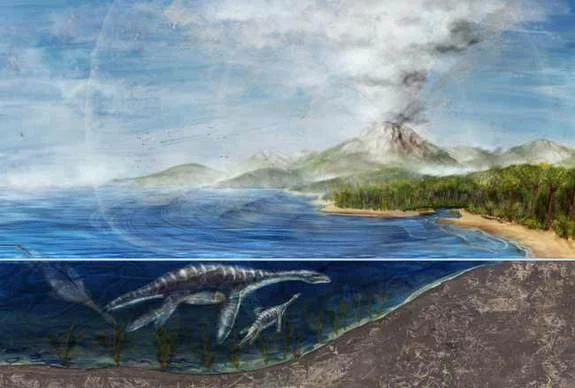
Close your eyes. Go back in time 250 million years, and the world would seems as strange to you as a different planet. On land, there was a whole host of bizarre and now extinct animals: strange, crocodile-like things, and the precursors of dinosaurs; weird mammal-like beasts, that looked like the lost offspring of a …[Read More]
EGU15 – Natural Hazards Education and Communications
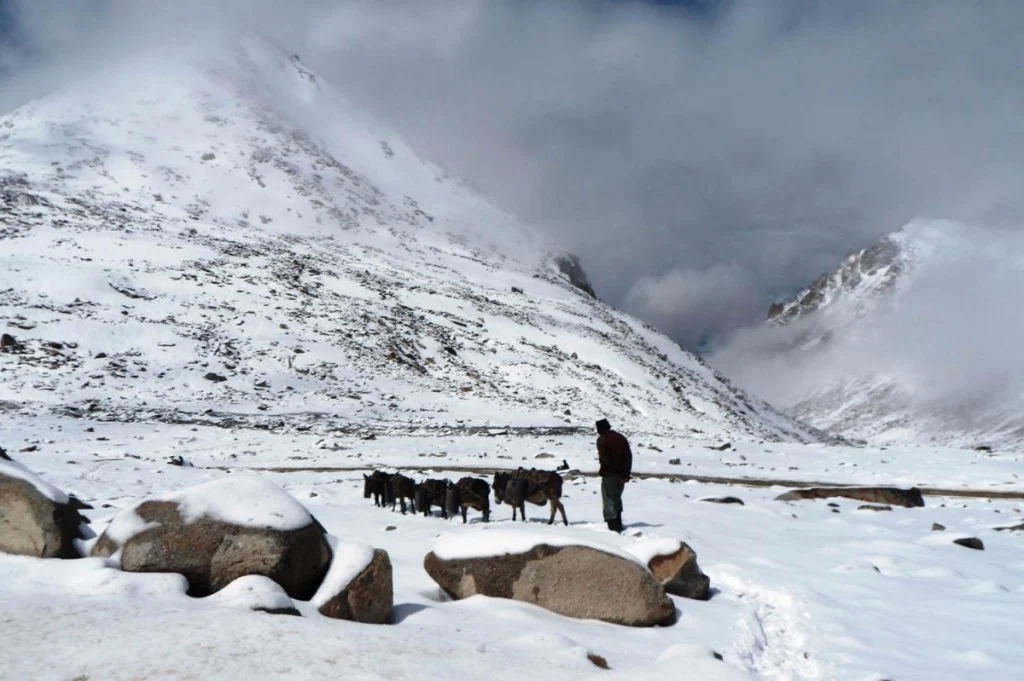
Figure 1: A man herds his livestock in remote, high altitude, snowy conditions in Ladakh. This post first appeared on GeoEd Trek (AGU Blogs) on December 22nd 2014. It has been slightly modified below, given the deadline for EGU Abstracts has now passed, to include the latest information available about this session. Ladakh is …[Read More]
Groundwater is NOT photogenic!
One of the first things I realized when designing this blog was that groundwater is not photogenic, in the extreme. Seriously: I dare every hydrogeologist to go to google images and search ‘groundwater‘. You find something like this: I am not saying that I dislike conceptual models or think they are ugly. I actually quite …[Read More]
Images of Guatemala (9) – Conflict and Disasters
Until 1996, Guatemala was in the midst of a brutal Civil War. This sculpture in the Presidential Palace of Guatemala City is a reminder of that troubled past and symbolic of a hopeful peaceful future. In the same way that conflict/disasters can hamper and set-back development efforts, conflict can also set-back disaster risk reduction and management. …[Read More]
How ‘Natural’ is a ‘Natural Disaster’?
‘Natural disasters’ is a phrase widely used by the geoscience community but how accurate is it? Given the human and societal factors that create a disaster, it has been highlighted that there is no such thing as a natural disaster. Is this simply a convenient phrase that recognises the contribution of natural processes (e.g., earthquakes), are we …[Read More]